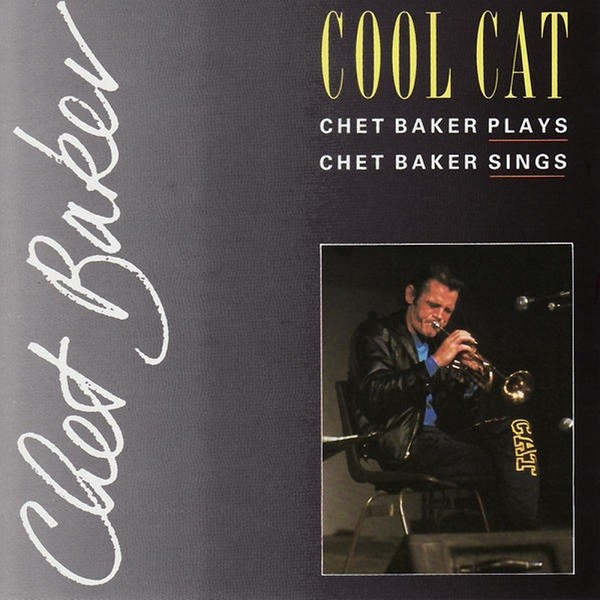
Chet Baker was an American jazz trumpeter and singer, an emblematic figure of cool jazz and West Coast jazz. Rising to prominence in the 1950s alongside Gerry Mulligan, he developed a melodic, understated trumpet style complemented by his soft, intimate singing voice. Recordings such as Chet Baker Sings, Chet and his interpretations of My Funny Valentine defined his career. Despite a life disrupted by addiction, he continued performing until 1988 and left a lasting influence on instrumental and vocal jazz.
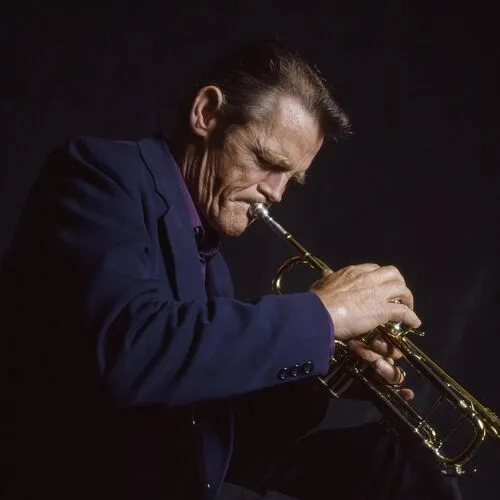
Details
- Type
- Music
- Countries
- 🇺🇸 United States
- Genres
- Jazz
- Albums
- 14
Synopsis
Chet Baker
Glossary terms: Album, Arrangement, Baritone, Bebop, Dependency, Drum kit / drums, Ensemble, Identity, Interpretation, Interpretation, Interpretation, Jazz, Low register / bass, Phrasing, Piano, Row / record, Session, Suite, Timbre, Tracking (type)
Trailer
Watch the trailer
Overview
Presentation
Chet Baker, born Chesney Henry Baker Jr. on December 23, 1929, in Yale, Oklahoma, was an American jazz trumpeter and singer. After receiving musical training in military bands, he attracted attention in California and briefly performed with Charlie Parker in 1952. He subsequently joined baritone saxophonist Gerry Mulligan's pianoless quartet, whose arrangements emphasised instrumental interaction. Their interpretation of My Funny Valentine helped establish Baker's reputation and associate his sound with cool jazz and the West Coast scene.
Following the dissolution of Mulligan's quartet, Baker formed his own ensemble with pianist Russ Freeman. He also developed a singing career with Chet Baker Sings (1954), an album that introduced his soft vocal tone and intimate interpretations of standards such as I Fall in Love Too Easily and But Not for Me. His recordings throughout the 1950s, including Chet Baker Sings and Plays (1955), Chet Baker in New York (1958) and Chet (1959), demonstrated his improvisational abilities and collaborations with musicians such as Bill Evans, Paul Chambers and Philly Joe Jones.
His career was severely affected by heroin addiction, arrests and interruptions to his musical activities. After suffering serious injuries to his mouth during the 1960s, Baker had to relearn his trumpet technique before gradually returning to recording and performing. He spent much of his later career in Europe, working with musicians including pianist Michel Graillier and bassist Riccardo Del Fra. In 1987, he recorded a concert in Tokyo that was released after his death. He died on May 13, 1988, in Amsterdam, aged 58. Bruce Weber's documentary Let's Get Lost, released later that year, explored his life and music.
Key Takeaways
Chet Baker was distinguished by lyrical trumpet playing that emphasised melodic clarity, subtle dynamics and silence rather than technical display. His singing extended this instrumental approach through a light voice, flexible phrasing and restrained interpretation. His style was closely associated with cool jazz while maintaining connections to bebop and modern jazz traditions.
His interpretations of standards such as My Funny Valentine, Time After Time and I Fall in Love Too Easily became essential parts of his musical identity. His work with Gerry Mulligan, small-group performances and extensive European recordings contributed to his lasting influence on instrumental and vocal jazz.
Conclusion
Chet Baker holds an important place in the history of cool jazz. His melodic approach to the trumpet, intimate singing and musical collaborations helped develop a jazz aesthetic based on restraint, expressiveness and improvisation.
Did You Know?
- Identity: Chesney Henry Baker Jr., born December 23, 1929, in Yale, Oklahoma, and died May 13, 1988, in Amsterdam, Netherlands.
- Instruments: trumpet, flugelhorn and vocals.
- Major collaborations: Gerry Mulligan, Russ Freeman, Charlie Parker, Bill Evans, Stan Getz and Michel Graillier.
- Notable albums: Chet Baker Sings (1954), Chet Baker Sings and Plays (1955), Chet Baker in New York (1958), Chet (1959) and You Can't Go Home Again (1977).
- Signature interpretations: My Funny Valentine, I Fall in Love Too Easily, But Not for Me, Time After Time, Let's Get Lost and There Will Never Be Another You.
- Historic quartet: Gerry Mulligan's pianoless ensemble, featuring trumpet, baritone saxophone, double bass and drums.
- Musical identity: a soft, understated trumpet sound combined with intimate singing.
- Later career: extensive touring and recording in Europe; Tokyo concert recorded in 1987.
- Documentary: Let's Get Lost (1988), directed by Bruce Weber and dedicated to his life and music.
Link graph
Open in the full graphLoading the graph…
Only the strongest links are shown.
View the list ({count})
Discography
Discography (14)