A civilization has just mastered interstellar travel and is preparing to leave its home system to explore a galaxy that remains largely unknown. Science ships set out to chart new systems, investigate anomalies and discover worlds suitable for colonization, while the empire gradually encounters other peoples with different ideologies, ambitions and technologies. Diplomacy, alliances, rivalries and wars then shape the galactic balance. Over the centuries, territorial expansion, scientific research and political decisions profoundly transform the original civilization, until threats emerge that are capable of challenging the very existence of the established powers.
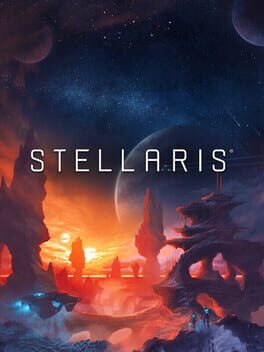
Video game
2016
Science fiction
Simulation
Strategy
Real-time strategy
4X
Stellaris
- DMM GAMES Publisher
- Paradox Development Studio Developer
- Paradox Interactive Publisher
A civilization leaves its home star and discovers that every galaxy can tell a different story.
Details
- Type
- Video game
- Release
- 2016-05-09
- Genres
- Science fiction, Simulation, Strategy, Real-time strategy, 4X
- Platforms
- PlayStation 5, PlayStation 4, Xbox Series, Xbox One, PC, Mac, Linux
- Engine
- Clausewitz Engine
- Game modes
- Single player, Multiplayer
Synopsis
Stellaris
Trailer
Watch the trailer
Overview
Presentation
Stellaris is a science-fiction grand strategy game in which the player takes control of a civilization at the moment it becomes capable of traveling between the stars. Rather than following a campaign built around a fixed storyline, each playthrough generates a new galaxy, new powers and a succession of events capable of taking history in very different directions.
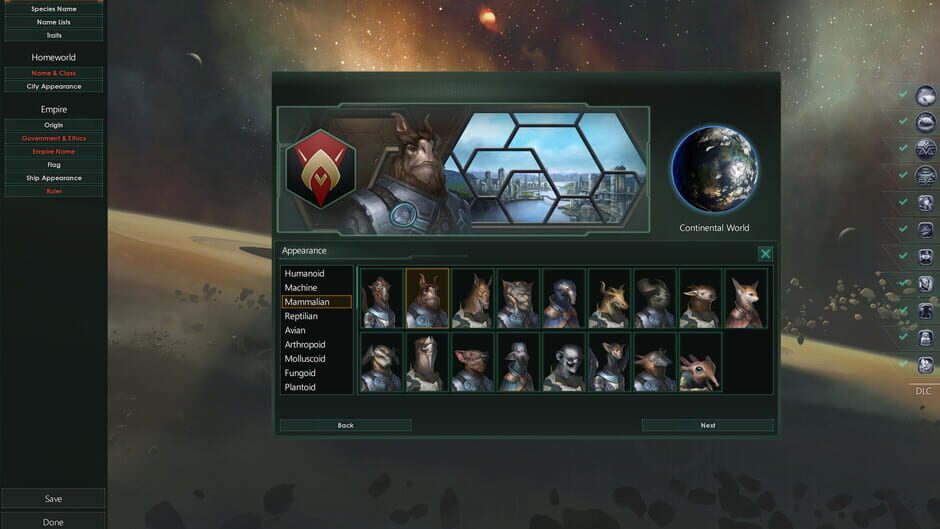
Before expansion even begins, the player can define their empire. Species, biological traits, ethical principles, political organization and various characteristics make it possible to create a civilization with its own identity. These choices are not merely cosmetic: they influence political, diplomatic and economic possibilities as well as the way the empire interacts with its neighbors.
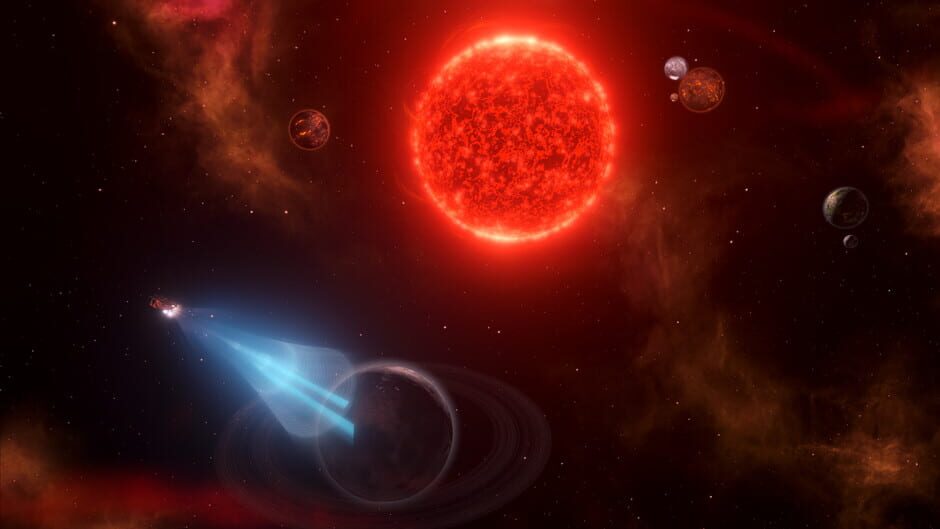
The first decades are largely devoted to exploration. Science ships travel through nearby systems, study stars and planets, then discover anomalies capable of triggering special events. Some lead to straightforward scientific discoveries, while others can open full narrative chains or reveal traces of ancient civilizations.
Construction ships then allow borders to expand gradually by establishing outposts and various infrastructures in explored systems. Habitable worlds can be colonized, developed and integrated into the imperial economy. Expansion must nevertheless take available resources, the location of other civilizations and the strategic importance of different systems into account.
Scientific research accompanies the entire game. Physics, society and engineering gradually unlock new technologies, ranging from economic improvements to weapons, ships and space infrastructure. The available options do not simply follow a completely predictable list: the game regularly presents several potential technologies from which the player must choose, adding an element of uncertainty to scientific progression.
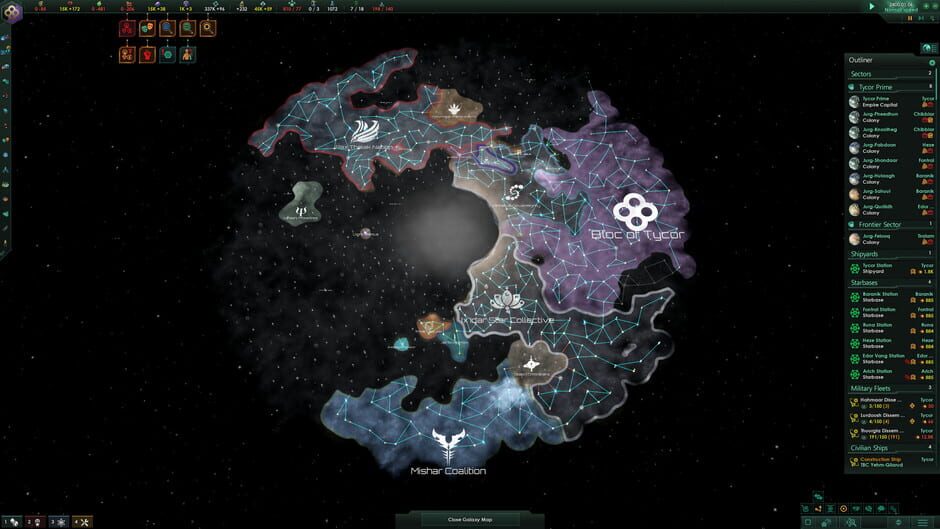
Contact with other civilizations gradually shifts the campaign toward galactic diplomacy. Some empires may become trading or military partners, while others develop into lasting rivals. Treaties, pacts, alliances and power relationships then influence expansion, while ideological or territorial differences can eventually lead to war.
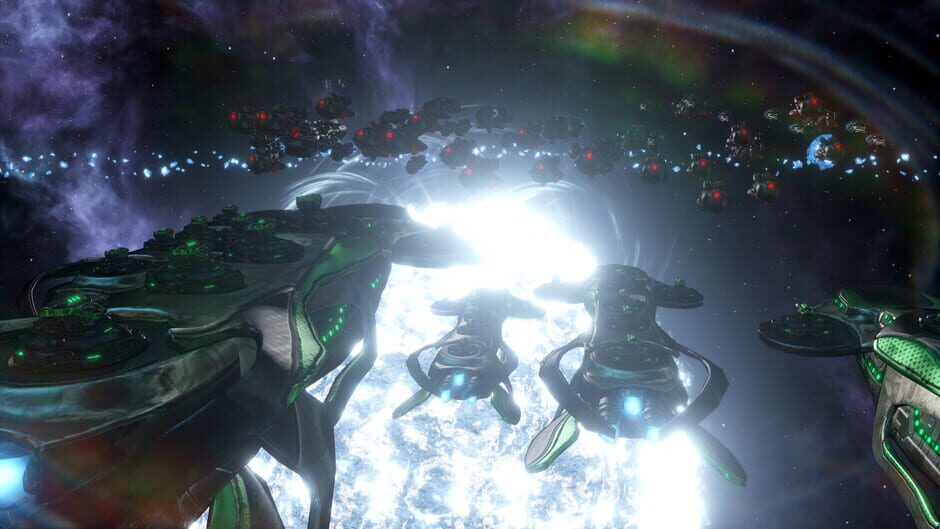
Conflicts take place primarily through space fleets. Players can design their own ship classes by selecting weapons, defenses and various components, then organize several vessel types within their forces. Victory therefore does not depend solely on the number of ships committed: technology, fleet composition and adaptation to the opponent also play an important role.
Military control of a system, however, is only one part of warfare. Conflicts remain embedded within the political relationships between empires and can reshape borders, territories and regional balances. As powers expand, the galaxy gradually changes from a collection of isolated civilizations into a complex network of alliances, rivalries and major powers.
The universe also contains forces that do not follow the normal development path of younger empires. Fallen Empires, remnants of far older and technologically superior civilizations, may occupy certain regions of the galaxy. Their presence makes it clear from the first encounters that emerging powers are not necessarily the oldest or most dangerous actors in known space.
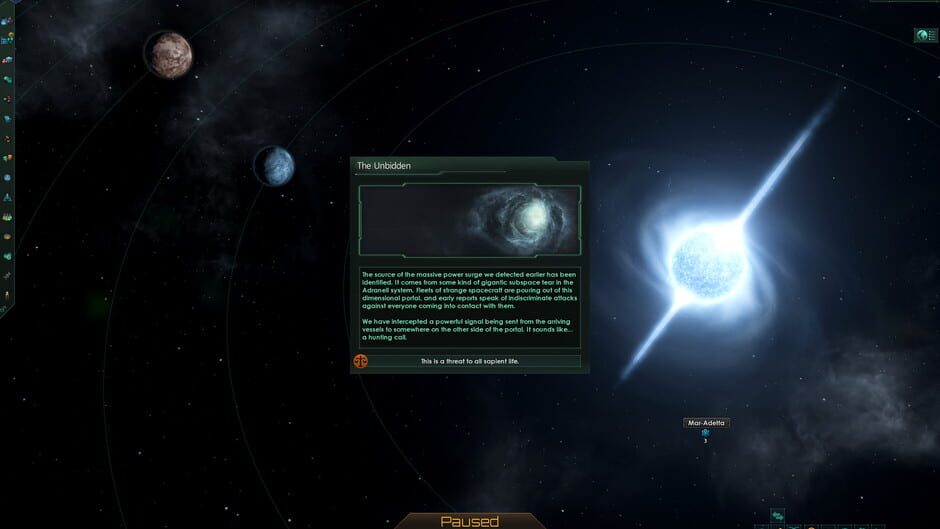
As the centuries pass, events grow in scale. Endgame crises can appear and threaten several empires simultaneously, turning previous rivalries into a galactic problem. The late game therefore does not rely solely on territorial domination: a prosperous civilization may be forced to redirect its economy and military forces abruptly in order to survive a threat far beyond ordinary conflicts.
This structure makes each campaign largely emergent. A scientific discovery, the position of a hostile neighbor, an unexpected alliance or the appearance of a new threat can be enough to completely change an empire's priorities. Stellaris therefore builds its stories less through an imposed narrative than through the accumulation of player decisions and events generated across several galactic centuries.
Key points
- A space grand strategy game played in real time with the ability to pause the action.
- A procedurally generated galaxy, whose layout and civilizations change from one playthrough to another.
- A complete empire and species creation system that influences how the game is played.
- Science ships used to explore systems, discover anomalies and trigger different events.
- Expansion built around outposts, colonies and space infrastructure.
- Three major fields of scientific research that gradually develop technologies and capabilities.
- Diplomacy based on relations between empires, alliances, rivalries and power balances.
- Customizable fleets through a system for designing ships and their equipment.
- Ancient civilizations such as Fallen Empires can disrupt the galactic balance.
- Endgame crises introduce threats capable of affecting the entire galaxy.
- Each campaign creates a different story from the player's choices and the events encountered.
Conclusion
Stellaris turns space conquest into a progression from the first expeditions beyond a civilization's home star to the management of a power capable of influencing the balance of an entire galaxy. Exploration, colonization, research, economy, diplomacy and warfare do not operate as isolated systems: a decision made in one area can permanently affect all the others.
Procedural generation and the large number of events primarily give the game a structure in which history emerges from the playthrough itself. Two empires created around the same principles can follow entirely different paths depending on their neighbors, discoveries, conflicts or the threats that arise over the centuries.
Good to know
Stellaris was developed by Paradox Development Studio and published by Paradox Interactive. It was originally released on May 9, 2016.
The game is designed as a science-fiction grand strategy title, with real-time gameplay that can be paused.
After its computer release, Stellaris was also adapted for consoles through a dedicated Console Edition designed around controller-based interfaces.
Since 2016, the game has received numerous free updates and expansions that have substantially modified or expanded some of its systems. The current structure of Stellaris is therefore considerably richer than that of its original launch version.
Many expansions add species, forms of government, events, structures, diplomatic systems or additional mechanics. This entry focuses primarily on the game's lasting foundations — exploration, expansion, empire development, diplomacy and warfare — without attributing all DLC-specific content to the base game.
Stellaris features single-player and multiplayer modes and also supports a substantial ecosystem of community-created modifications.