Presentation
Developed under Capcom's direction with support from Nextech, Resident Evil Code: Veronica was originally released for Dreamcast in 2000. Hiroki Kato served as director, while Shinji Mikami was producer. Despite the absence of a number in its title, the game directly continues several major elements of the main storyline after Resident Evil 2 and Resident Evil 3.
Claire Redfield returns as the main character several months after escaping Raccoon City. Still searching for Chris, she now directly targets Umbrella facilities, marking an important development from the previous games. The protagonists are no longer simply trying to understand or escape a disaster: they are beginning to act against the organization responsible for the events that devastated Raccoon City.
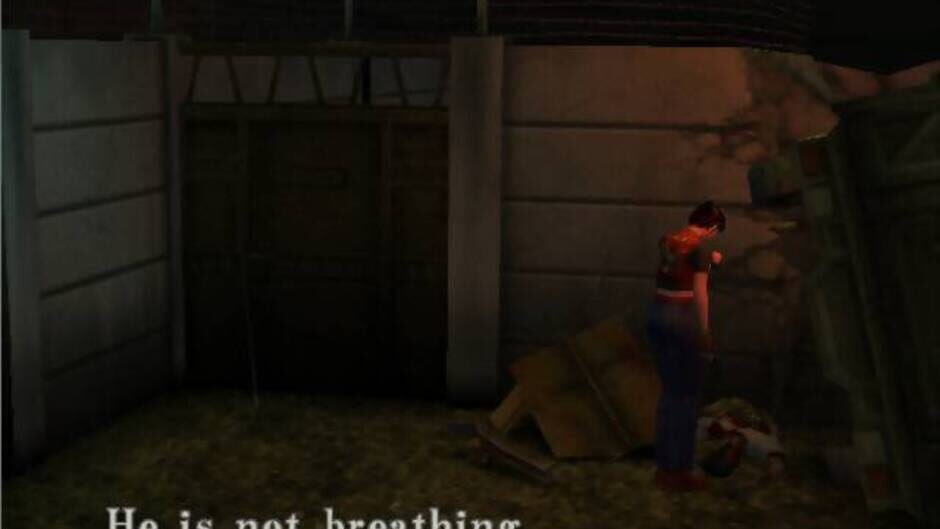
Rockfort Island forms the first major part of the adventure. The island contains a prison, military facilities, administrative buildings and several properties belonging to the Ashford family. As in previous installments, these locations form a connected structure in which discovered items, puzzles and locked passages regularly require players to return to areas they have already explored.
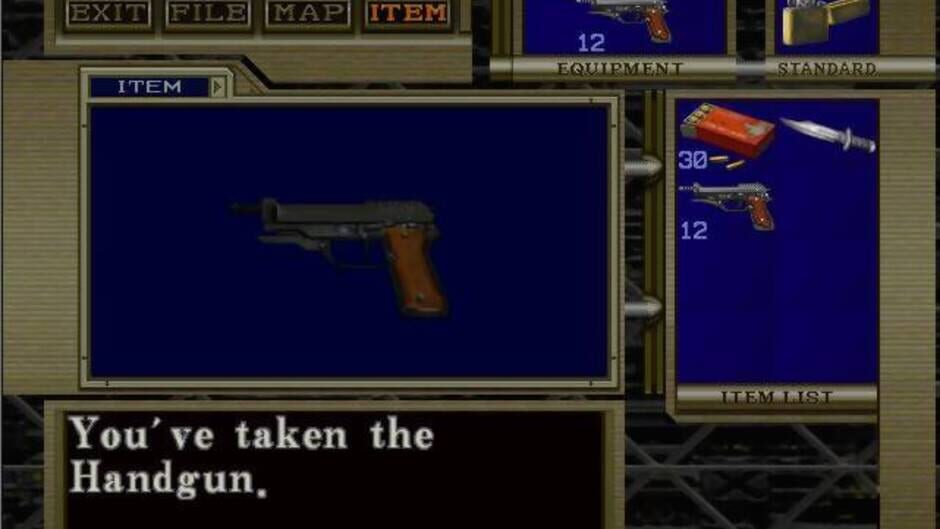
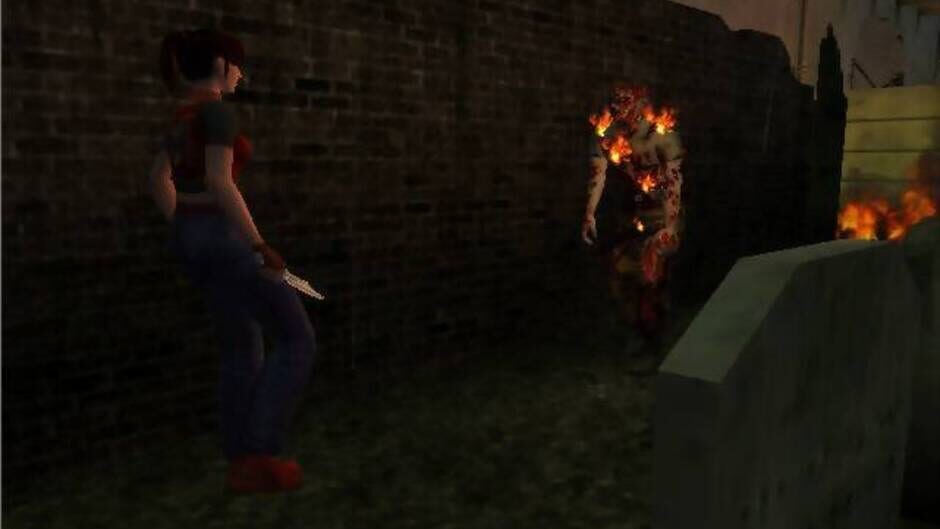
Code: Veronica therefore retains the classic survival horror structure developed by the series. Ammunition and healing supplies remain limited, the inventory requires players to select what they carry, and some enemies can be avoided to preserve resources. Progress depends as much on understanding the environments as on surviving direct encounters.
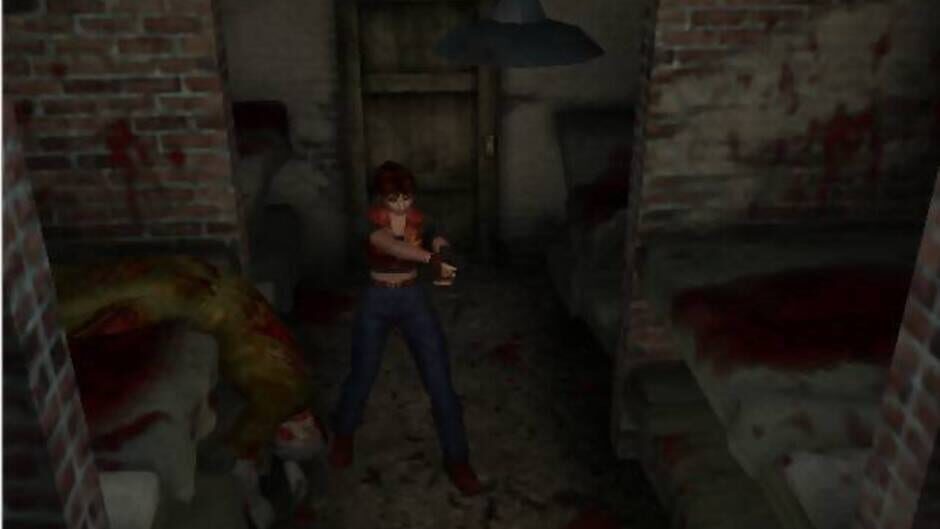
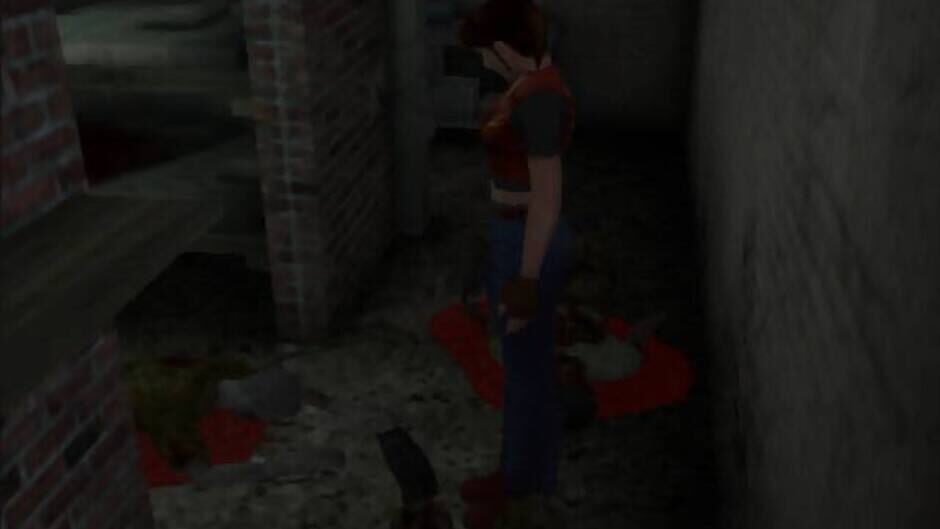
The technical evolution is significant, however. Unlike the earlier main installments, which combined 3D characters with pre-rendered backgrounds, Code: Veronica uses fully modeled environments rendered in real time. The game largely retains the series' controlled camera presentation, but the camera can now move or change position within the same scene.
This transition allows for more continuous spaces and camera movements that were impossible with the older static backgrounds without immediately abandoning the visual language of the early Resident Evil games. The result remains closely connected to classic survival horror in the way it controls the player's field of view while making greater use of the Dreamcast's capabilities.
The adventure does not rely solely on Claire. Chris Redfield also becomes playable during the story and continues certain events from another perspective. Unlike the separate campaign system used in Resident Evil 2, switching between characters forms part of a single continuous narrative and can affect how certain items and resources are managed.
The game also develops a new branch of its biological mythology through the Ashford family and the t-Veronica virus. The story explores the origins of this dynasty, its connection to Umbrella and the experiments conducted around this new virus. Alfred and Alexia Ashford therefore occupy central roles in a storyline more closely connected to the corporation's internal history.
Albert Wesker also returns following his role in the first Resident Evil. His presence resumes a confrontation left unresolved with Chris and demonstrates that the Mansion Incident did not end his activities. Code: Veronica therefore becomes an important installment in the continuity of several major characters despite its title existing outside the numbered series.
What to remember
- The return of Claire Redfield after Resident Evil 2, still searching for Chris and now directly confronting Umbrella facilities.
- An adventure beginning on Rockfort Island before expanding to other facilities connected to the Ashford family and the corporation's research.
- The transition to fully real-time 3D environments while retaining presentation and progression closely associated with classic survival horror.
- Claire and Chris Redfield as playable characters within a single continuous story rather than two independent campaigns.
- The introduction of the Ashford family and the t-Veronica virus, developing a new branch of Umbrella's biological research.
- The return of Albert Wesker, directly continuing several unresolved elements from the first Resident Evil and reinforcing Code: Veronica's importance within the main continuity.
Conclusion
Resident Evil Code: Veronica occupies a distinctive position in the series. It preserves most of the classic formula of the early games while benefiting from the technical generational change represented by the Dreamcast. Exploration, puzzles, limited resources and methodical movement remain central to the experience, but fully three-dimensional environments provide greater freedom in presentation.
Its importance also comes from its place in the story. Claire directly continues the journey begun in Resident Evil 2, Chris returns to the foreground and Wesker once again takes an active role. The game therefore does not function as an isolated side story despite the absence of a number in its title.
The Ashford family also expands Umbrella's history beyond the laboratories previously discovered around Raccoon City. Code: Veronica focuses more closely on the people and family lines connected to the corporation while introducing the t-Veronica virus as another variation of the biological research that structures the franchise.
In terms of gameplay, the installment remains far closer to Resident Evil 1, 2 and 3 than to the transformation that would arrive with Resident Evil 4. Cameras remain largely controlled, items require careful management and progression still depends heavily on backtracking and remembering how locations connect.
Code: Veronica therefore represents a form of culmination for classic Resident Evil before the series changed direction. It expands the universe, advances several major characters and modernizes its presentation without abandoning the principles that still defined Capcom's survival horror at the beginning of the 2000s.
Good to know
- Resident Evil Code: Veronica was originally released in February 2000 for Dreamcast and is titled Biohazard Code: Veronica in Japan.
- The game was directed by Hiroki Kato, with Shinji Mikami as producer and Noritaka Funamizu serving as general producer.
- Its story takes place in December 1998, only a few months after the destruction of Raccoon City.
- The main characters highlighted by Capcom are Claire Redfield, Chris Redfield, Steve Burnside and Albert Wesker.
- Code: Veronica was the first major Resident Evil installment to replace pre-rendered backgrounds with fully modeled real-time 3D environments.
- An expanded version titled Resident Evil Code: Veronica X was released in 2001 and notably added new scenes involving Albert Wesker; it was later ported to GameCube and re-released in high definition.
- Despite the absence of a number in its title, Code: Veronica directly continues several major storylines in the series and should not be regarded as a simple side story.
```