Presentation
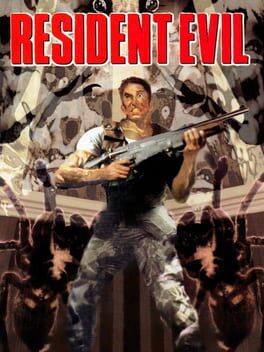
Developed and published by Capcom, Resident Evil was originally released for PlayStation in 1996 under the direction of Shinji Mikami. Known in Japan as Biohazard, its first installment already establishes the main foundations of a series that would remain closely associated with horror, biological experimentation, corporate conspiracies and characters confronted with situations far beyond their initial missions.
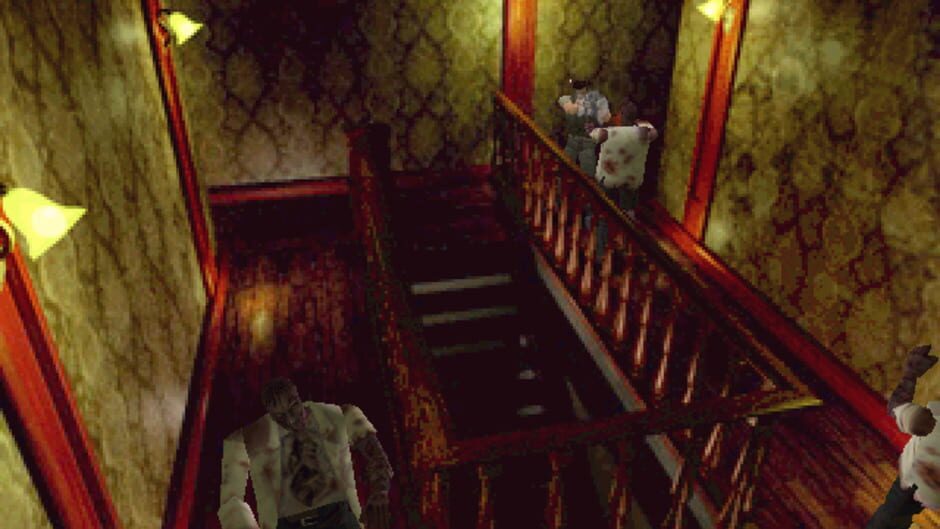
Most of the adventure takes place inside the Spencer Mansion and its surroundings. This gives the environment unusual importance: the building is not simply a sequence of rooms but an interconnected space that players gradually learn to understand. Some doors remain locked for long periods, objects found in one wing become useful elsewhere, and new passages change the way previously explored areas can be crossed.
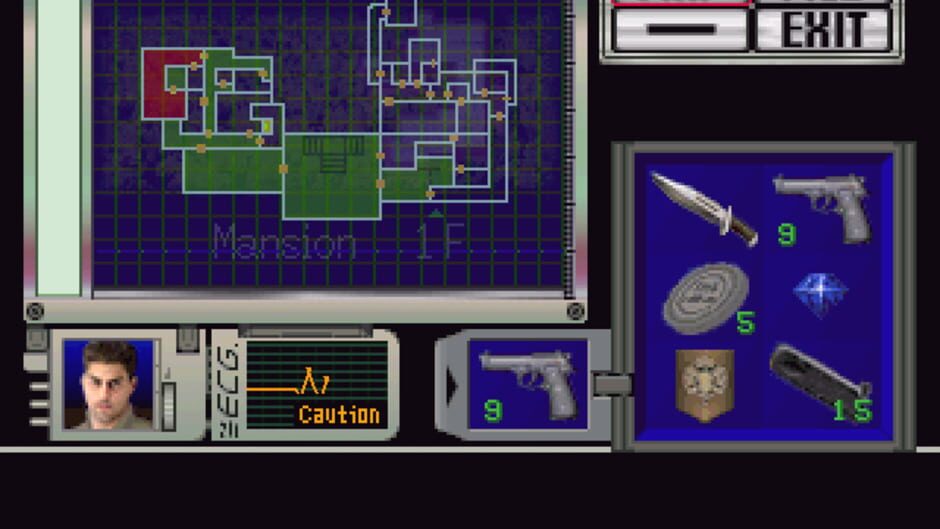
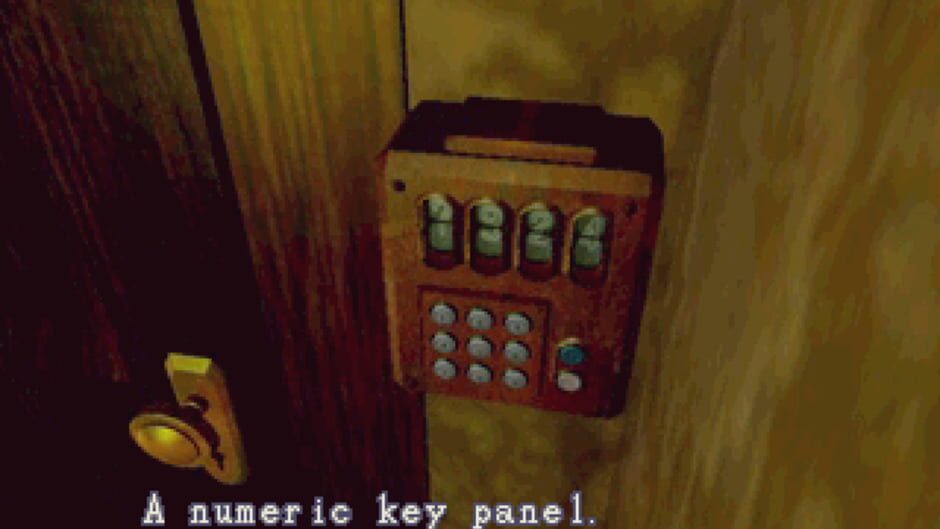
This structure places exploration on the same level as combat. Resident Evil does not simply ask players to eliminate every creature before reaching the next room. They must remember the layout, identify doors that cannot yet be opened, solve puzzles and decide which items to carry when limited inventory capacity makes it impossible to keep everything at once.
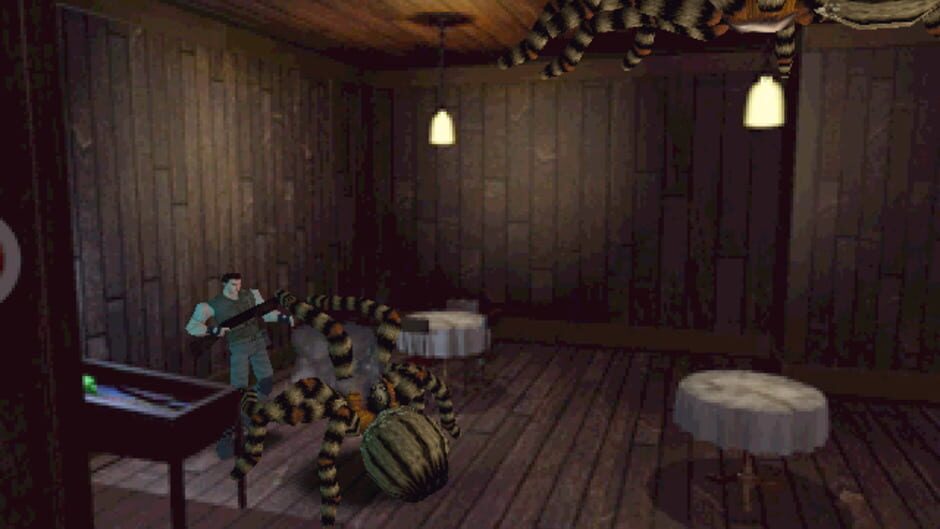
Resource management reinforces this approach. Ammunition and healing supplies are not provided in quantities that make every encounter trivial. Killing a zombie may secure a corridor that will be crossed repeatedly, but avoiding an enemy can preserve resources for a more dangerous situation. Part of the tension comes precisely from not knowing what may be required several rooms later.
Choosing between Jill Valentine and Chris Redfield also changes the experience. Both S.T.A.R.S. members investigate broadly the same incident, but their routes differ in inventory capacity, certain equipment, supporting characters and several situations. Jill notably has more storage space and receives assistance from Barry Burton, while Chris has a more restrictive inventory and interacts more extensively with Rebecca Chambers.
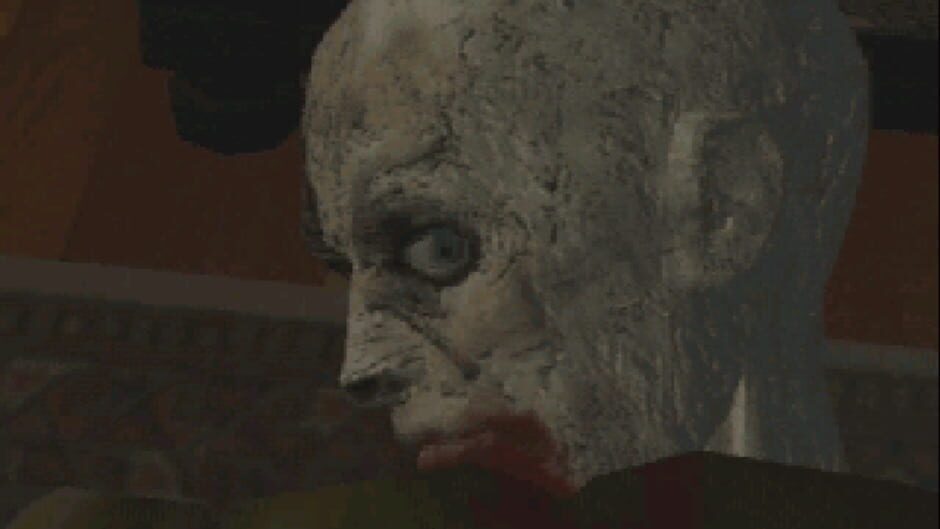
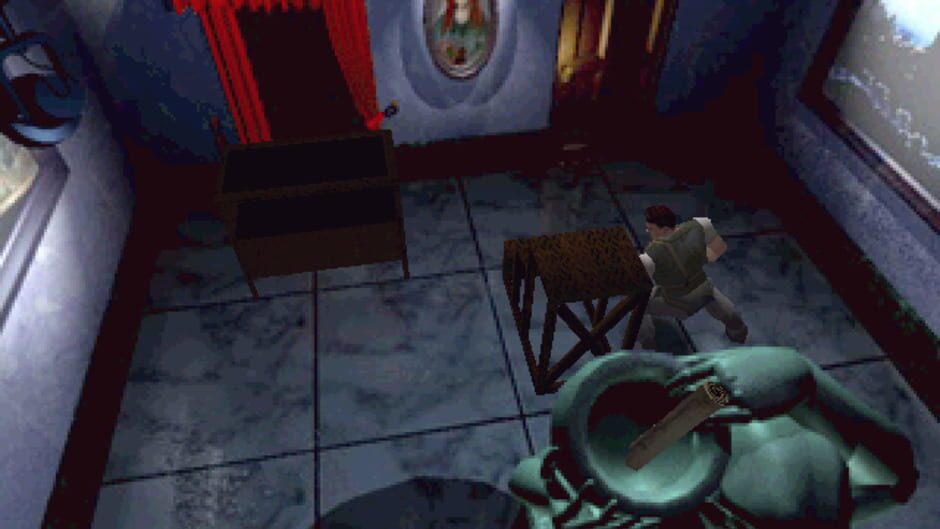
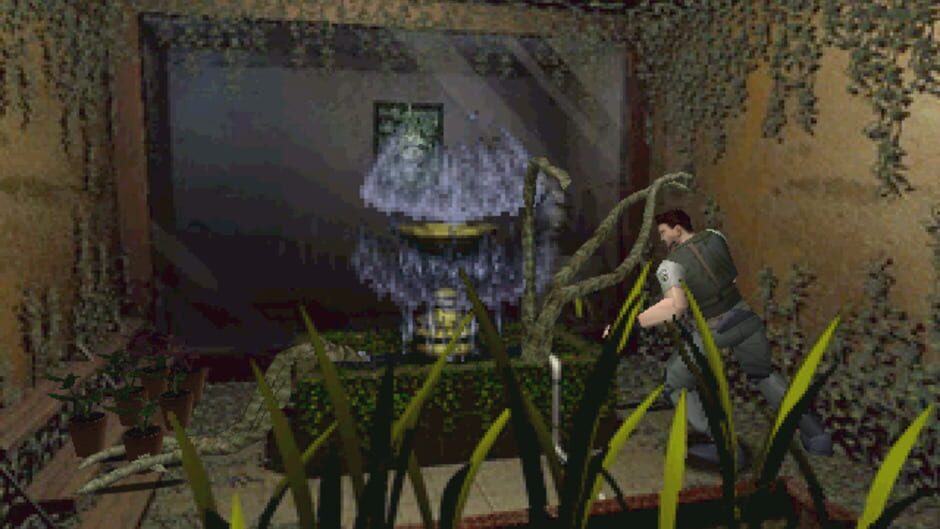
Presentation also plays a crucial role. Resident Evil uses 3D characters moving across pre-rendered backgrounds viewed through fixed camera angles. This technical solution allowed Capcom to create more detailed environments than a fully three-dimensional setting would have permitted on the hardware of the period, but it also directly serves the horror.
Players never have complete control over what they can see. A sound may come from somewhere outside the frame, a camera change can suddenly reveal a creature, and a familiar corridor can become unsettling simply because its composition hides part of the surrounding space. The camera is therefore more than a technical restriction: it actively contributes to the game's uncertainty.
Resident Evil also develops its story through encountered characters, observed events and numerous documents left throughout the mansion. Reports, notes and journals gradually reconstruct what happened to the people who worked or lived around the facilities. The narrative therefore advances through exploration as much as through scenes directly presented to the player.
This combination gives Resident Evil a distinctive rhythm. Danger can emerge suddenly, but much of the experience consists of quieter moments spent observing the environment, searching for an item, selecting a route or organizing the inventory. The game constantly alternates between understanding the space and temporarily losing control of it.
Capcom presented this formula in 1996 as survival horror. Resident Evil was neither the first horror video game nor the first to place players in a vulnerable position, but its success played a major role in popularizing the term and defining a combination of mechanics that would influence the genre for years.
What to remember
- A survival horror game built around exploring an interconnected environment rather than progressing through a sequence of independent levels.
- Two playable protagonists, Chris Redfield and Jill Valentine, whose routes include differences in progression, equipment and supporting characters.
- Deliberately restrictive ammunition, healing and inventory management that requires players to plan their movements and choose their battles.
- Pre-rendered environments and fixed camera angles used both for their technical advantages and to control presentation and what players are allowed to see.
- A narrative built heavily around exploration, recovered documents and the gradual discovery of the activities conducted within the mansion.
- The first installment of a series that already establishes S.T.A.R.S., Raccoon City, Umbrella, Chris Redfield, Jill Valentine and several fundamental elements of the Resident Evil universe.
Conclusion
Much of Resident Evil's effectiveness comes from the way it transforms a relatively limited setting into a constantly uncertain environment. The mansion gradually becomes familiar, but that knowledge never completely removes the danger: a new key, a different creature or an opened passage can change the way players perceive an area they thought they understood.
This design explains why exploration remains as important as combat. Survival is not simply a matter of carrying a sufficiently powerful weapon. Players need to know where they are going, what is worth carrying, which corridors are likely to be used repeatedly and which resources can still be preserved.
Its fixed cameras, characteristic movement and highly restrictive inventory clearly belong to the technical and design language of the 1990s. Yet these elements are not separate from the experience: they deliberately slow certain actions, restrict available information and make navigation more consequential than it would be in a game built around completely unrestricted movement.
The game also occupies an important place because much of the Resident Evil universe is already present in recognizable form. S.T.A.R.S., Chris, Jill, Wesker, Umbrella and biological weapons provide the first pieces of a story that would quickly expand beyond the Arklay Mountains and eventually far beyond Raccoon City.
Resident Evil therefore remains notable less because of any single mechanic than because of the coherence of the whole. Exploration, limited resources, puzzles, cameras, documents and creatures all support the same idea: placing players inside a location they must learn to understand well enough to have a chance of escaping.
Good to know
- Resident Evil was developed and published by Capcom under the direction of Shinji Mikami.
- The game was first released in 1996 for PlayStation and is titled Biohazard in Japan.
- The main story takes place on July 24, 1998, during the event later known as the Mansion Incident.
- Chris Redfield and Jill Valentine belong to the S.T.A.R.S. Alpha Team, a special unit of the Raccoon City Police Department.
- The game was later ported to Windows and Sega Saturn; a Nintendo DS version titled Resident Evil: Deadly Silence would also appear several years later.
- Resident Evil: Director's Cut was released for PlayStation in 1997 and includes, among other changes, variations in the placement of certain game elements.
- Resident Evil should not be confused with the 2002 remake, which follows the same broad story while substantially rebuilding the environments, presentation and part of the content.
```