In 1454, the Empire of Dagda stands on the brink of destruction after the resurrection of the demon god Balor. Answering Sothis's call, a soul discovers through the goddess Fortuna that a direct confrontation will not be enough to save the world. To change the future, it must travel five years into the past, to the time of the Dagsion Heroic Games, and alter the fates of four warriors: Cai, Dietrich, Theodora and Leda. Their separate stories then become the threads of a single struggle to prevent the coming catastrophe.
Video game
2026
Fantasy
RPG
Simulation
Tactical
Fire Emblem: Fortune's Weave
- Intelligent Systems Developer
- Nintendo Publisher
Four heroes, four destinies and a past to rewrite in a Fire Emblem where every battle can change the future.
Details
- Type
- Video game
- Release
- 2026-09-17
- Genres
- Fantasy, RPG, Simulation, Tactical
- Platforms
- Nintendo Switch 2
- Game modes
- Single player
Synopsis
Fire Emblem: Fortune's Weave
Trailer
Watch the trailer
Overview
Presentation
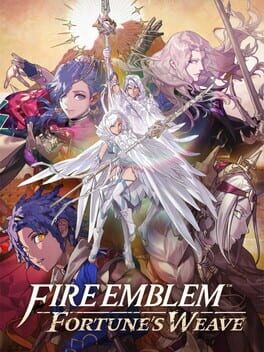
Fire Emblem: Fortune's Weave is a tactical RPG developed by Intelligent Systems that builds its adventure around four heroes, their individual destinies and a journey through time intended to prevent the destruction of the world.
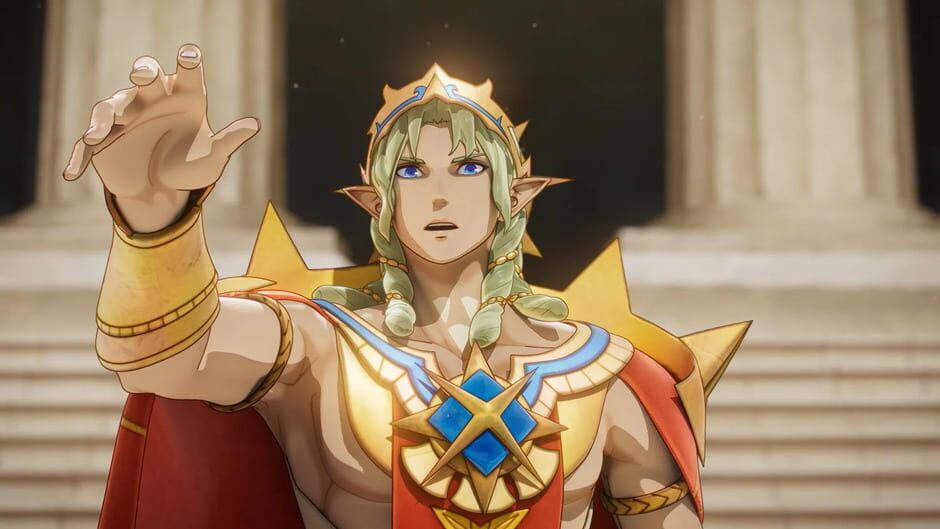
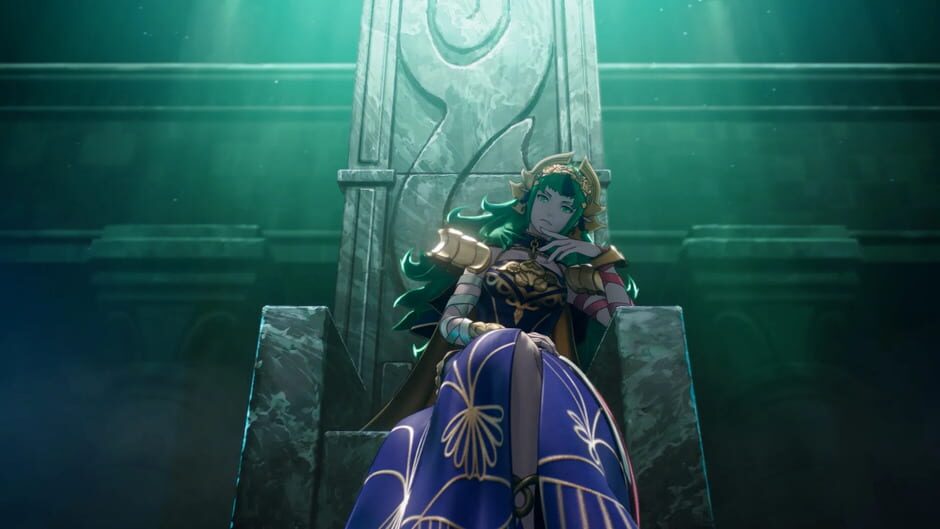
In 1454, the Empire of Dagda is devastated by the return of the demon god Balor. Through the time-manipulating powers of the goddess Fortuna, an alternative appears: travel five years into the past and alter the fate of warriors capable of taking part in the final battle.
The adventure therefore leads back to 1449, when the capital Dagsion hosts the Heroic Games. The winner of this competition is said to be granted a wish.
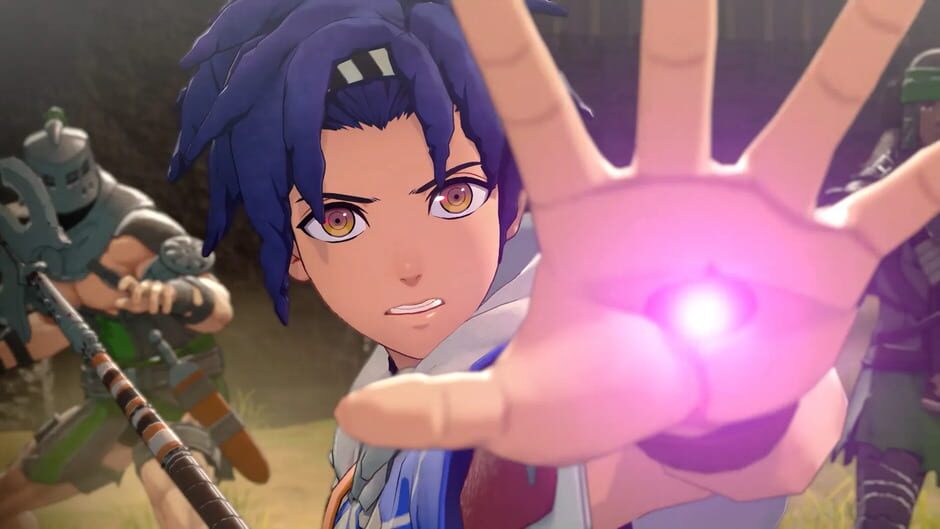
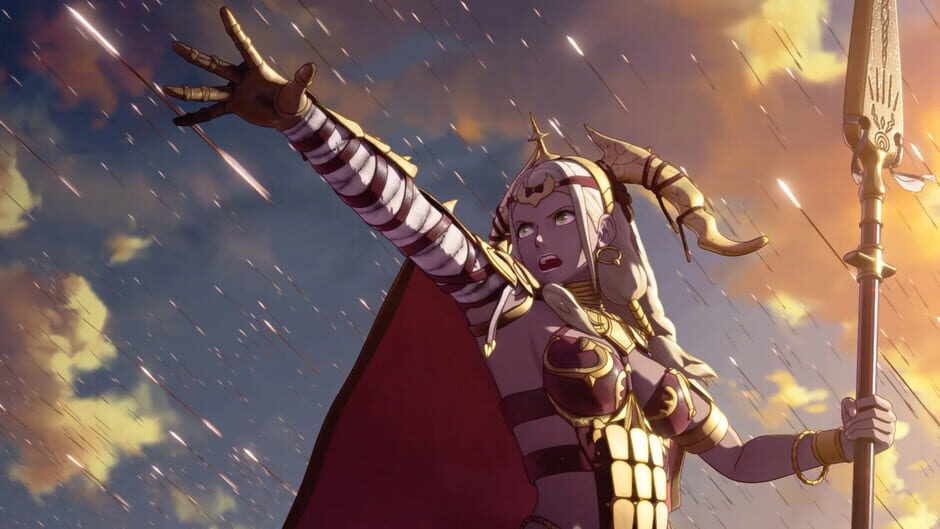
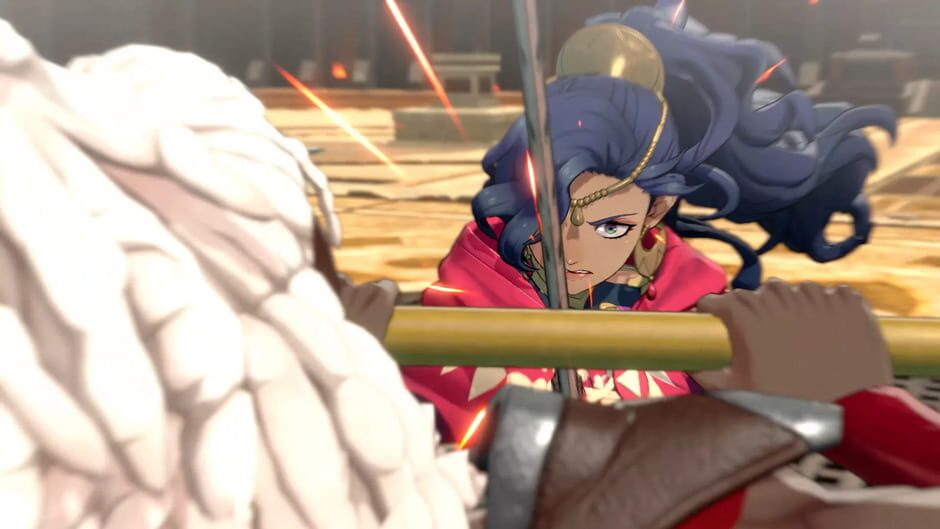
Four characters stand at the center of the story. Cai competes to free his imprisoned father, Dietrich seeks opponents capable of satisfying his love of battle, Theodora, queen of Saramis, acts to protect her kingdom and her faith, while Leda pursues the man responsible for her father's murder.
Each has their own narrative route. Outside battle, the player can switch between these stories from the White Raven's Roost, either following one route at a time or progressing through several destinies in parallel.
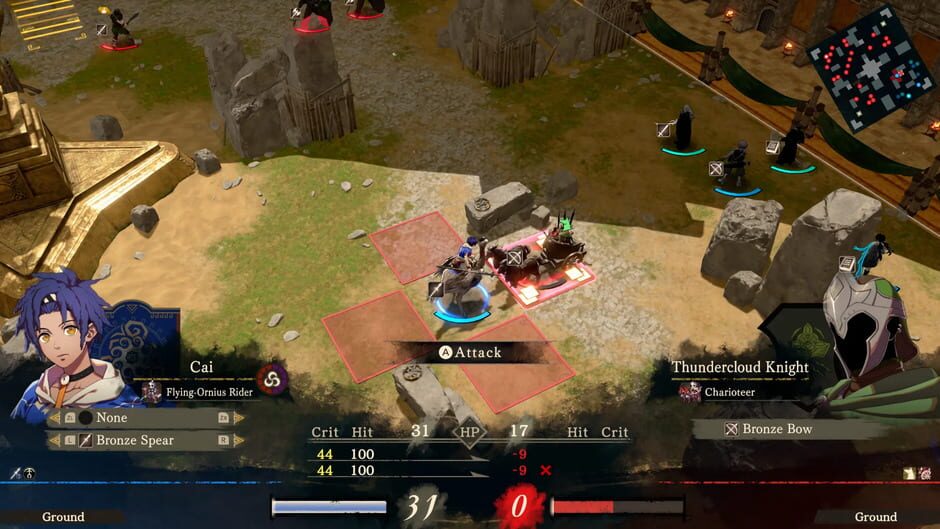
Battles retain the tactical core of Fire Emblem: units are deployed on a map and then moved turn by turn according to their class, weapons, range and terrain.
Cai, Dietrich, Theodora and Leda also possess powerful Blazing Abilities. Activating them requires sacrificing part of their health in exchange for effects capable of dramatically changing a tactical situation.
Between the trials of the Heroic Games, several days can be devoted to preparation. Units can train, learn new techniques, improve their weapon proficiency or change class through aptitude examinations.
Dagsion also allows players to buy equipment, receive blessings from different deities and meet numerous fighters who may eventually join the party.
Recruitment does not always rely on a simple request: certain characters must be won over through meals, gifts or interactions before agreeing to become allies.
Exploration extends beyond the capital. Villages, quests, exploration areas, treasures and upgrade materials encourage players to travel across the continent between major confrontations.
These areas also feature battles that operate differently from the main encounters, with alternating phases between both sides and the possibility for two units to cooperate in chained attacks.
Key points
- A turn-based tactical RPG in the Fire Emblem series.
- A story set in the Empire of Dagda.
- Two major periods: 1449 and 1454.
- The demon god Balor threatens to destroy the world.
- Fortuna uses her powers over time to alter the past.
- Four main heroes: Cai, Dietrich, Theodora and Leda.
- Four separate storylines that can be followed in the desired order.
- The Dagsion Heroic Games play a central role.
- Tactical battles based on classes, weapons, terrain and positioning.
- Powerful Blazing Abilities that consume health.
- Several days of preparation between major battles.
- Training, equipment and class changes.
- Additional characters can be recruited.
- Exploration of the continent, quests and material gathering.
- Secondary battles allow two units to perform chained attacks together.
Conclusion
Fire Emblem: Fortune's Weave combines the series' traditional tactical battles with a narrative structure built around four destinies that the player can progress separately or in parallel.
The Heroic Games serve both as a setting for battles and as a preparation period, with training, recruitment, equipment management, class changes and exploration across Dagda.
Time travel ultimately connects these four stories to the same catastrophe: changing the choices and paths of the heroes in 1449 in order to have, five years later, the forces needed to confront Balor.
Good to know
Fire Emblem: Fortune's Weave is developed by Intelligent Systems and published by Nintendo.
The game was released on September 17, 2026, exclusively for Nintendo Switch 2.
It is a single-player experience.
The adventure begins in a devastated future in 1454, before returning to the Heroic Games of 1449 in order to alter the destinies of Cai, Dietrich, Theodora and Leda.
Sothis plays a role in the mythological context of the story, while Fortuna possesses the power that makes it possible to act across time.
Outside battle, the player can freely switch between the four main storylines from the White Raven's Roost in Dagsion.
For the first time in the series, a Joy-Con 2 can be used as a mouse to select and move units across the battlefield. Players can switch at any time between this method and traditional controls.
The game also supports HDR display on compatible screens.
The European version notably includes text in French, English and Spanish, along with several other languages.
This entry focuses on the main campaign, the four heroes, the Heroic Games, time travel, tactical battles and the preparation systems of Fire Emblem: Fortune's Weave, without detailing every unit, class or narrative branch.