Presentation
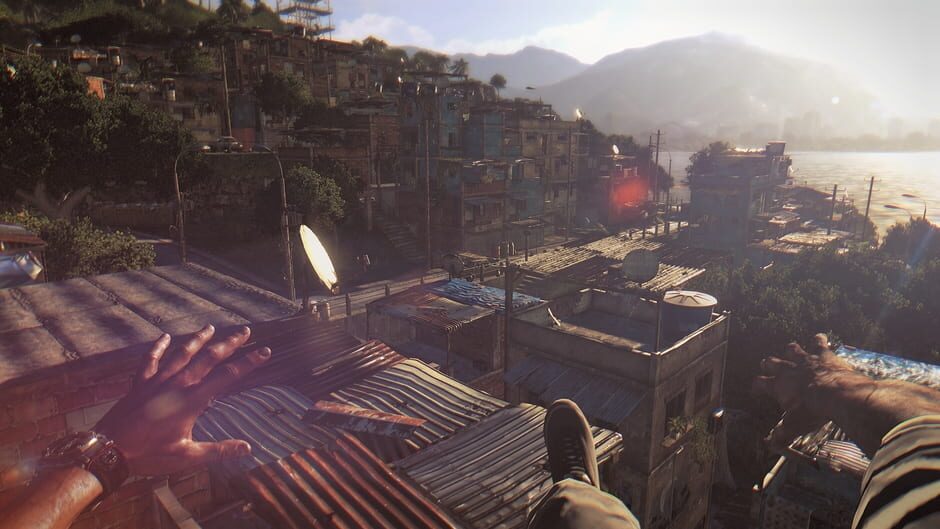
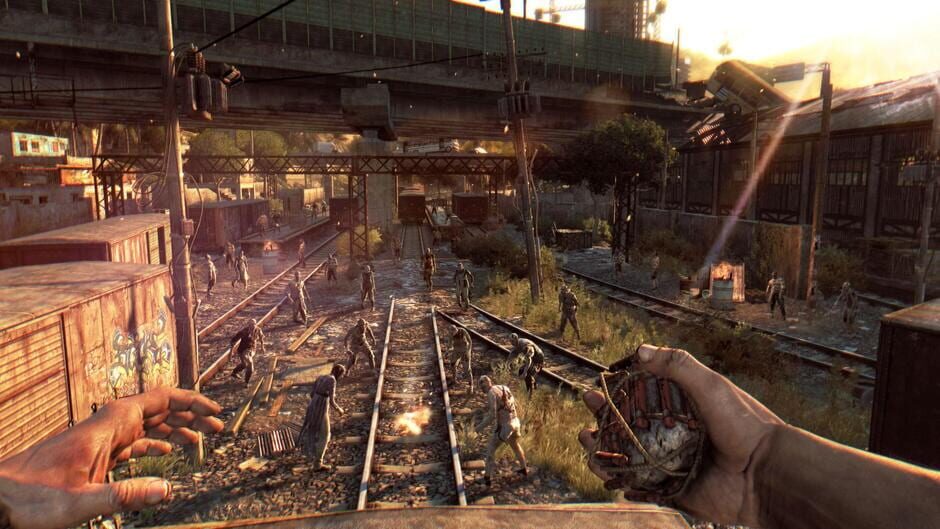
Dying Light immediately finds its identity in the way it allows players to move through Harran. Where many infected-themed games make the street the main space for travel, Techland builds a city designed to be explored vertically. Rooftops, balconies, façades, vehicles and walkways form a network of routes that Crane gradually learns to use through parkour.
This mobility is not simply a way to move faster. It is the player’s first real defense. Faced with several infected, running, climbing a wall or jumping to a nearby rooftop can be far more effective than staying on the ground to fight. As Crane’s abilities improve, Harran changes character: what initially feels like a dangerous maze gradually becomes a space the player learns to read in terms of routes and escape options.
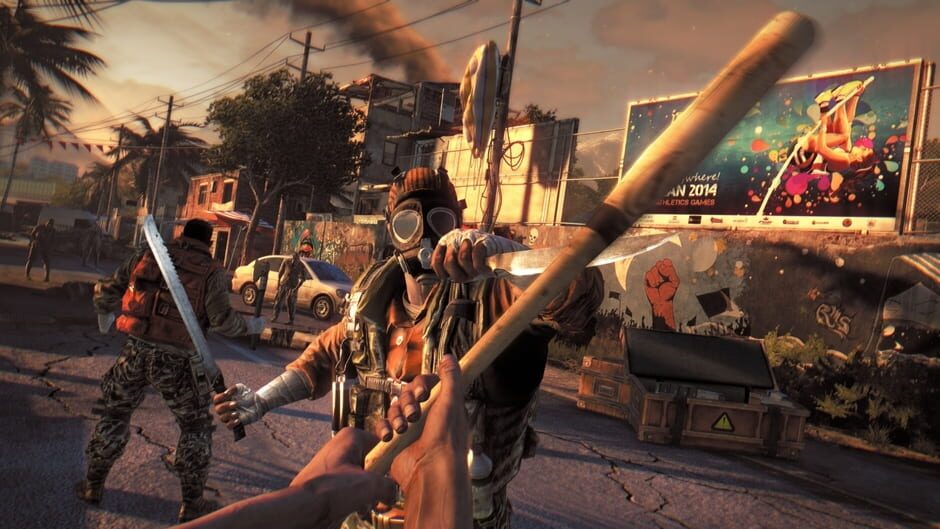
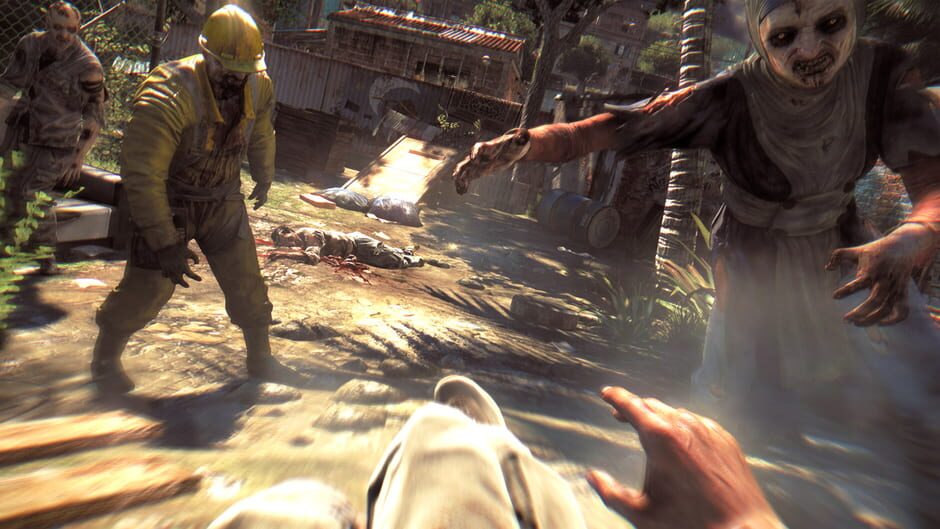
Combat focuses heavily on melee weapons. Pipes, hammers, machetes and numerous improvised objects have a strong physical impact, while crafting blueprints allow different equipment to be modified or created. Weapons wear down, and the resources needed for survival must be scavenged from buildings, vehicles and abandoned areas, regularly pushing the player away from the safest routes in order to search the city.
Progression directly reflects the actions performed. Running, climbing and using parkour develop agility-related abilities; fighting improves offensive skills; surviving and completing objectives unlock other abilities. This creates a particularly natural sense of growth: Crane becomes better at the activities the player actually practices, while new movements and possibilities gradually change the way Harran is approached.
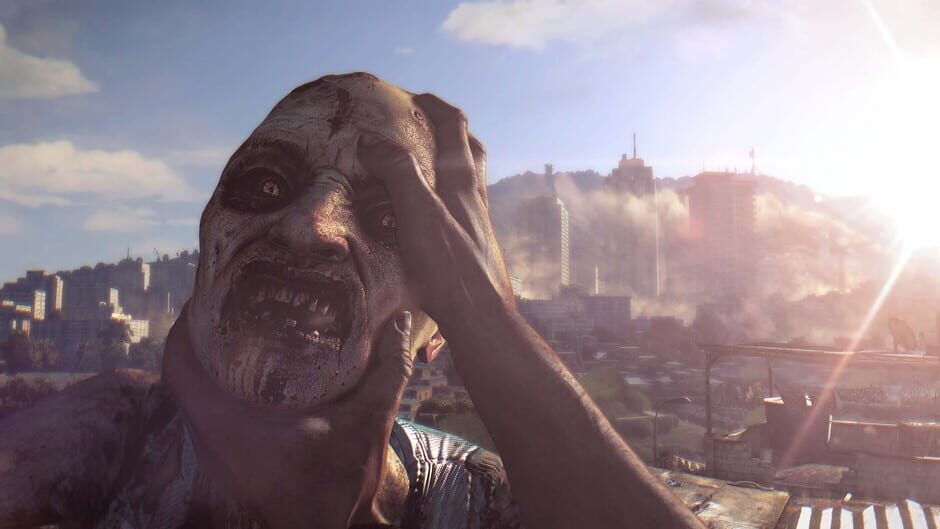
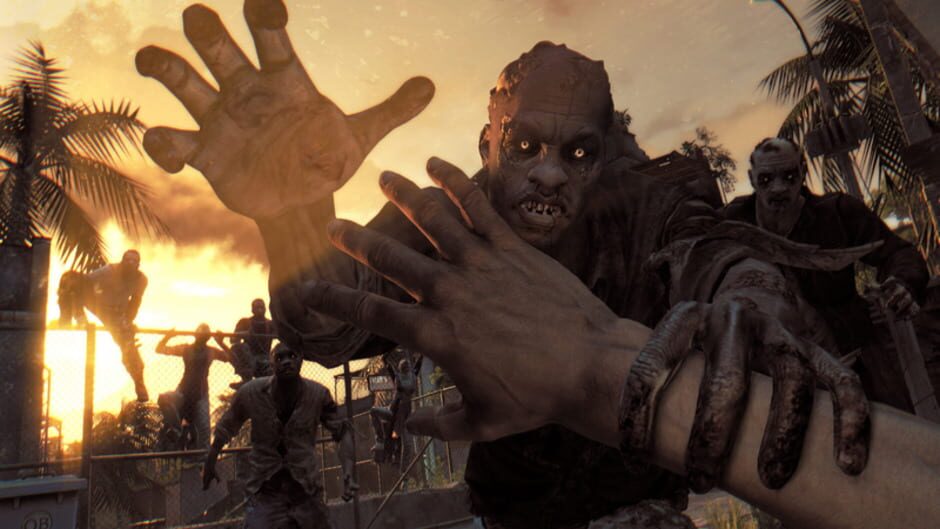
The day-night cycle, however, is the mechanic that transforms the experience most dramatically. During the day, the streets remain dangerous but relatively readable. Players can explore, gather resources and choose their fights more easily. At night, that balance disappears. Far more dangerous infected, particularly Volatiles, begin actively hunting Crane and can pursue him even across rooftops.
The same district therefore takes on an entirely different dimension. A route mastered in daylight can become a desperate escape after sunset, while darkness reduces the player’s ability to anticipate threats. This transformation gives time real importance: staying outside after dark is not simply a visual variation, but a decision that directly changes the rules of survival.
This tension does not prevent Dying Light from giving players considerable freedom. Missions may lead into dangerous areas, but much of the enjoyment also comes from detours: spotting an interesting building, searching for an entrance, reaching a difficult rooftop or improvising a new route when infected block the intended path.
Cooperation naturally extends this philosophy. Several players can explore Harran together, progress through the story and face the city’s dangers as a group. Yet even with company, the heart of the game remains the same: understand the space, stay mobile and know when a fight is actually worth taking.
What to remember
- An open-world action-survival game set in the fictional city of Harran, quarantined after an outbreak.
- Kyle Crane, an undercover agent whose mission gradually conflicts with his growing attachment to the survivors.
- A first-person parkour system that turns rooftops and façades into the main routes through the city.
- Combat focused mainly on melee weapons, scavenging resources and crafting equipment.
- A day-night cycle that radically increases the danger when far more lethal infected begin hunting the player.
- An adventure playable cooperatively with up to four players for much of the experience.
Conclusion
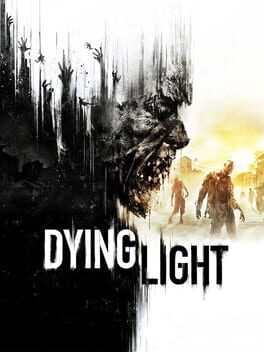
Dying Light does not simply add parkour to a game about infected creatures. Its entire identity is built around the way movement transforms survival. At first, Harran looks like a city full of obstacles; a few hours later, the player begins to see a railing, a van or a balcony as different stages in a possible route.
This evolution gives progression a particular value. Crane becomes faster and more capable, but the most important change happens in the player, who gradually learns not to treat every enemy as a mandatory fight. Escape is not failure: it is part of the game’s language.
Night brutally reminds the player of that fragility. Acquired skills make movement easier, but the arrival of Volatiles is enough to turn familiar territory into a hostile space. The contrast works because the game first gives players time to build confidence before showing how fragile that confidence can be.
Its open world can sometimes rely on familiar objectives, and the constant search for materials introduces a degree of repetition. But these systems remain tied to a coherent idea: surviving Harran means knowing the environment well enough to understand where to find what you need and, above all, how to disappear when things go wrong.
Dying Light therefore succeeds in making the city itself its most important tool. Weapons can help survive a fight; mastering the rooftops often means never having to fight it at all.
Good to know
- Dying Light was developed by Polish studio Techland.
- The game was originally released in 2015.
- Kyle Crane is the main protagonist, and his story takes place primarily in the quarantined city of Harran.
- Parkour is one of the central pillars of exploration, allowing buildings, façades and rooftops to serve as routes through the city.
- The day-night cycle directly changes the behavior of the world: once night falls, the player shifts much more clearly from hunter to prey.
- The adventure can be played cooperatively with up to four players for much of its content.