Overview
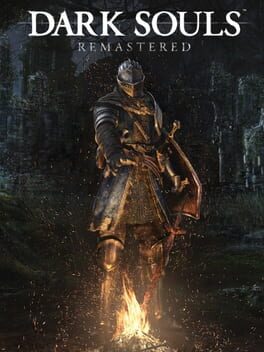
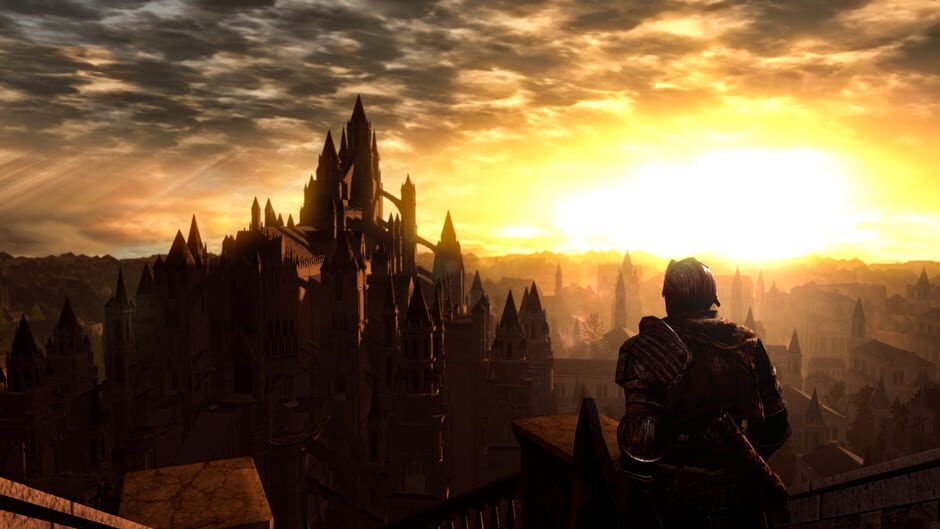
Dark Souls: Remastered brings the world, combat and progression of the original Dark Souls to a version designed for newer platforms. Lordran retains its interconnected structure, shortcuts, bonfires, soul system and balance between cautious exploration and stamina-based encounters, while the remaster mainly focuses on technical presentation and online features.
The game was released on May 23, 2018. The listed platforms are PlayStation 4, Xbox One, Nintendo Switch and PC. The associated genres are action, adventure, fantasy and RPG. The specified modes are Single player, Multiplayer and Co-operative. The listed engines are Proprietry in house engine and Havok Physics.
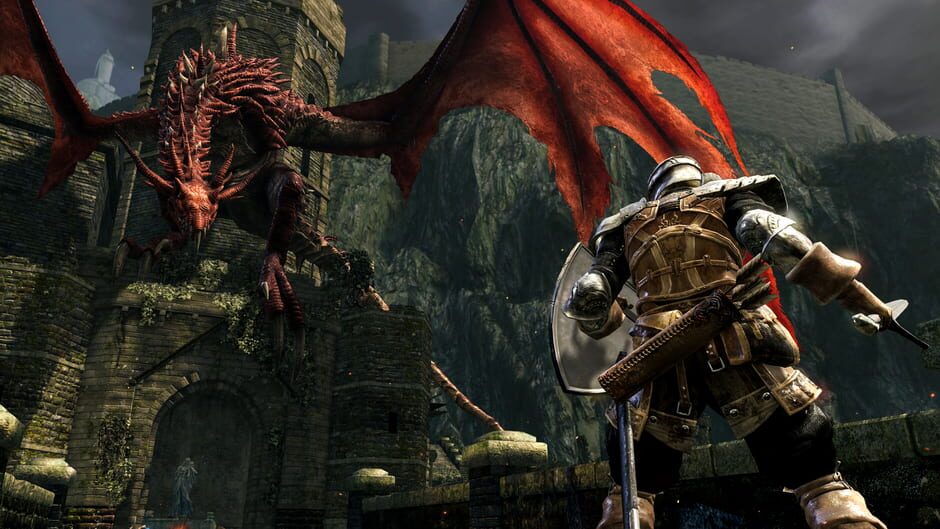
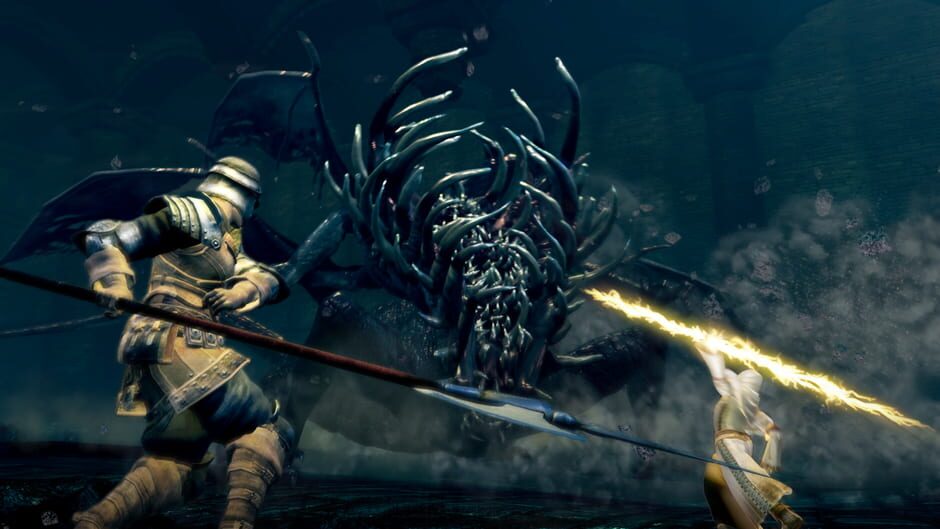
The visual modernization allows Lordran to be revisited with higher resolution and a reworked presentation. On PC, the version is presented with 60 frames per second, while PlayStation 4 Pro, Xbox One X and PC can use dynamic resolution up to 4K depending on the platform and configuration.
The Nintendo Switch version follows a different technical approach in order to support play both on a television and in handheld mode. It runs at 1080p in TV mode, 720p in handheld mode and at 30 frames per second.
The content is not limited to the main adventure. Artorias of the Abyss is included directly in Dark Souls: Remastered, bringing together the base game and the expansion released for the original edition in a single version.
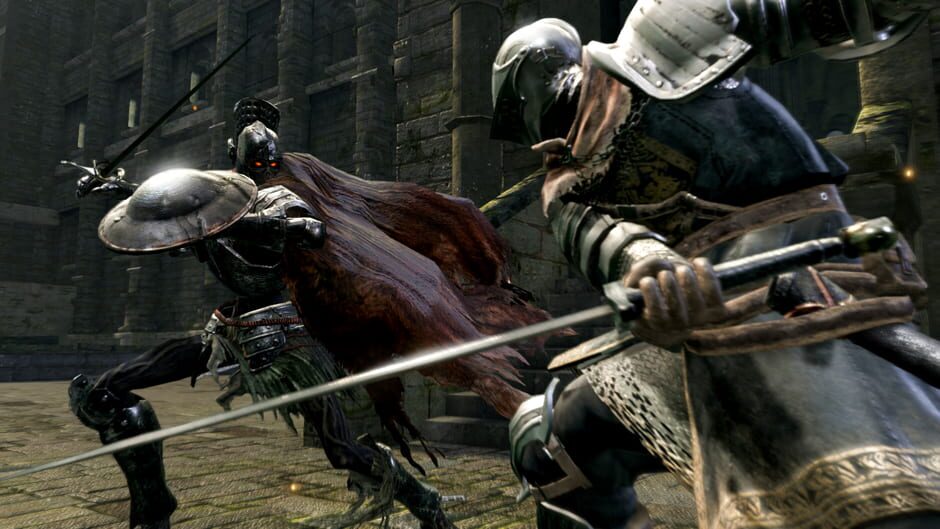
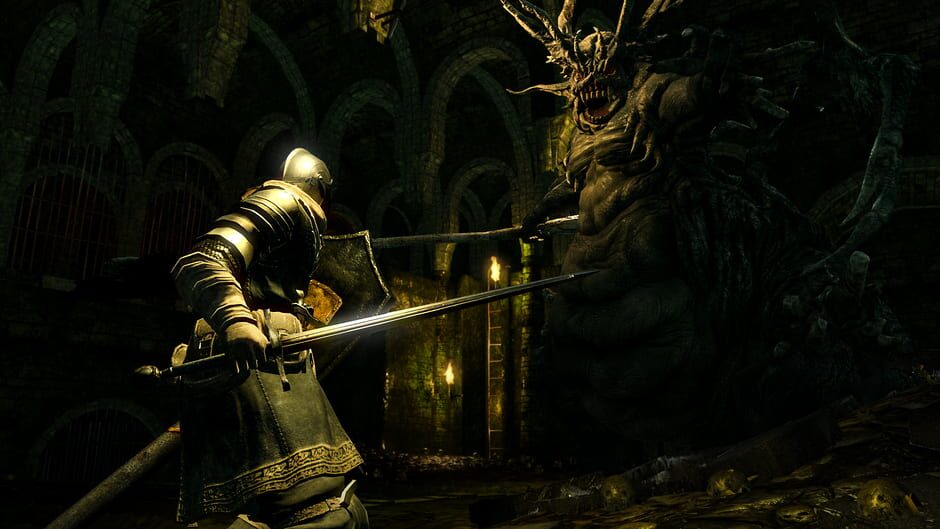
The fundamental systems remain those of Dark Souls. Combat relies on stamina, positioning, dodging and blocking, while each weapon has its own rhythm, range and animations. Equipment weight also affects character mobility and the way encounters are approached.
Souls retain their dual role as a progression resource and currency. They are dropped at the place of death and can be recovered by returning there; dying a second time before retrieving them causes them to disappear.
Bonfires continue to structure progression through Lordran. They serve as resting points, restore key resources and respawn most ordinary enemies. Discovering doors, elevators and shortcuts gradually reshapes the routes between these resting points.
The remaster also preserves the Humanity system, Covenants and online interactions that connect multiplayer directly to exploration. Players can leave messages, glimpse traces of other adventurers, summon allies or be invaded without leaving the main progression.
This online dimension is where Dark Souls: Remastered introduces one of its clearest changes. Multiplayer can bring together up to six players and relies on dedicated servers, increasing the number of participants who can be involved simultaneously in certain situations.
The nine Covenants present in the game continue to shape several forms of online interaction. Depending on the chosen allegiance, relationships with other players can favor cooperation, invasion, defense of certain areas or other forms of confrontation.
The Switch version also retains these network features with support for up to six participants and its own server system, while adding the ability to explore Lordran on the go.
Dark Souls: Remastered therefore does not transform the fundamental rules of the adventure. Its role is rather to bring together the game and its expansion in a version adapted to newer platforms, with a modernized technical presentation and expanded multiplayer infrastructure.
Key takeaways
- Dark Souls: Remastered preserves the world, combat and progression of the original Dark Souls.
- Lordran remains built around interconnected areas, shortcuts and bonfires.
- The PC version is presented at 60 frames per second.
- PlayStation 4 Pro, Xbox One X and PC can use dynamic resolution up to 4K.
- The Nintendo Switch version runs at 1080p in TV mode, 720p in handheld mode and 30 frames per second.
- Artorias of the Abyss is included directly in this edition.
- Multiplayer can support up to six players.
- Online features use dedicated servers and remain integrated into the exploration of Lordran.
Conclusion
Dark Souls: Remastered preserves the systems that structure the original game rather than replacing them. Stamina management, soul loss and recovery, bonfires, shortcuts and character building follow the principles of the original journey through Lordran.
The remaster mainly changes the conditions in which that adventure is experienced. Higher resolution, frame rates adapted to modern platforms and a portable version on Nintendo Switch renew its presentation without rebuilding its underlying systems.
The inclusion of Artorias of the Abyss and the expansion of multiplayer to up to six participants complete this edition by bringing together more content and stronger network infrastructure around the original experience.
Good to know
- Dark Souls: Remastered was released on May 23, 2018.
- The listed platforms are PlayStation 4, Xbox One, Nintendo Switch and PC.
- The associated genres are action, adventure, fantasy and RPG.
- The specified modes are Single player, Multiplayer and Co-operative.
- The listed engines are Proprietry in house engine and Havok Physics.
- Artorias of the Abyss is included with the base game.
- Multiplayer can support up to six players on dedicated servers.
- The Nintendo Switch version supports both TV mode and handheld mode.