Presentation
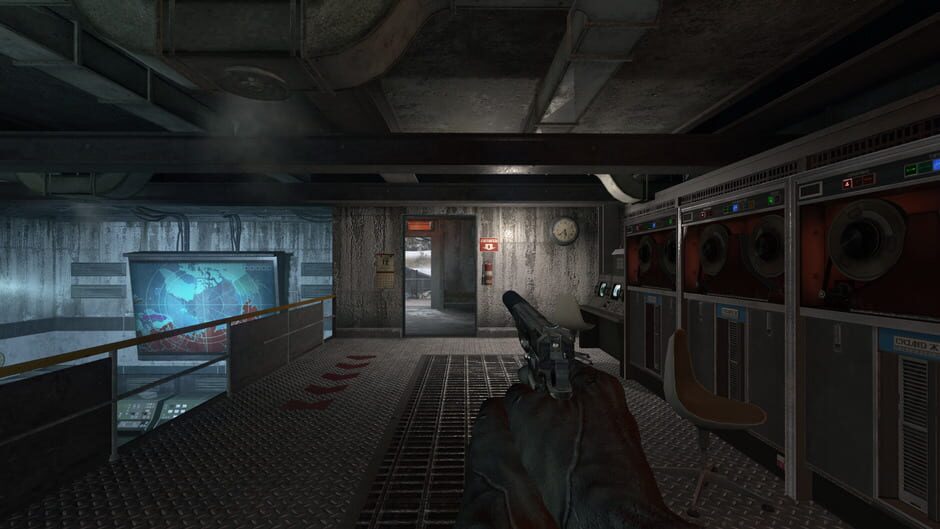
With Call of Duty: Black Ops, Treyarch moves the series toward a deliberately murkier form of warfare. Large-scale military operations remain spectacular, but they exist alongside assassinations, infiltrations, interrogations and covert missions whose very existence can be denied. The Cold War therefore becomes an ideal setting for a story built around secrecy and distrust.
The campaign adopts a fragmented structure that reflects Mason's mental state. The interrogation serves as the narrative thread while the missions gradually reconstruct his past. The player moves through different periods and regions without always having the context needed to immediately understand what is happening. This structure allows the story to play with memory, perception and the reliability of its protagonist without abandoning the spectacular pace associated with Call of Duty.
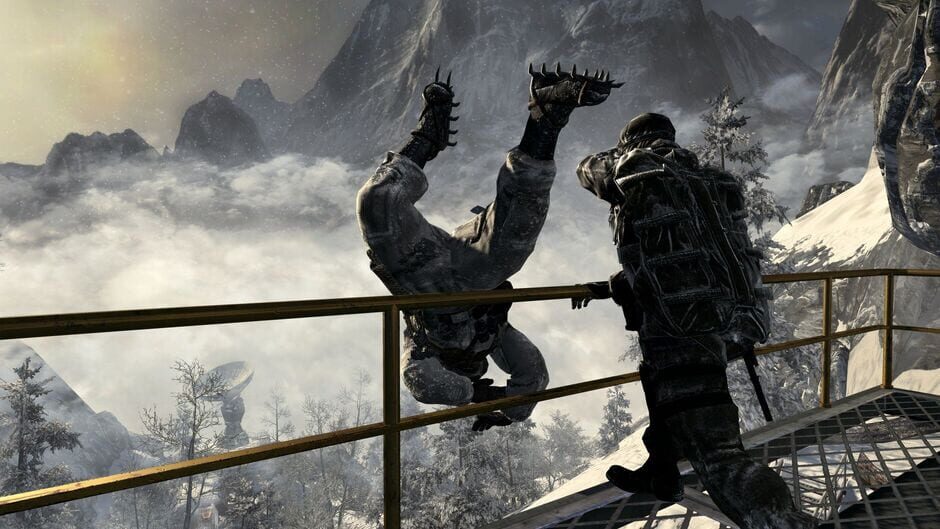
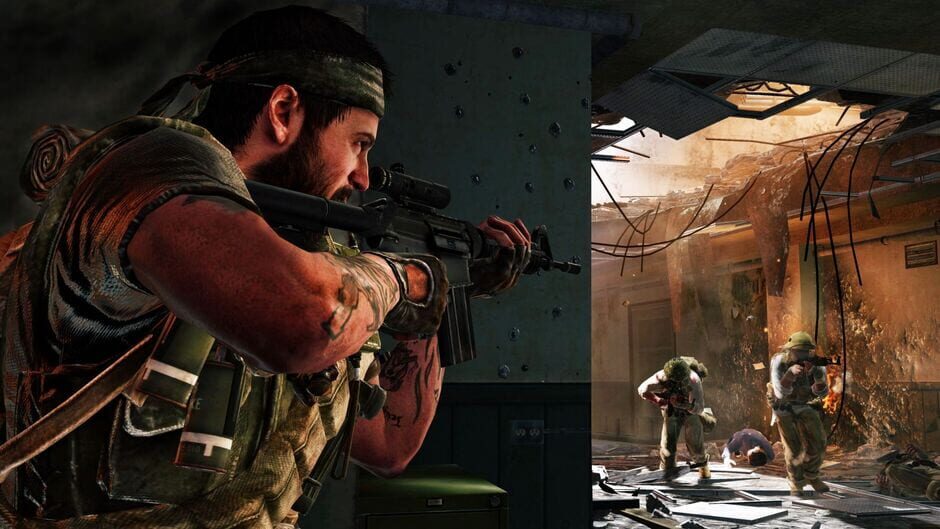
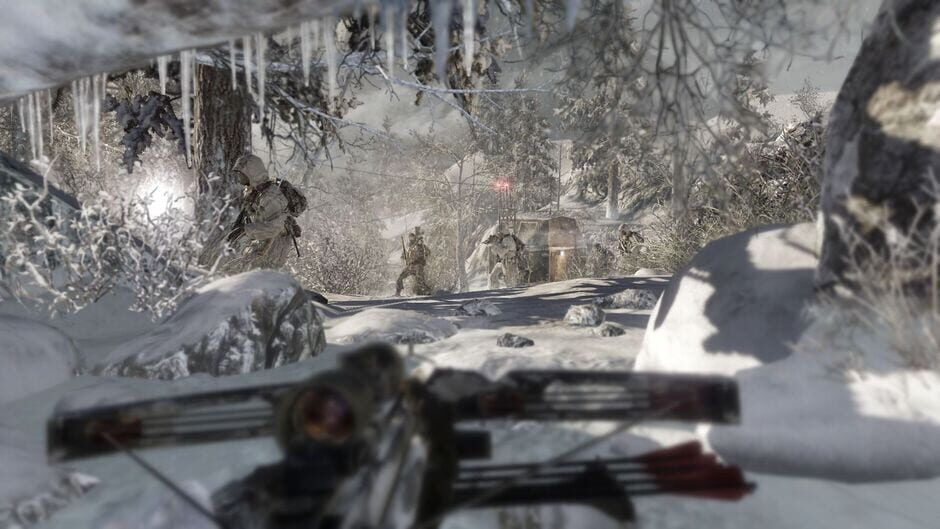
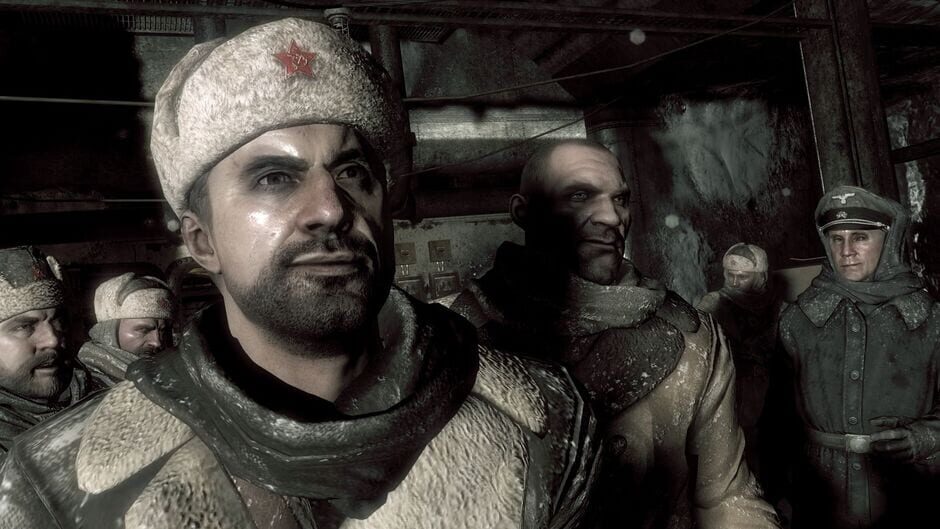
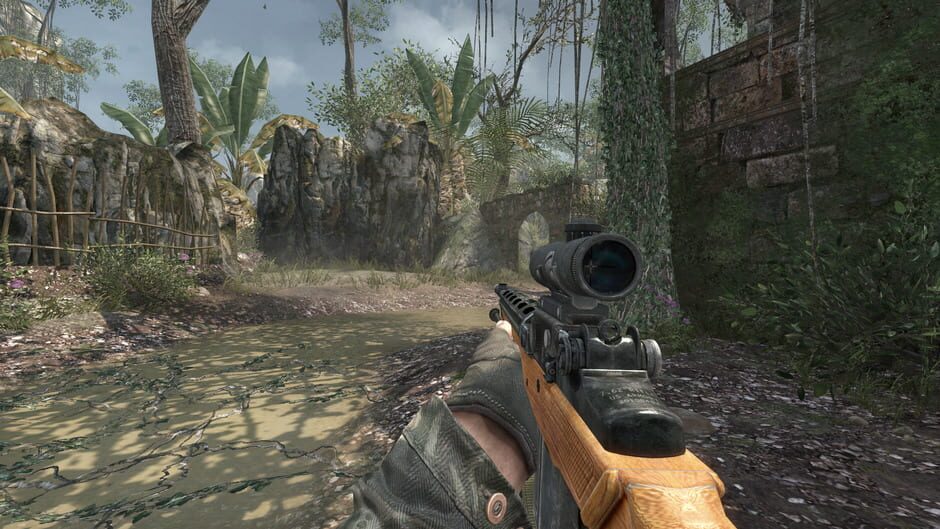
The missions retain a strong sense of staging, but their variety gives the campaign a distinctive personality. Urban combat, jungle operations, the escape from Vorkuta and more discreet interventions create very different situations. Several historical figures and real events are incorporated into this fiction, which deliberately takes major liberties in order to build its espionage thriller.
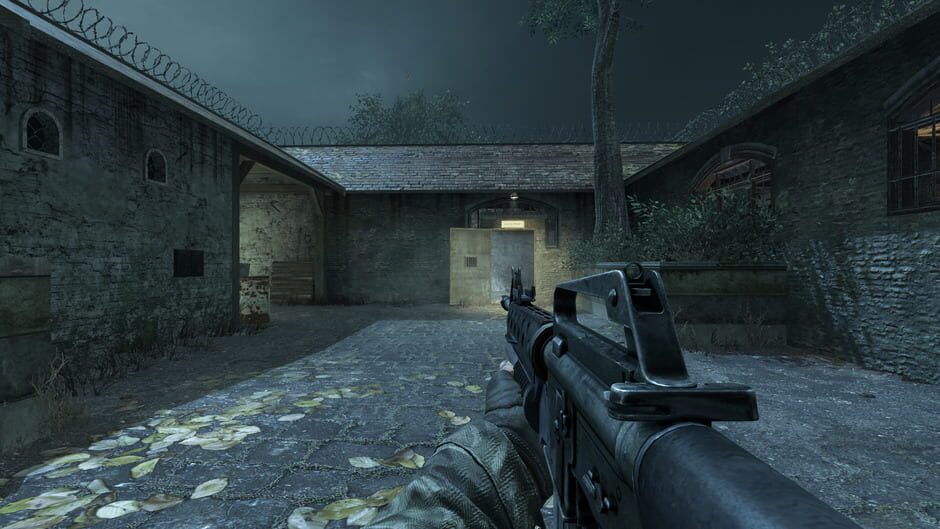
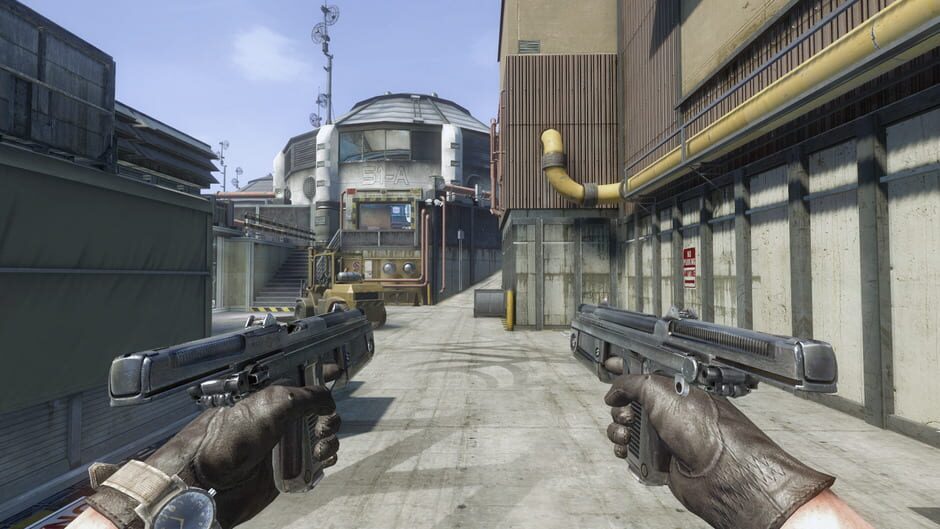
Multiplayer represents the other major pillar of the experience. It retains the series' fast-paced confrontations across compact maps, custom classes and a progression system that unlocks weapons and equipment. Black Ops develops its own identity through Cold War-inspired environments and maps that became strongly associated with this installment, particularly Nuketown.
Zombies mode, previously introduced by Treyarch in World at War, returns with a much stronger presence. Up to four players must survive successive waves of undead while gradually opening new areas, acquiring weapons and trying to extend their run. Behind this immediately accessible structure, a deliberately mysterious universe also develops, filled with secrets and narrative elements to uncover.
Campaign, multiplayer and Zombies therefore have very different tones, but together they shape the identity of Black Ops. The game preserves the immediate effectiveness of the military FPS while giving Treyarch room to develop a darker, more paranoid and sometimes openly strange aesthetic.
What to remember
- A campaign set during the Cold War and centered on the fragmented memories of agent Alex Mason.
- An espionage story combining covert operations, psychological manipulation and reinterpreted historical events.
- A narrative structure built around an interrogation and the mysterious sequence of numbers haunting Mason.
- Competitive multiplayer based on fast-paced combat, custom classes and continuous progression.
- The return of Treyarch's Zombies mode, playable cooperatively and gradually established as one of the defining pillars of Black Ops.
- A more paranoid and psychological tone that clearly distinguishes the game from the series' more conventional military narratives.
Conclusion
Call of Duty: Black Ops retains everything the series was particularly good at by that point: rapid pacing, large-scale spectacular sequences and combat designed to keep the player constantly under pressure. But its identity comes mainly from what it places around that formula. Here, war is not fought with weapons alone; it also depends on information, deception and the ability to manipulate what an individual believes they have experienced.
The campaign sometimes pushes its staging very far and does not always seek historical plausibility. Instead, it uses the Cold War as raw material for a military thriller where real figures, historical events and conspiratorial fiction become intertwined. This freedom gives it an immediately recognizable tone.
The overall package also offers remarkable variety. Multiplayer provides a direct competitive experience, while Zombies develops almost like a parallel game built around cooperation, survival and the discovery of secrets. These three components largely helped give the Black Ops name a distinct identity even within Call of Duty itself.
More than its historical setting, it is ultimately the game's fascination with doubt that defines it. When memories themselves can become suspect, understanding what truly happened becomes almost as important as surviving the next firefight.
Good to know
- Call of Duty: Black Ops was developed by Treyarch and published by Activision.
- The game was released on November 9, 2010.
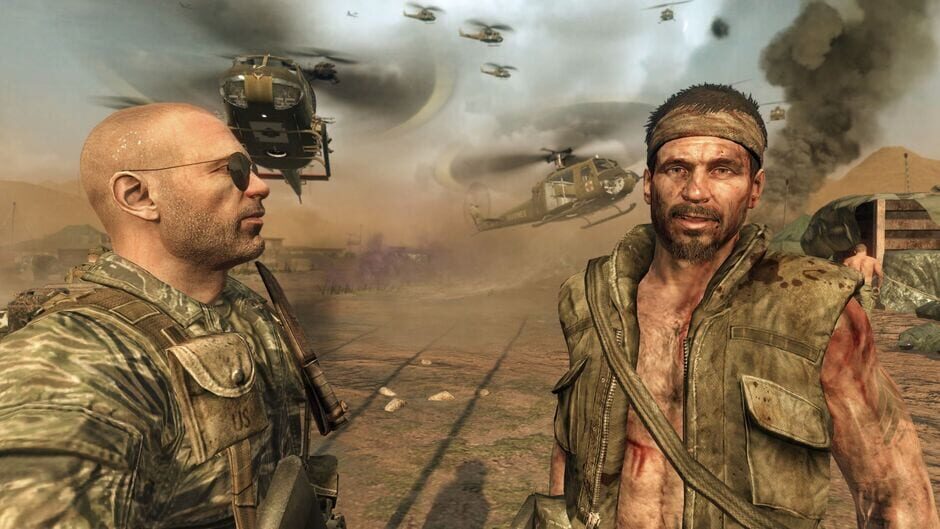
- Alex Mason is the central character of the campaign, alongside figures such as Frank Woods and Jason Hudson.
- The story takes place mainly during the Cold War and follows up on certain characters and elements introduced in Call of Duty: World at War.
- Zombies mode expands on the concept introduced in World at War, with cooperative matches supporting up to four players.
- Black Ops established a major branch of Call of Duty, with its story and several characters returning in later installments.