



Presentation
Walt Disney Feature Animation was the former name of The Walt Disney Company's division responsible for producing animated feature films. Adopted during the 1980s to distinguish feature animation from television production, the name represents an important period in Disney's history.
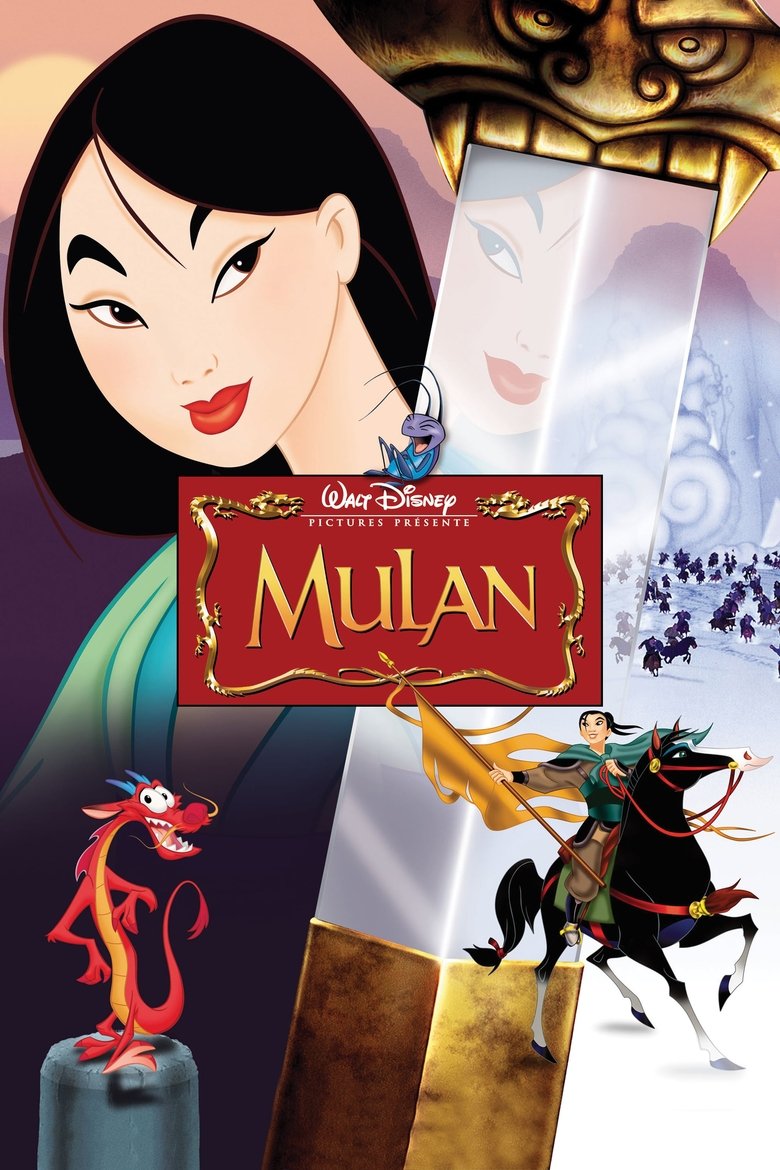
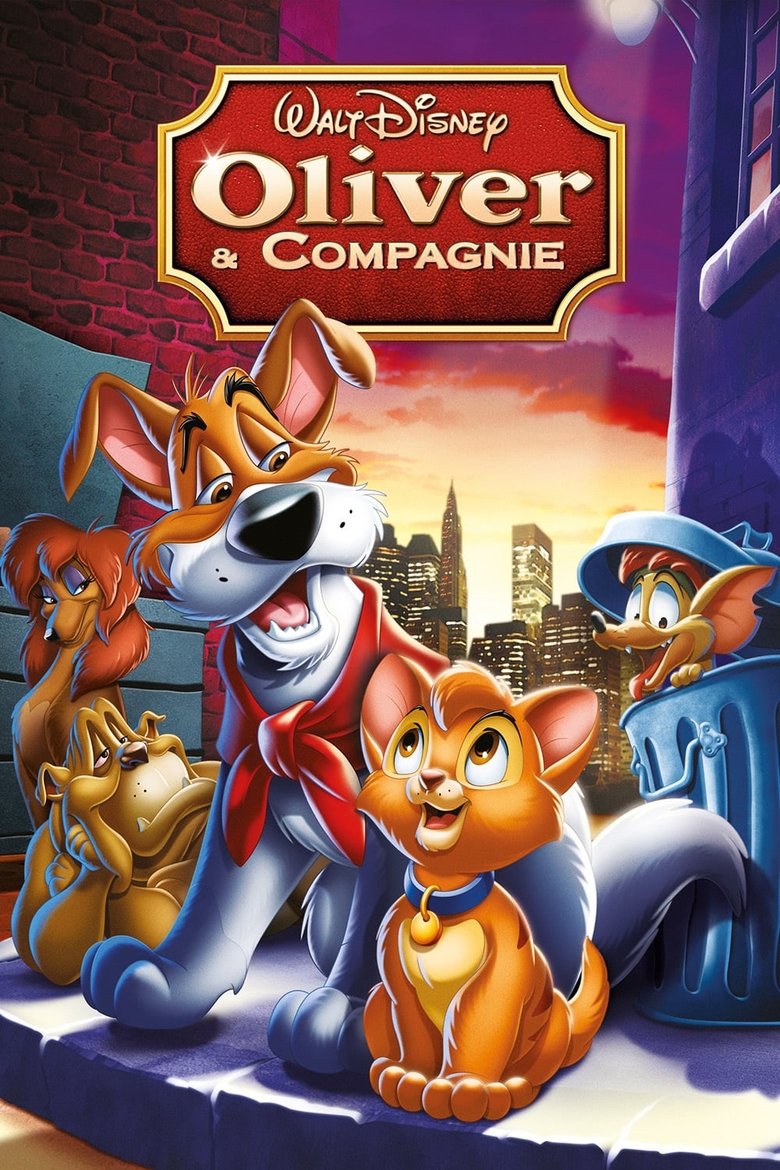
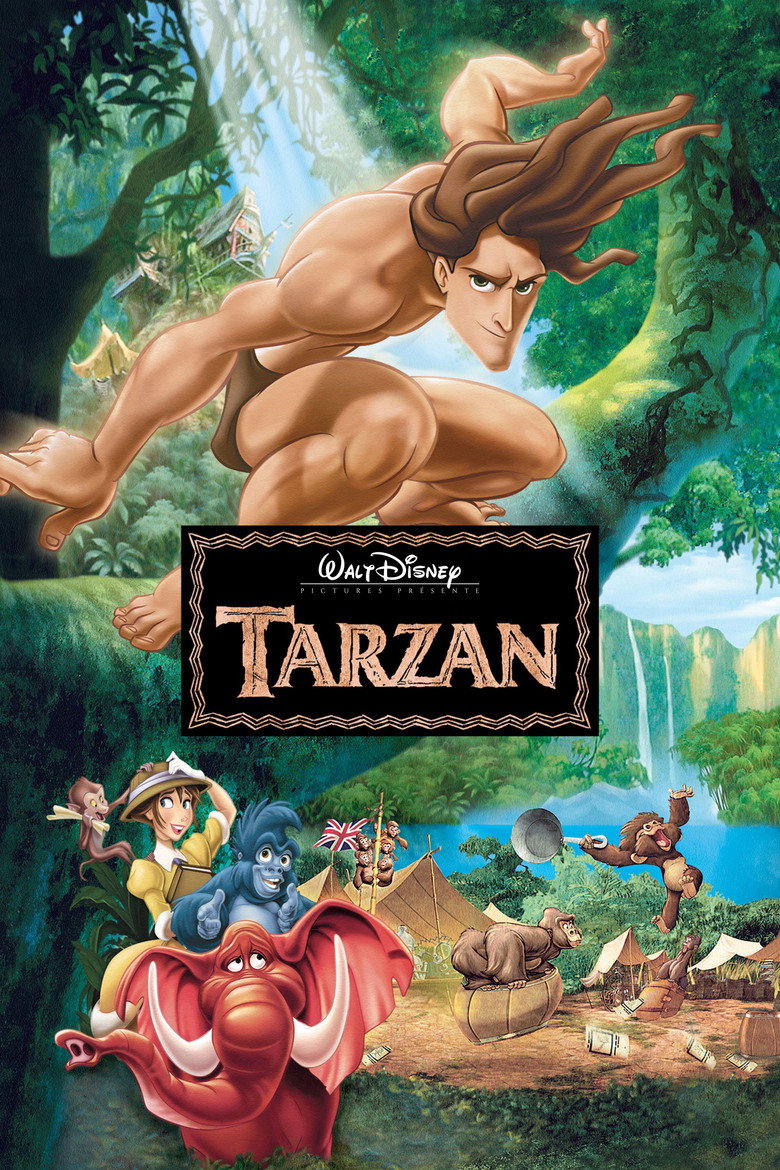
The division was associated with films including Oliver & Company (1988), The Little Mermaid (1989), Aladdin (1992), The Lion King (1994), Mulan (1998) and Tarzan (1999). These productions contributed to the commercial and artistic revival of Disney animation, particularly during the 1990s.
In 2007, Walt Disney Feature Animation was renamed Walt Disney Animation Studios. This was a continuation of the historic studio rather than the foundation of a separate company.
History
The 1980s — Reorganization and Revival
Disney's animated feature-film operations trace their origins to Snow White and the Seven Dwarfs (1937). During the 1980s, the division adopted the name Walt Disney Feature Animation to distinguish its activities from Walt Disney Television Animation.
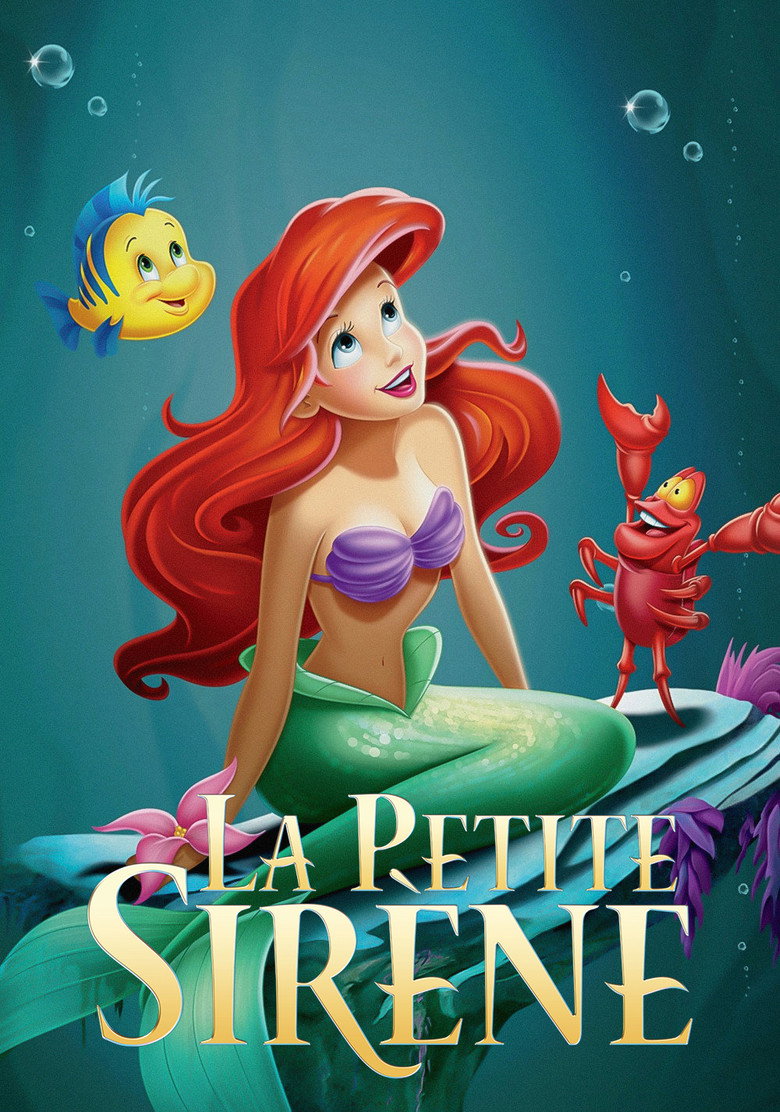
After The Great Mouse Detective (1986) and Oliver & Company (1988), The Little Mermaid (1989), directed by John Musker and Ron Clements, marked the beginning of a new period of success.
1990–1999 — The Disney Renaissance
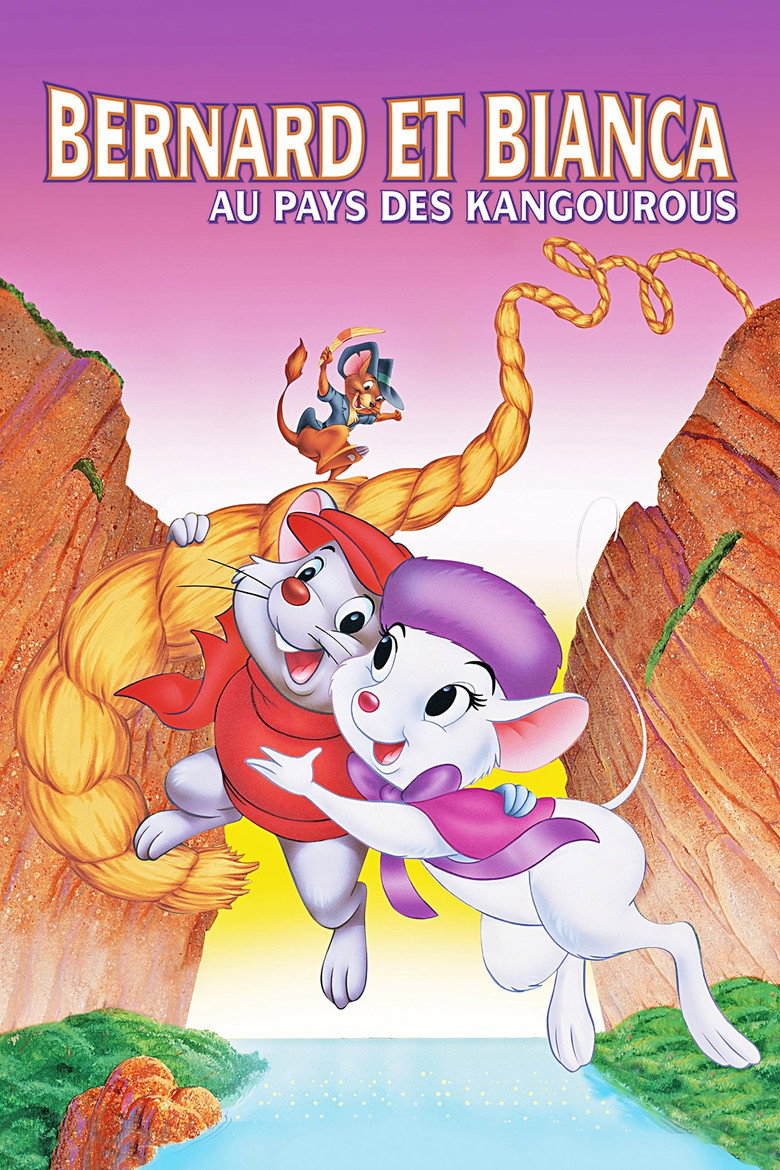
The studio followed with The Rescuers Down Under (1990), Beauty and the Beast (1991), Aladdin (1992) and The Lion King (1994).
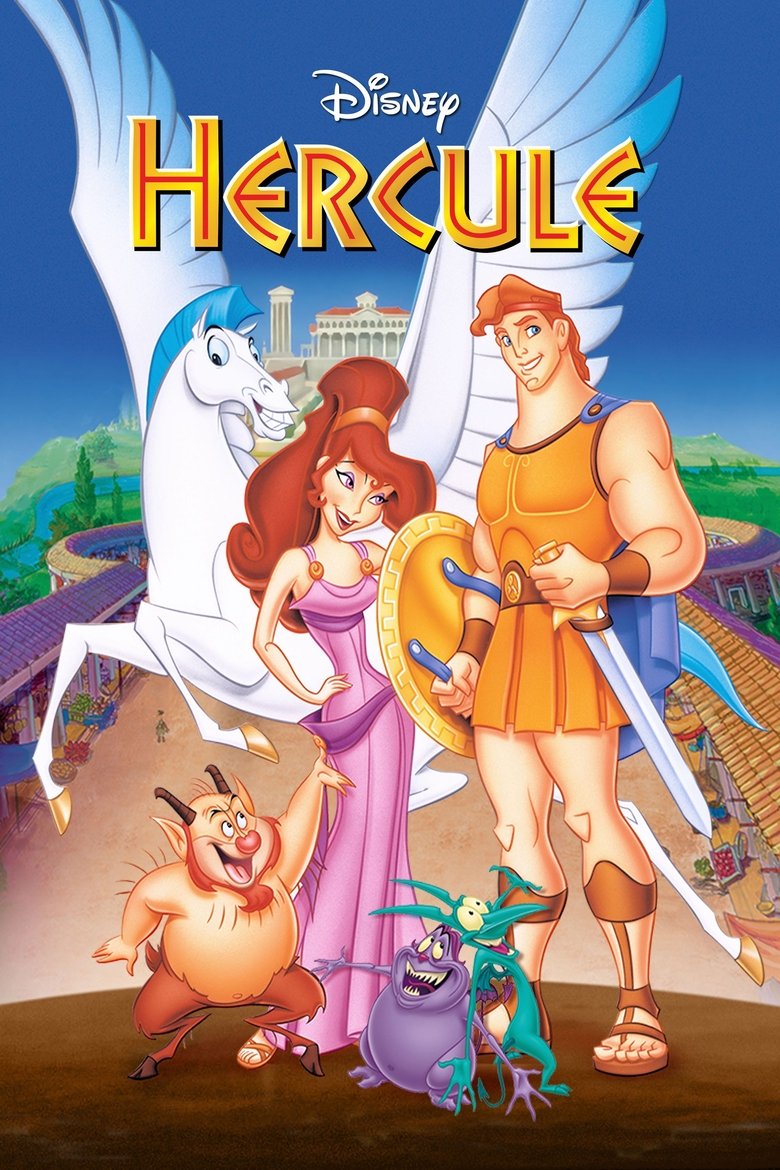
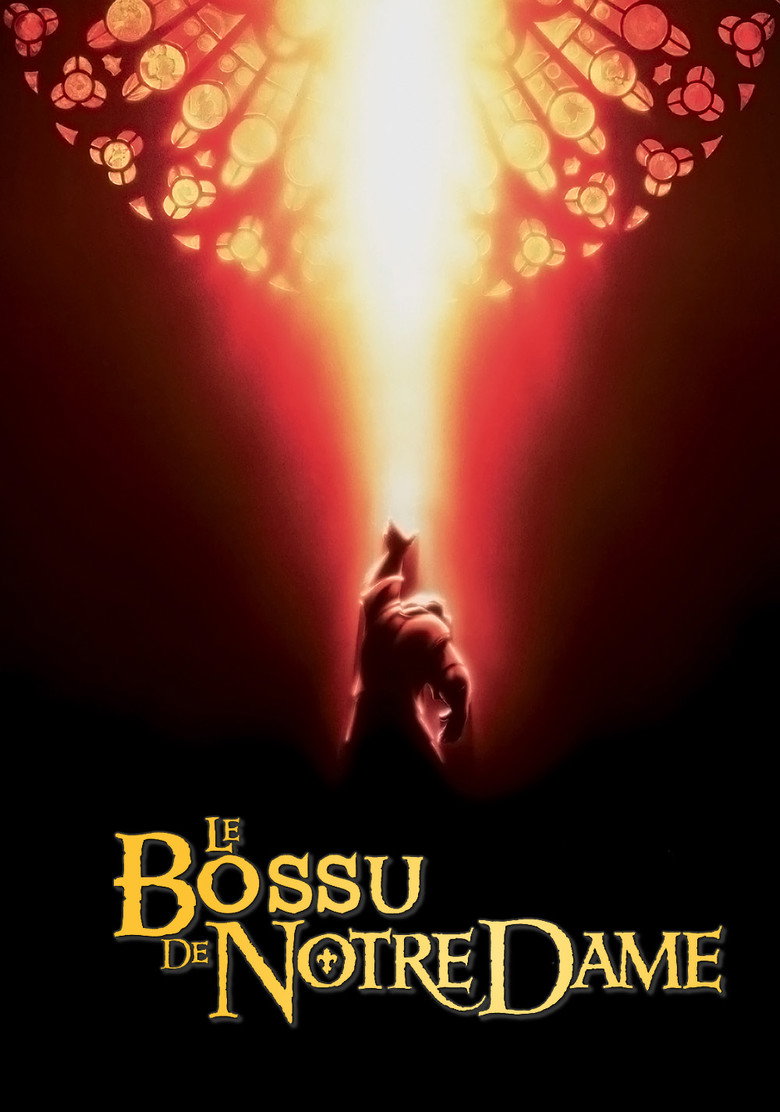
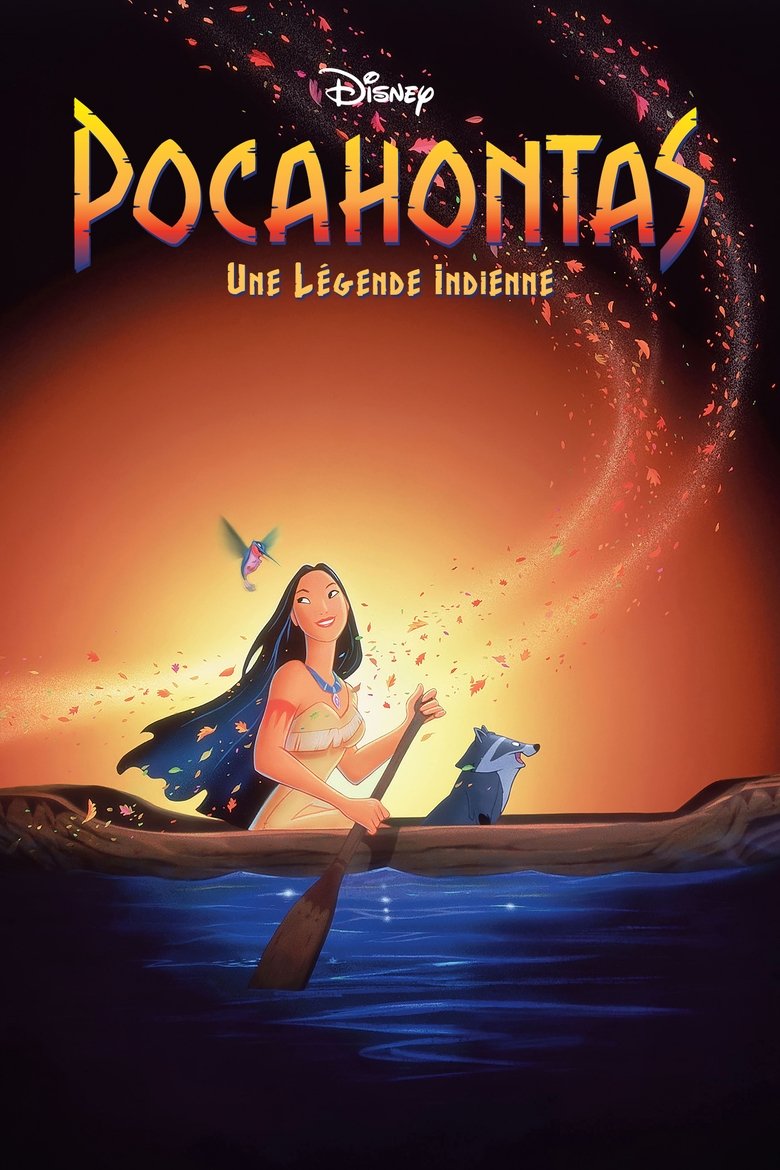
Later productions included Pocahontas (1995), The Hunchback of Notre Dame (1996), Hercules (1997), Mulan (1998) and Tarzan (1999). These films combined traditional animation, original songs and stories drawing on different literary and cultural traditions.
Production also expanded beyond Burbank through facilities in Florida and France.
2000–2007 — Experimentation and Digital Animation
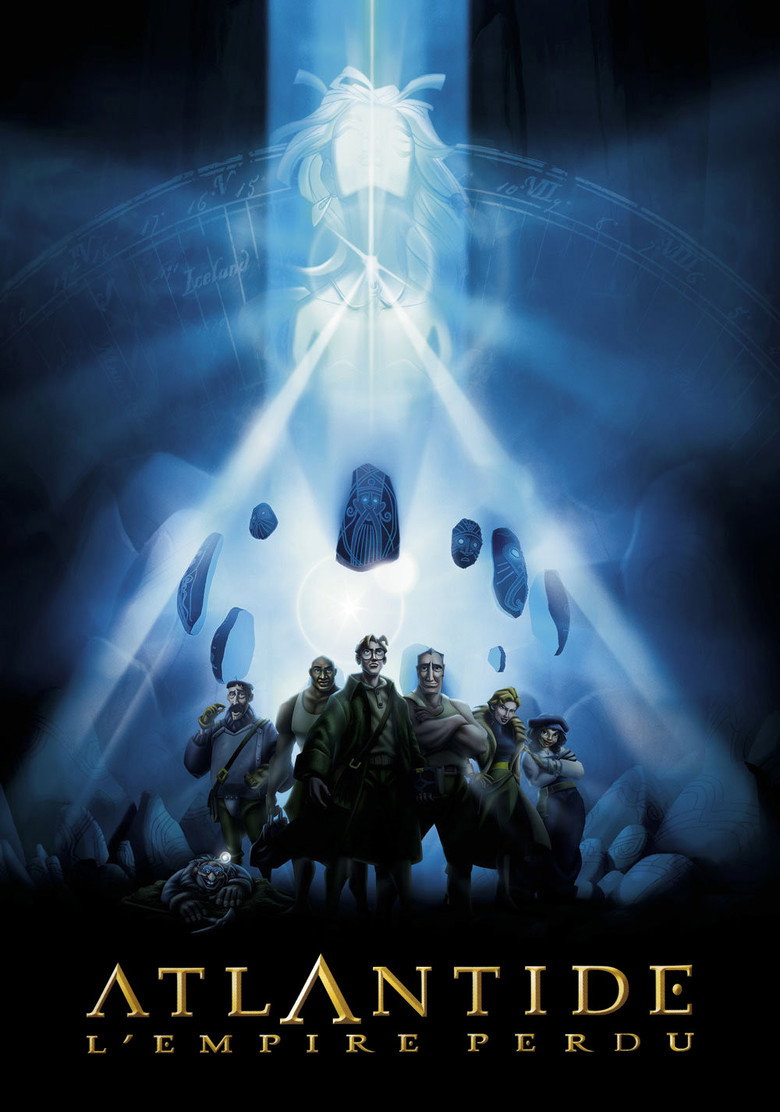
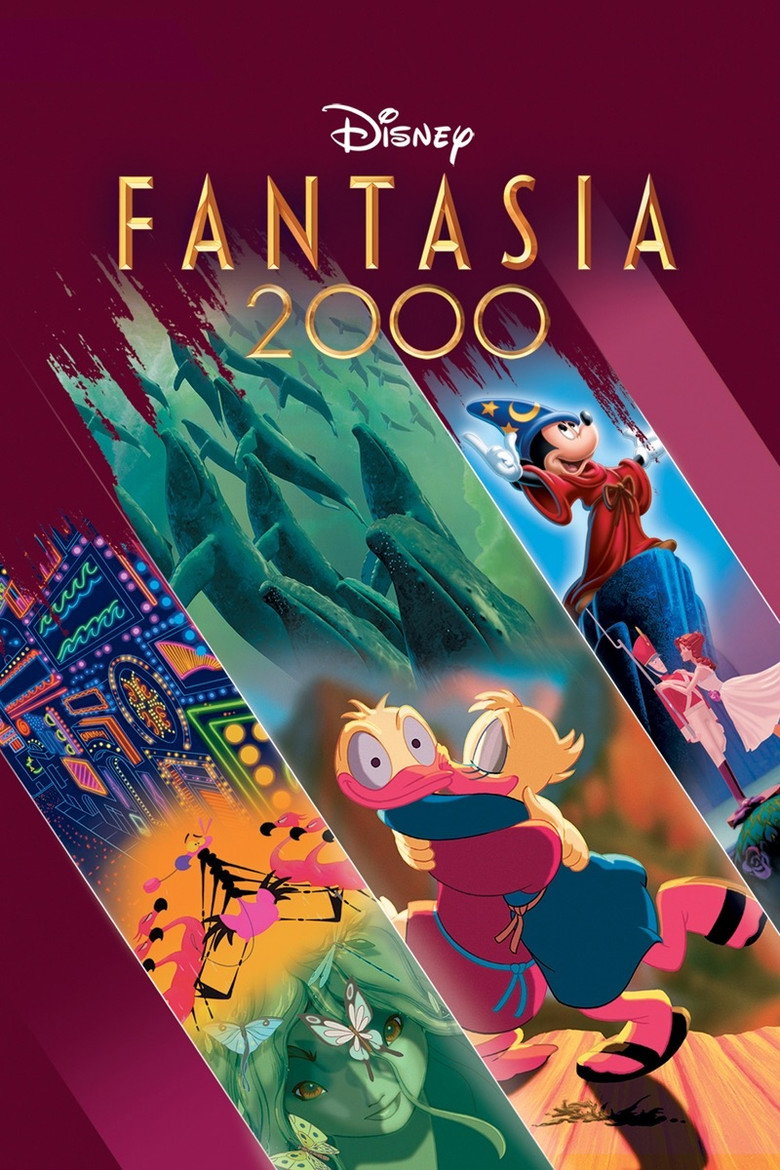
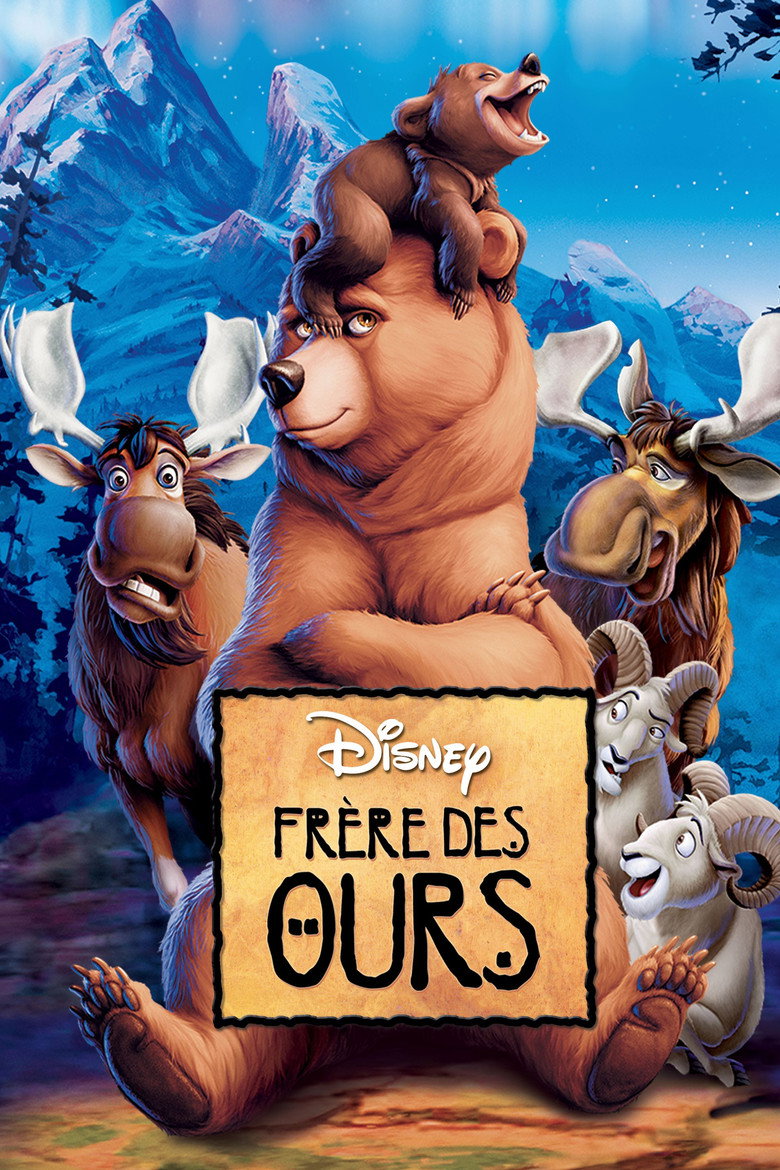
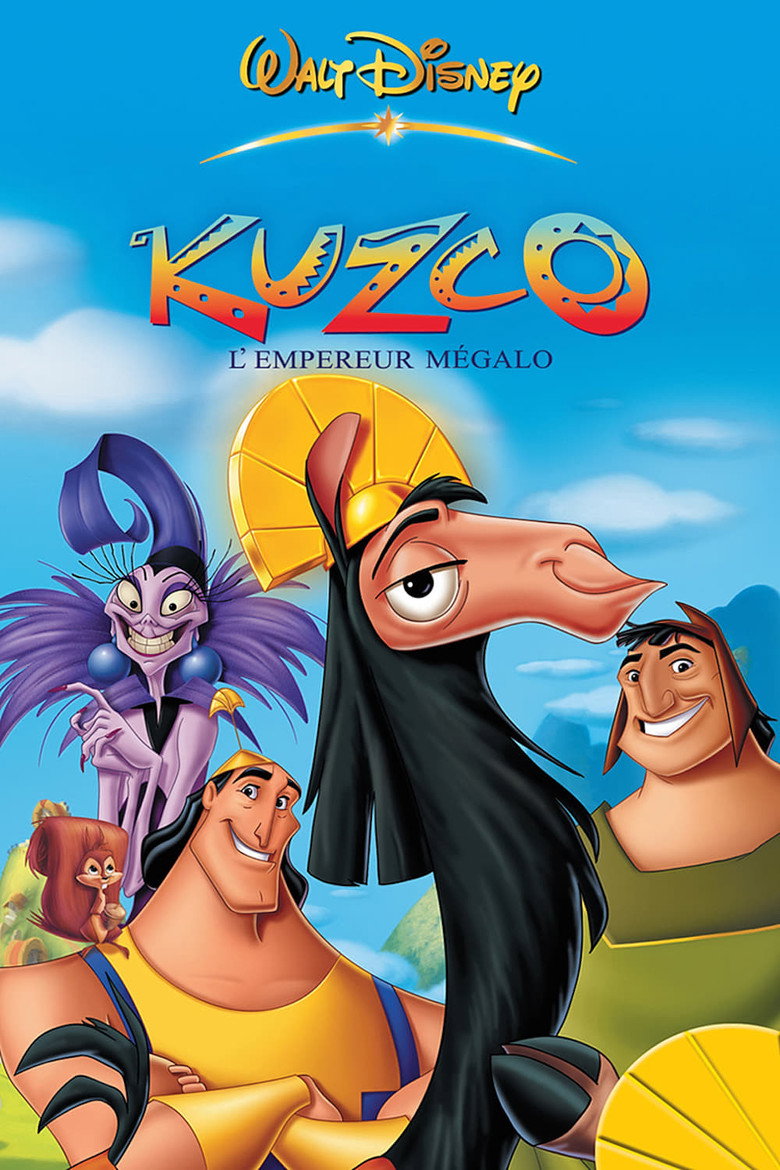
In the early 2000s, Walt Disney Feature Animation explored different styles through Fantasia 2000, The Emperor's New Groove (2000), Atlantis: The Lost Empire (2001) and Brother Bear (2003).
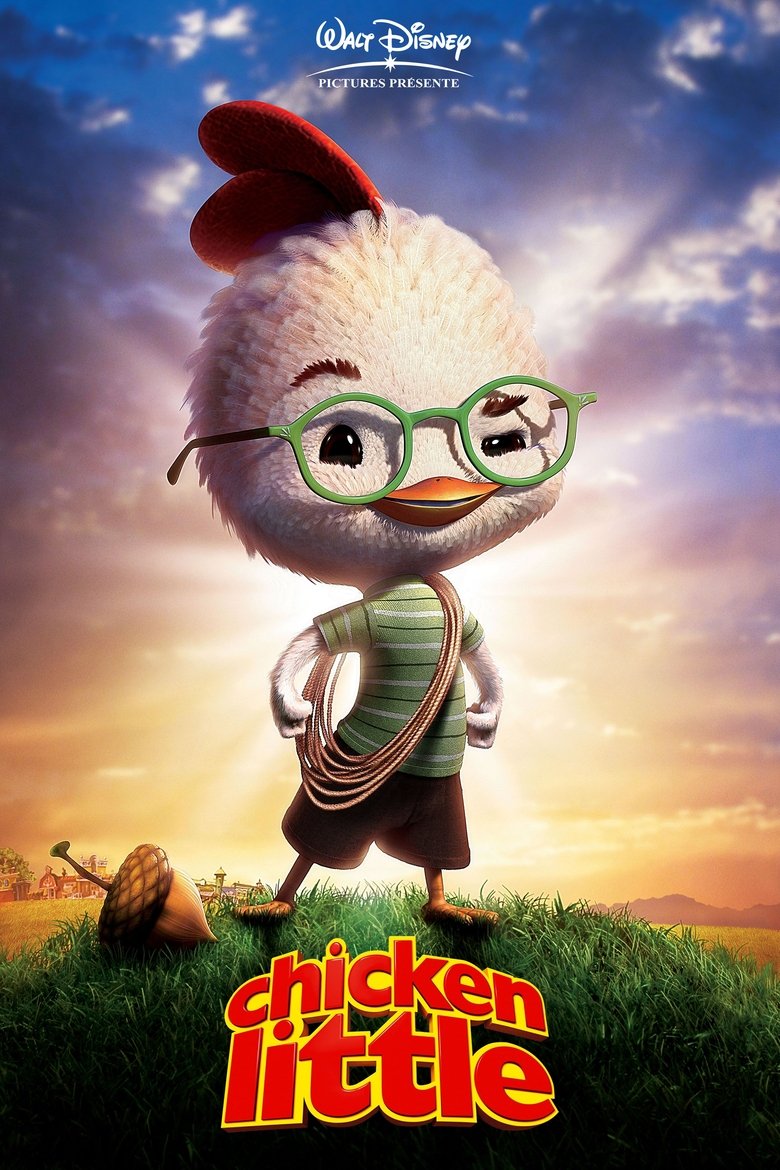
Dinosaur (2000) represented a separate computer-animation project created by The Secret Lab, a unit formed from Disney's computer-animation and visual-effects operations. Chicken Little (2005) subsequently became the main feature animation division's first fully computer-animated film.
Following Disney's acquisition of Pixar in 2006, its animation operations were reorganized under leadership including Ed Catmull and John Lasseter. In 2007, Walt Disney Feature Animation became Walt Disney Animation Studios.
What Sets It Apart
The Revival of Animated Musicals
This period was defined by feature films combining animation, music and character-driven storytelling, establishing many of Disney's most recognizable characters.
Traditional and Digital Techniques
The studio progressively incorporated computer technology into image compositing and background creation before moving into fully computer-generated feature films.
An Identity Distinct from Other Disney Studios
Walt Disney Feature Animation concentrated on major features from Disney's historic animation division. Pixar, Disney Television Animation and Disney MovieToons operated as separate production organizations, even when their teams collaborated.
Key Facts
- Origins: Disney's historic animation department, whose first feature premiered in 1937.
- Walt Disney Feature Animation name: Adopted during the 1980s.
- Historic headquarters: Burbank, California.
- Defining period: The Disney Renaissance of the late 1980s and 1990s.
- International production: Contributions from teams in Florida and France.
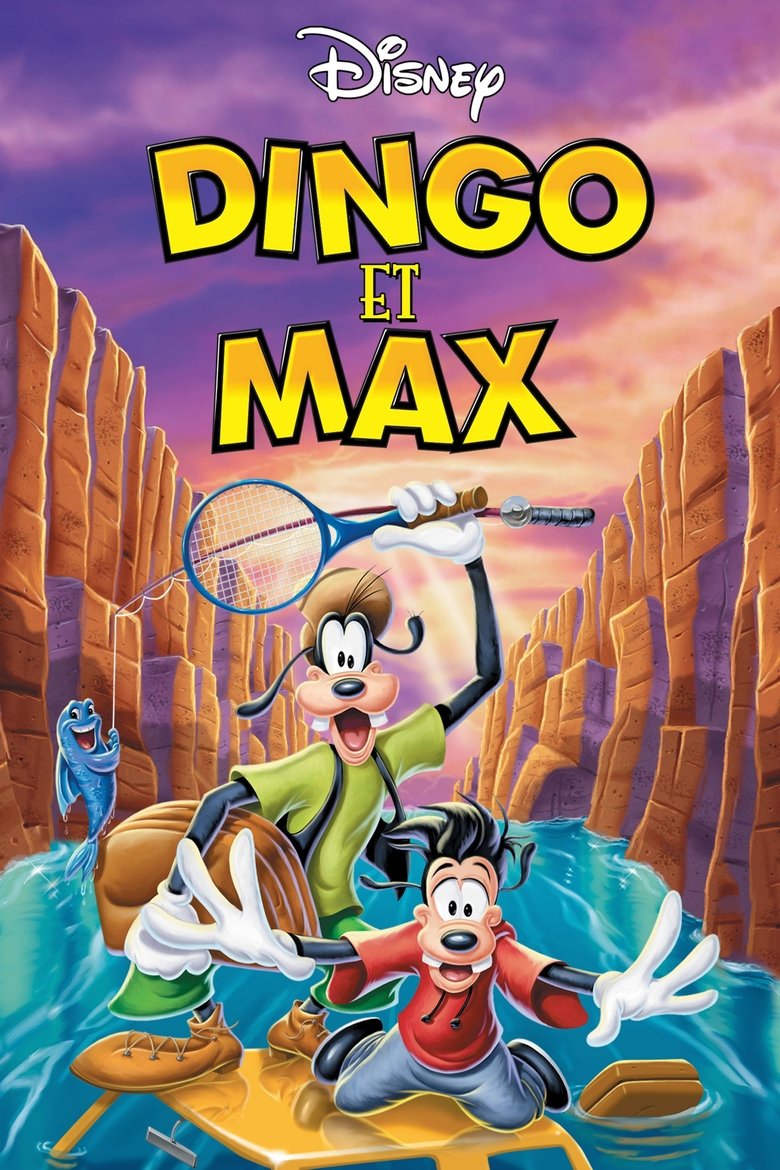
- A Goofy Movie (1995): Primarily associated with Disney MovieToons and Disney Television Animation, with participation from Disney's French animation operations.
- Dinosaur (2000): Computer-animated production created by The Secret Lab.
- Chicken Little (2005): The main division's first fully computer-animated feature.
- Renamed: Walt Disney Animation Studios in 2007.
- Status: Operations continued under the new name.