
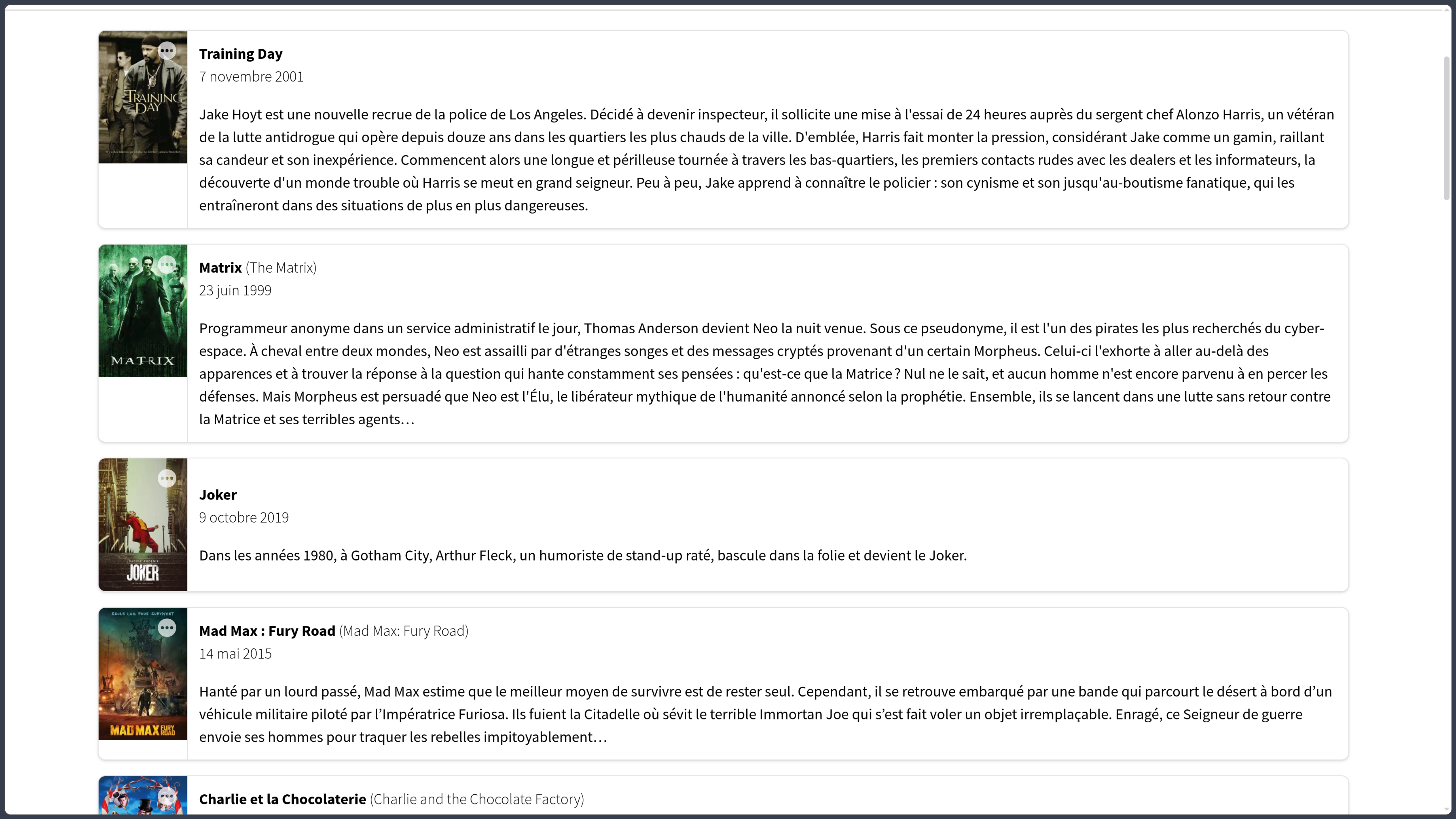
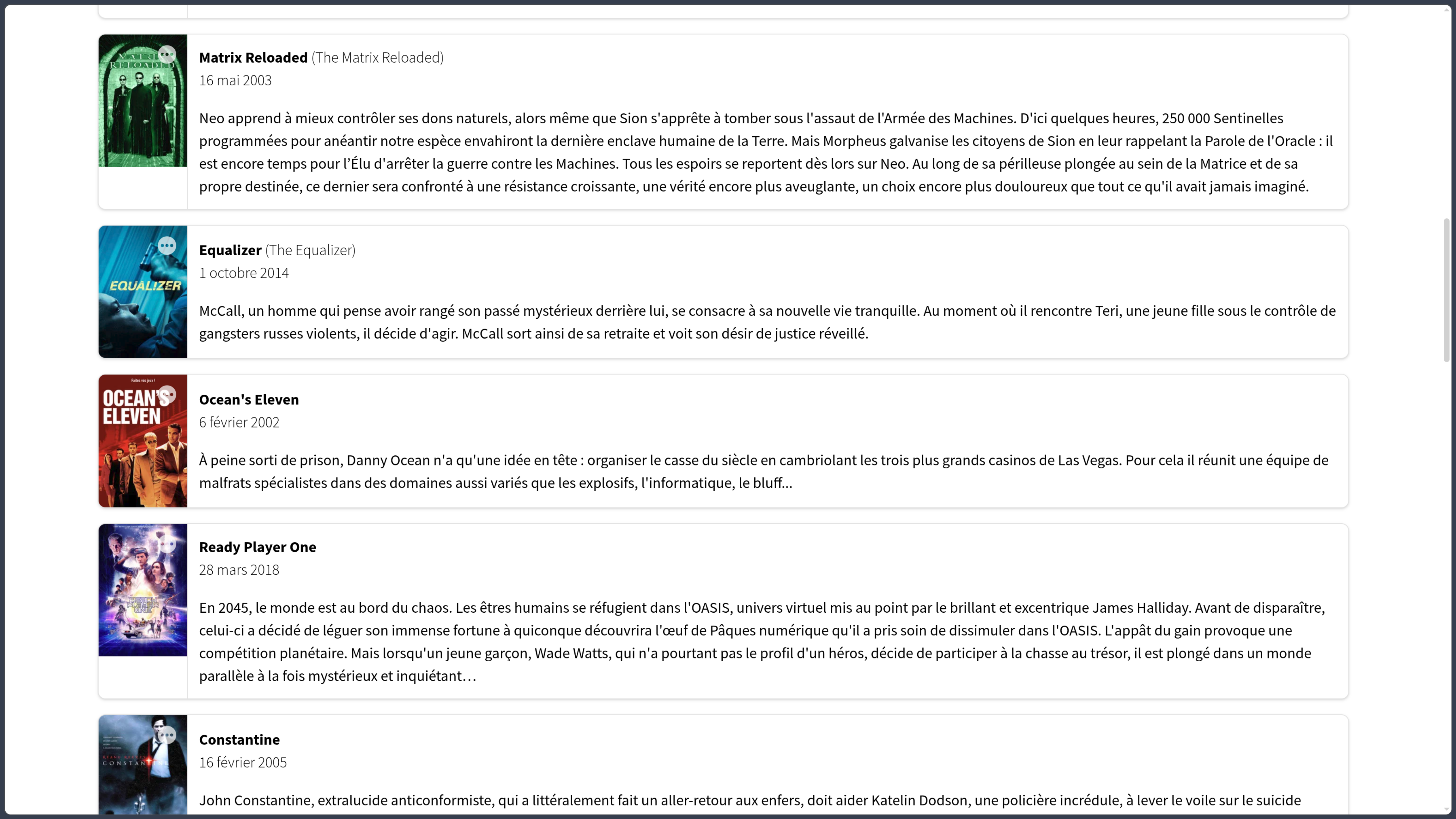












Presentation
Village Roadshow Pictures is an American film production and co-financing company historically connected to Australia's Village Roadshow group. Based in Los Angeles, it developed through a longstanding partnership with Warner Bros., participating in the financing and production of numerous Hollywood films.
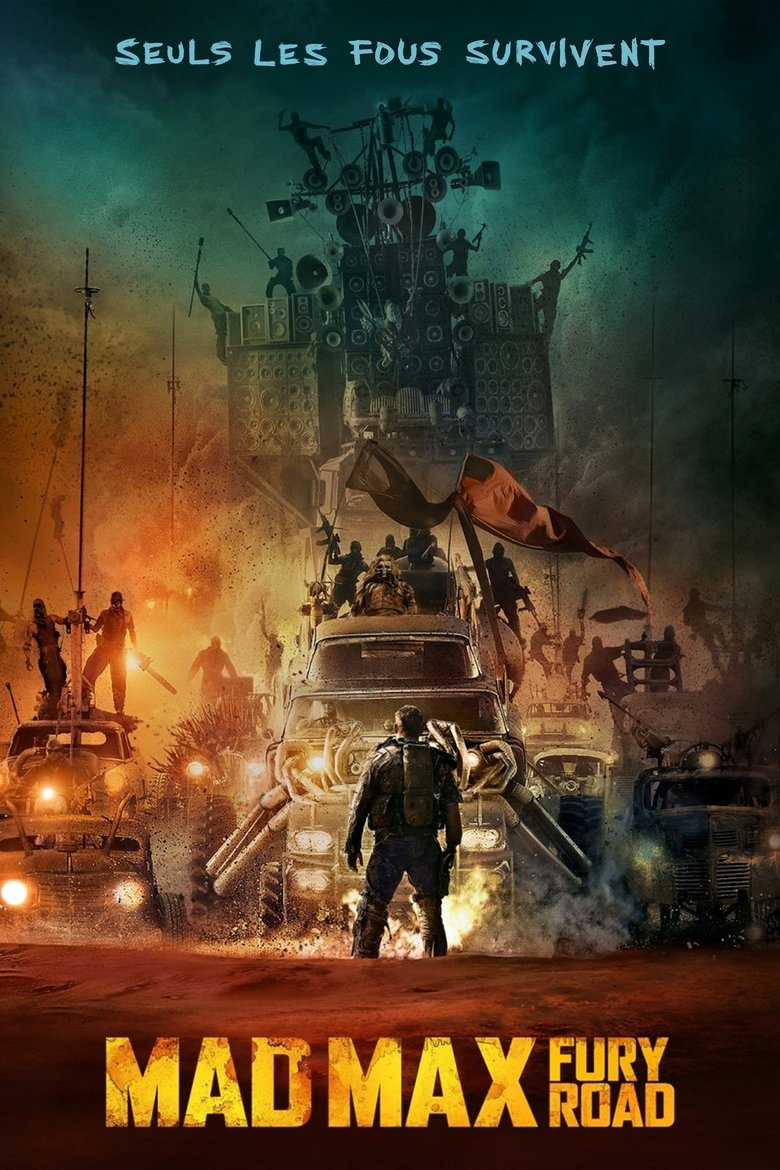
Its catalog spans several genres, from science fiction with The Matrix (1999) and Edge of Tomorrow (2014) to crime dramas such as Training Day (2001) and Gran Torino (2008). It is also associated with the Ocean's trilogy, the Sherlock Holmes films, Mad Max: Fury Road (2015) and Joker (2019).
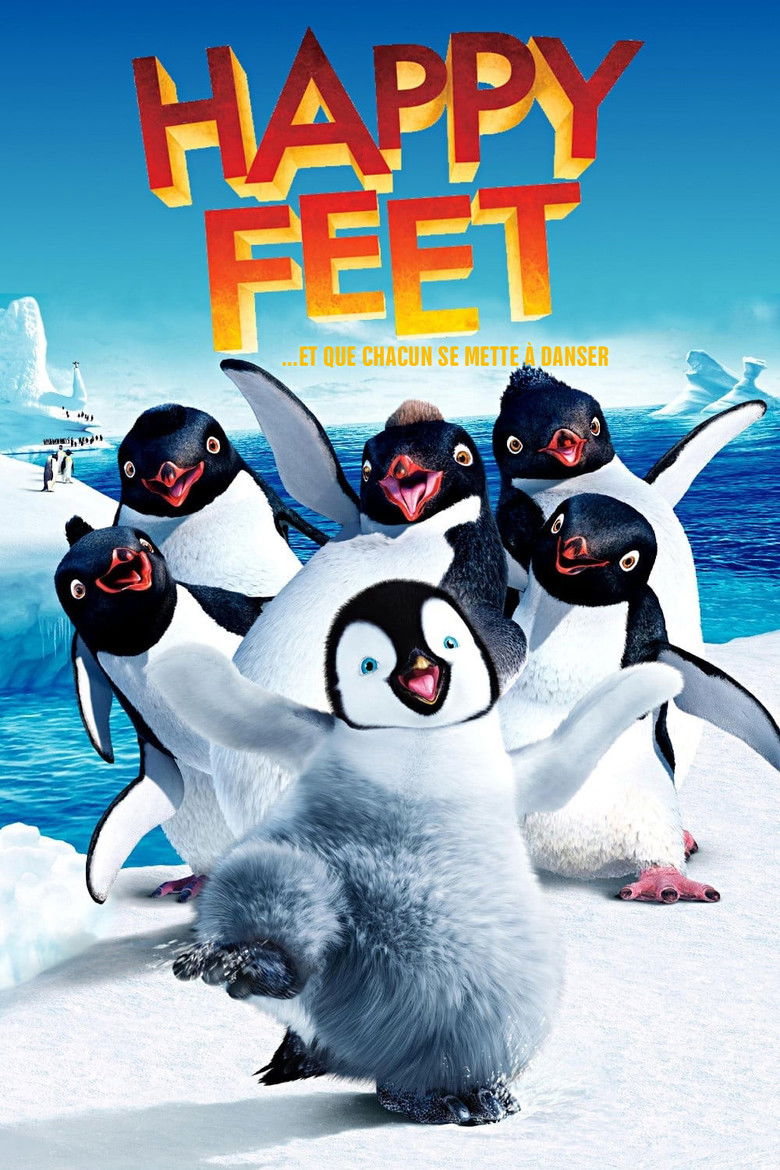
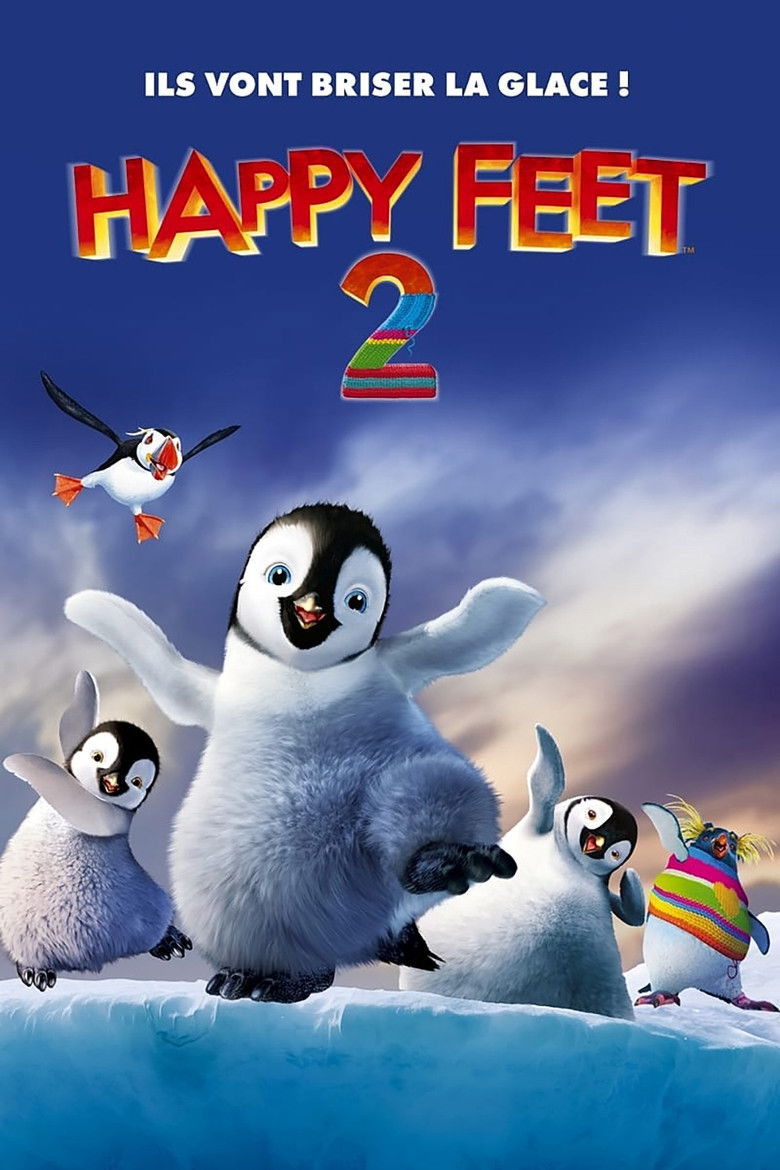
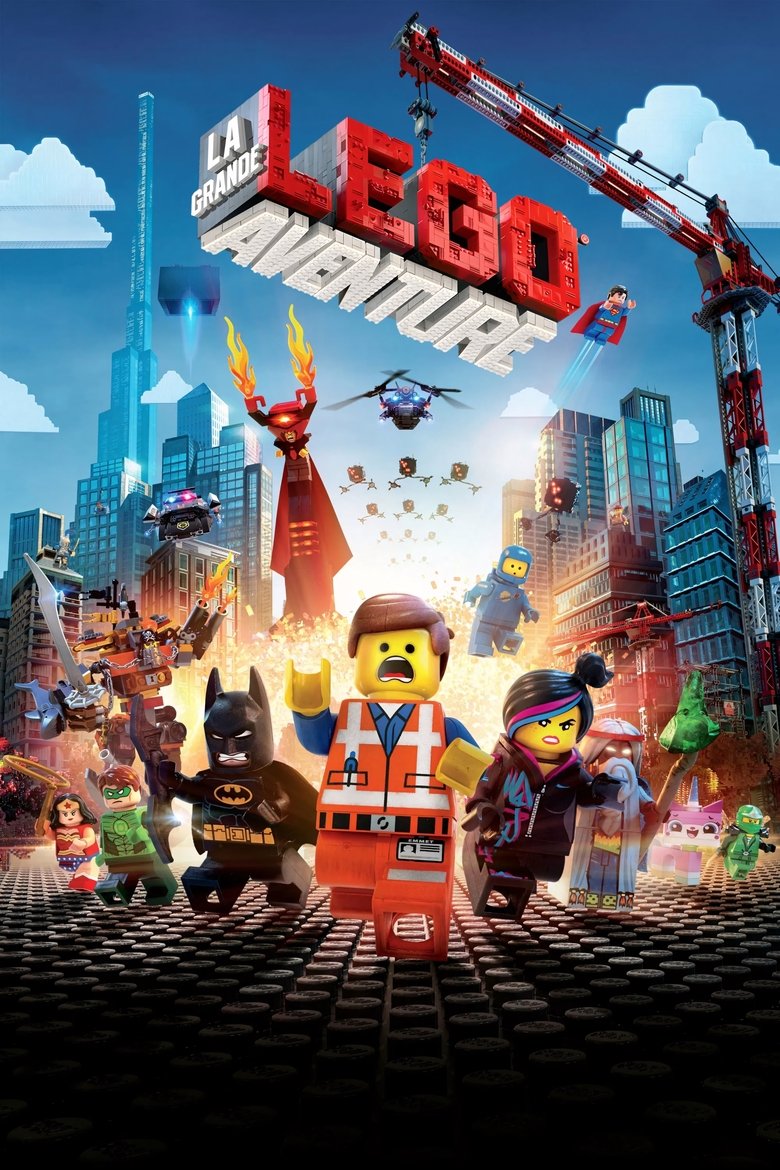
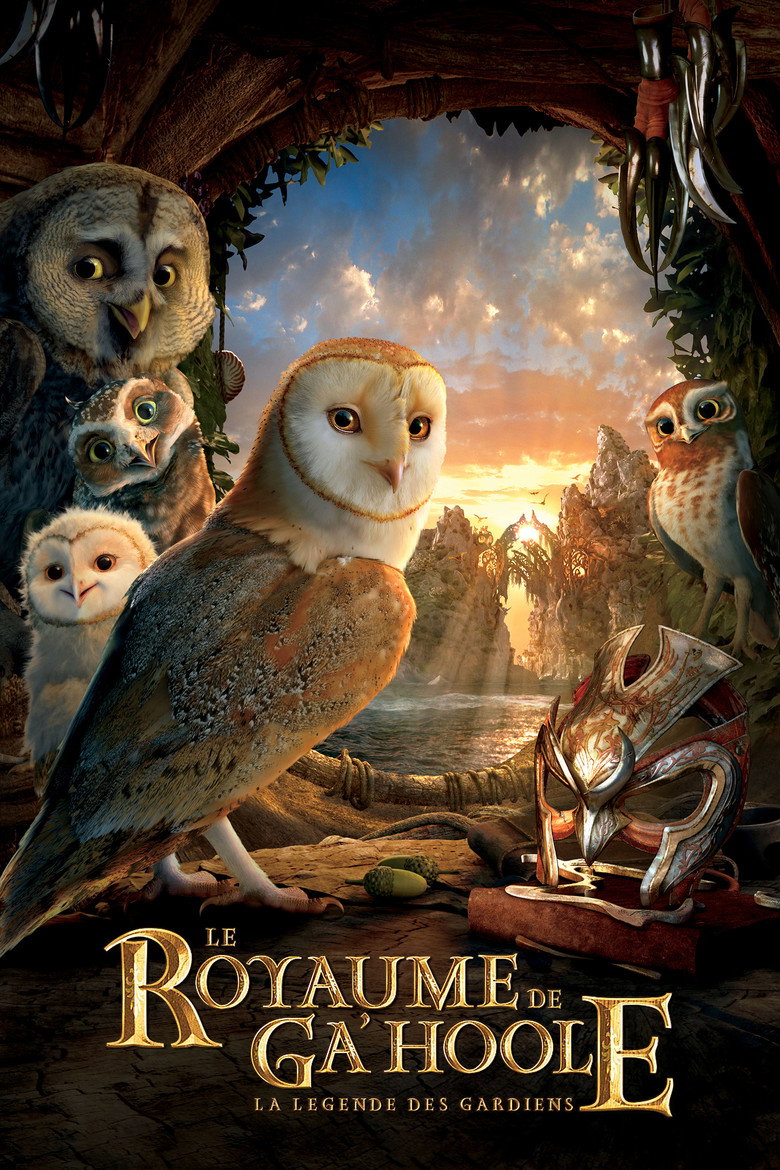
Village Roadshow Pictures also helped finance animated films including Happy Feet (2006), Legend of the Guardians: The Owls of Ga'Hoole (2010) and The Lego Movie (2014). These films were animated by partner studios rather than an in-house Village Roadshow animation team.
Its business model primarily involved sharing production costs and revenues with distributing studios. After more than twenty-five years of collaboration with Warner Bros., the company underwent a major restructuring between 2025 and 2026.
History
1986–1998 — Origins and American Expansion
Village Roadshow Pictures originated from the film activities of Australia's Village Roadshow group, which began as a cinema exhibition business in Melbourne in 1954.
The group subsequently expanded into film distribution and production, developing an American business focused on major Hollywood projects.
In December 1997, Village Roadshow Pictures entered into an agreement with Warner Bros. to co-finance and co-produce at least twenty films. Beginning in 1998, this partnership became the principal driver of its growth.
1999–2012 — The Matrix, Ocean's and Major Franchises
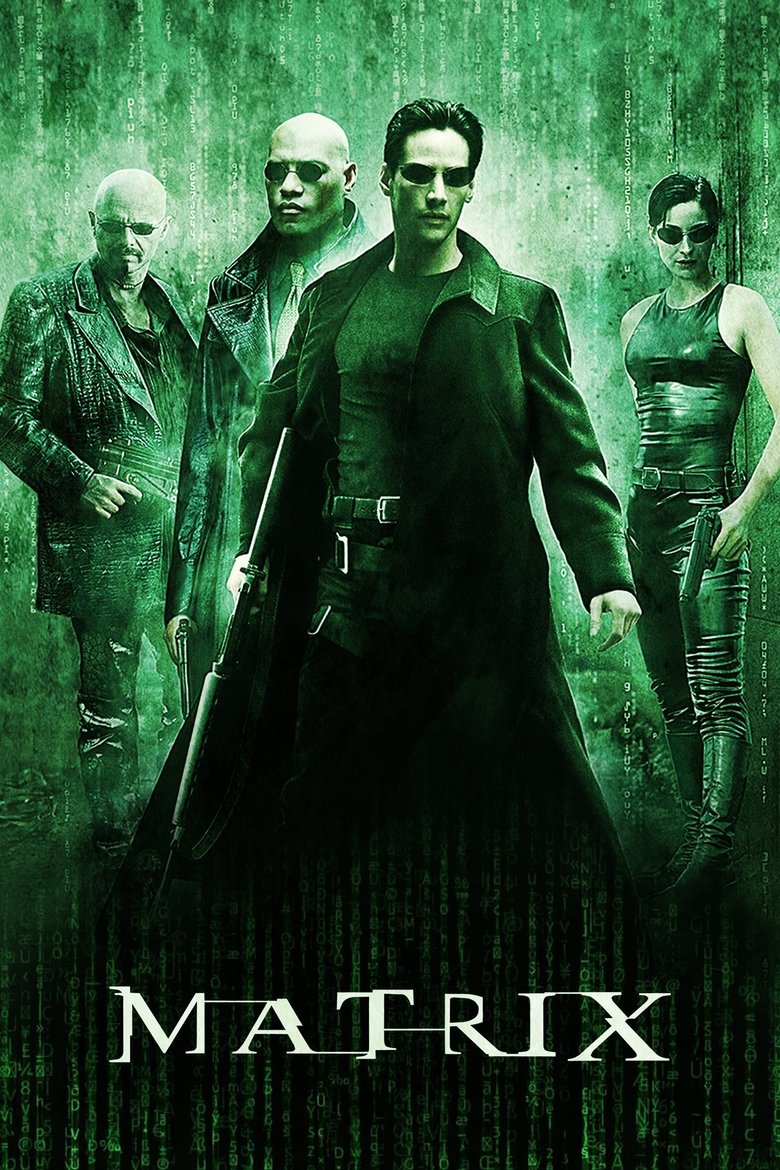
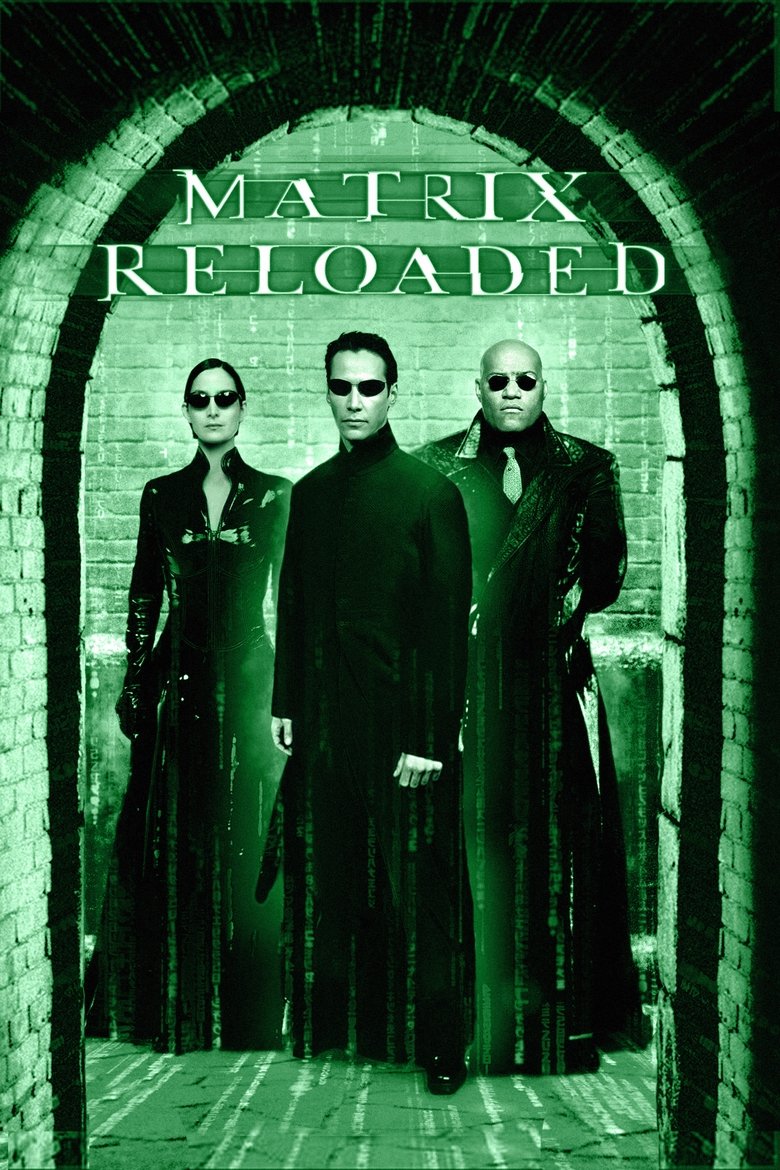
In 1999, Village Roadshow participated in The Matrix, directed by Lana and Lilly Wachowski. Its cyberpunk setting and groundbreaking visual techniques, particularly bullet time, made it an influential science-fiction film. Two sequels followed in 2003.
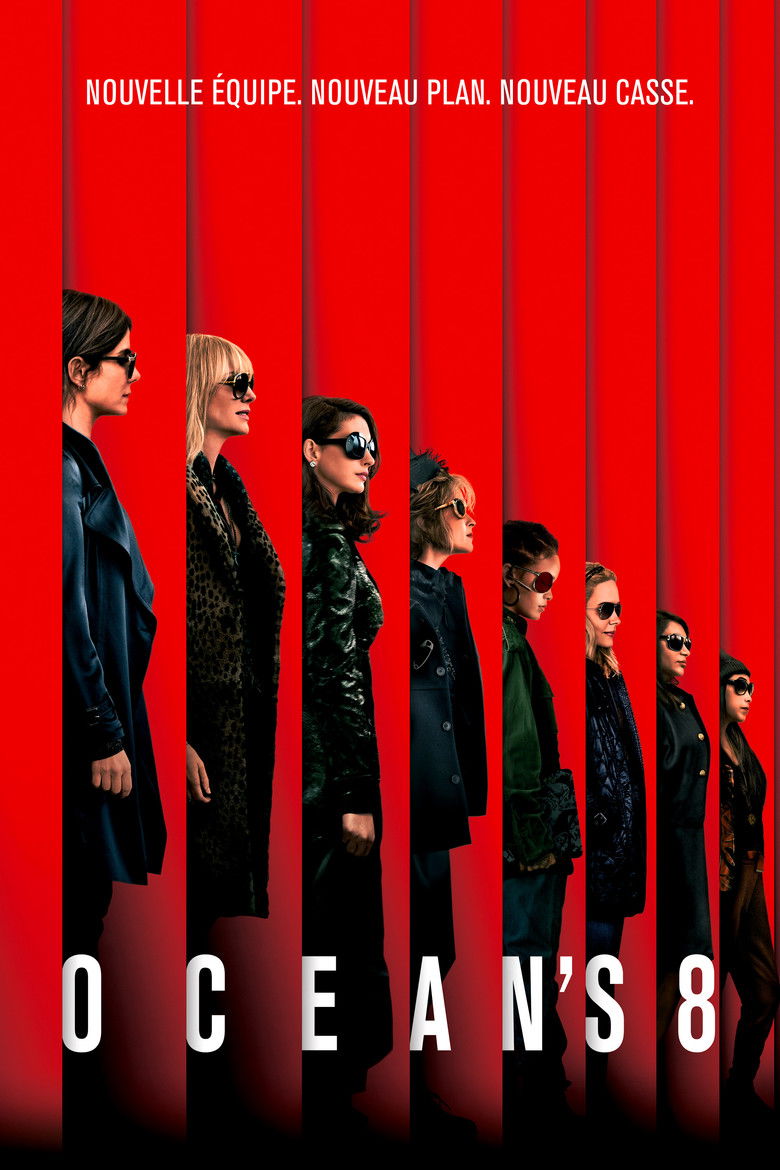
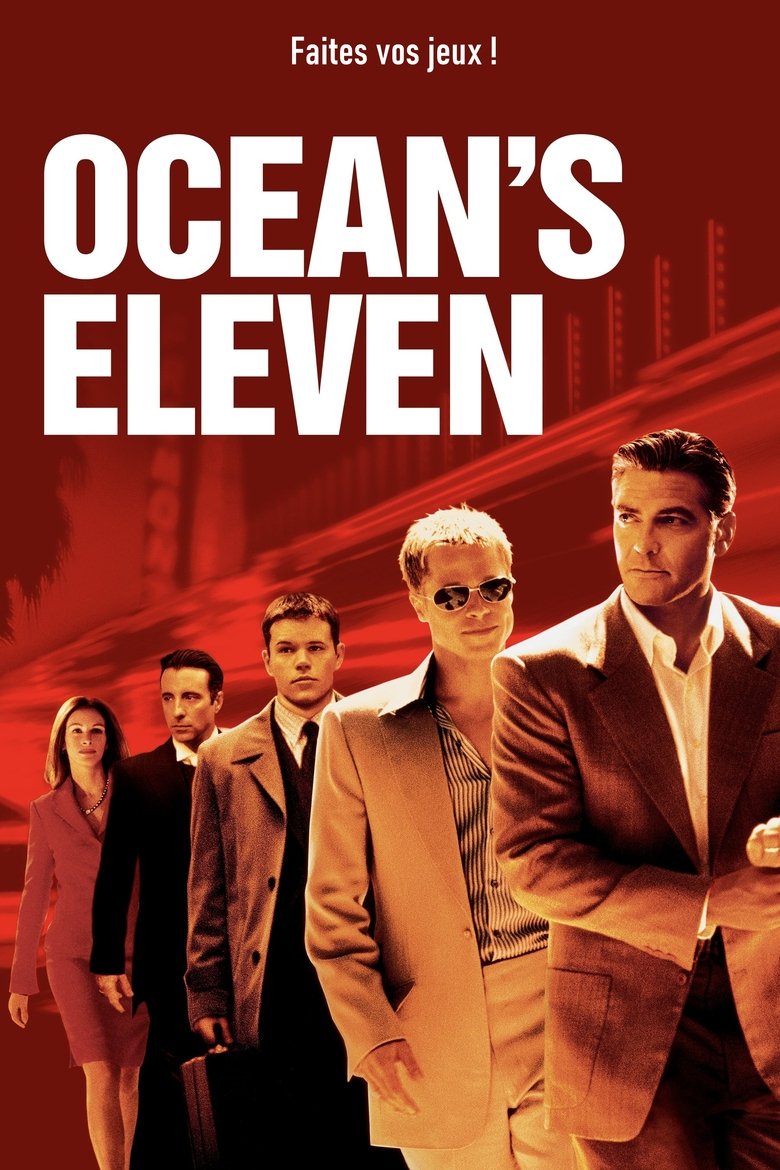
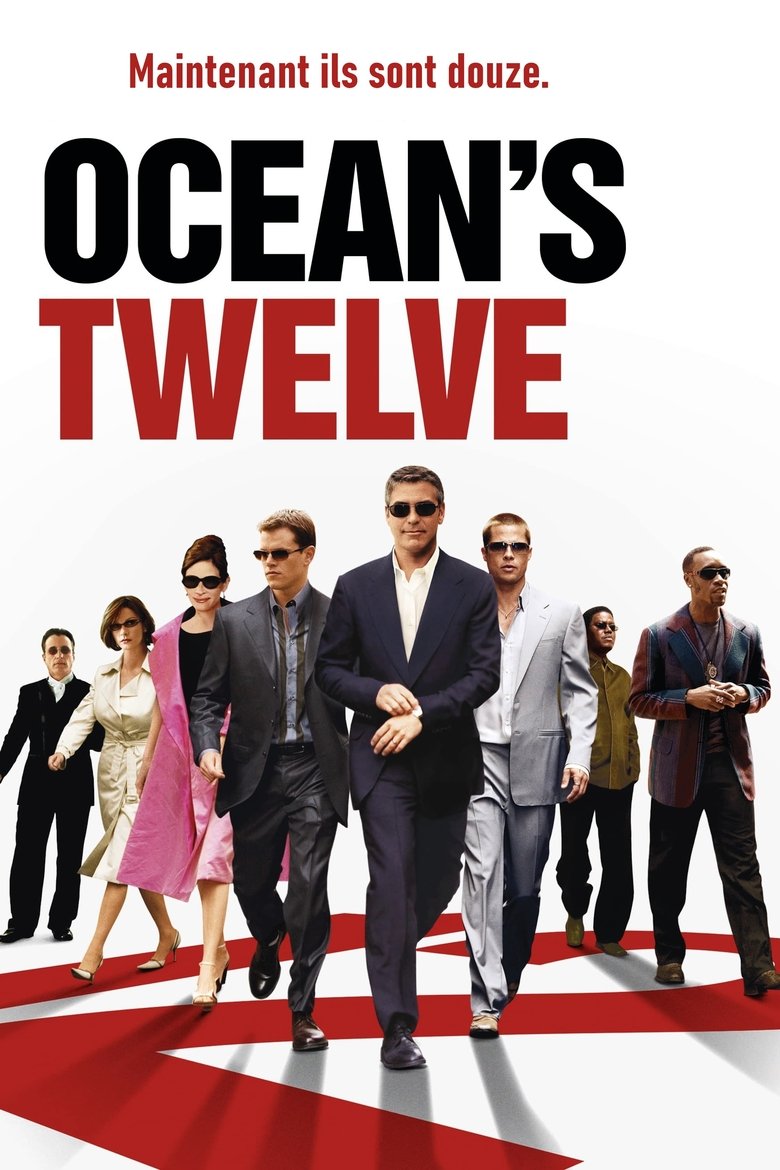
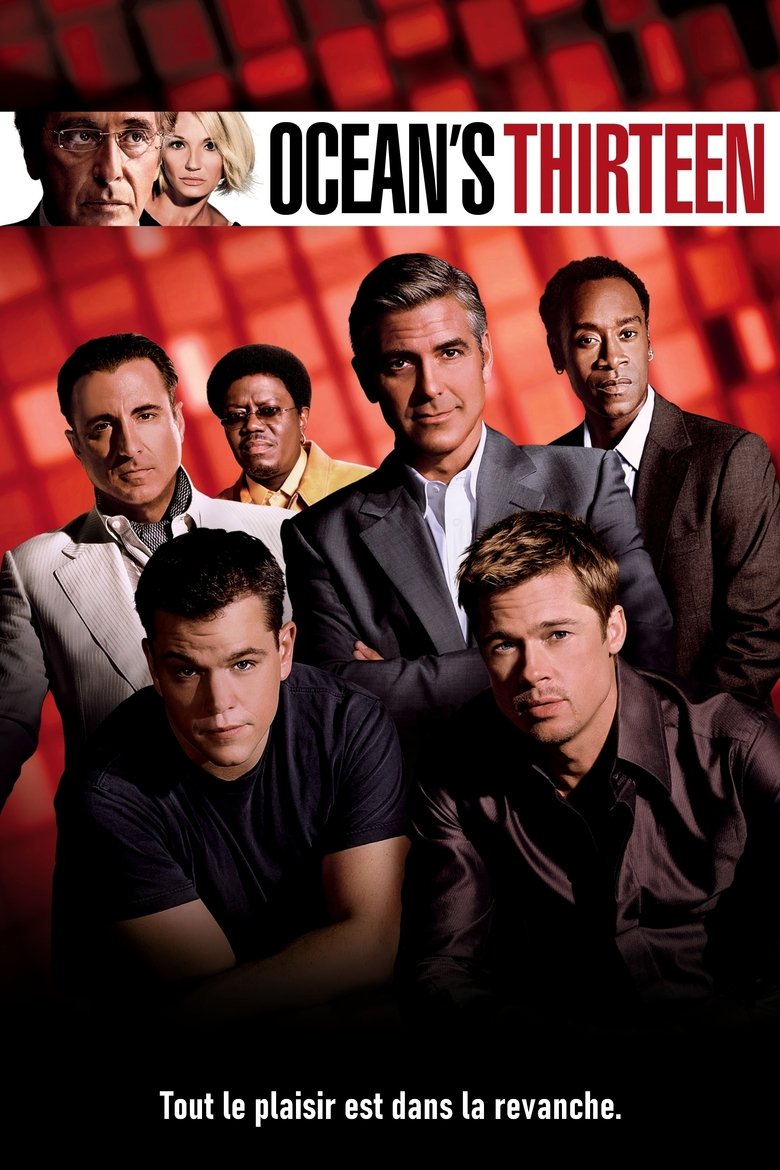
The company also supported Steven Soderbergh's Ocean's Eleven (2001), followed by sequels in 2004 and 2007. These productions demonstrated its role in financing international films featuring prominent ensemble casts.
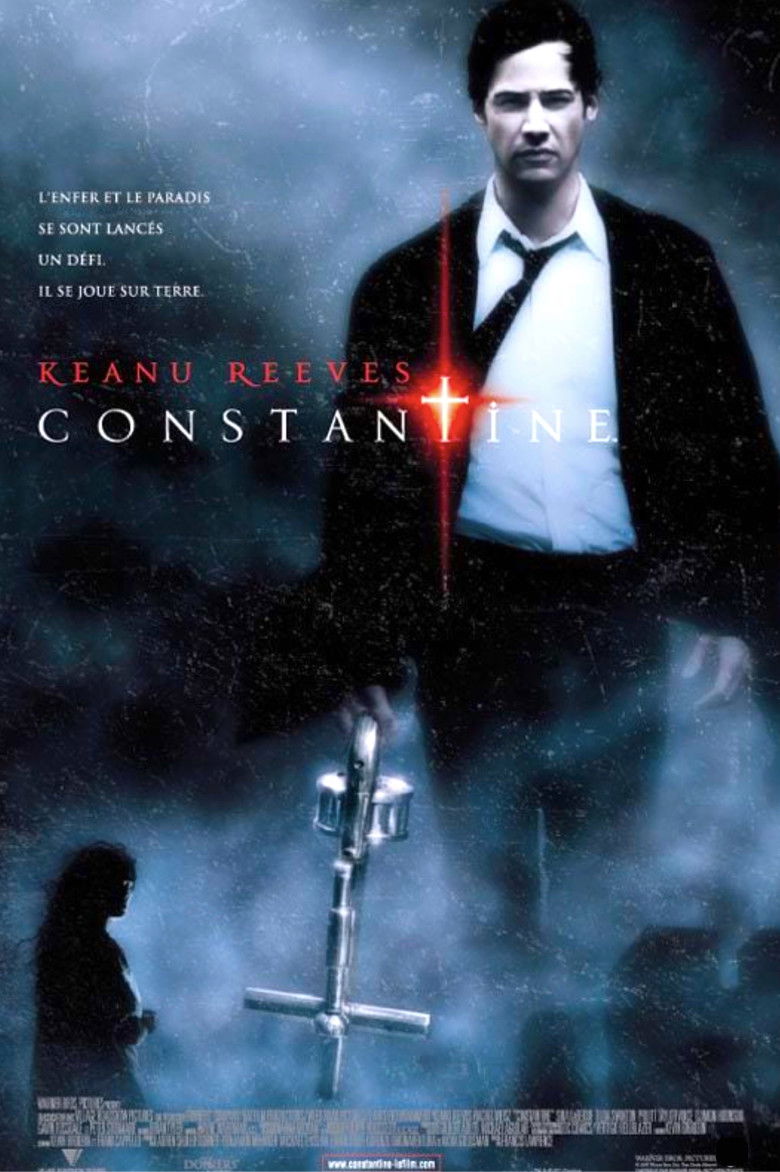
Its activities extended to varied productions including Constantine (2005), Happy Feet (2006), I Am Legend (2007) and Sherlock Holmes (2009).
In 2008, its activities became part of Village Roadshow Entertainment Group, a structure combining film production with investments in the music industry.
2013–2021 — Diversification and the Changing Warner Partnership
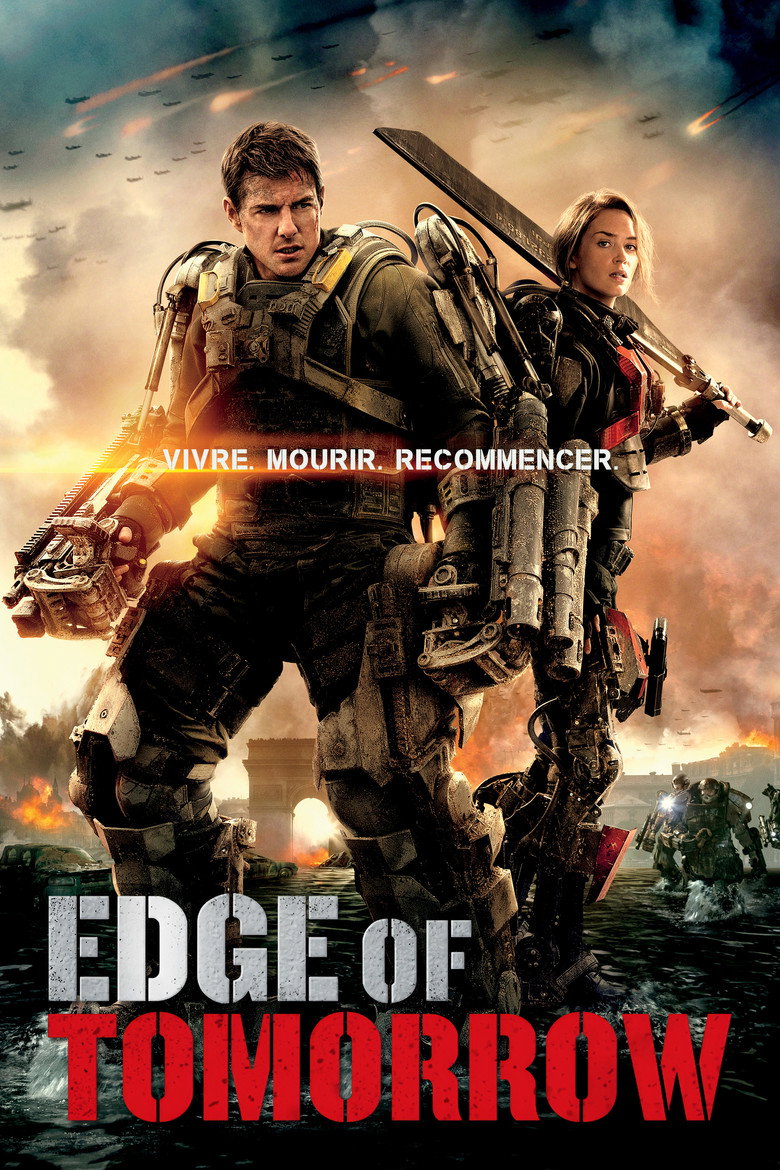
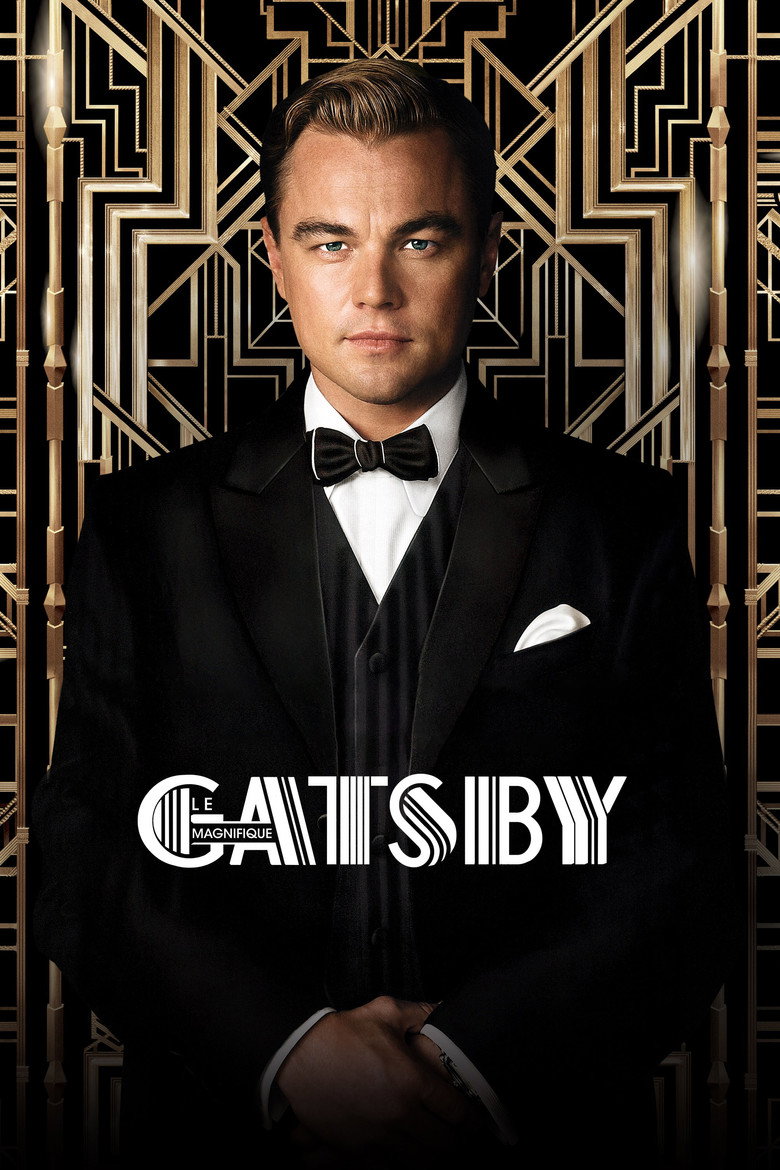
Village Roadshow continued financing major productions and dramatic features, including The Great Gatsby (2013), Edge of Tomorrow (2014), American Sniper (2014) and Mad Max: Fury Road (2015).
The company also participated in The Lego Movie (2014), produced with partners including Warner Animation Group and Animal Logic, and Todd Phillips's Joker (2019).
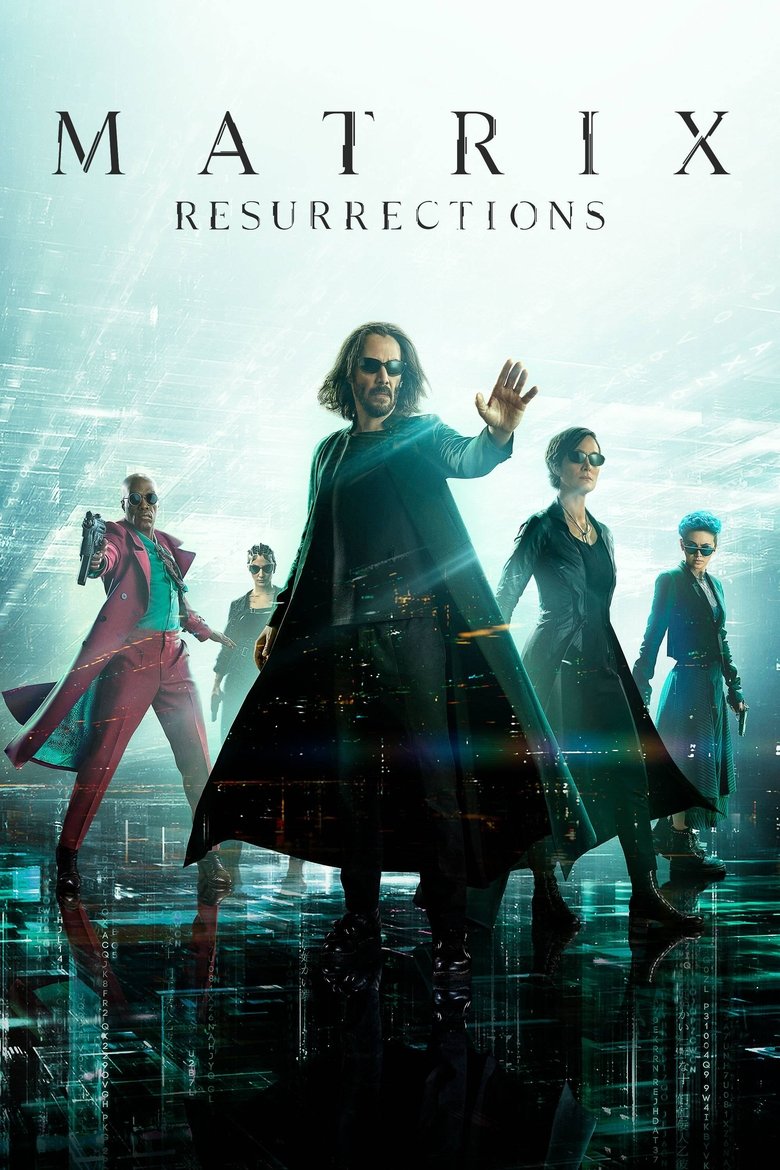
In 2021, it was associated with The Matrix Resurrections, the franchise's fourth installment. Its distribution arrangements later became central to a dispute with Warner Bros., particularly following the film's simultaneous theatrical and HBO Max release in the United States.
2025–2026 — Restructuring and Asset Sales
On March 17, 2025, Village Roadshow Entertainment Group USA and several affiliated companies filed for Chapter 11 bankruptcy protection in the United States.
The proceedings followed financial difficulties and contractual disputes with Warner Bros. The group's assets were offered for sale through a court-supervised restructuring process.
In 2025, Alcon Media Group acquired Village Roadshow's film library for $417.5 million. The transaction included economic interests and associated rights covering more than one hundred films, including The Matrix, Ocean's Eleven and Mad Max: Fury Road. Alcon also acquired the studio business and certain development rights.
The court confirmed a liquidation plan in April 2026. The group emerged from bankruptcy on May 1, 2026, under arrangements to distribute sale proceeds to creditors and wind down its remaining affairs.
These developments marked the end of Village Roadshow Pictures' historic co-financing model with Warner Bros., although its films continue to be exploited by their respective rights holders.
What Sets It Apart
A Longstanding Warner Bros. Partner
Village Roadshow Pictures developed primarily through co-financing agreements designed to share investments and financial risks with Warner Bros. This model connected it to major international productions without requiring its own distribution network.
An Exceptionally Diverse Catalog
The company participated in franchises such as The Matrix and Ocean's, alongside dramas, action films and animation. Its responsibilities centered on production and financing, while directors and partner studios handled the creative work.
Film Rights as Valuable Assets
The 2025 sale demonstrated the economic importance of Village Roadshow's accumulated catalog. Revenue interests, contractual rights and opportunities for future projects represented assets separate from the original filmmaking process.
Key Facts
- Origins: Australia's Village Roadshow group, established in 1954.
- Location: American film operations based in Los Angeles.
- Major partnership: Warner Bros. co-production and financing agreement signed in 1997.
- Franchises: The Matrix, Ocean's and Sherlock Holmes.
- Animation: Co-financing of Happy Feet and The Lego Movie.
- Corporate group: Village Roadshow Entertainment Group, an American business distinct from the Australian cinema and theme park operations.
- Financial difficulties: Chapter 11 proceedings began in March 2025.
- Acquisition: Film library and studio assets sold to Alcon Media Group in 2025.
- Restructuring: Liquidation plan confirmed in April 2026.
- Status: Historic operations sold; liquidation of the relevant corporate entities began in 2026, with no confirmed legal dissolution date.