







Presentation
Toei Company is a Japanese film and television production and distribution company based in Tokyo. Emerging from film industry operations reorganized during the early 1950s, it became one of Japan's major historic motion picture studios.
Its activities encompass live-action films, television series, special-effects productions, distribution and content licensing. Toei operates production facilities in Tokyo and Kyoto and develops established entertainment franchises including Kamen Rider and Super Sentai.
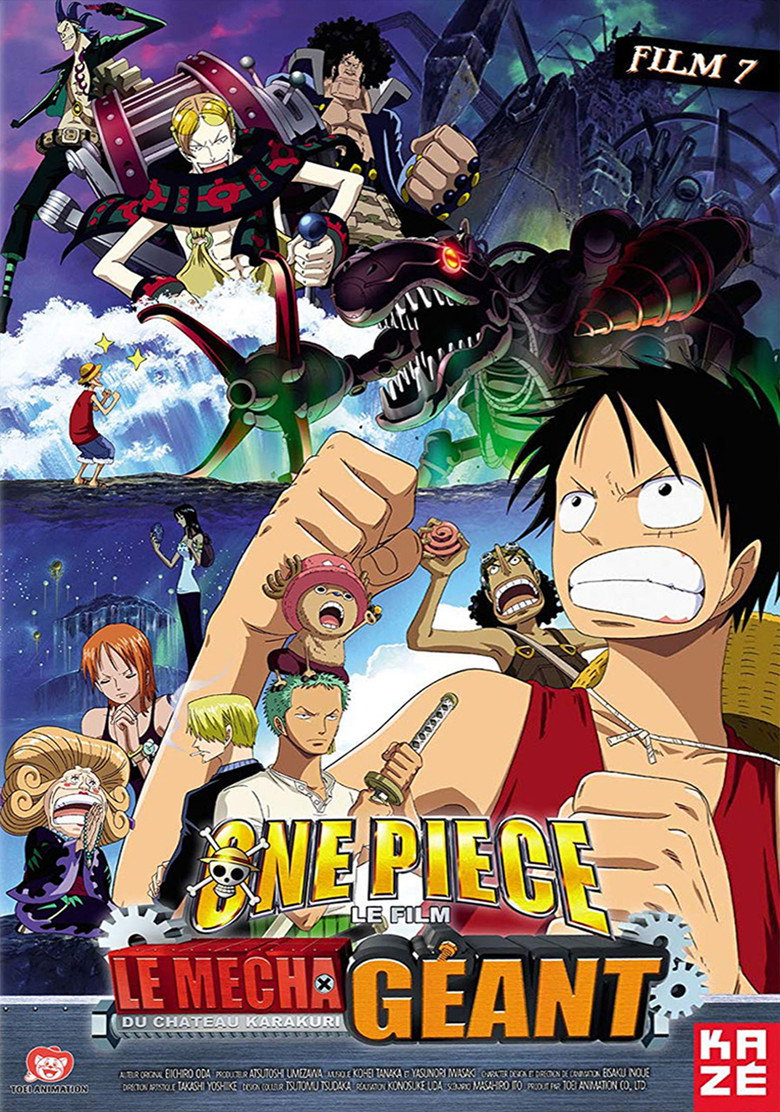
Its animation activities are closely connected with Toei Animation, a separate company within the same corporate group. This relationship explains Toei Company's involvement in films from Dragon Ball, One Piece and Sailor Moon. Toei Animation is primarily responsible for creating and animating these works, while Toei Company participates in production arrangements, partnerships and distribution according to each project.
History
1950–1970 — The Foundations of a Major Japanese Studio
Toei developed from film distribution and production businesses brought together during the early 1950s. It soon established major production facilities in Tokyo and Kyoto.
The studio became particularly associated with historical samurai films, later expanding into crime dramas and yakuza cinema. Television production also became an important part of its activities.
In 1956, Toei acquired Nichido Film and reorganized it as Toei Doga, the predecessor of Toei Animation. In 1958, the animation company produced The White Snake Enchantress, one of Japan's pioneering full-color animated feature films.
The following decades also saw the growth of tokusatsu, live-action productions incorporating costumes and special effects. Franchises including Kamen Rider and Super Sentai became central parts of Toei's television catalog.
1980–2000 — Dragon Ball and the Growth of Anime Franchises
From the 1980s, the international growth of Japanese animation strengthened the Toei group's position.
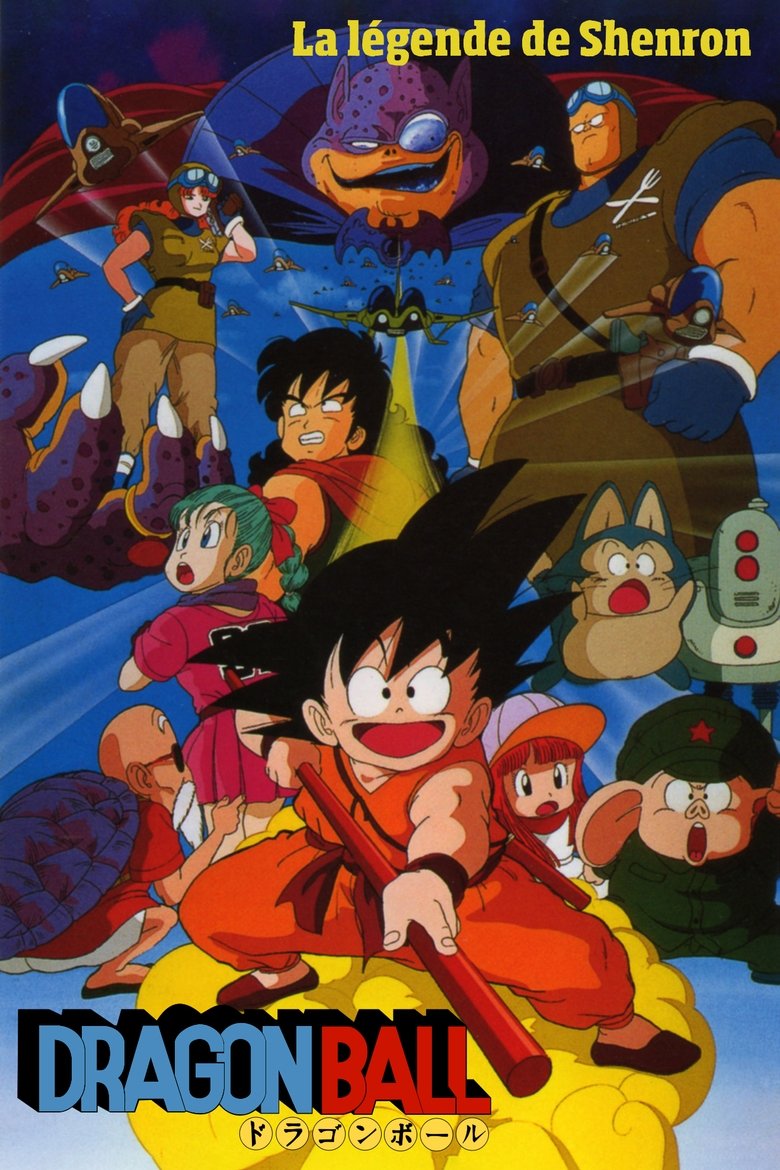
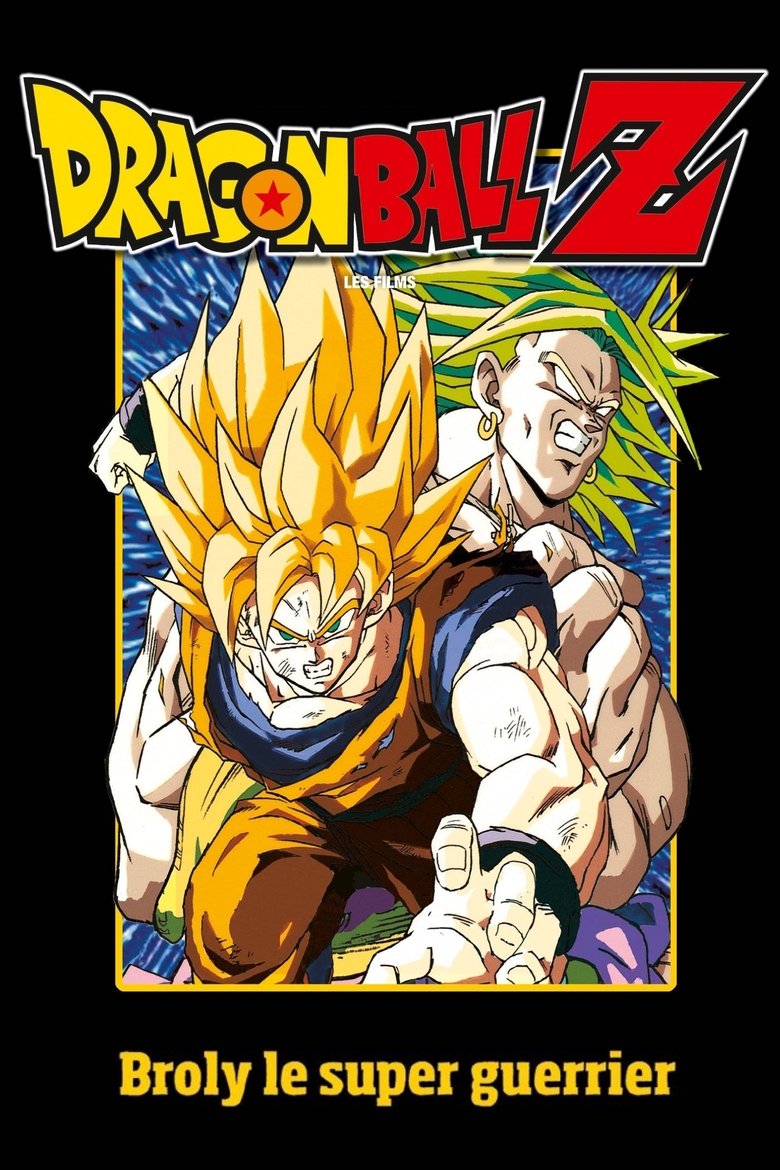
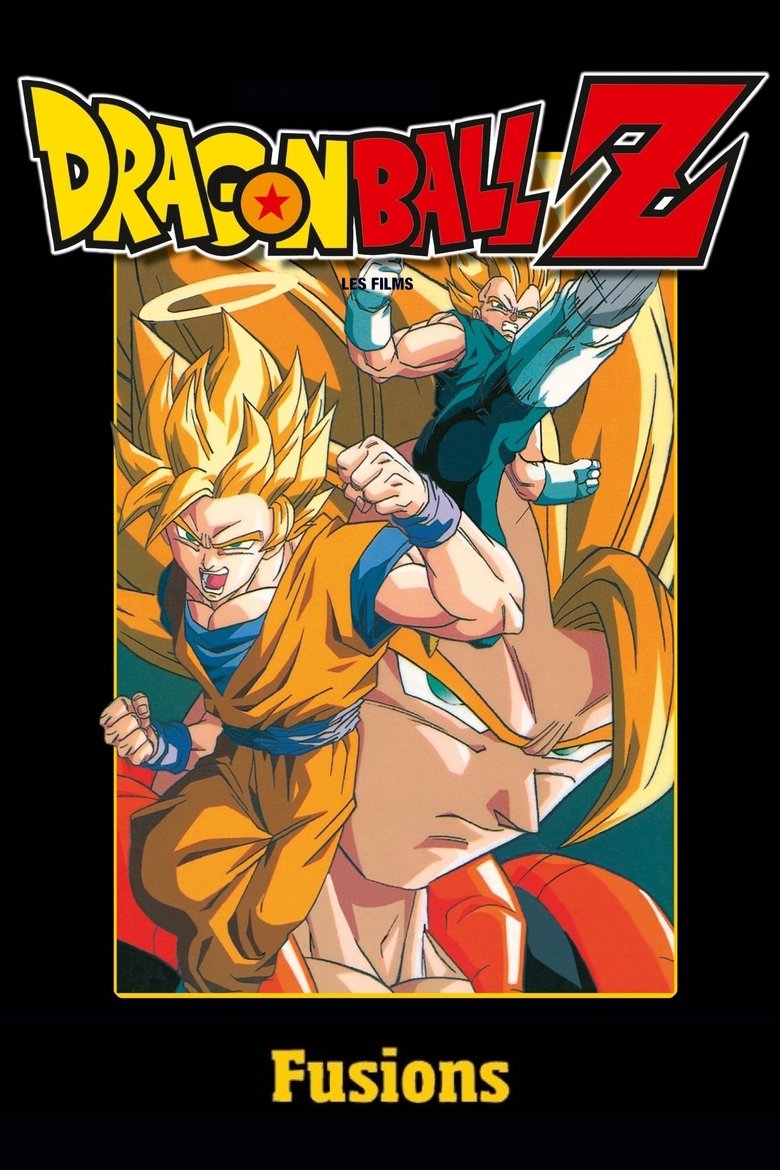
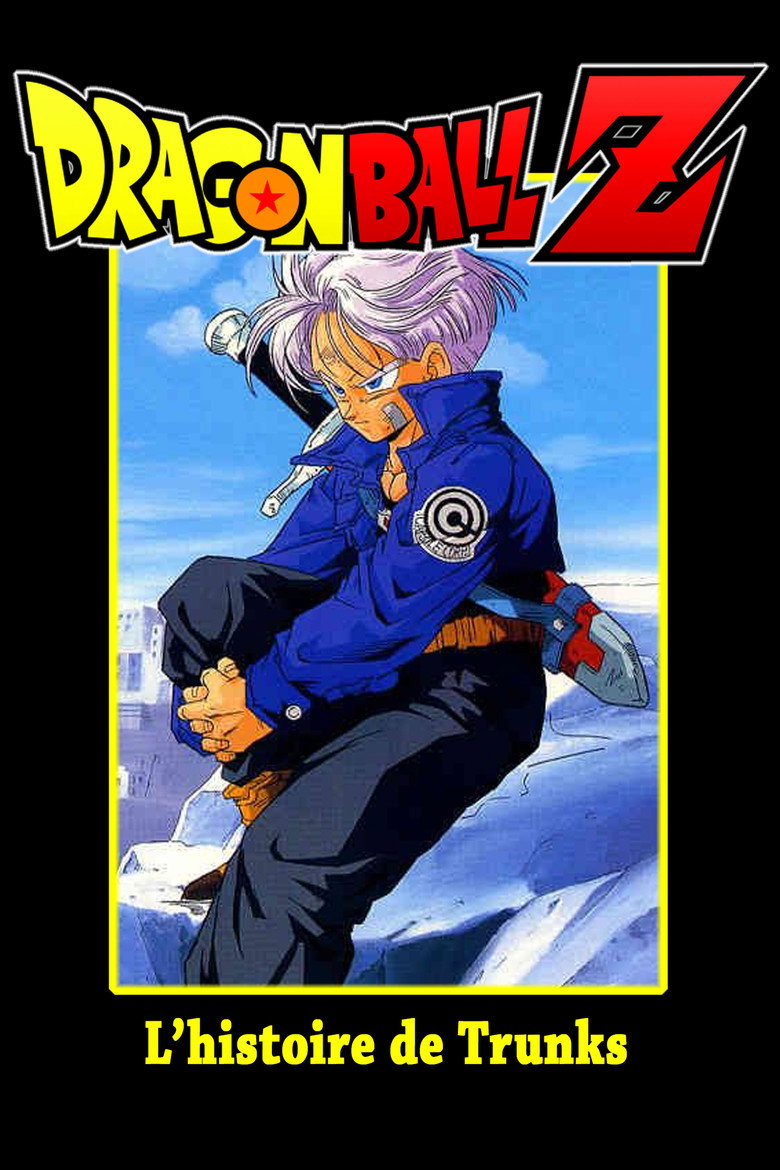
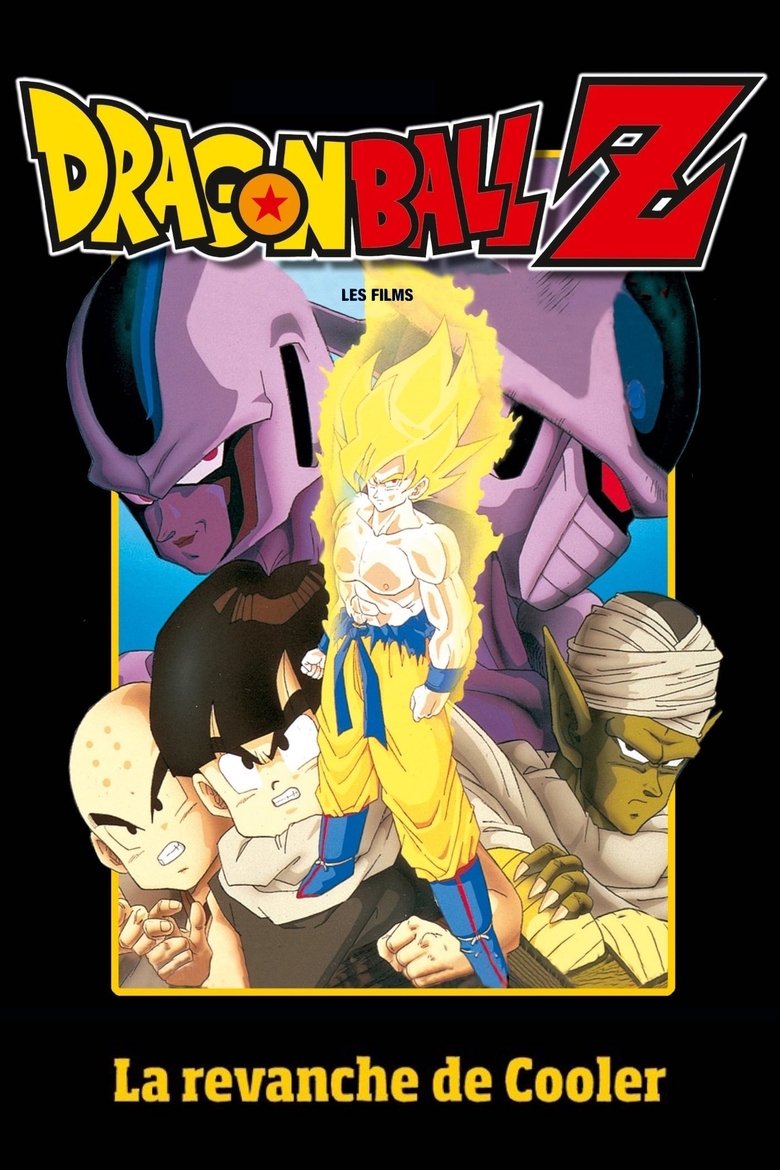
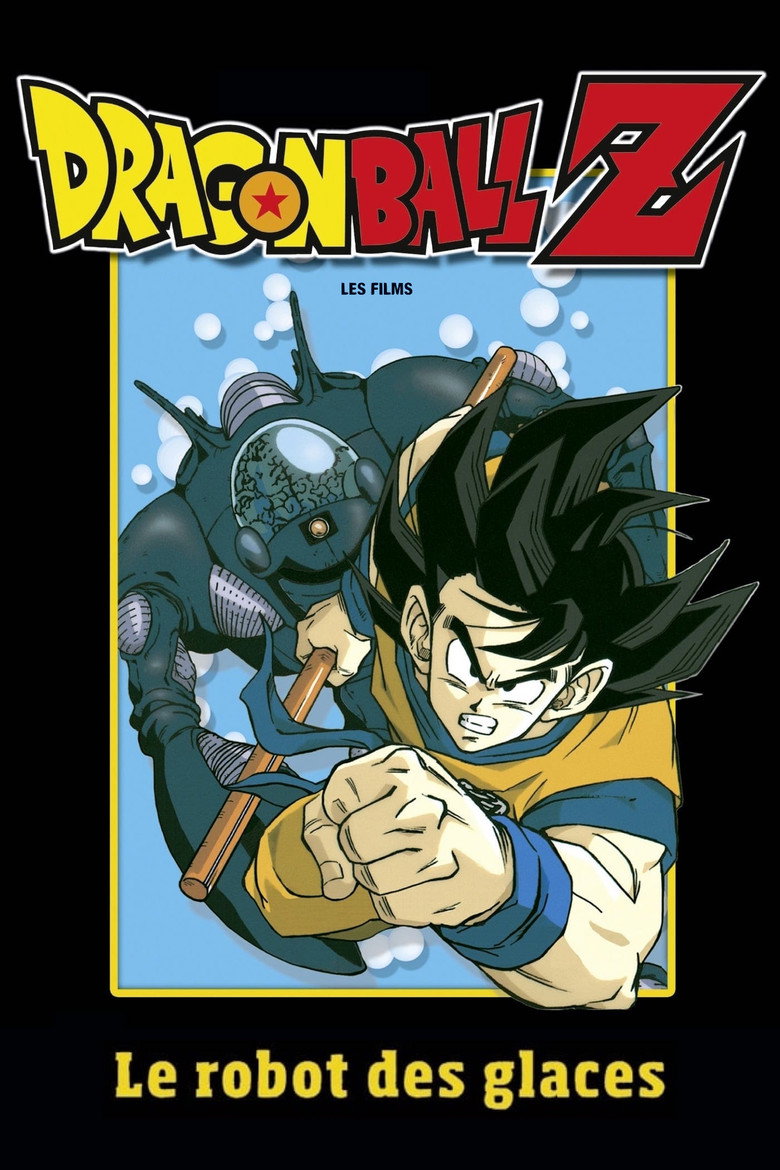
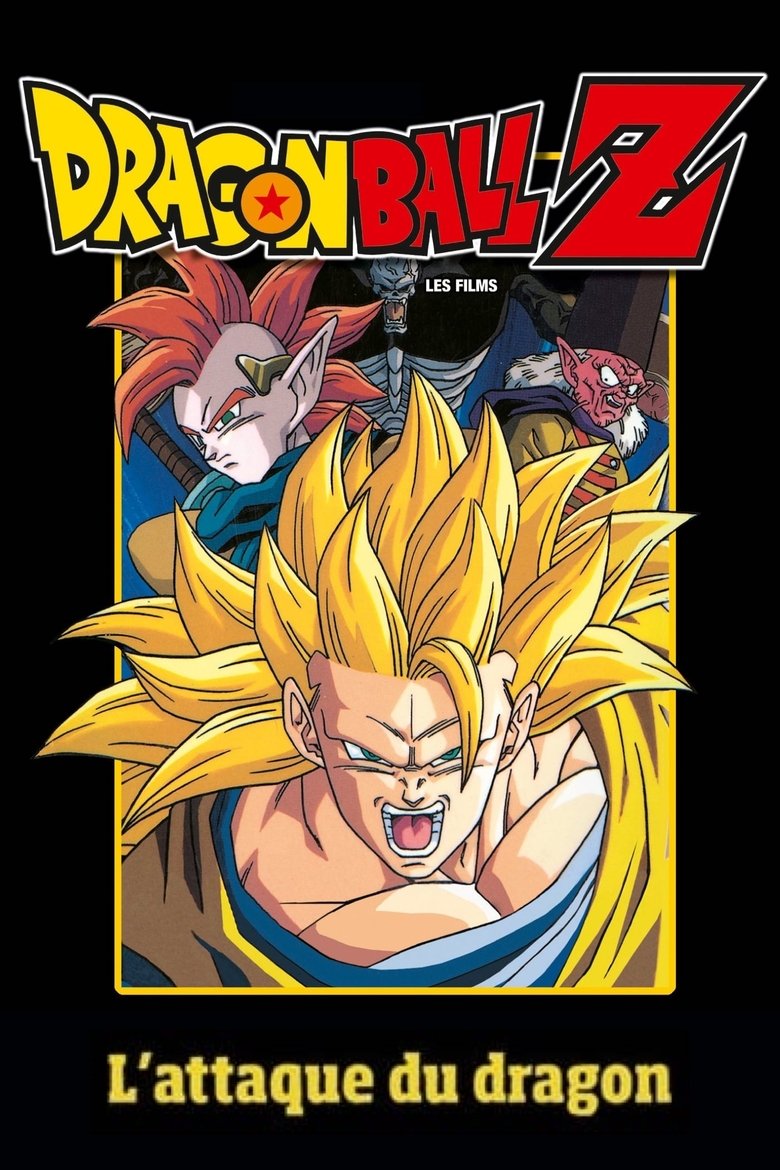
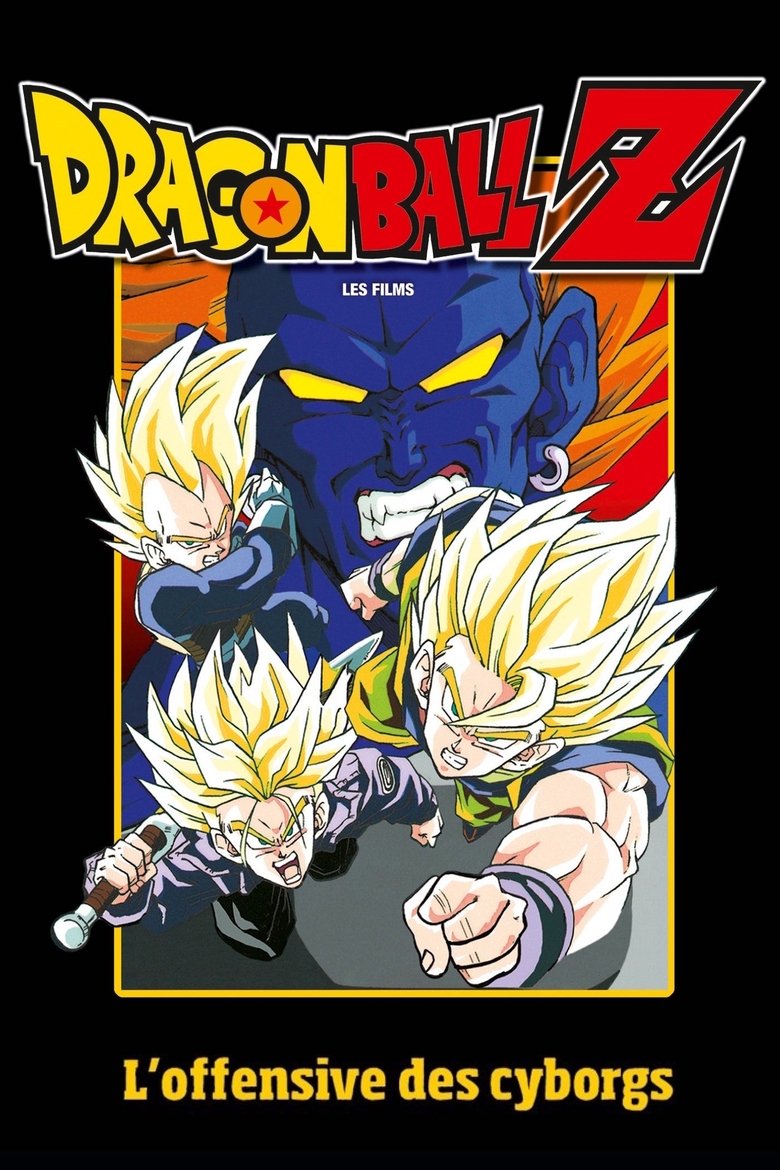
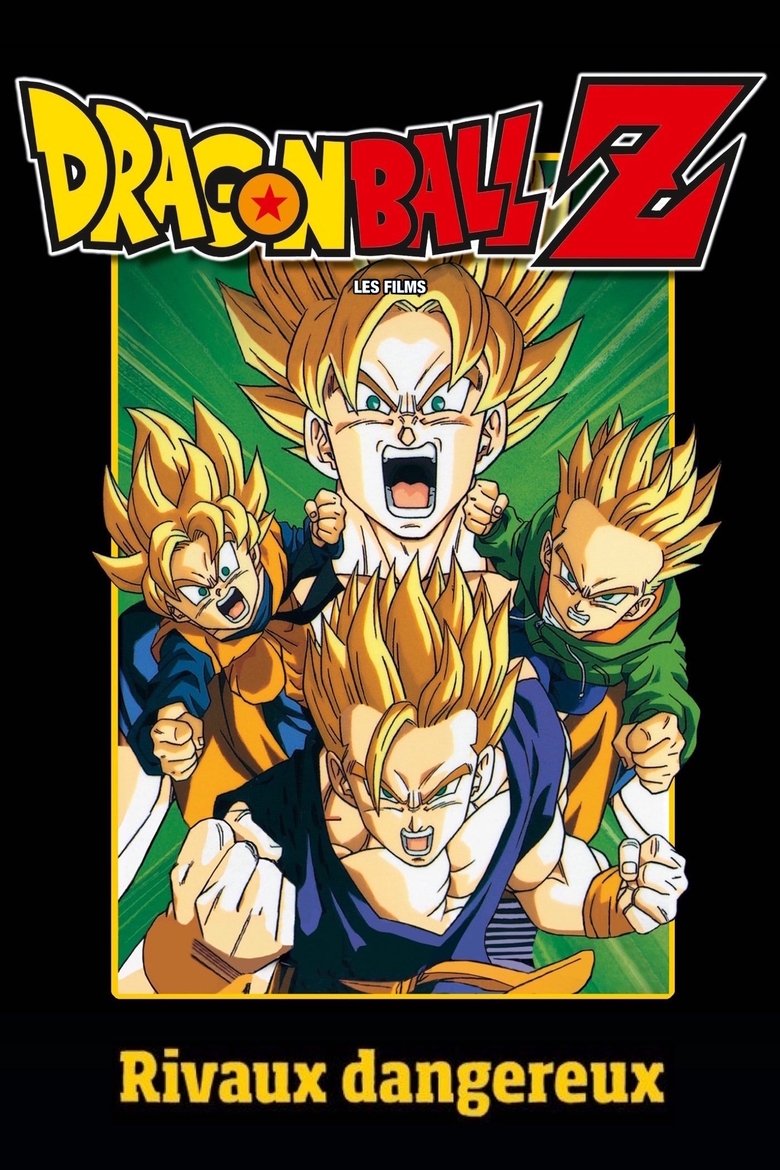
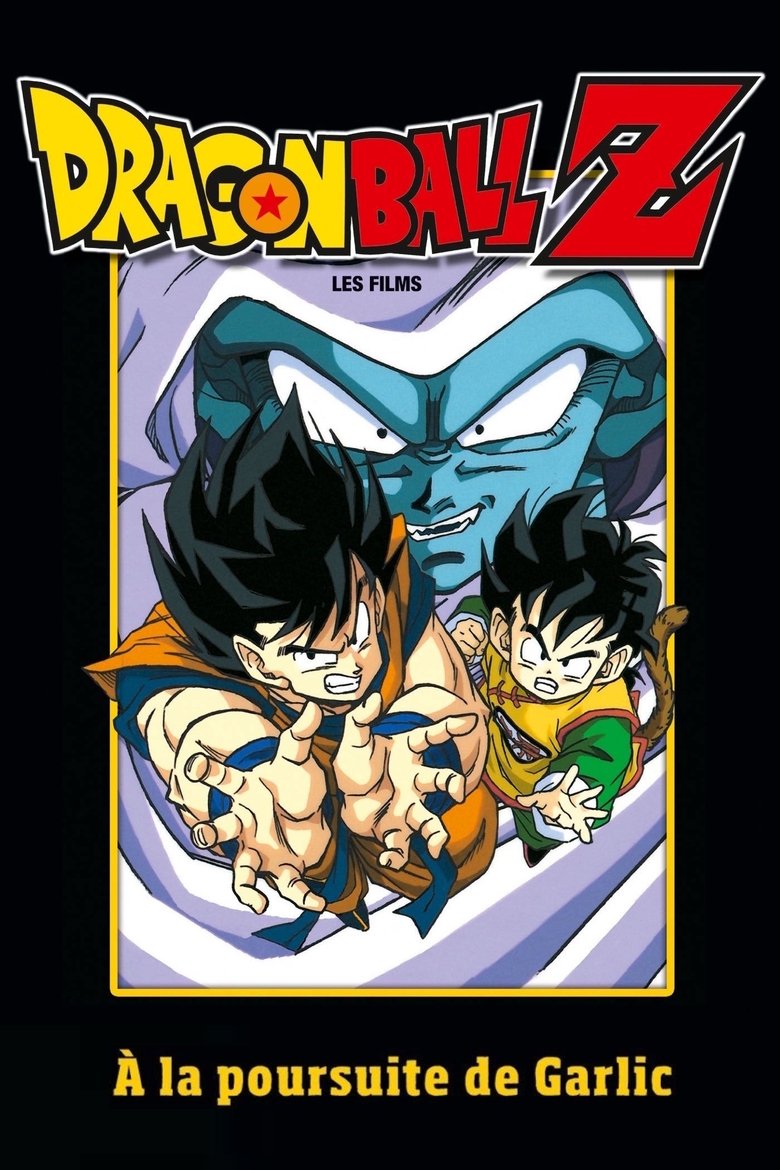
The television adaptation of Akira Toriyama's Dragon Ball premiered in 1986. It was accompanied by theatrical films, beginning with Curse of the Blood Rubies (1986), followed by numerous Dragon Ball Z features released between 1989 and 1995.
These productions contributed to the expansion of Japanese animation franchises through television, cinema, home video and merchandise.
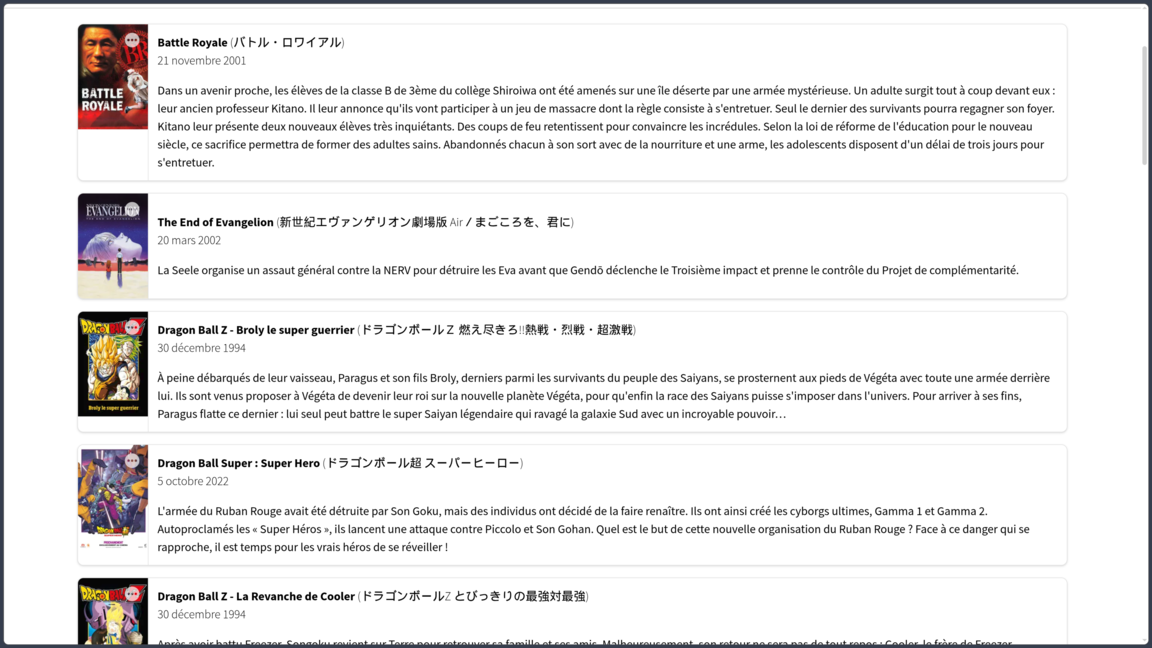
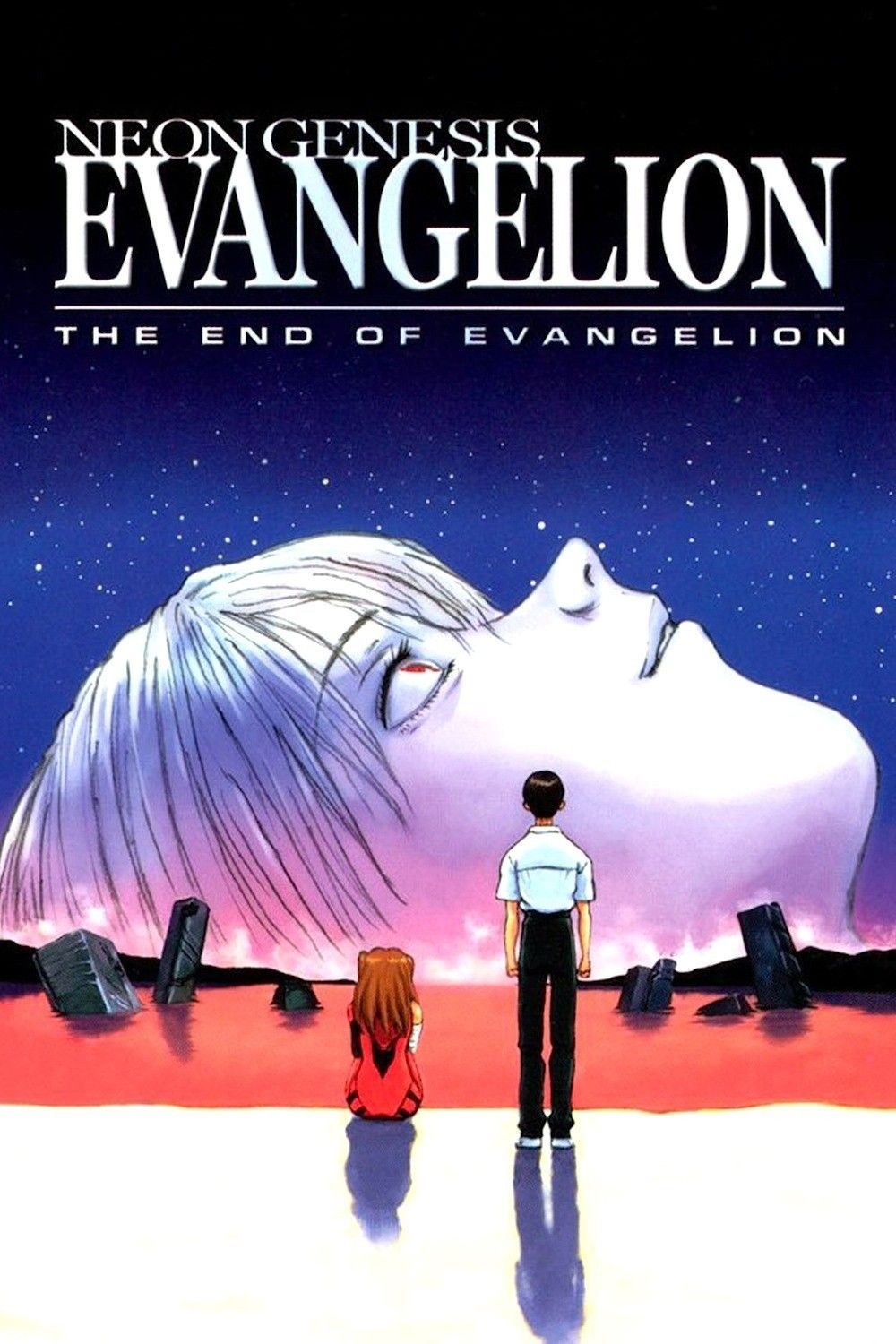
Toei Company was also associated with the Japanese theatrical distribution of The End of Evangelion (1997), directed by Hideaki Anno and Kazuya Tsurumaki, without serving as the studio responsible for its animation.
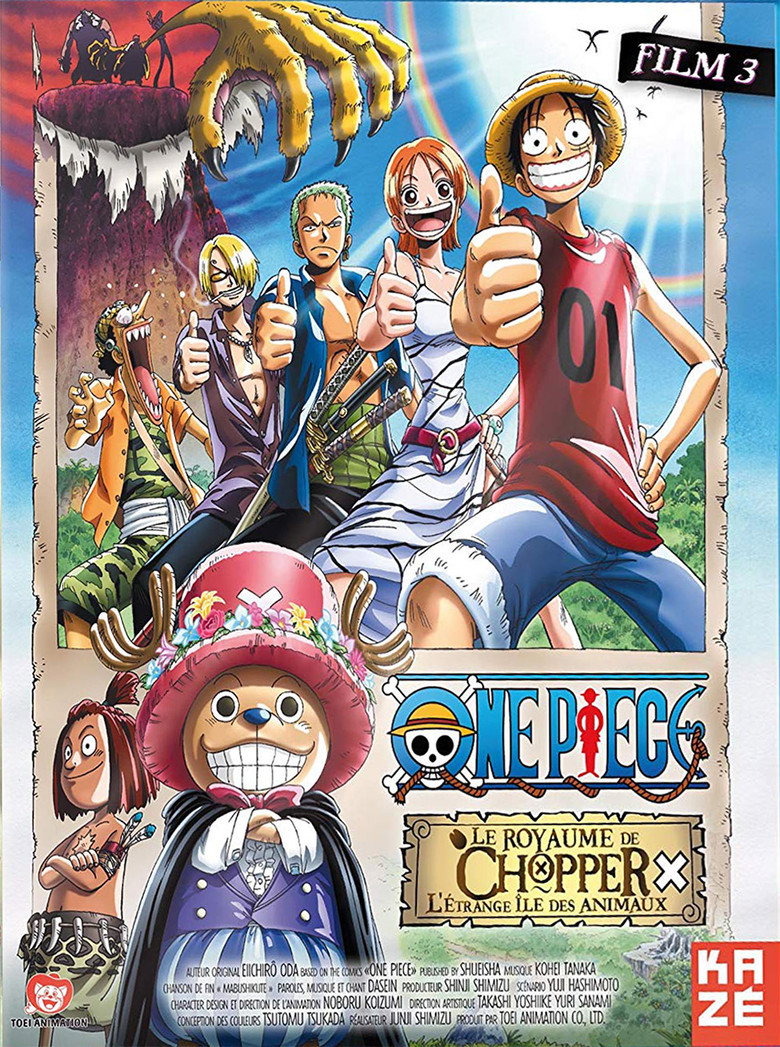
By the end of the decade, One Piece had joined the group's major properties, with its television adaptation launching in 1999 and theatrical features following.
Since 2000 — Renewed Franchises and Worldwide Distribution
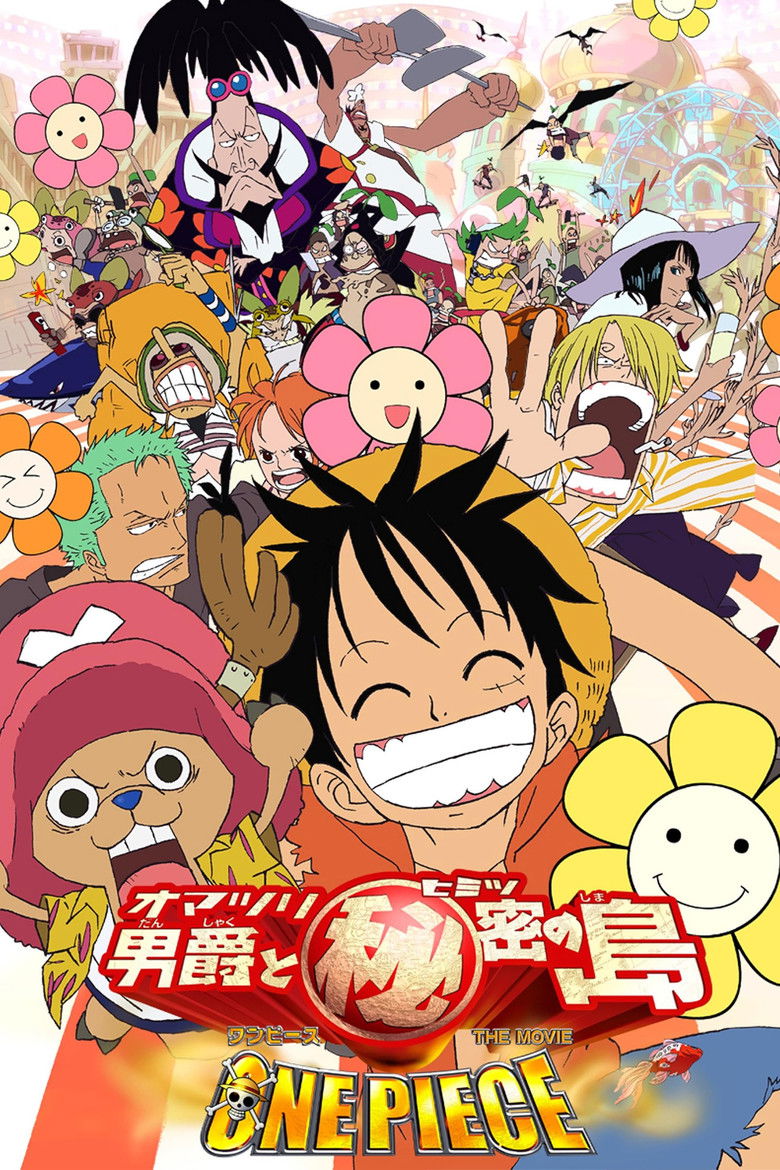
During the 2000s, Toei Company continued supporting theatrical releases associated with One Piece, including Baron Omatsuri and the Secret Island (2005), directed by Mamoru Hosoda.
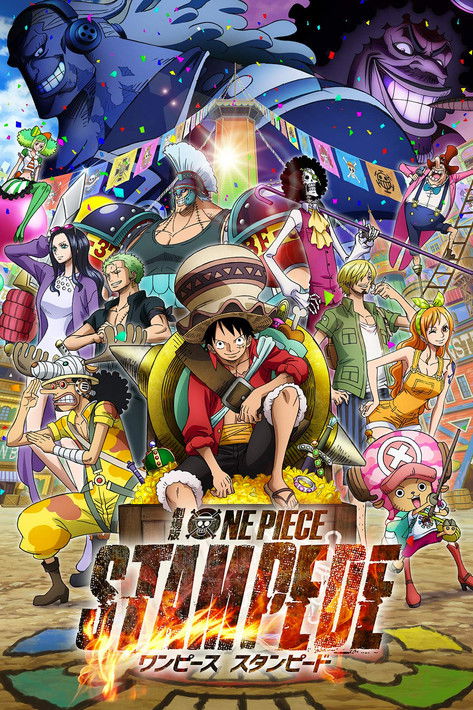
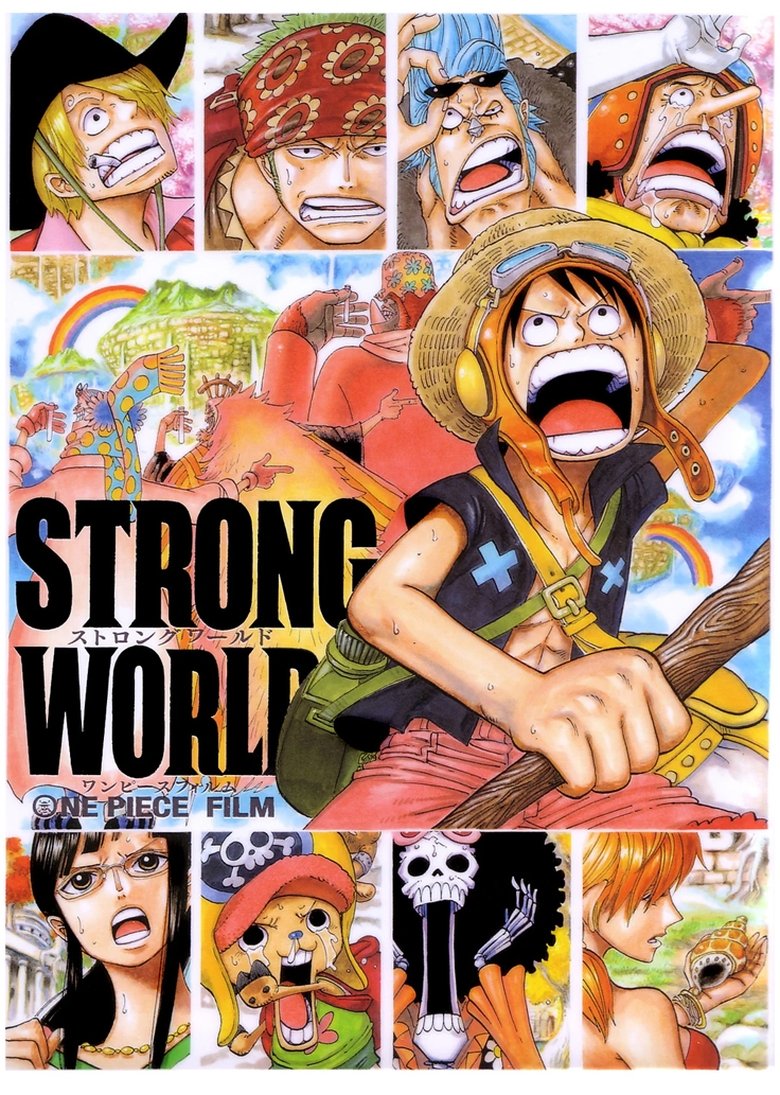
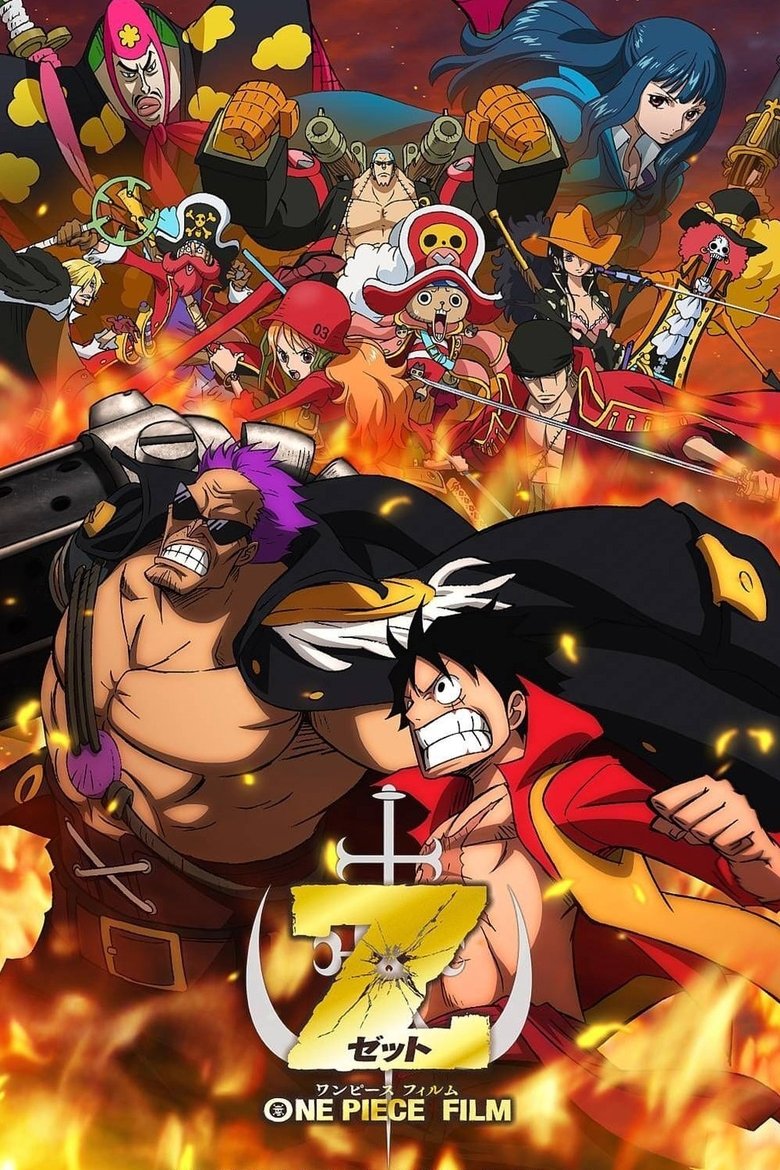
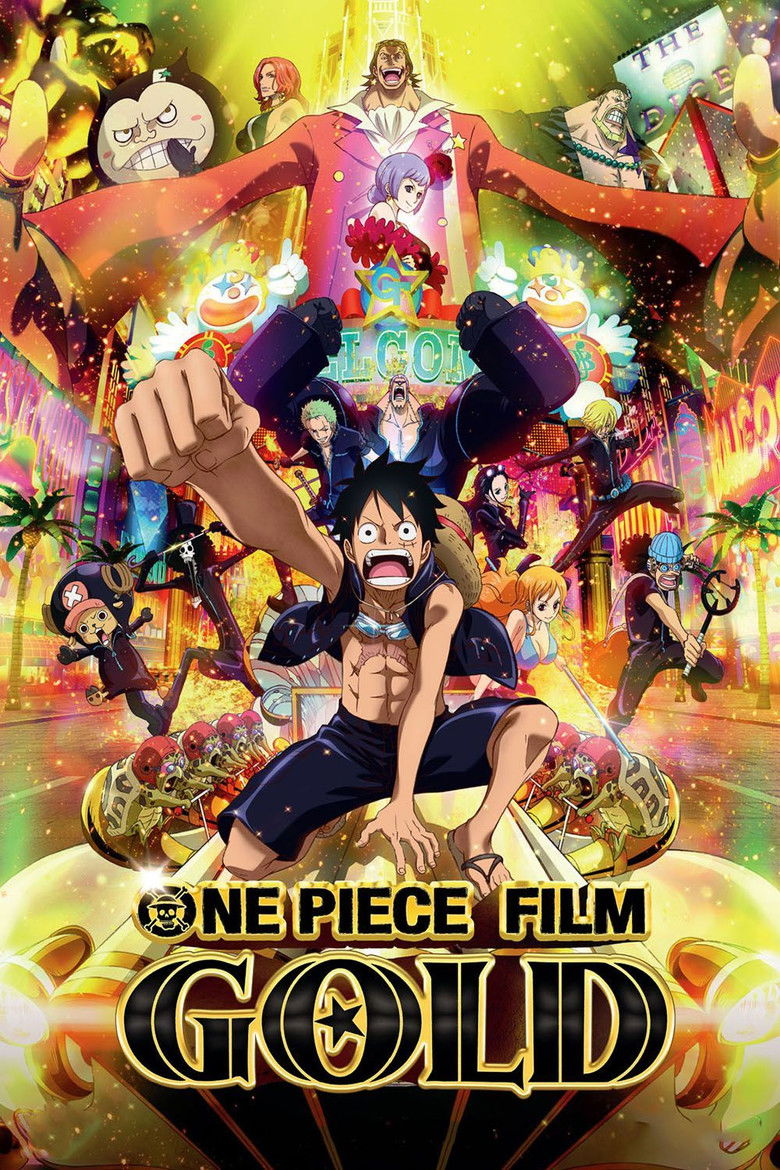
The franchise continued with One Piece Film: Strong World (2010), Film Z (2012), Gold (2016) and Stampede (2019).
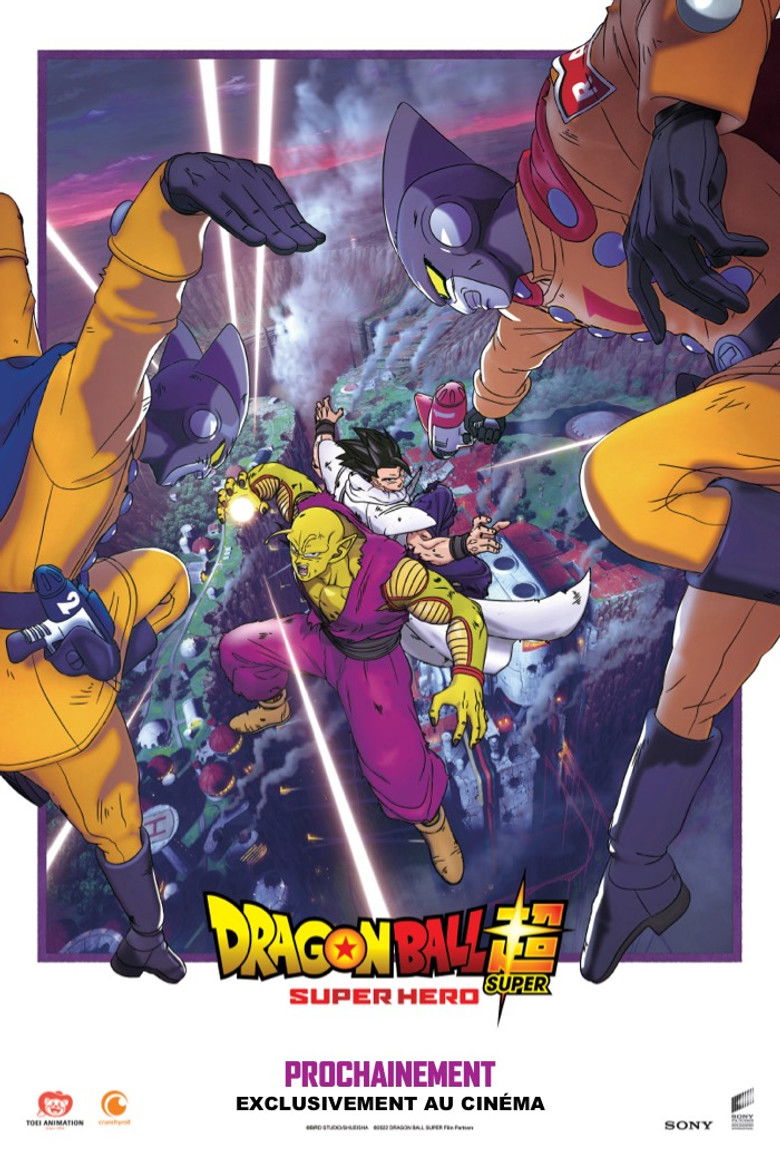
Meanwhile, Dragon Ball returned to theaters with Battle of Gods (2013), Resurrection 'F' (2015), Dragon Ball Super: Broly (2018) and Dragon Ball Super: Super Hero (2022).
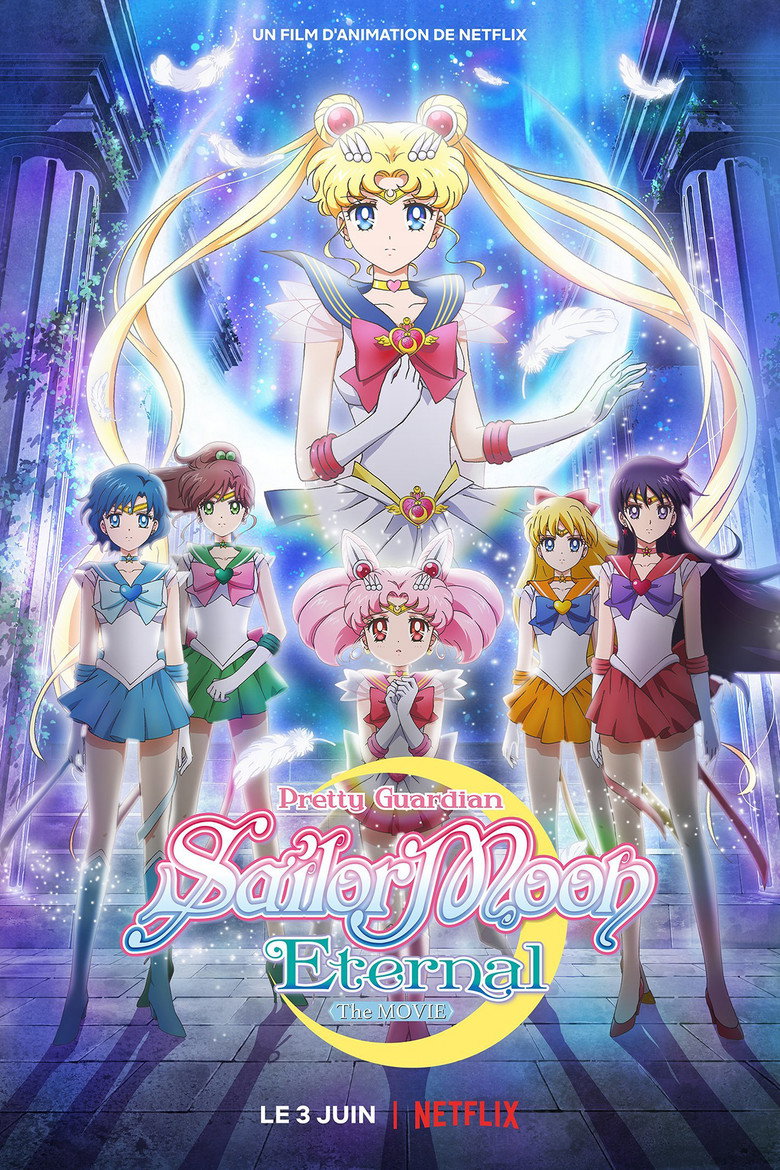
The group was also associated with Pretty Guardian Sailor Moon Eternal (2021), continuing another established anime franchise.
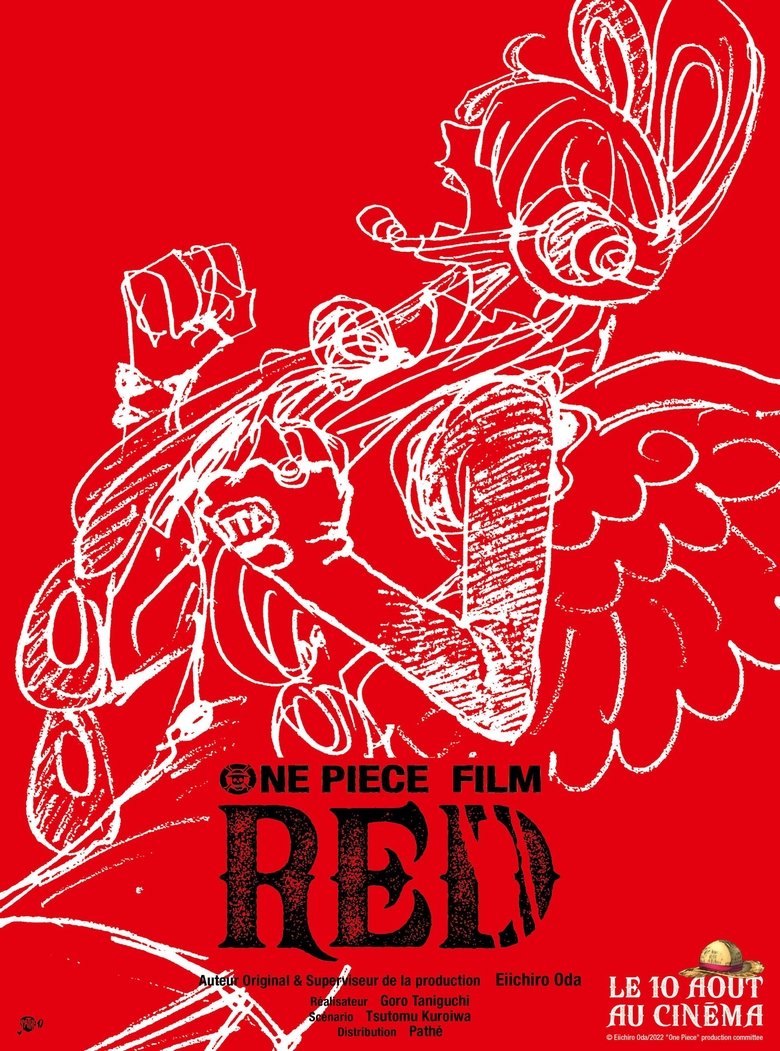
In 2022, One Piece Film: Red achieved major commercial success in Japan and internationally, demonstrating the enduring appeal of these properties across generations.
Toei also continues producing live-action cinema, Kamen Rider and Super Sentai television projects and internationally distributed entertainment. Its business combines production facilities, film distribution, audiovisual production and intellectual property management.
What Sets It Apart
An Integrated Production and Distribution Business
Toei operates across filmmaking, production facilities, distribution and the commercial exploitation of entertainment properties. This structure supports projects intended for both cinema and television.
Its Longstanding Relationship with Toei Animation
The 1956 acquisition of Nichido Film established the foundations of Toei Animation. Although connected, the two companies have distinct roles. Toei Animation creates animated productions, while Toei Company supports production, distribution and broader group operations.
Franchises Spanning Generations
From Kamen Rider and Super Sentai to Dragon Ball and One Piece, Toei has supported popular entertainment properties for decades through films, television series and multiple distribution formats.
Key Facts
- Recorded founding year: 1950.
- Country: Japan; headquartered in Tokyo.
- Origins: Consolidation of film businesses during the early 1950s.
- Studios: Production facilities in Tokyo and Kyoto.
- Toei Animation: Emerged from the acquisition of Nichido Film in 1956.
- Tokusatsu: Associated with the Kamen Rider and Super Sentai franchises.
- Dragon Ball: Involved in the franchise's theatrical activities since the 1980s.
- One Piece: Numerous feature films distributed and commercially exploited across the group.
- Activities: Production, distribution, television, theatrical exhibition and intellectual property management.
- Status: Active company.