




















Presentation
Relativity Media is an American film production, financing and distribution company founded in 2004 by Ryan Kavanaugh and Lynwood Spinks. Based in Los Angeles, it occupies a distinctive place in modern Hollywood history through its business model combining private investment, multi-film financing agreements and independent production.
Initially, Relativity did not operate as a conventional film studio. Its principal activity involved arranging investment capital to finance groups of films simultaneously, working with major companies such as Universal Pictures and Sony Pictures. This structure allowed it to participate in numerous productions without necessarily overseeing their creative development or distribution.
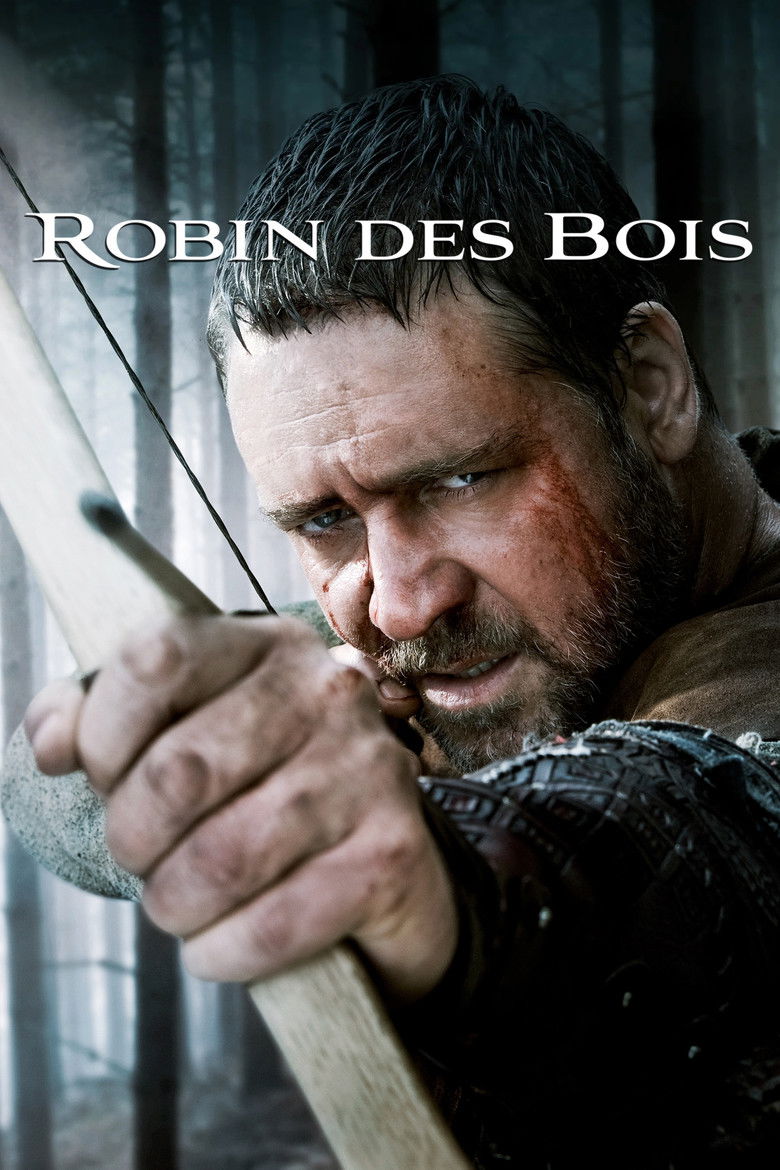
Its name consequently appears in the credits of very different films, including The Fast and the Furious: Tokyo Drift (2006), American Gangster (2007), Burn After Reading (2008), The Social Network (2010), Robin Hood (2010) and Oblivion (2013).
Over time, the company sought to move beyond its role as a financial partner and establish itself as an independent studio capable of developing, producing, marketing and distributing its own films.
This transformation led to releases including Limitless (2011), Immortals (2011) and 21 Jump Street (2012), while Relativity continued investing in major Hollywood productions.
Following rapid expansion, the company experienced severe financial difficulties, resulting in two bankruptcy restructuring processes, in 2015 and 2018. Acquired by new investors, Relativity Media subsequently refocused on acquiring and distributing independent films.
History
2004–2007 — Creating a New Film Financing Model
Relativity Media was established in 2004 by Ryan Kavanaugh and Lynwood Spinks with the intention of connecting financial markets more closely to the motion picture industry.
At the time, Hollywood studios were seeking ways to share the risks associated with increasing production budgets. Outside investors offered opportunities to finance portions of a studio's film slate rather than requiring a single company to bear every production cost.
Relativity specialized in a system known as slate financing. Instead of investing in one film at a time, investors funded a portfolio of productions through a shared agreement, spreading their exposure across multiple titles.
In 2005 and 2006, the company arranged major financing agreements involving Universal Pictures and Sony Pictures. It established relationships with banks, investment funds and distributors.
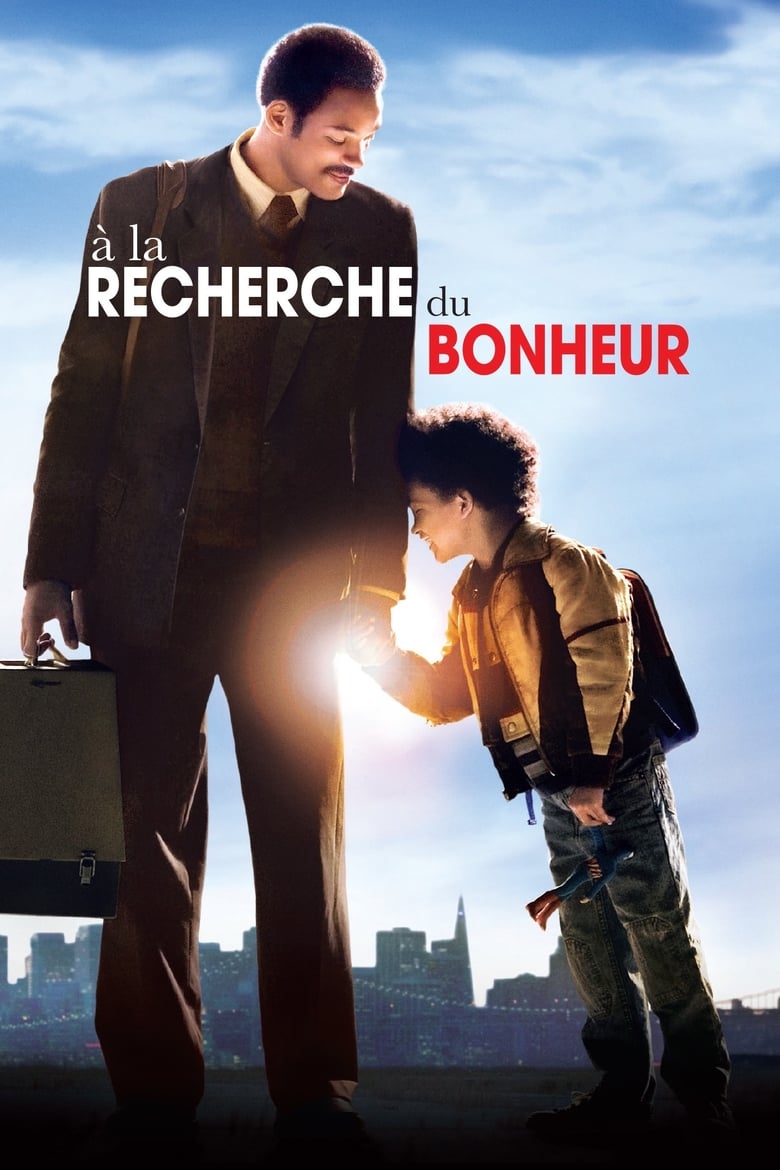
This activity explains its involvement in films such as Nancy Meyers's romantic comedy The Holiday (2006), Gabriele Muccino's The Pursuit of Happyness (2006) and James Mangold's western 3:10 to Yuma (2007).
Relativity was not necessarily responsible for producing these films independently. In many cases, its contribution involved providing or arranging financing.
2008–2010 — Rapid Expansion Across Hollywood
Beginning in 2008, Relativity Media significantly expanded its business.
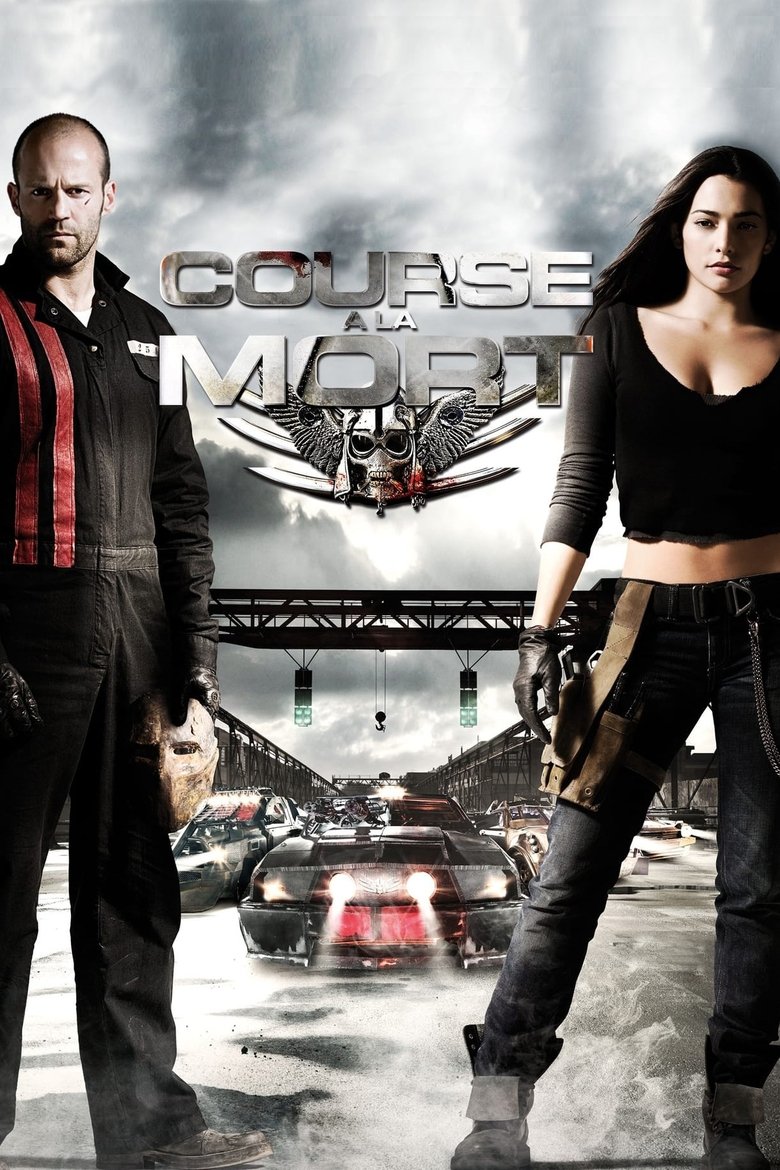
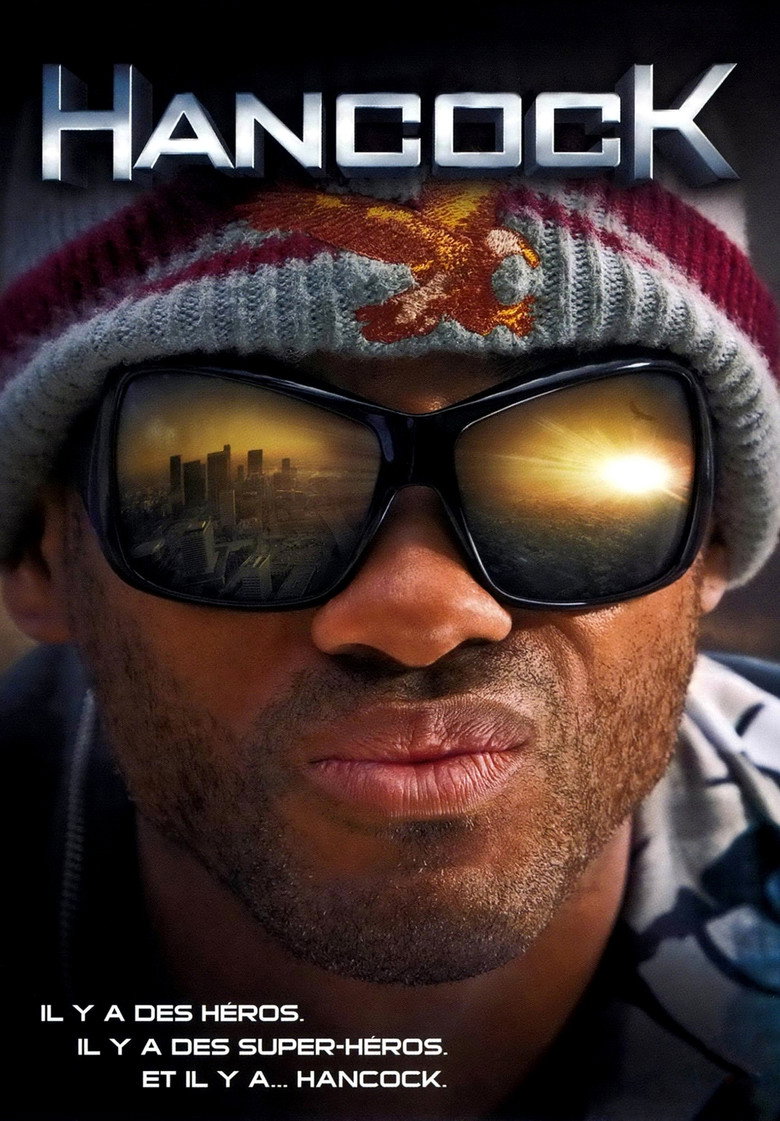
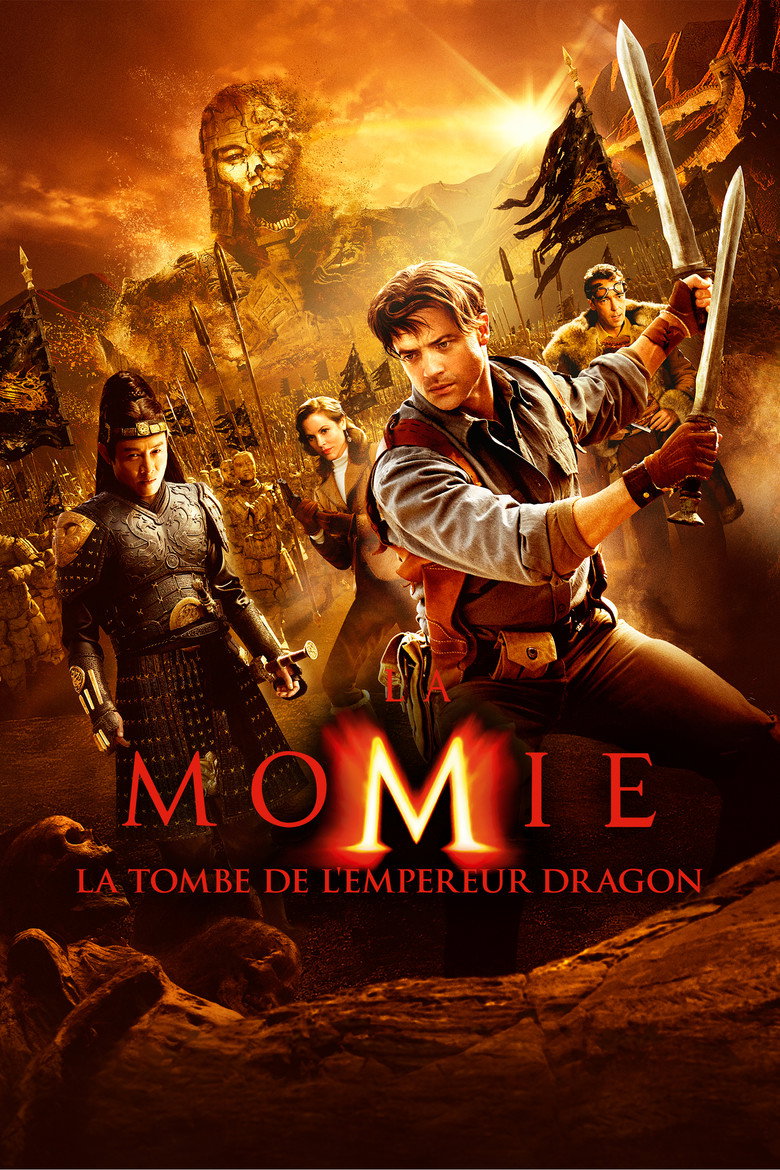
Through financial arrangements involving investors such as Elliott Management, the company participated in a growing number of major studio productions. Its credits included Hancock, Changeling, The Other Boleyn Girl, The Mummy: Tomb of the Dragon Emperor and Death Race, all released in 2008.
The variety of these productions reflected its central business strategy: investing across different genres, budgets and target audiences.
In January 2009, Relativity acquired Rogue Pictures from Universal Pictures in a transaction reportedly worth approximately $150 million.
The acquisition included the genre label's film library, numerous projects in development and agreements with producers specializing in horror and thrillers. It represented an important expansion beyond financing alone.
In July 2010, the company acquired the theatrical distribution and marketing operations of Overture Films, previously owned by Starz. This brought experienced distribution personnel into Relativity and gave it the ability to organize theatrical releases.
Relativity also established a significant licensing agreement with Netflix for the streaming distribution of its films following their theatrical runs.
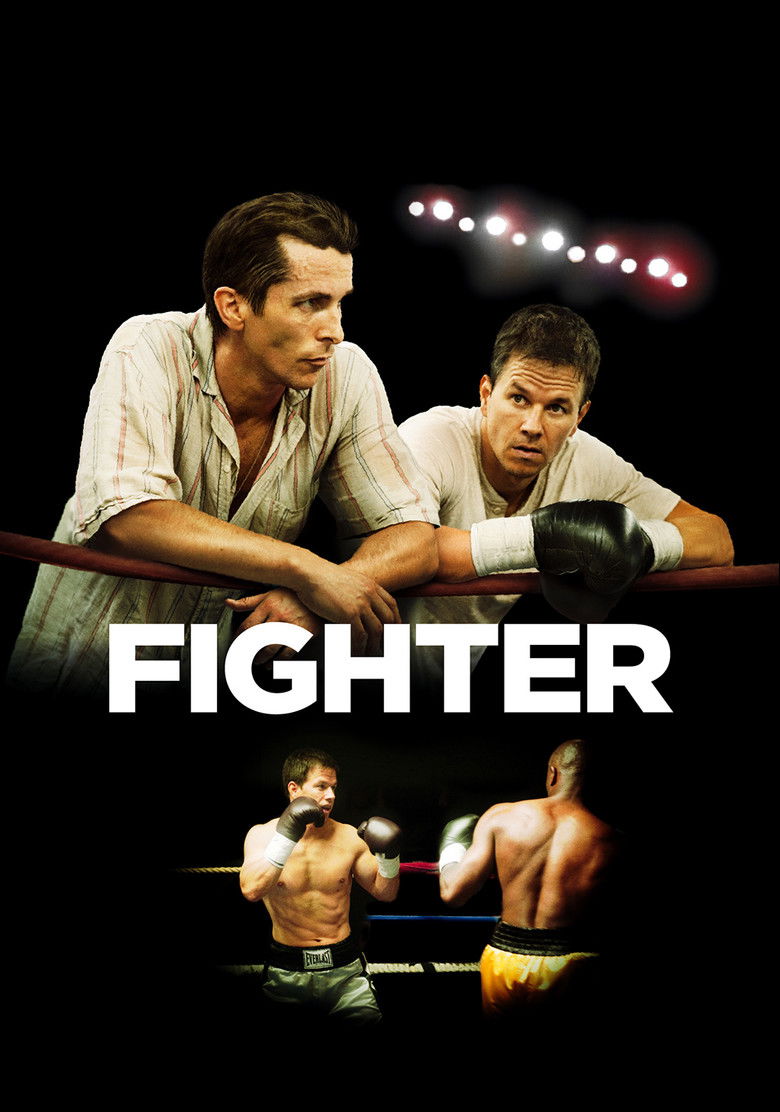
That same year, the company participated in two acclaimed productions: David Fincher's The Social Network and David O. Russell's The Fighter.
The former examines the creation of Facebook and won three Academy Awards. The latter portrays boxer Micky Ward and received seven nominations and two Academy Awards in 2011.
Both productions demonstrated Relativity's involvement in critically recognized filmmaking, even when its contribution was primarily financial.
2011–2013 — From Financier to Independent Studio
The acquisition of distribution capabilities allowed Relativity to begin releasing films directly under its own banner.
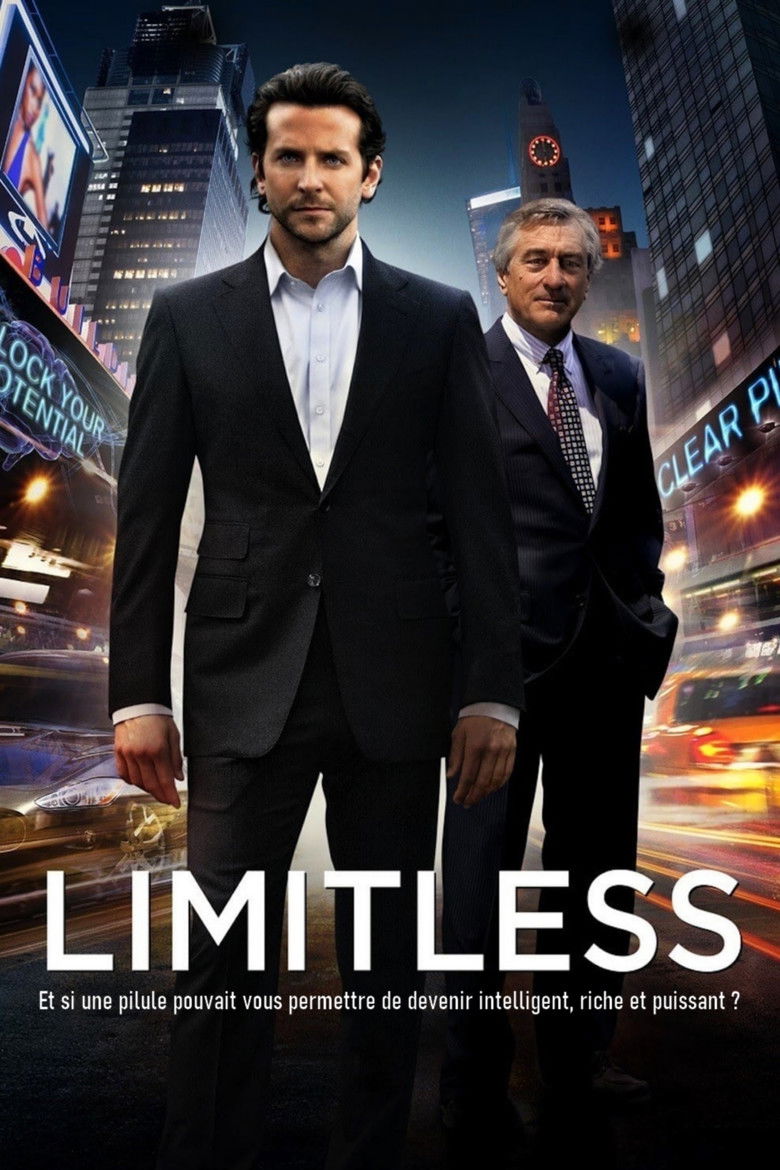
In 2011, it distributed Limitless, directed by Neil Burger and starring Bradley Cooper and Robert De Niro. Adapted from Alan Glynn's novel, the film follows a struggling writer who discovers a substance that temporarily enhances his intellectual abilities.
That same year, Relativity released Immortals, Tarsem Singh's fantasy adventure inspired by Greek mythology. Starring Henry Cavill, the production combined elaborate visual design, large-scale battles and digital effects.
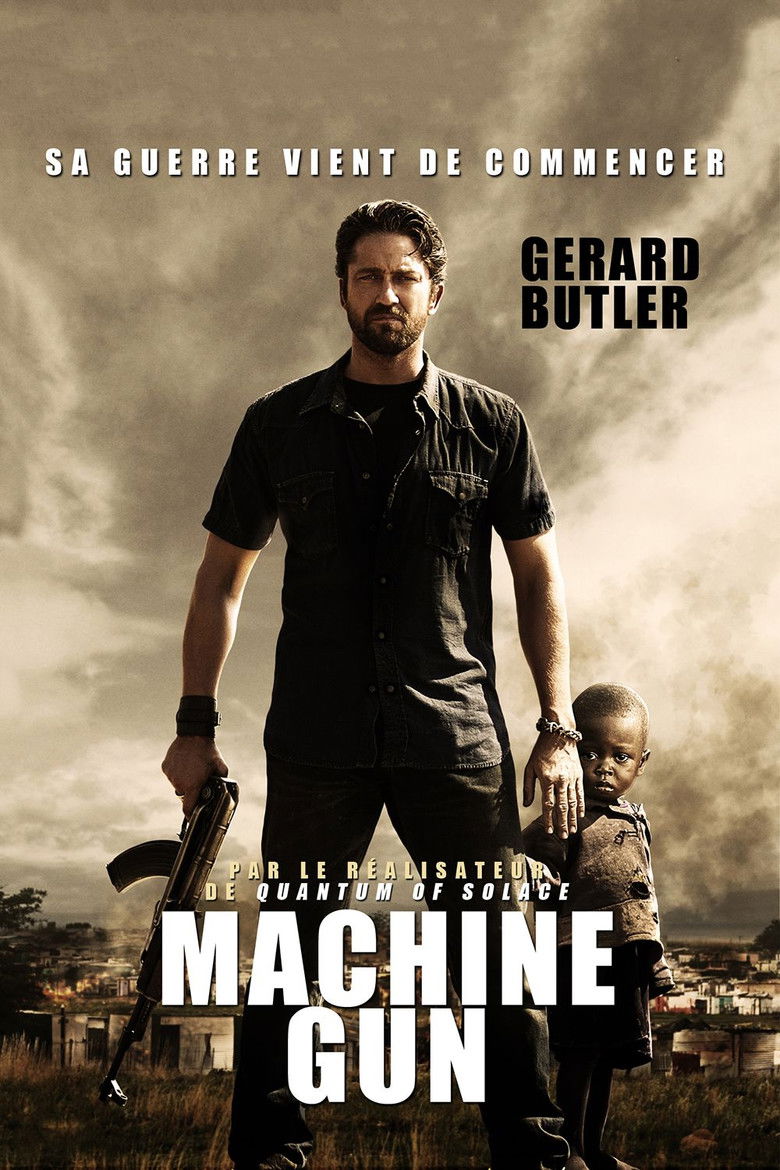
The studio also worked on Machine Gun Preacher, Marc Forster's biographical drama starring Gerard Butler, while continuing its financing relationships with Universal and Sony.
In 2012, Relativity participated in 21 Jump Street, Phil Lord and Christopher Miller's action comedy starring Jonah Hill and Channing Tatum. Based on the 1980s television series, the film achieved significant commercial success.
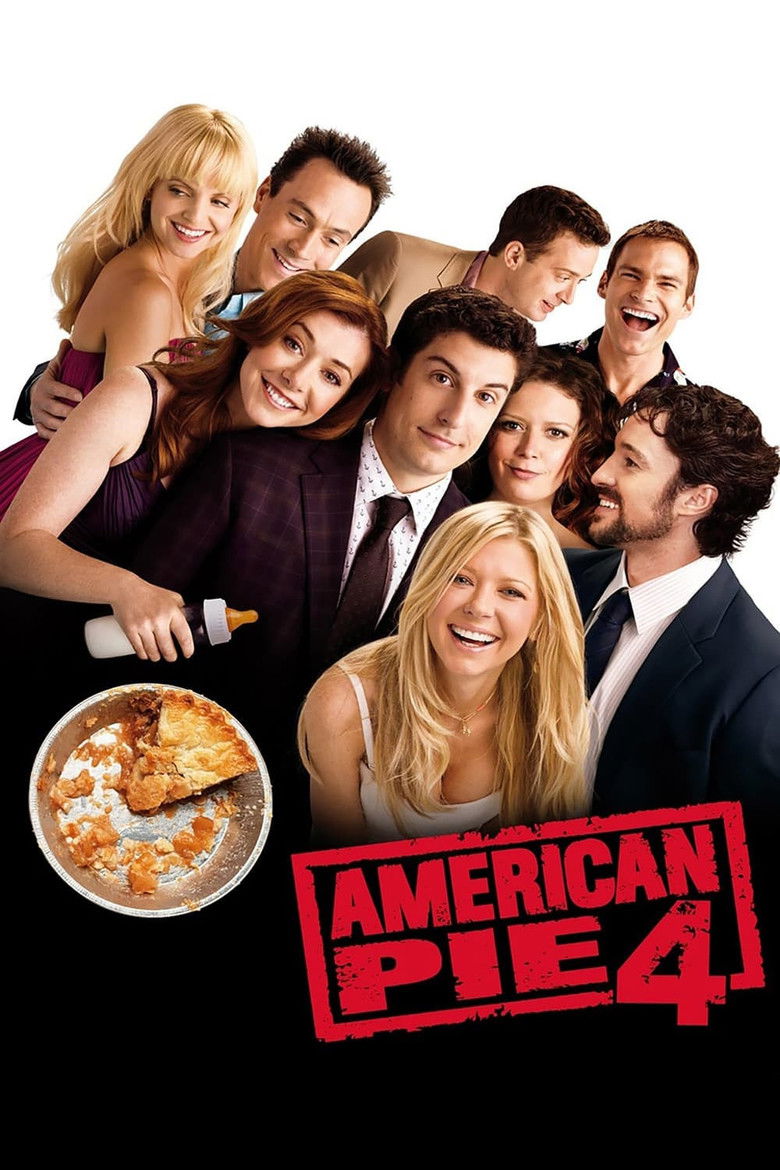
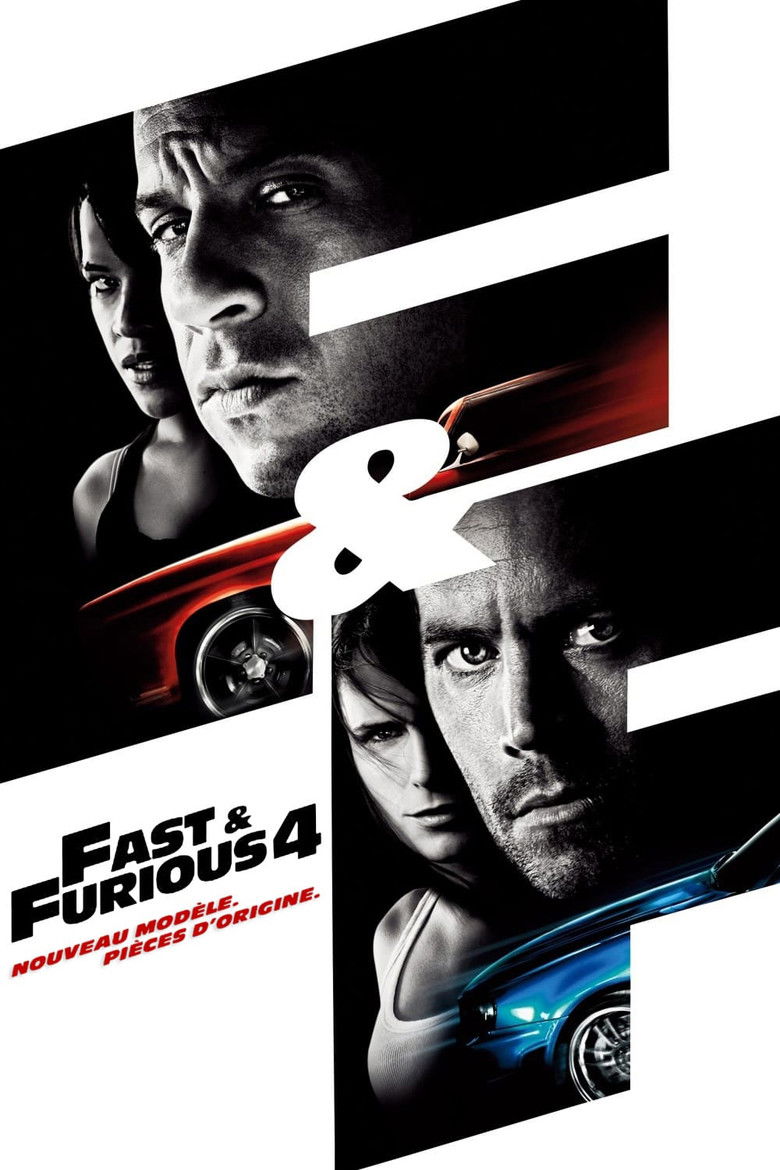
Meanwhile, the company remained financially associated with established franchises including Fast & Furious, American Pie and Jason Bourne, alongside historical and fantasy productions.
Its 2013 credits included Fast & Furious 6, Joseph Kosinski's science-fiction film Oblivion, starring Tom Cruise, 47 Ronin and Out of the Furnace.
However, the commercial performance of the studio's own releases remained inconsistent. Some films reached substantial audiences, while others struggled to recover their production and marketing costs.
2014–2016 — Financial Crisis and First Bankruptcy
By the mid-2010s, Relativity Media had developed an increasingly complex corporate structure. Alongside film production, it operated businesses associated with television, music, digital media, sports and other entertainment sectors.
This expansion required substantial investment. The company needed to fund new films, finance marketing campaigns and repay borrowing accumulated during earlier years.
Financial difficulties intensified when several releases failed to achieve their expected commercial results. On July 30, 2015, Relativity Media filed for Chapter 11 bankruptcy protection in the United States.
Court documents reported approximately $1.2 billion in liabilities against assets with a book value of around $560 million.
The proceedings led to staff reductions, postponed releases and the restructuring of several divisions. The television business was separated from the remaining company and transferred to creditors.
Ryan Kavanaugh nevertheless assembled a group of investors to acquire much of Relativity's film-related assets.
In March 2016, a bankruptcy court approved the company's reorganization plan. Relativity emerged from bankruptcy with a reduced financial structure but continued facing significant financing and distribution challenges.
2017–2019 — Second Restructuring and New Ownership
Relativity Media struggled to regain stability following its initial restructuring. Several films experienced delays, commercial results remained uncertain, and relationships with financial partners became increasingly difficult.
In early 2018, the company entered a second Chapter 11 restructuring process.
On May 3, 2018, Relativity announced an agreement to sell substantially all its assets to UltraV Holdings, an investment partnership involving funds managed by Sound Point Capital and investors associated with David Robbins and Lex Miron.
The acquisition was designed to restructure the company's financial obligations and restore its capacity to develop and distribute motion pictures.
This transition ended the period during which Ryan Kavanaugh directly controlled Relativity Media's operations.
A further asset restructuring was completed in 2019. The company retained the Relativity name but continued under new ownership with a business strategy different from the rapid expansion model of the 2000s.
Since 2020 — A Gradual Return to Independent Distribution
Under UltraV Holdings, Relativity Media refocused on acquiring film rights, distribution and the development of selected productions.
The company increasingly targeted independent films featuring recognizable performers, commercially accessible stories and opportunities for theatrical and digital distribution.
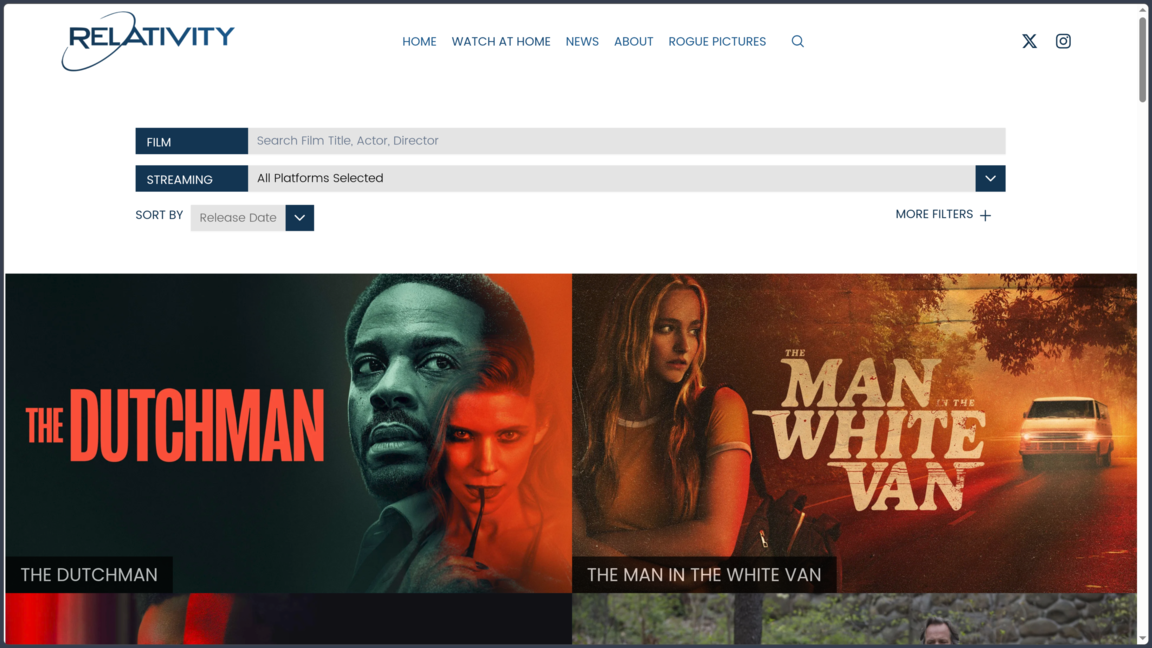
Its releases during the 2020s included Hypnotic (2023), Robert Rodriguez's thriller starring Ben Affleck, Freelance (2023), an action comedy featuring John Cena, and The Man in the White Van, Warren Skeels's thriller, which received a United States theatrical release in December 2024.
Relativity also participated in distributing The Knife, a dramatic thriller directed by Nnamdi Asomugha, and The Dutchman, Andre Gaines's adaptation of Amiri Baraka's stage play, released in 2026.
On May 8, 2025, Relativity Media announced a new financing agreement with Content Partners Capital.
The investment was intended to support the acquisition of additional distribution rights, expansion of the company's film library and further development of film and television operations.
At the time, chief executive Lex Miron outlined a plan to invest approximately $100 million in acquiring domestic film rights over several years. The company also reported a library containing nearly 200 films.
This renewed strategy placed greater emphasis on independent distribution and rights management than on the large-scale Hollywood financing model that had originally established Relativity's reputation.
What Sets It Apart
An Innovative Hollywood Financing Model
Relativity Media's primary historical distinction was its extensive use of multi-film financing arrangements.
Rather than investing exclusively in individual productions, the company organized agreements covering entire groups of films, bringing together banks, private investors and major studios.
This enabled Relativity to participate in numerous productions without necessarily exercising the same creative or operational responsibilities on every project.
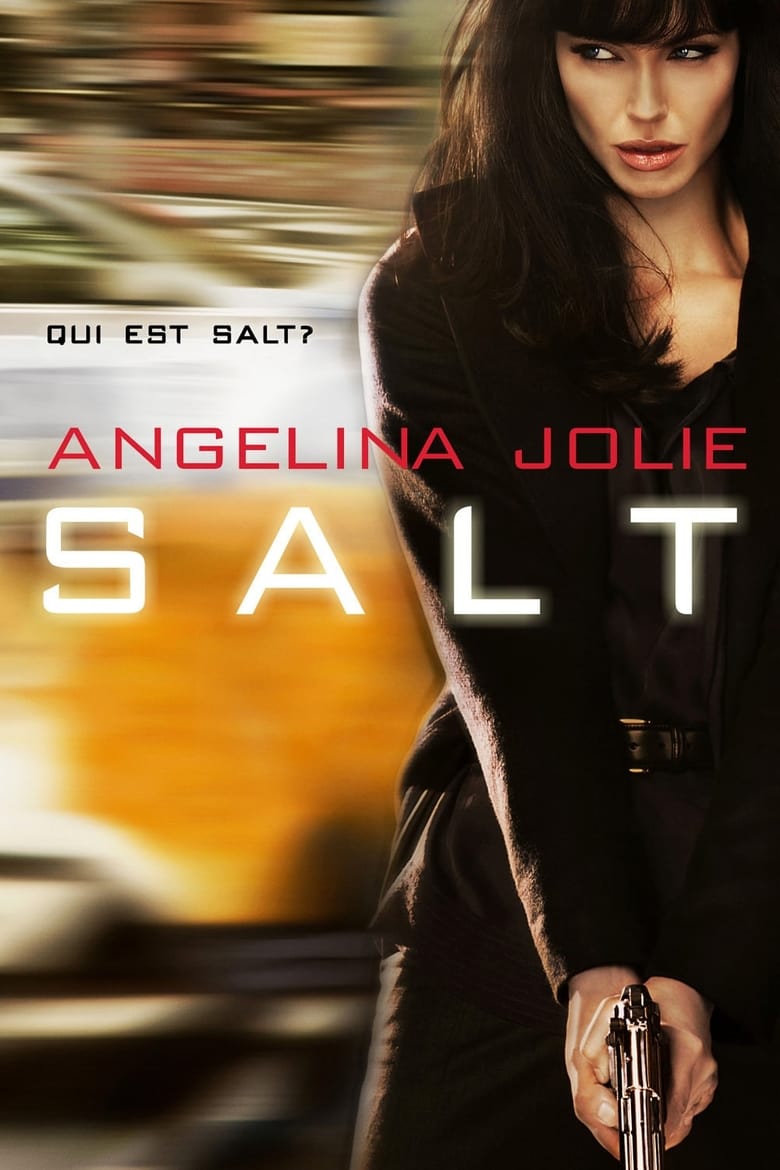
It also explains its involvement in films as different as Burn After Reading, Salt, The Social Network and Fast & Furious 6.
The Ambition to Build an Integrated Studio
By acquiring Rogue Pictures and Overture Films' distribution operations, Relativity sought to establish a company capable of controlling multiple stages of a film's commercial life.
Its activities came to encompass development, production, financing, marketing, theatrical distribution and digital exploitation.
This distinguished Relativity from a conventional investment business, but also increased its financial commitments and exposure to commercial risk.
A Presence Across Numerous Film Genres
Relativity Media's historical portfolio encompasses action, science fiction, comedy, biographical drama and literary adaptations.
The company was financially associated with films directed by David Fincher, Ridley Scott, Clint Eastwood, Michael Mann, Joel and Ethan Coen, and David O. Russell, often through agreements with other production companies.
It also participated in animated productions such as Hop (2011), directed by Tim Hill, which combines live-action footage with animated characters developed by Illumination Entertainment.
Financial Difficulties and Industrial Transformation
Relativity Media's history illustrates the financial risks involved in expanding a studio through major investments and uncertain film revenues.
Successful releases do not necessarily compensate for losses from underperforming films, expensive marketing campaigns and significant debt obligations.
The restructurings of 2015 and 2018 ultimately led the company toward a narrower business model focused on film acquisition and distribution.
Key Facts
- Founded: 2004, in the United States.
- Founders: Ryan Kavanaugh and Lynwood Spinks.
- Current headquarters: Los Angeles, California.
- Original business: Multi-film slate financing for major Hollywood studios.
- Major partners: Universal Pictures and Sony Pictures, through agreements involving banks and investment funds.
- Rogue Pictures: Acquired the genre-film label in January 2009.
- Overture Films: Acquired its marketing and theatrical distribution operations in July 2010.
- The Social Network and The Fighter: Two Academy Award-winning films in which Relativity held financing interests.
- First bankruptcy: Chapter 11 proceedings began on July 30, 2015, followed by an approved restructuring in March 2016.
- Second restructuring: New Chapter 11 proceedings in 2018, followed by the acquisition of assets by UltraV Holdings.
- Leadership: Lex Miron was chief executive officer when the company announced new financing in May 2025.
- Film library: Nearly 200 films according to company information published in 2025.
- New investment: A 2025 agreement with Content Partners Capital to expand rights acquisition and film distribution.
- Status: Active as an independent film distributor operating under the Relativity Media name.