






Presentation
Nippon Television Network Corporation is a Japanese broadcasting and audiovisual production company whose history dates to 1952. Commonly known as Nippon TV or NTV, it operates one of Japan's major commercial television channels and plays an important role in film and animation financing, production and broadcasting.
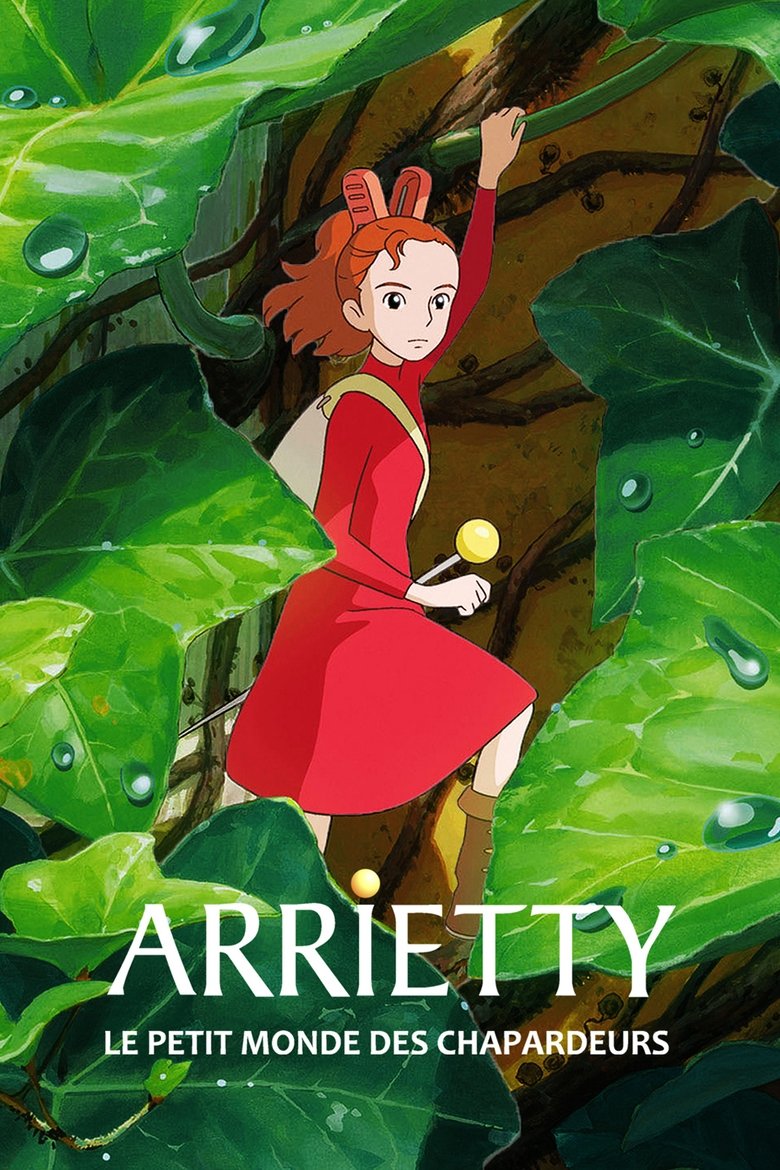
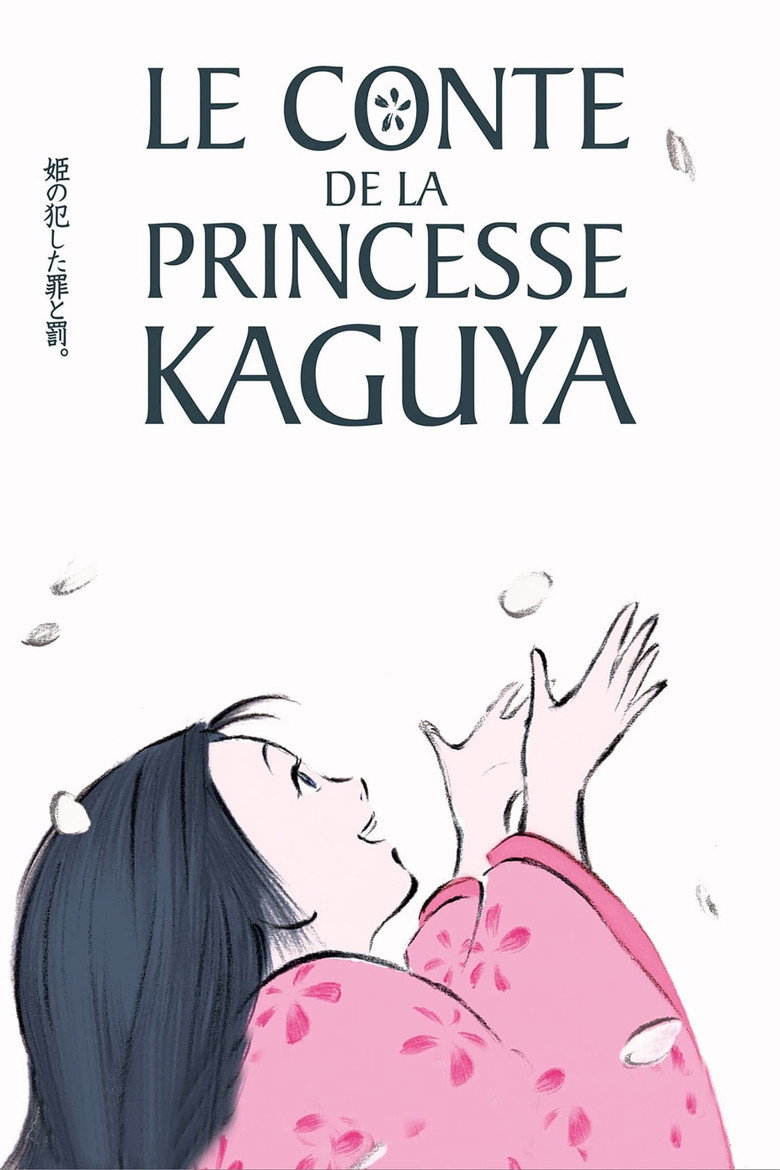
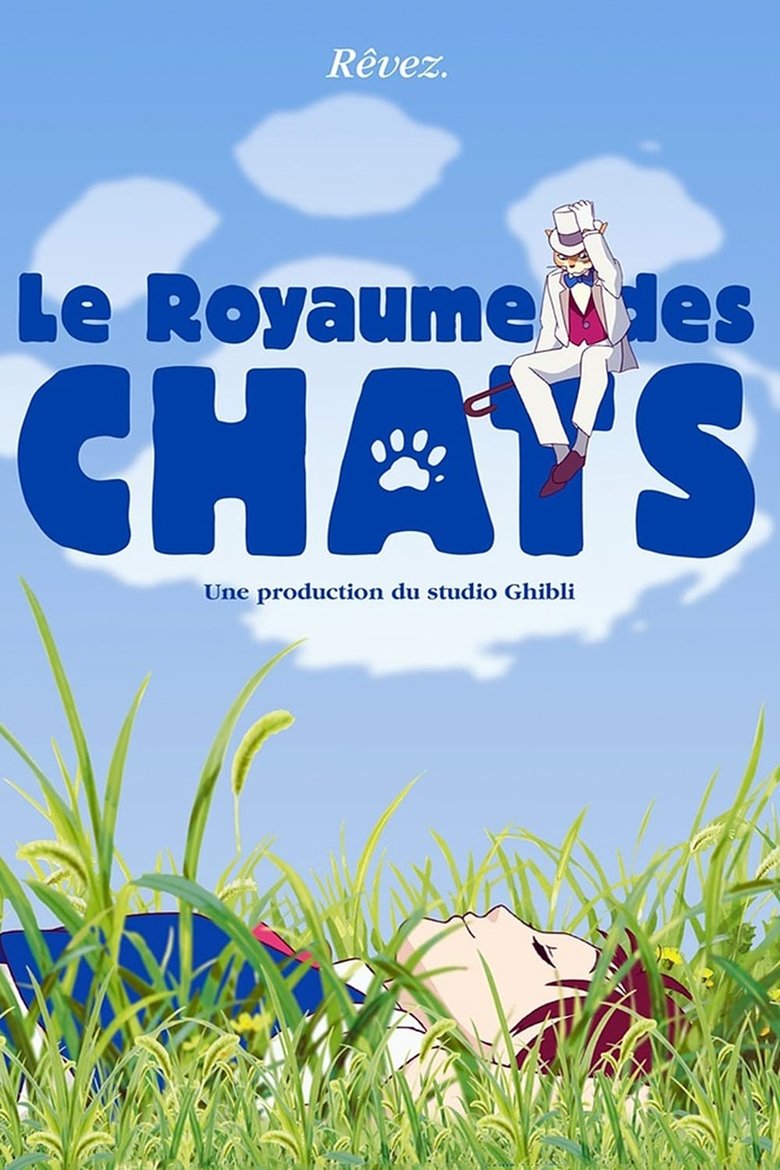
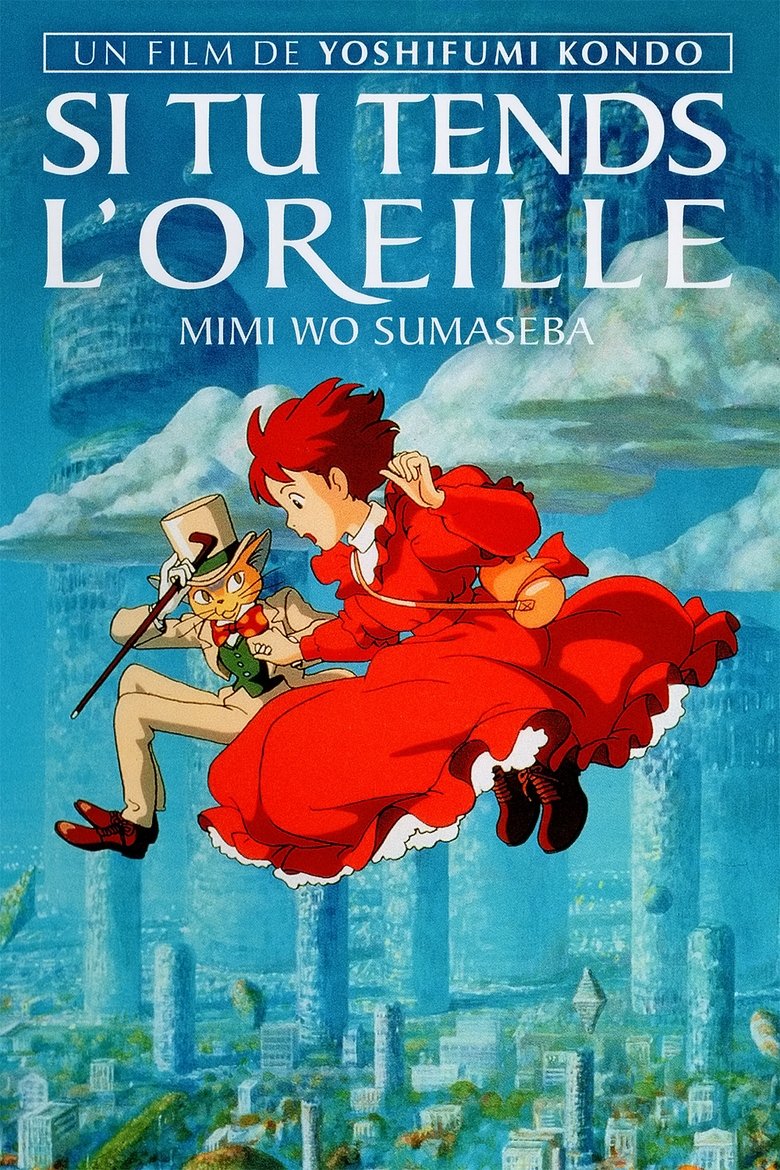
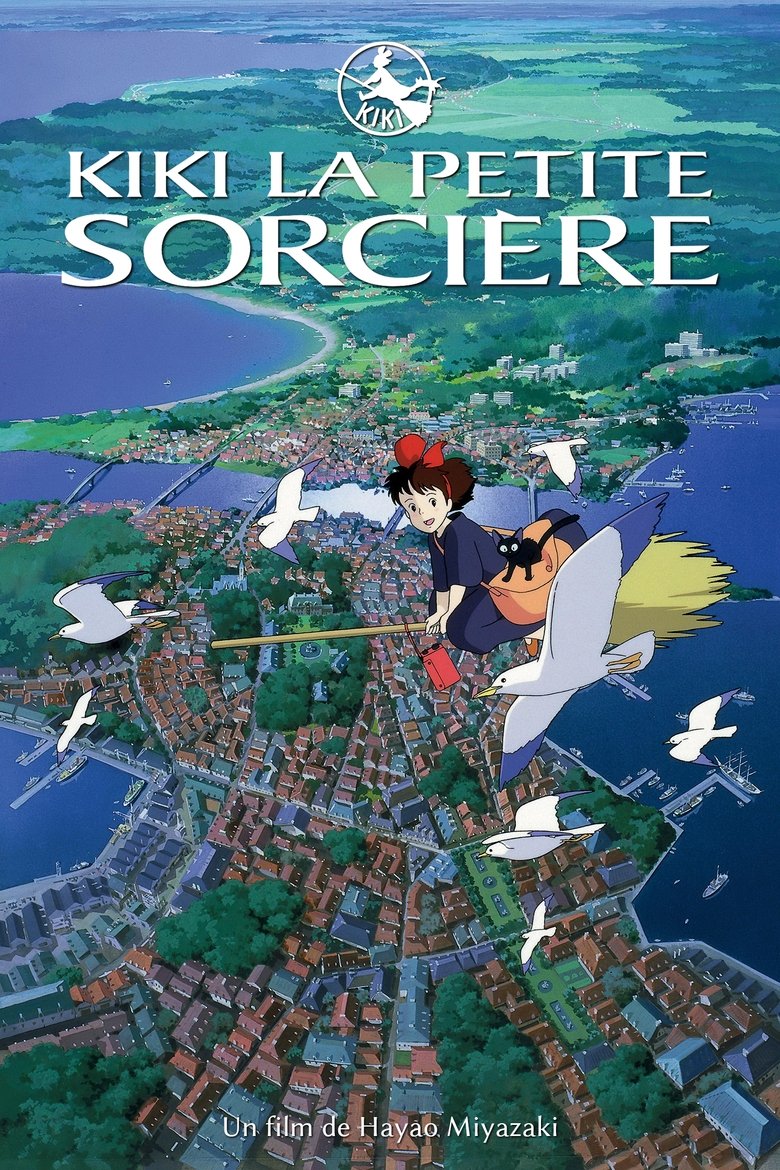
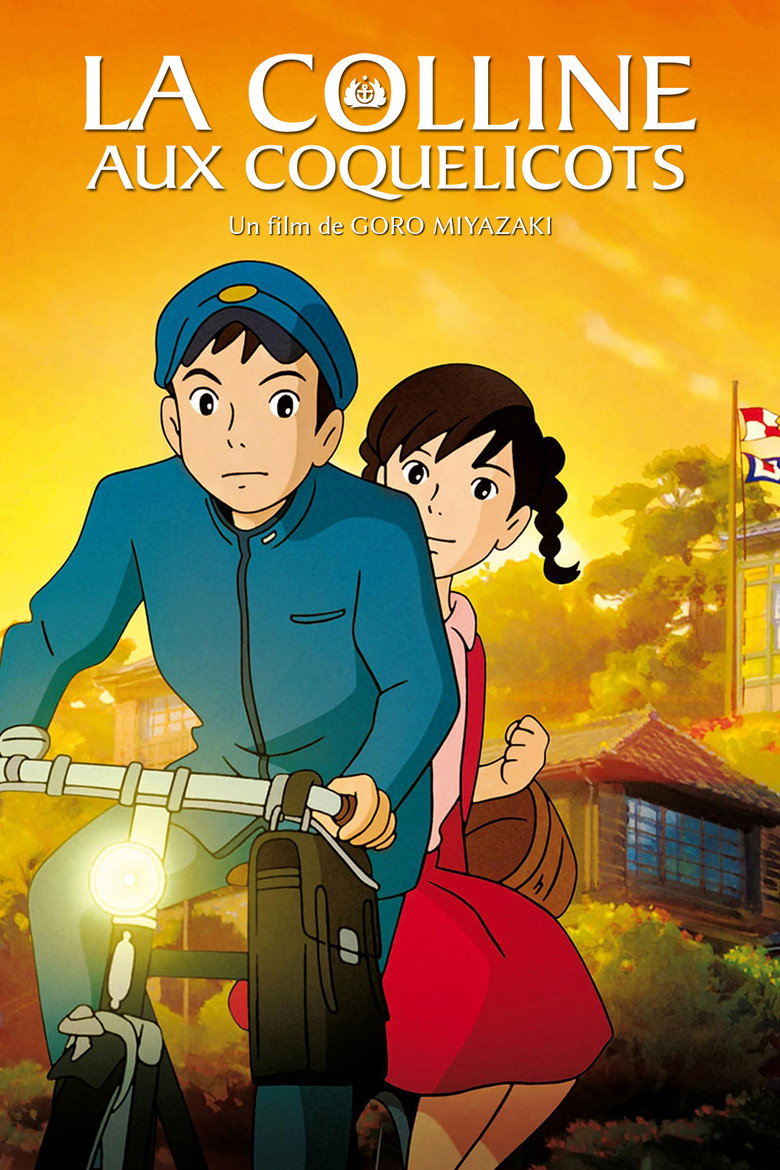
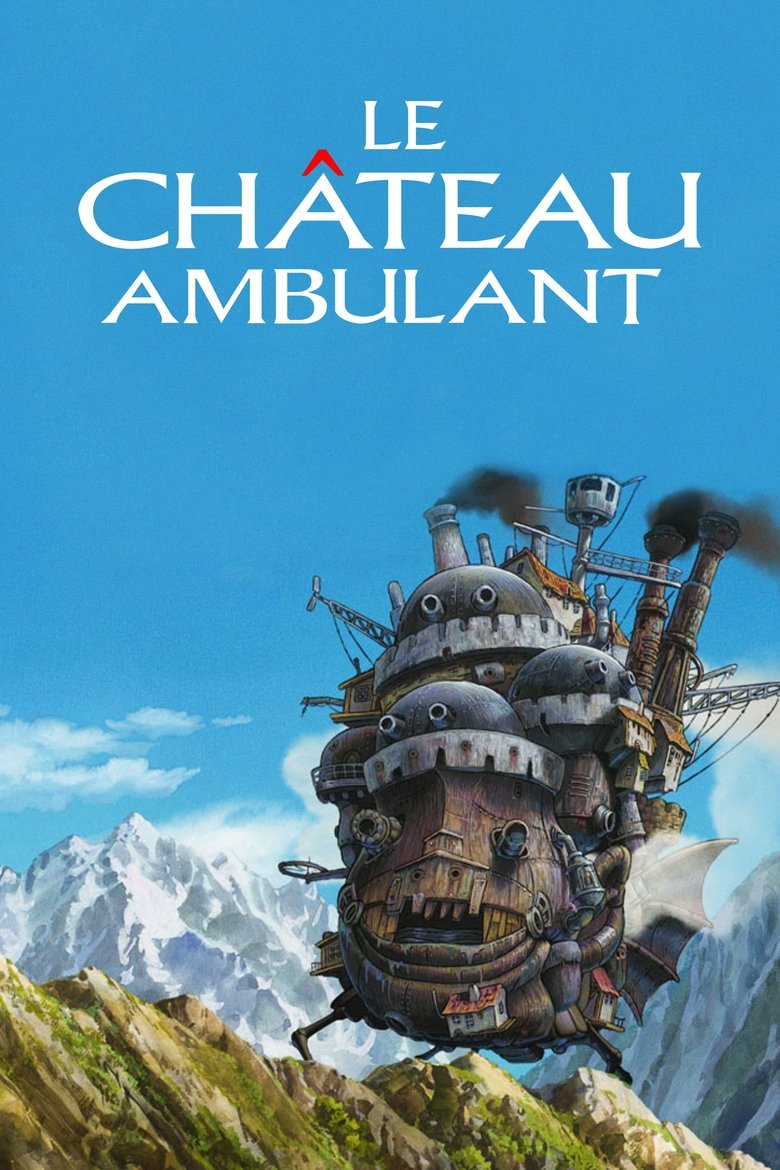
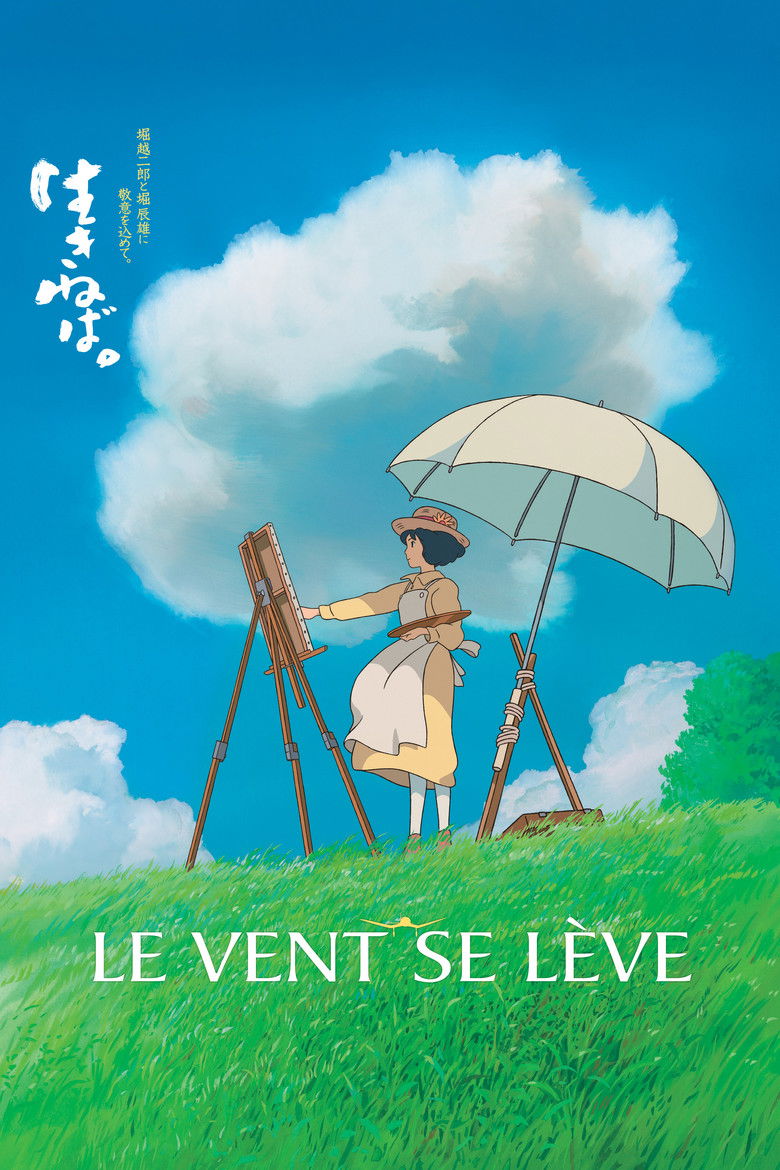
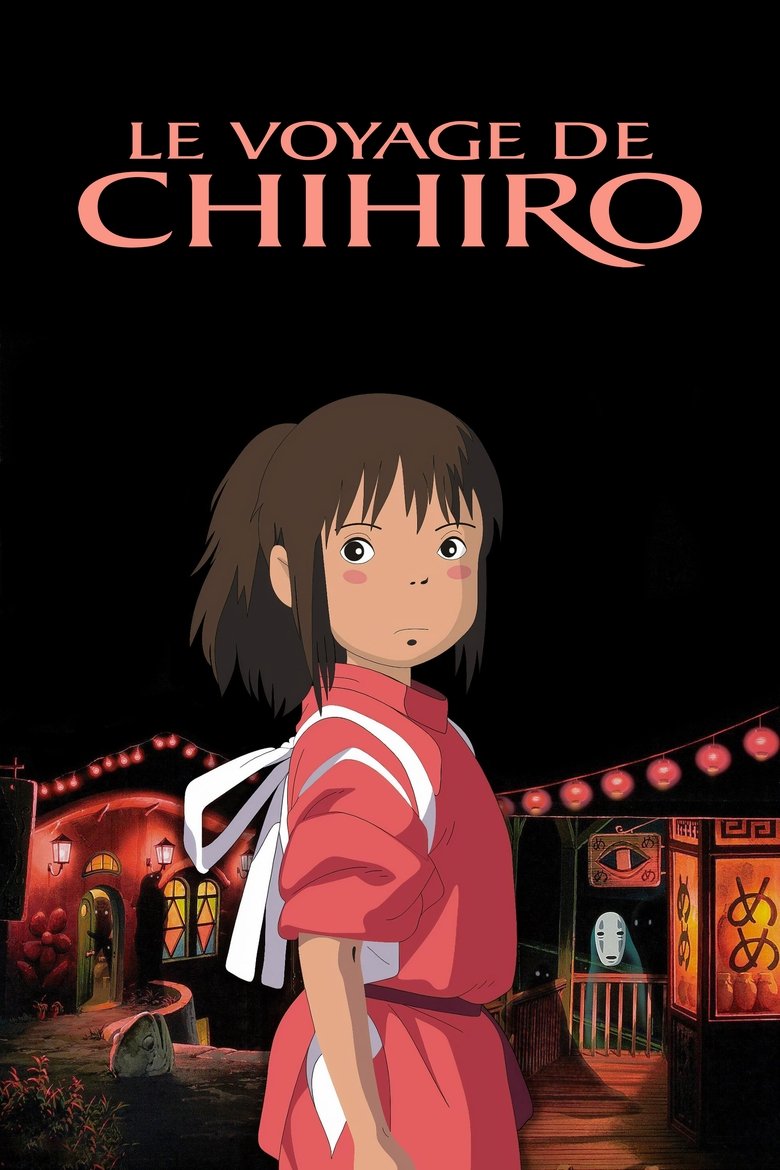
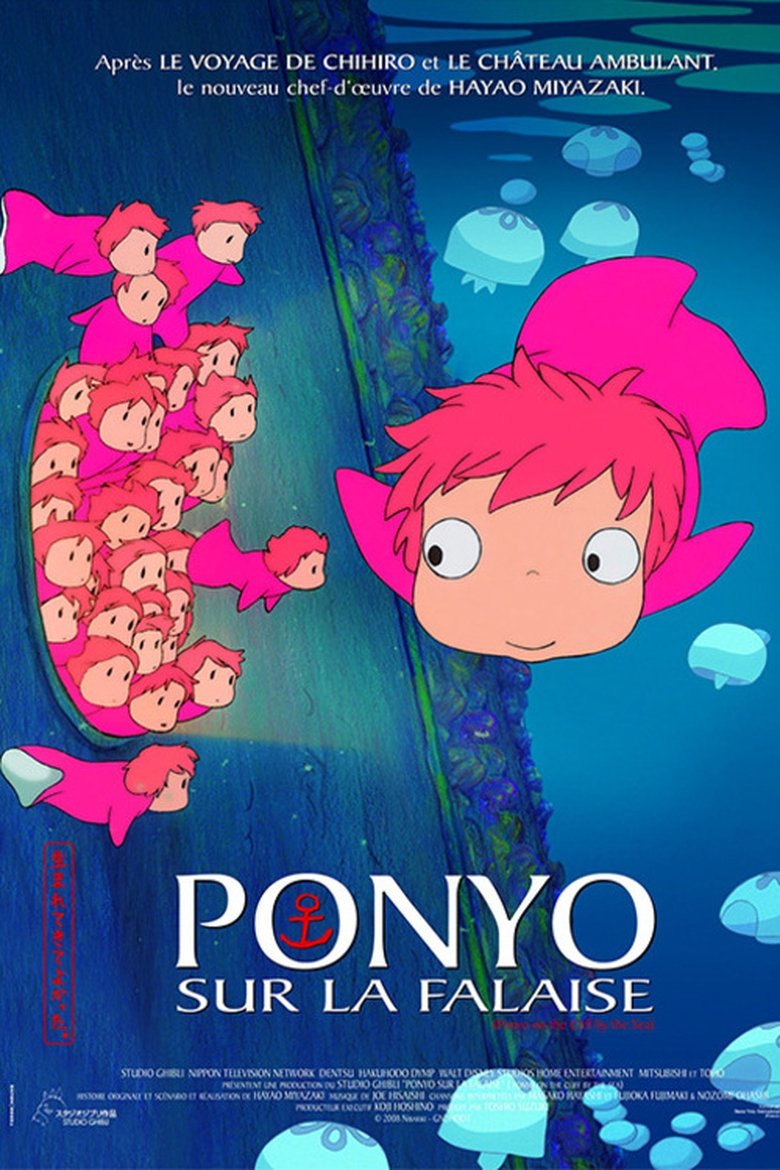
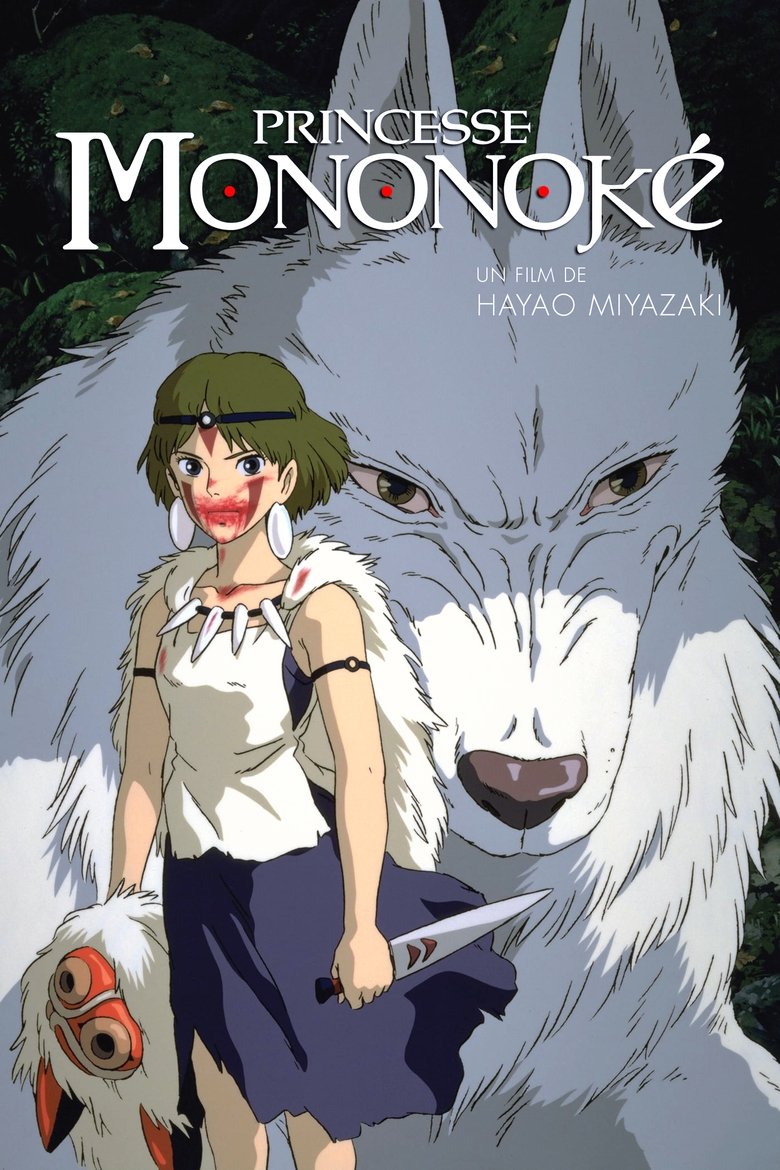
Its film catalog is closely associated with Studio Ghibli, including Kiki's Delivery Service (1989), Princess Mononoke (1997), Spirited Away (2001), Ponyo (2008) and The Wind Rises (2013).
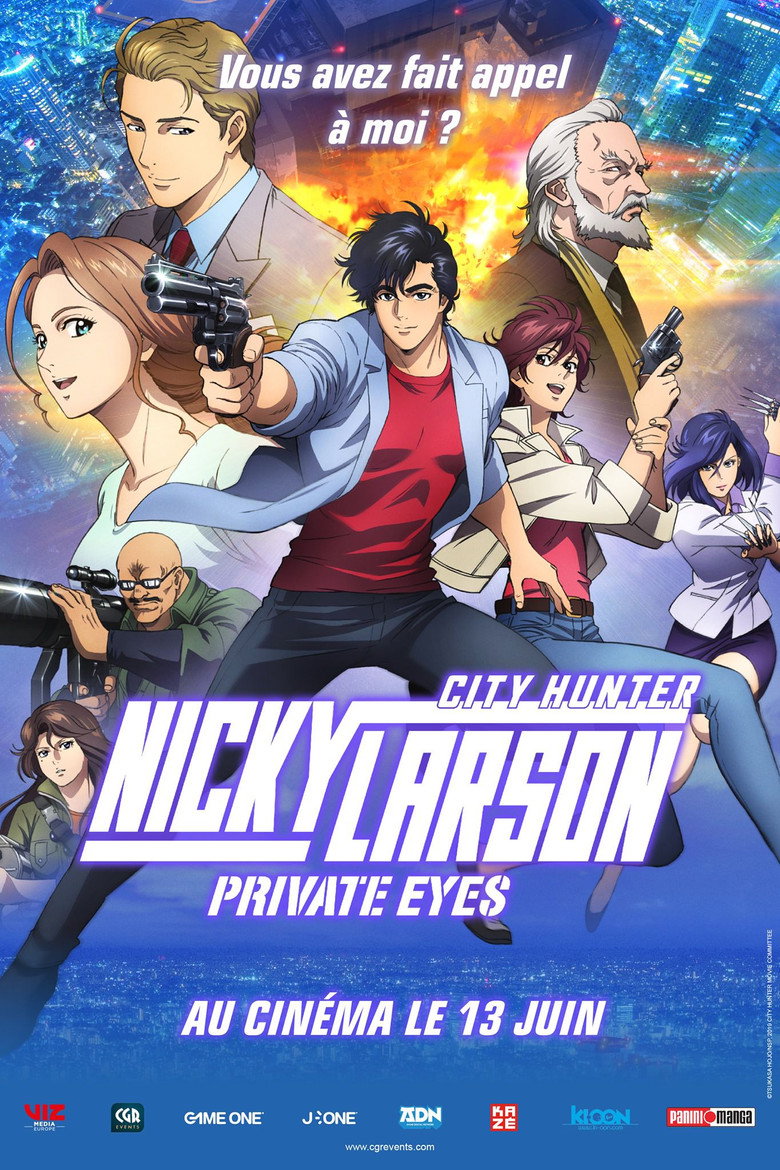
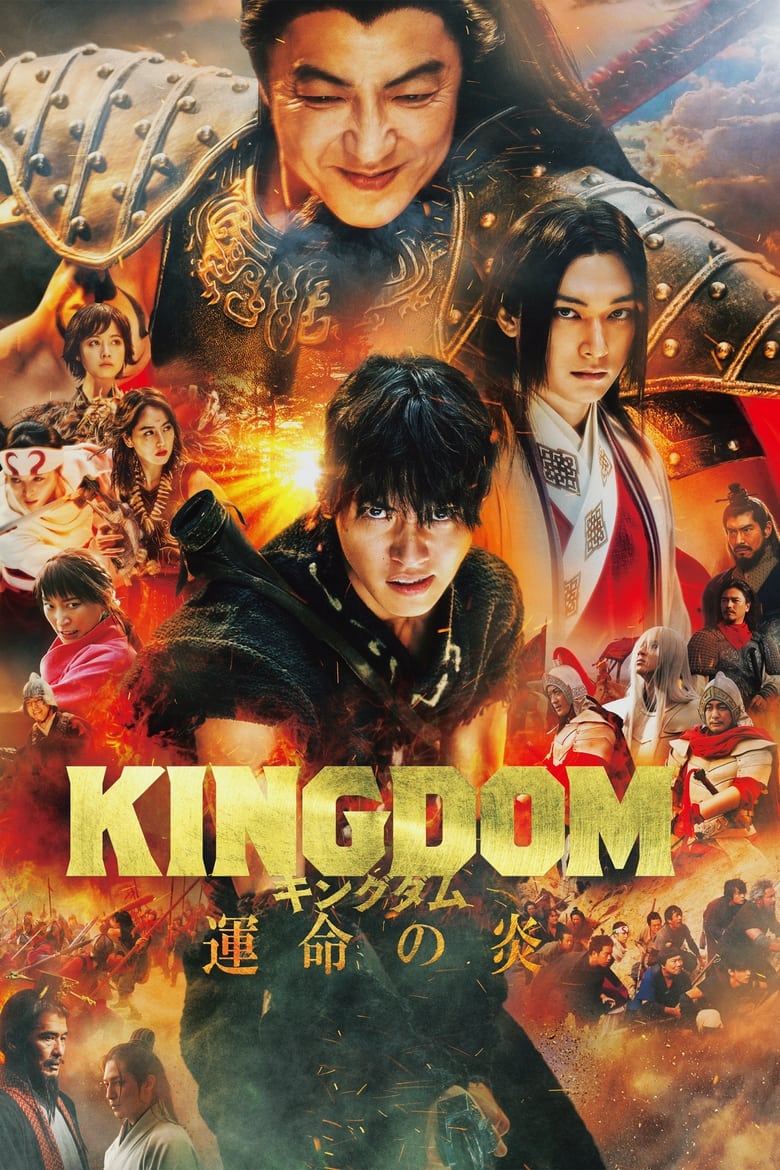
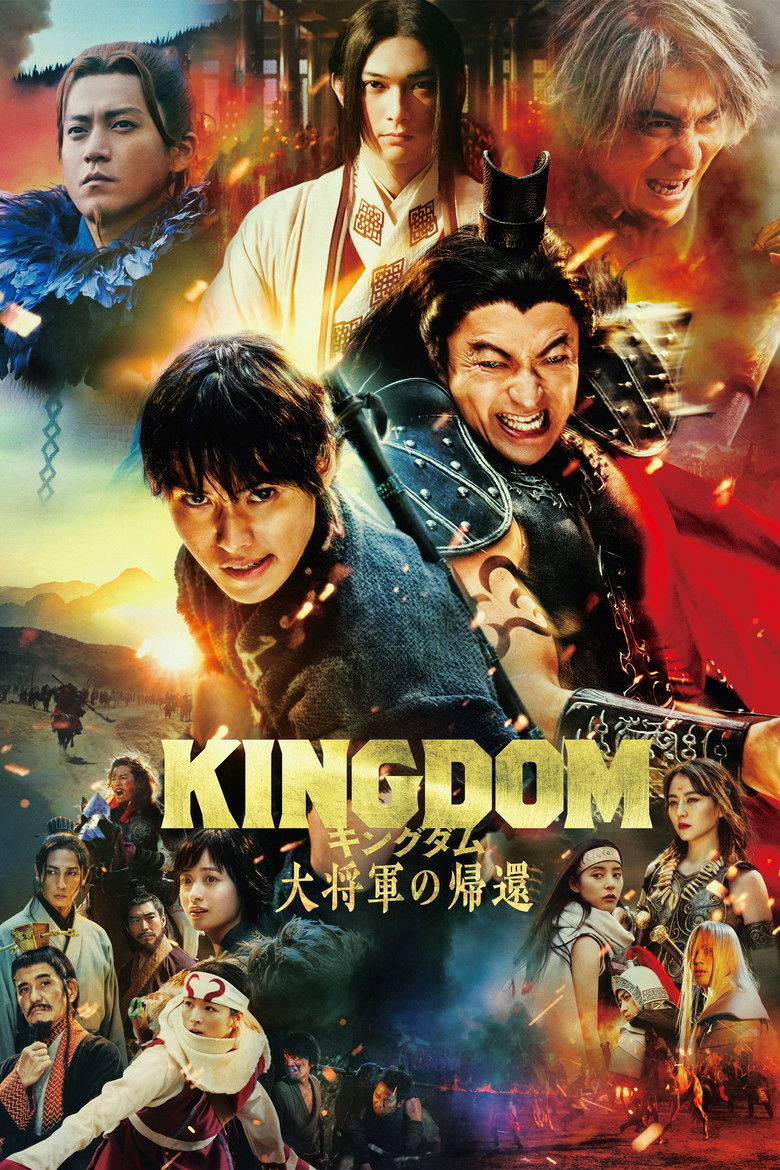
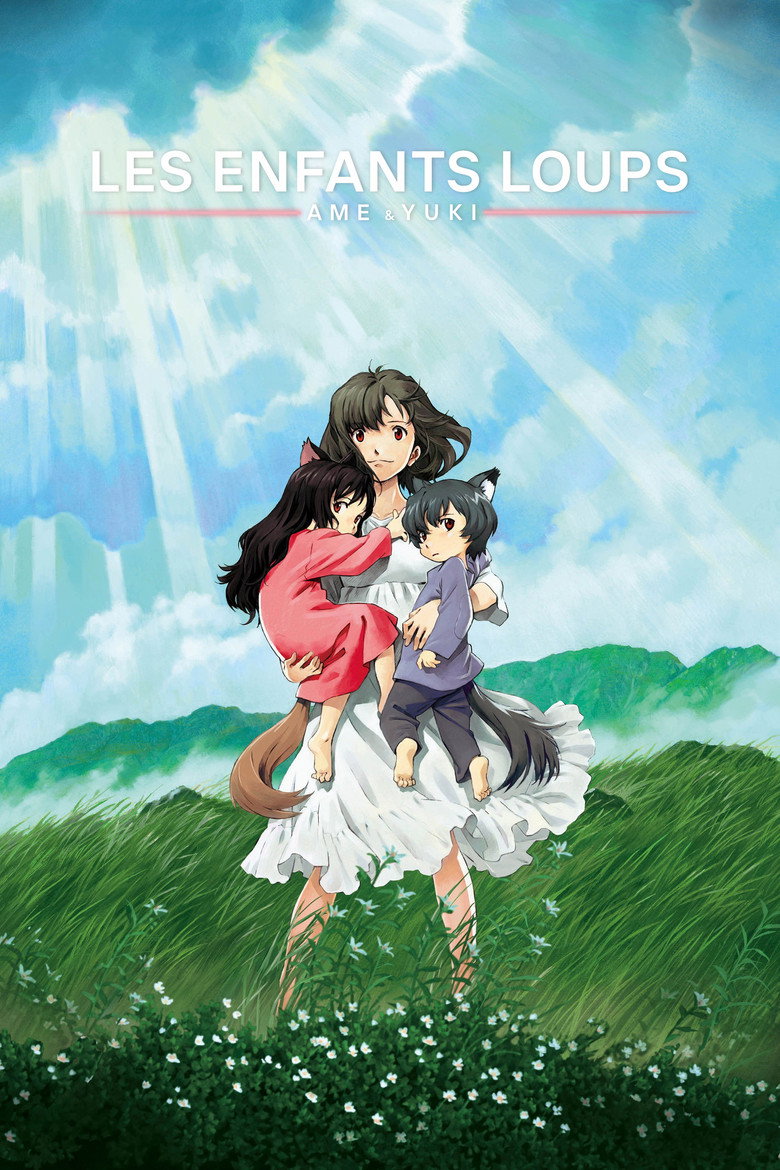
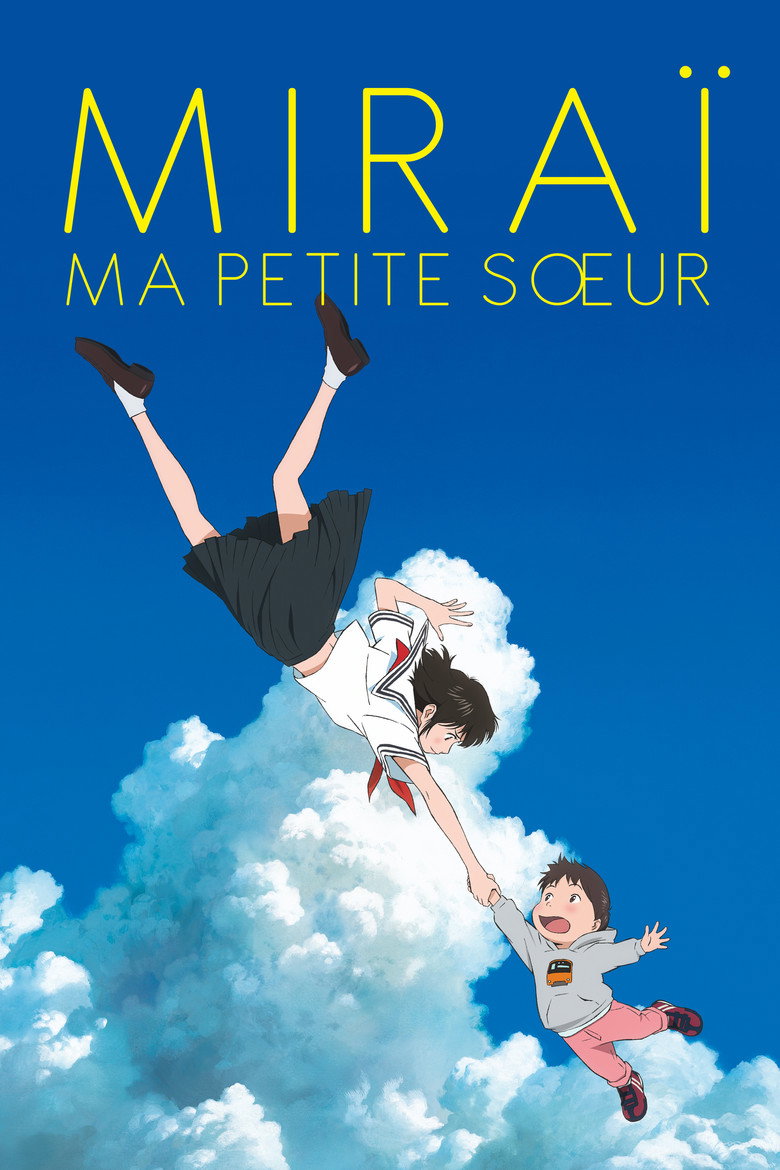
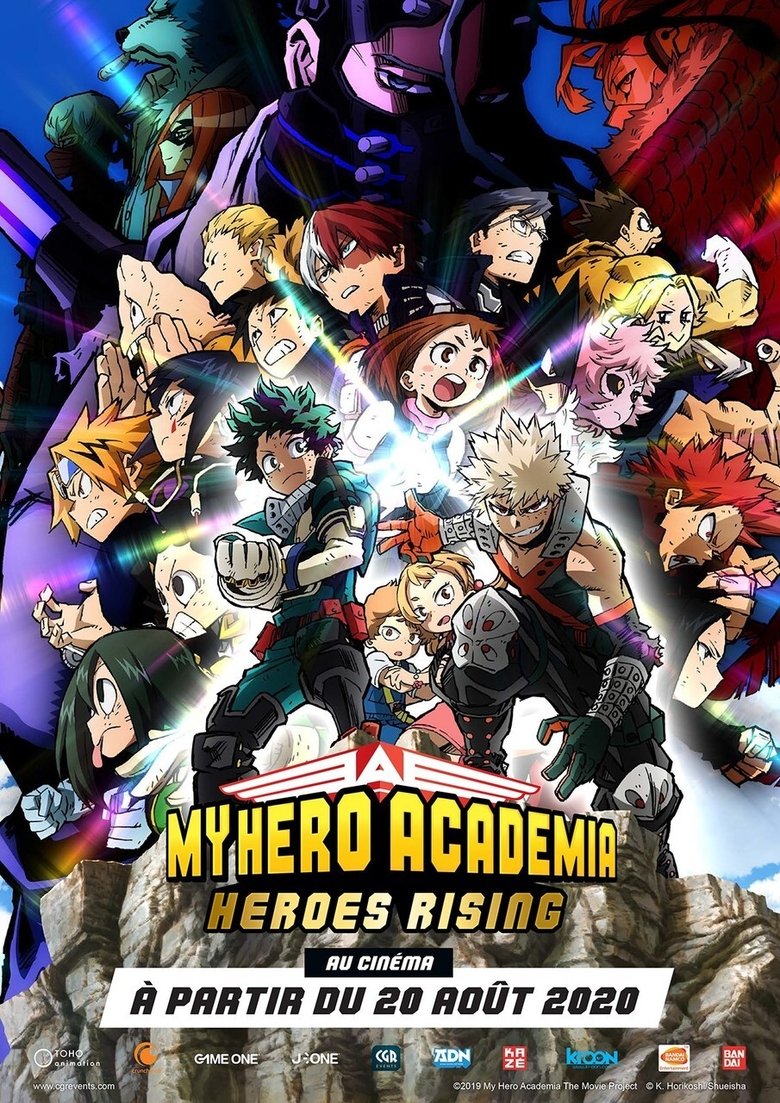
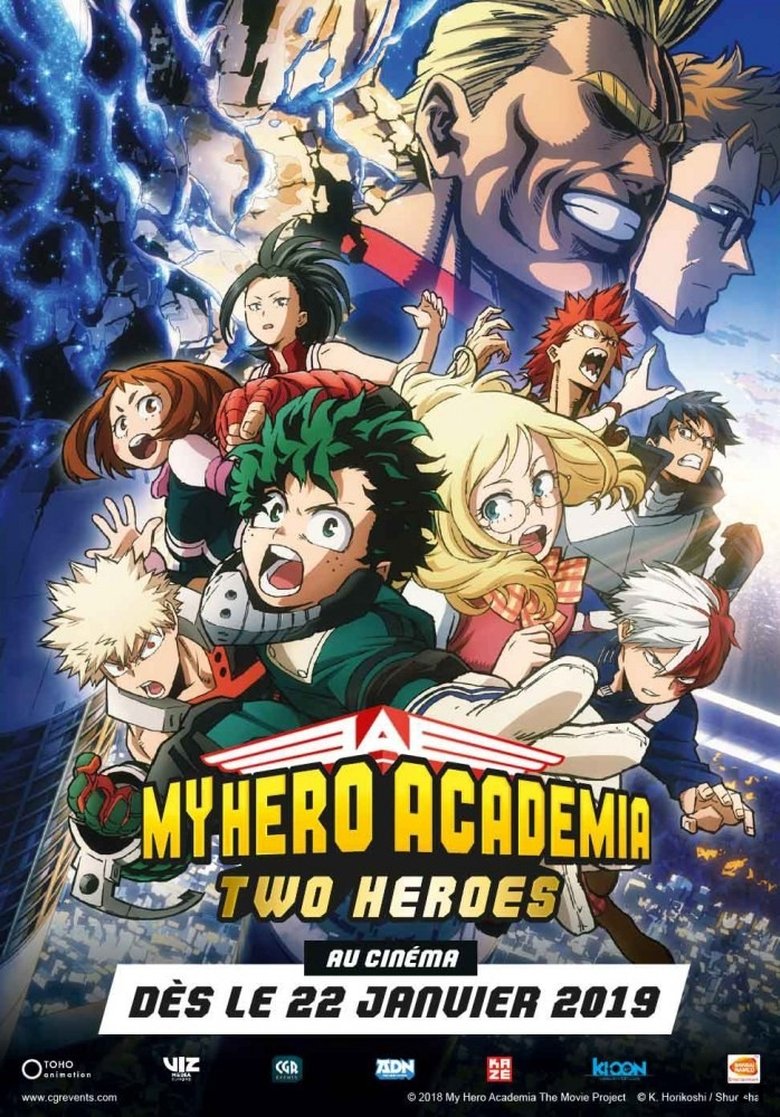
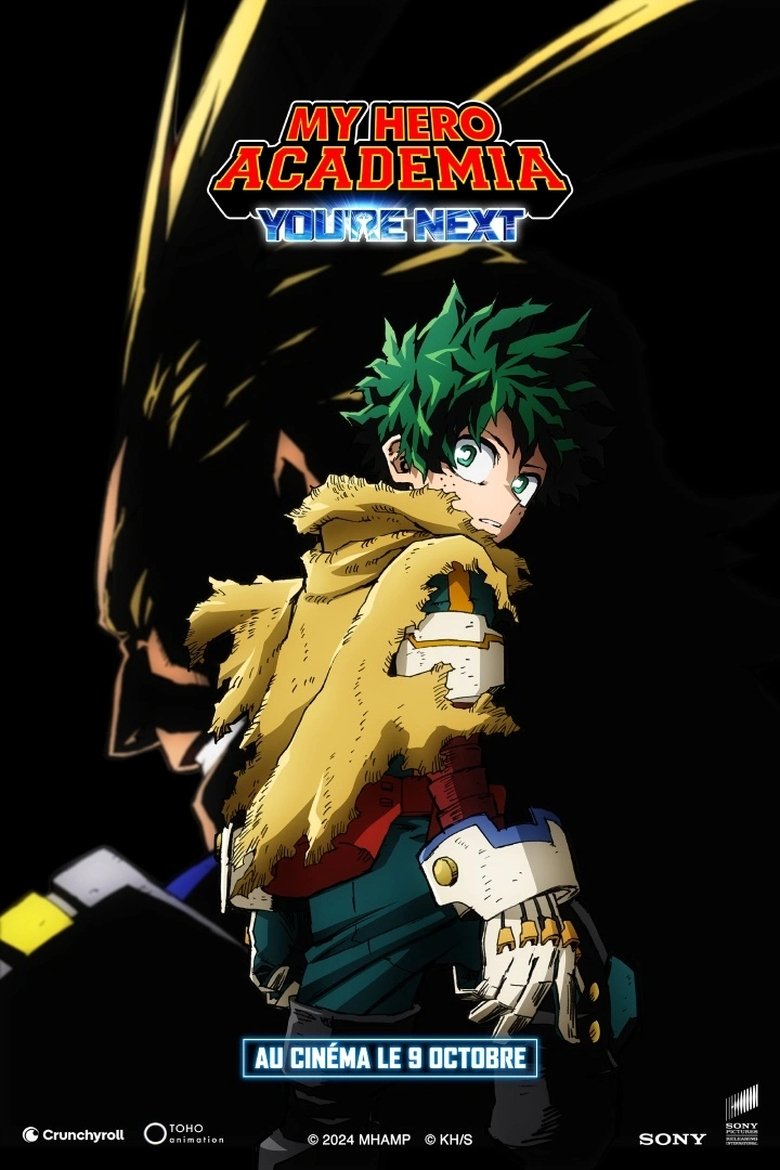
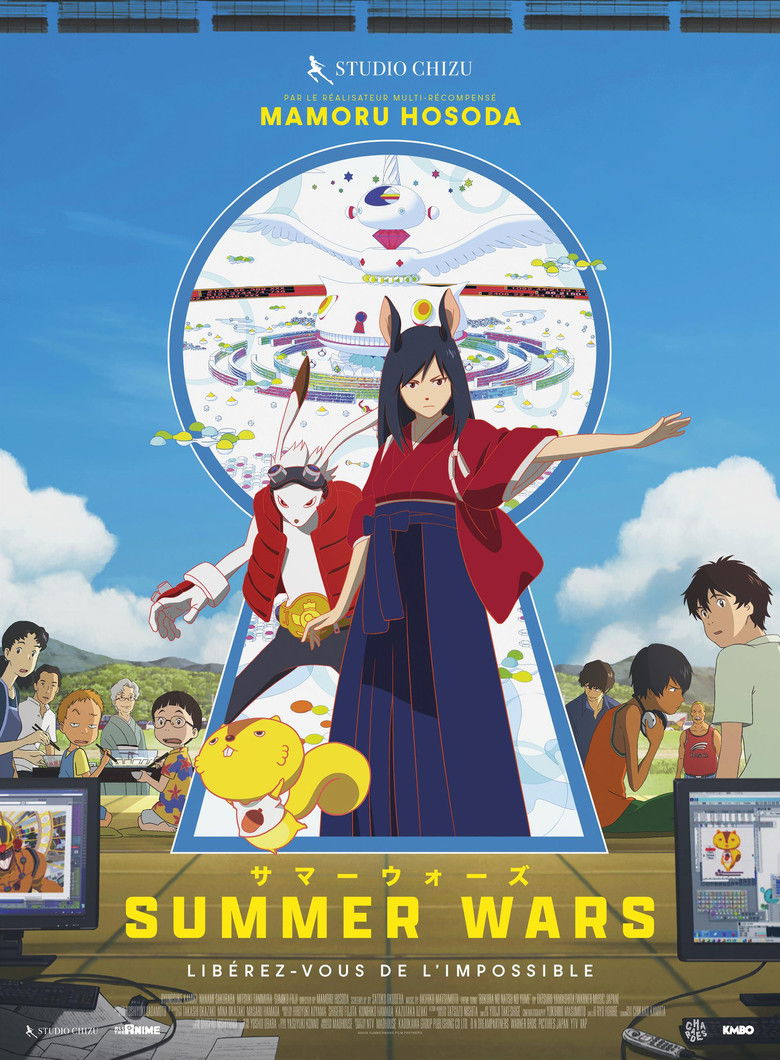
The company also supports films by Mamoru Hosoda, including Summer Wars (2009), Wolf Children (2012), Mirai (2018) and Belle (2021). Its credits extend to the My Hero Academia, Ghost in the Shell and City Hunter franchises, as well as the live-action Kingdom film series.
Its responsibilities vary by project. Nippon Television may participate as a financing partner, co-producer or broadcaster, while specialized studios retain responsibility for animation and artistic production.
History
1952–1988 — The Beginnings of Commercial Television
Nippon Television Network Corporation was established in October 1952. On August 28, 1953, it became Japan's first commercial television broadcaster to begin regular transmissions.
The company grew alongside Japanese television, expanding into news, entertainment, sports and drama. It also developed important relationships with the film industry.
In 1985, Nippon Television broadcast Nausicaä of the Valley of the Wind through its film programming, Friday Road Show. This marked the beginning of a longstanding relationship with the creators of Studio Ghibli.
1989–2010 — A Major Studio Ghibli Partnership
In 1989, Nippon Television helped finance Hayao Miyazaki's Kiki's Delivery Service. It subsequently established a continuing relationship with Studio Ghibli involving co-production, promotion and television broadcasts.
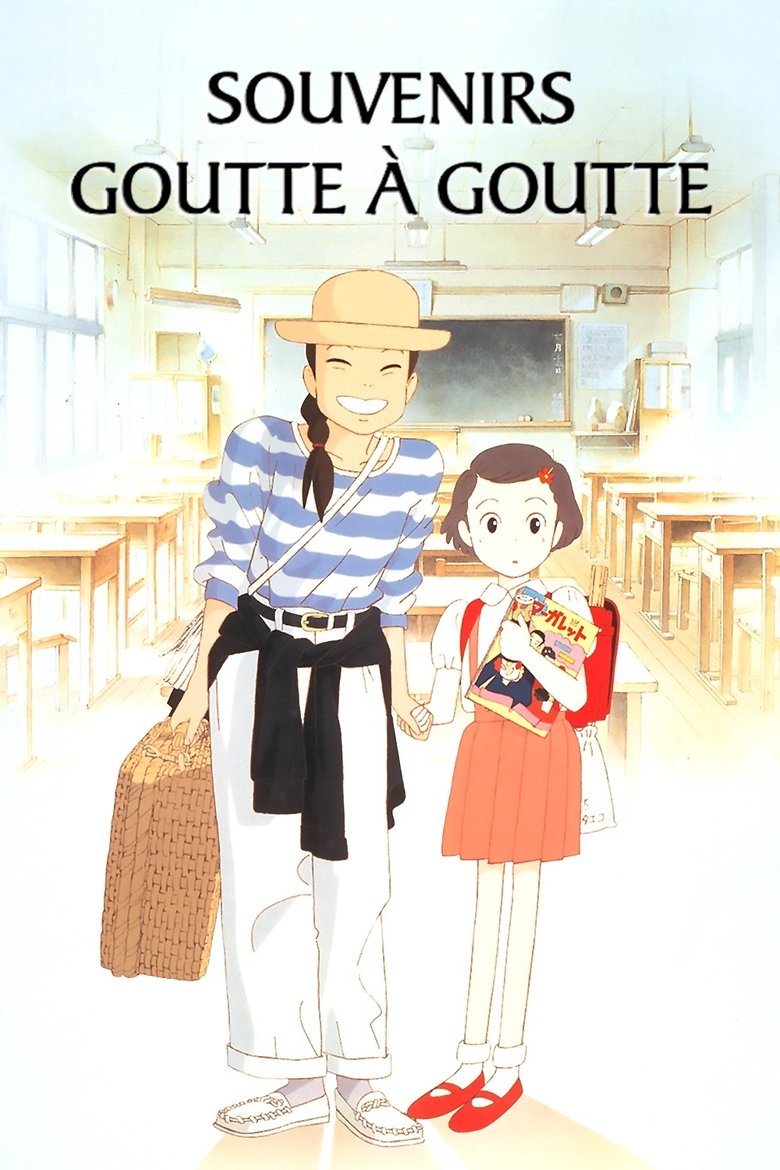
The company supported films including Only Yesterday (1991), Porco Rosso (1992), Princess Mononoke (1997) and Spirited Away (2001).
The latter achieved international success and won the Academy Award for Best Animated Feature in 2003.
Meanwhile, Nippon Television expanded its investment in theatrical animation, participating in films such as Mamoru Hosoda's Summer Wars (2009).
2011–2022 — Group Expansion and New Generations of Anime
In 2011, the Nippon Television group acquired the animation studio Madhouse. The following year, it adopted a holding company structure separating Nippon Television Holdings from Nippon Television Network Corporation, responsible for broadcasting and audiovisual operations.
In 2014, Tatsunoko Production, another historic Japanese animation studio, also became part of the group.
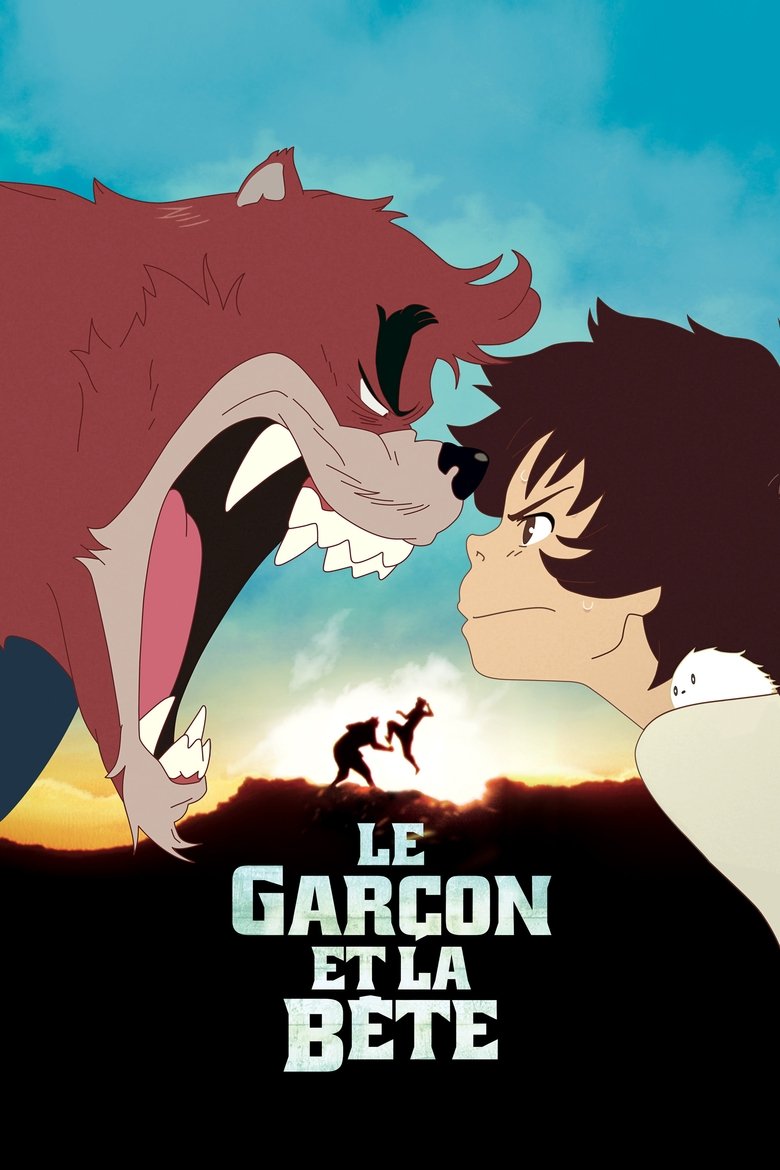
Nippon Television continued participating in animated features such as Wolf Children (2012), The Boy and the Beast (2015) and Belle (2021), alongside different production partners.
Its credits also included several My Hero Academia films and the live-action Kingdom series, which began in 2019 and continued with three additional installments between 2022 and 2024.
Since 2023 — Studio Ghibli Joins the Group
On September 21, 2023, Nippon Television announced an agreement to acquire a stake in Studio Ghibli.
The transaction was completed on October 6, 2023. Nippon Television acquired 42.3% of the voting rights, becoming the studio's largest shareholder and bringing it into the corporate group as a subsidiary.
The agreement extended almost four decades of collaboration and was designed to support Studio Ghibli's institutional and financial continuity while preserving its creative activities.
Nippon Television has continued developing its international audiovisual business through program sales, television format adaptations and investments in Japanese entertainment content.
What Sets It Apart
Connecting Television and Cinema
Nippon Television combines broadcasting, film financing and promotion. Its television programming, particularly Friday Road Show, has helped introduce animated films to broad audiences.
Long-Term Relationships with Animation Creators
The partnership with Studio Ghibli and involvement in Mamoru Hosoda's productions demonstrate its continued presence in Japanese animation across generations, without replacing the studios responsible for making those films.
A Diversified Media Group
Beyond film, Nippon Television produces and broadcasts entertainment, drama, documentary and television formats. Its investments in Madhouse, Tatsunoko Production and Studio Ghibli have expanded its position in the animation industry.
Key Facts
- Established: October 1952, in Japan.
- First broadcast: August 28, 1953, as Japan's first commercial television broadcaster.
- Headquarters: Tokyo, Japan.
- Common name: Nippon TV or NTV.
- Studio Ghibli: Partnership developed from the 1980s, including Kiki's Delivery Service.
- Friday Road Show: Television film program that helped bring Studio Ghibli works to Japanese audiences.
- Madhouse: Joined the corporate group in 2011.
- Reorganization: Holding company structure introduced in 2012.
- Tatsunoko Production: Joined the group in 2014.
- Studio Ghibli: Subsidiary since October 2023, with Nippon Television holding 42.3% of voting rights.
- Activities: Broadcasting, audiovisual production, film co-production and content distribution.
- Status: Active company.