












Presentation
Legendary Pictures is an American film production and financing company operating as the motion picture division of Legendary Entertainment, based in Burbank, California. Developed by entrepreneur Thomas Tull during the early 2000s, it established a prominent position in Hollywood through a business model combining private investment, partnerships with major studios and the development of franchises for international audiences.
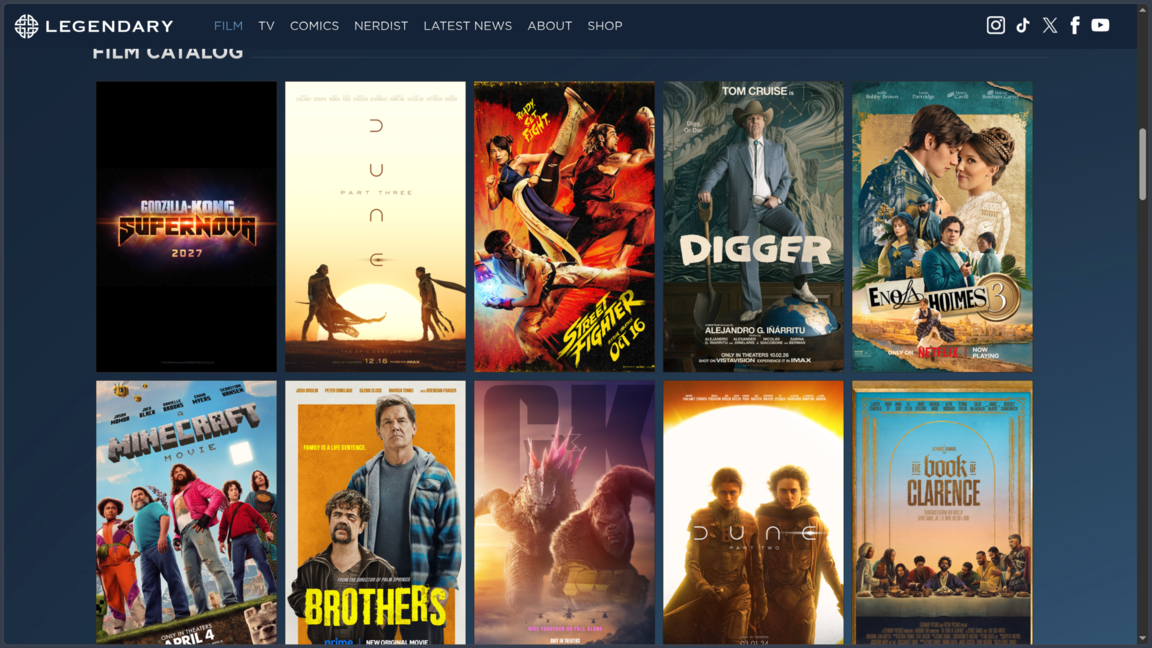
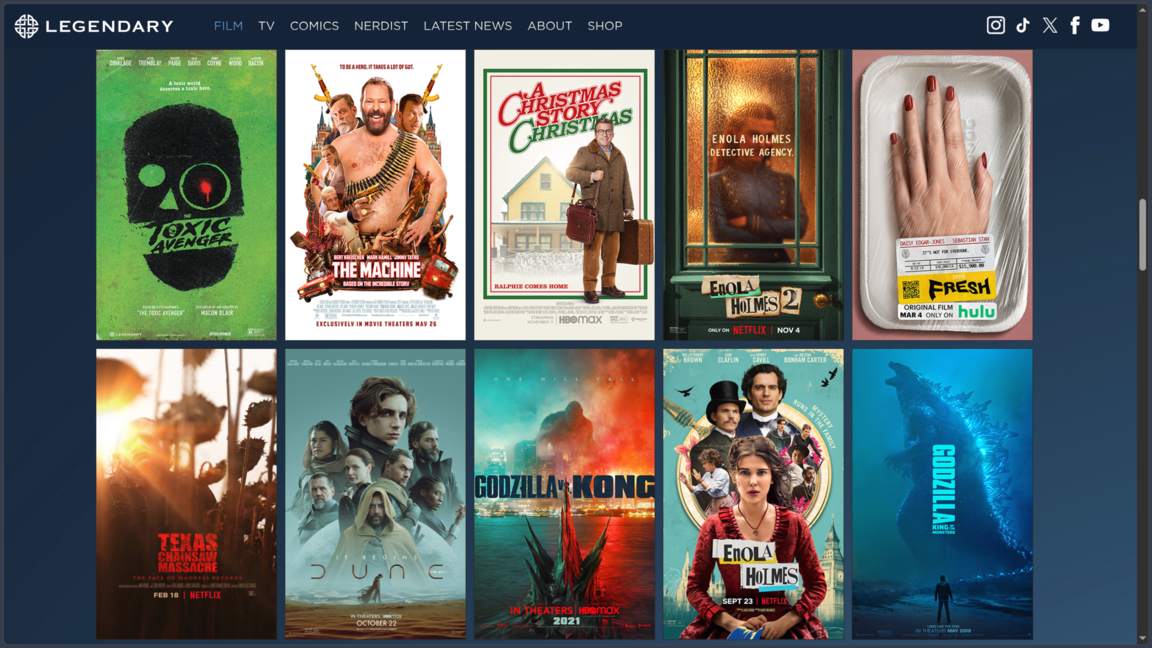
Its productions include Christopher Nolan's The Dark Knight trilogy, 300 (2007), Watchmen (2009), Pacific Rim (2013), Interstellar (2014), Jurassic World (2015) and Denis Villeneuve's adaptations of Dune.
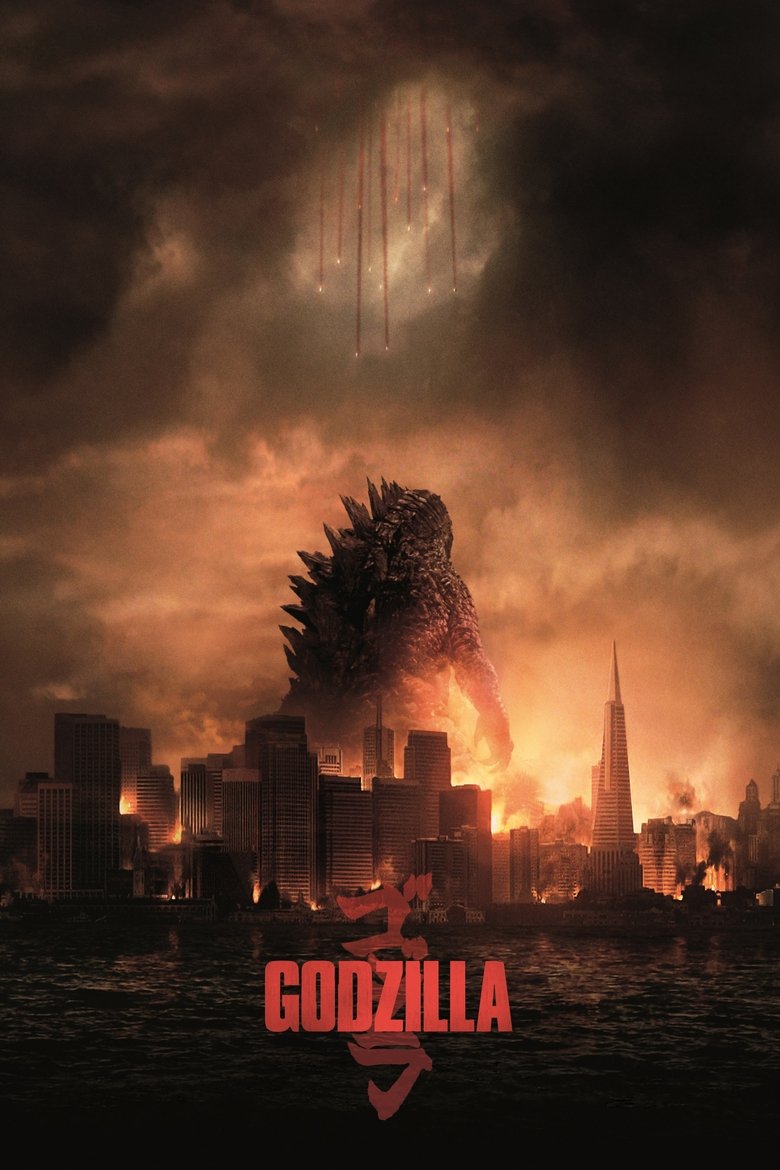
Legendary is also responsible for developing the MonsterVerse, a shared cinematic universe featuring Godzilla, Kong and several giant creatures. Beginning with Godzilla (2014), the franchise expanded into multiple feature films and television productions.
However, the company's activities extend beyond science fiction and superhero films. It has participated in comedies such as The Hangover trilogy, music dramas including Straight Outta Compton (2015), and adventure mysteries such as Enola Holmes.
Legendary Pictures forms part of Legendary Entertainment, which also operates in television and comic book publishing through Legendary Television and Legendary Comics. Its business therefore combines filmmaking, intellectual property development and the exploitation of major storytelling franchises.
History
2000–2005 — Thomas Tull and the Origins of Legendary
Legendary's history began in the early 2000s with Thomas Tull, an American investor and entrepreneur interested in cinema, comic books and popular culture.
Tull wanted to establish a company capable of financing major Hollywood productions while participating in their creative and commercial development. He assembled several hundred million dollars from investment firms, including ABRY Partners and other financial backers.
Historical sources differ on the precise founding date of Legendary, placing its early formation between 2000 and 2005. However, 2005 marked its major entry into film production through an important agreement with Warner Bros.
The arrangement involved co-producing and co-financing dozens of films over a seven-year period. Legendary contributed investment capital, while Warner Bros. provided worldwide distribution and other studio resources.
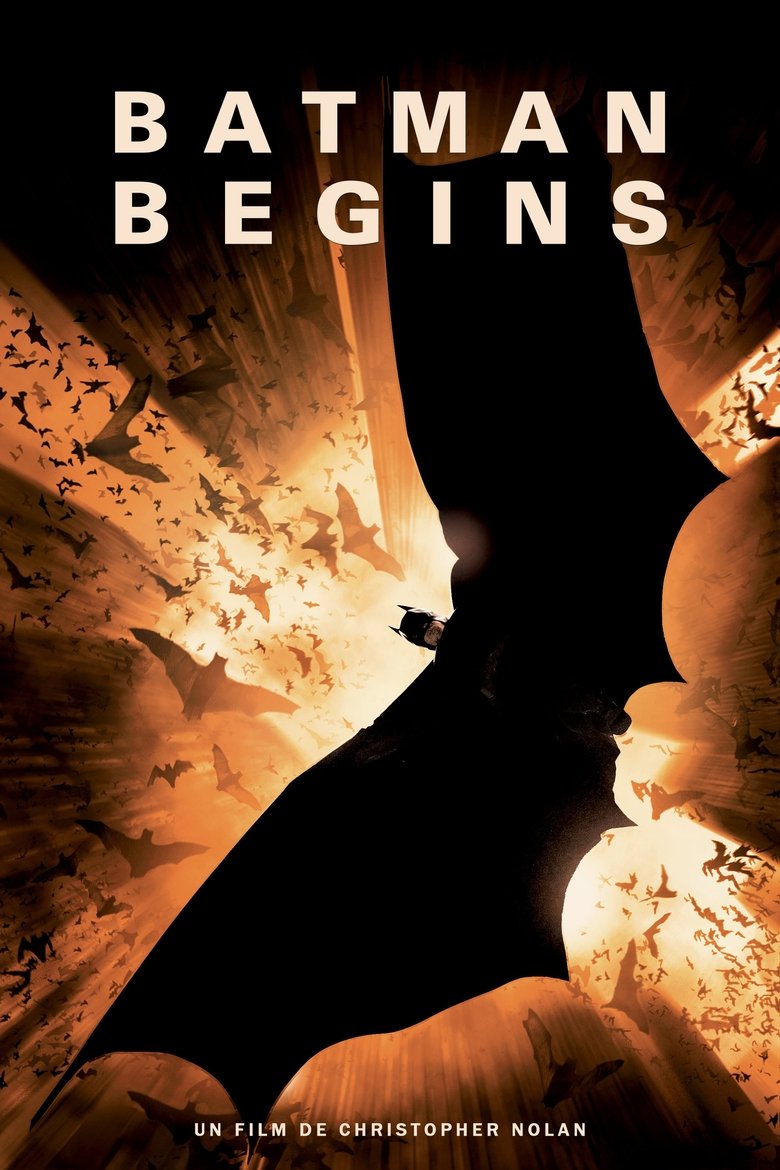
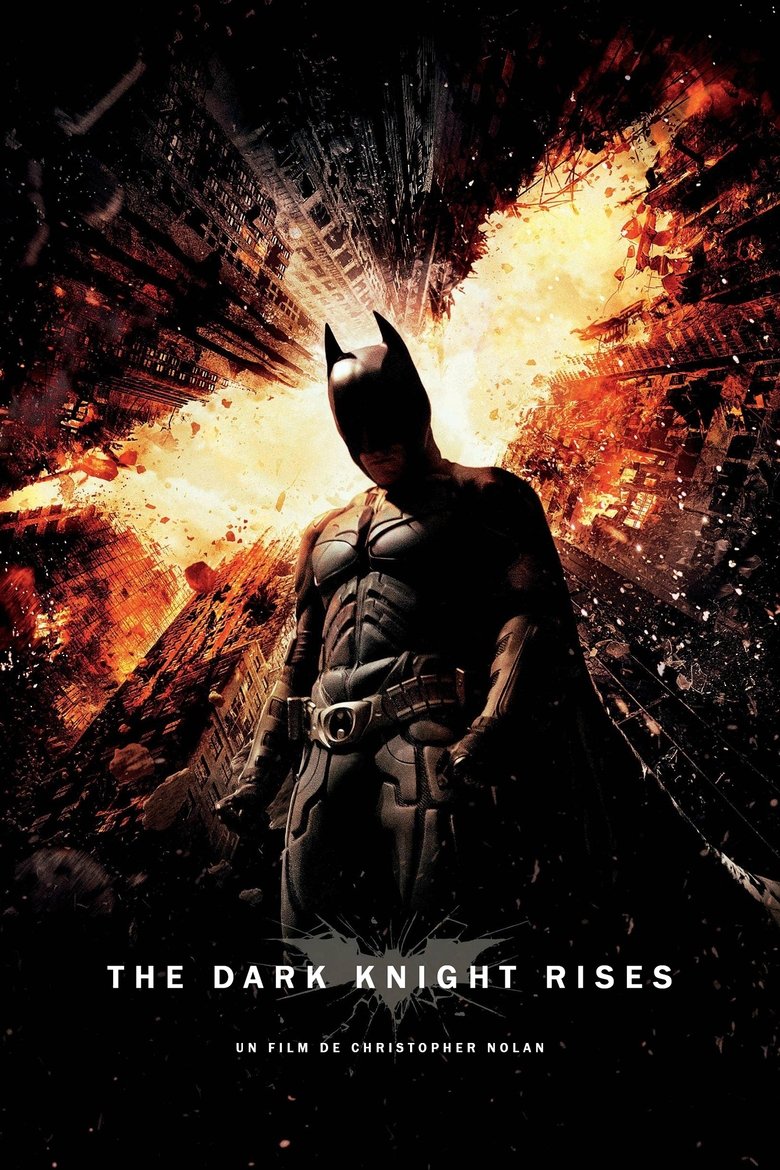
Christopher Nolan's Batman Begins (2005) was among the company's earliest major productions. The film relaunched the Batman franchise through a more realistic and psychological interpretation of Bruce Wayne.
2006–2012 — Batman, 300 and the Warner Bros. Partnership
The partnership with Warner Bros. quickly brought Legendary Pictures into several internationally successful productions.
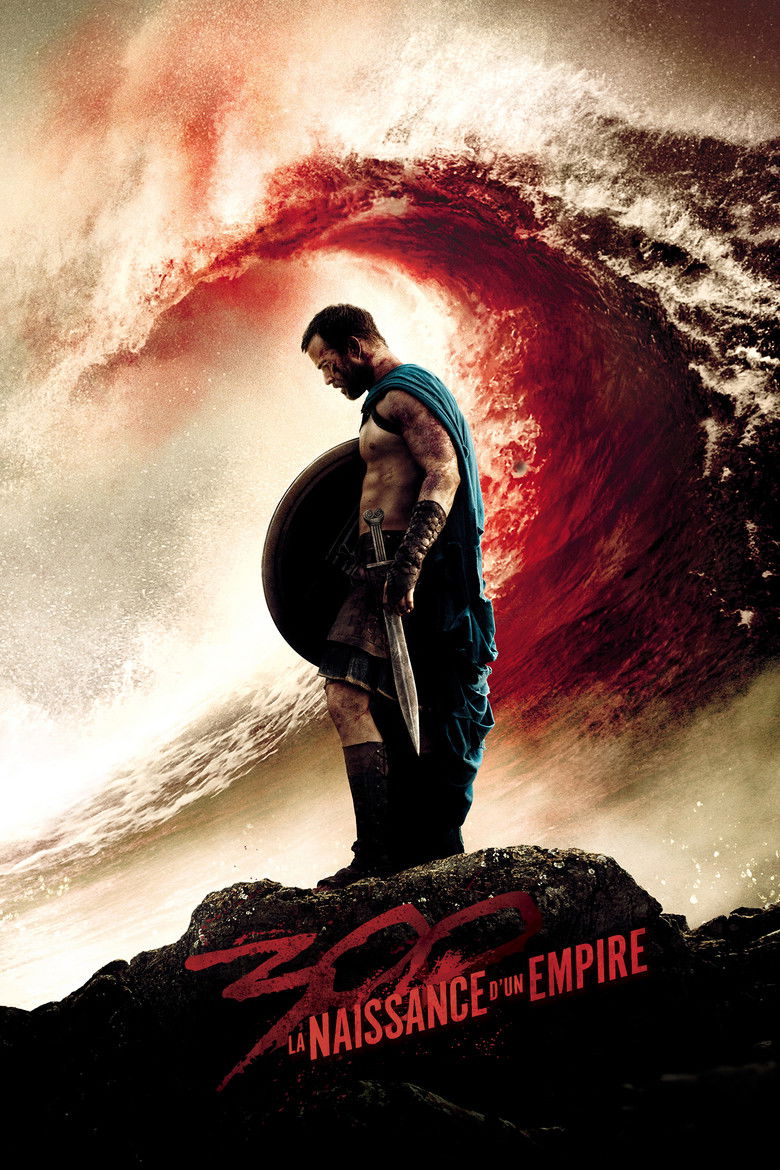
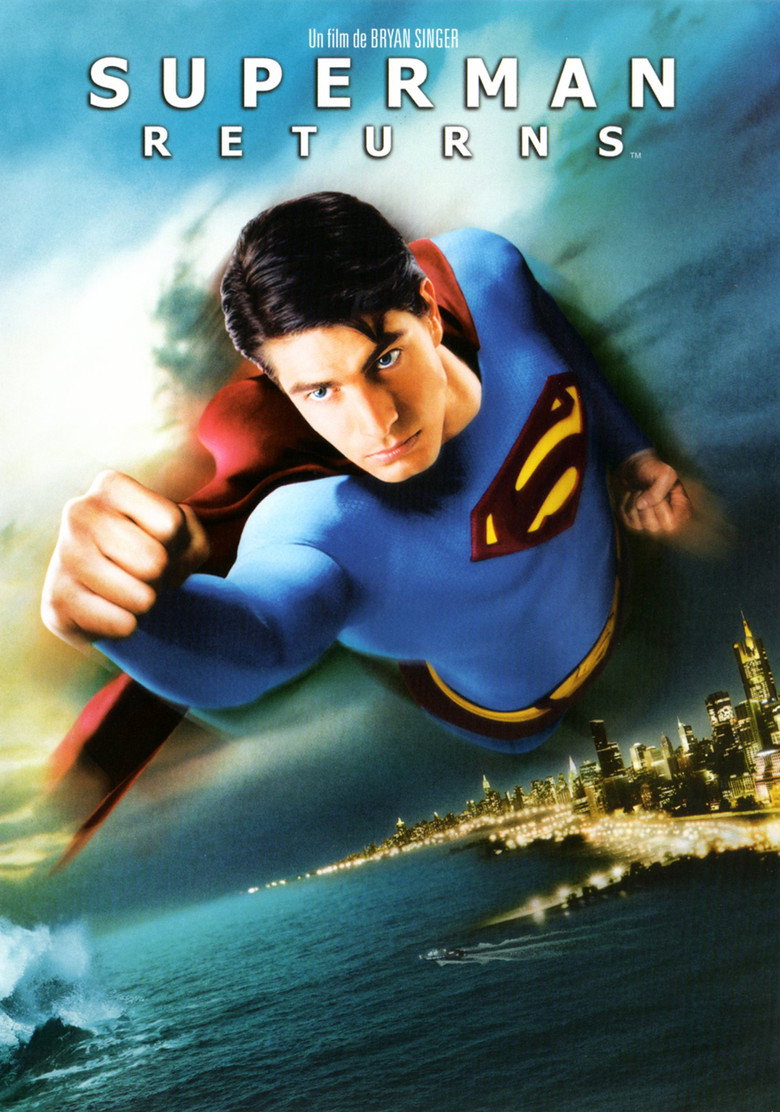
In 2006, the company participated in Bryan Singer's Superman Returns, followed by Zack Snyder's 300 (2007), based on Frank Miller's graphic novel.
With its digitally constructed environments, stylized cinematography and elaborate fight sequences, 300 demonstrated the possibilities of filmmaking centered on a strongly recognizable visual identity.
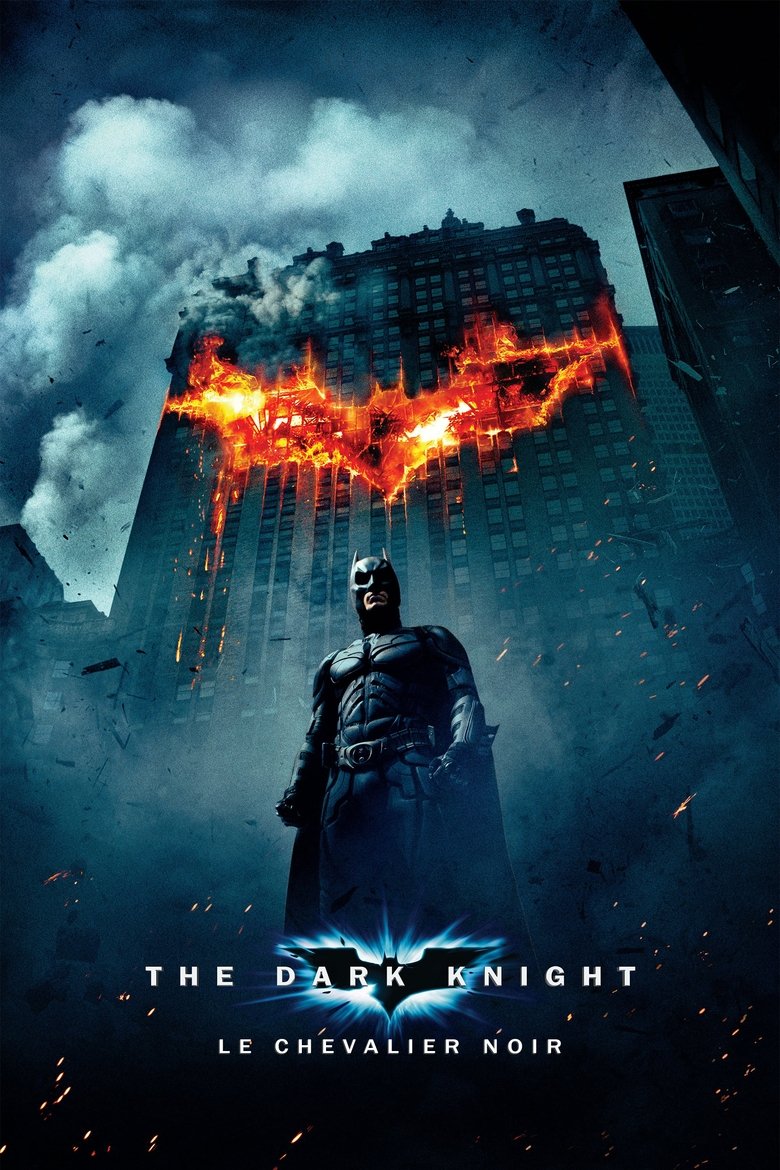
In 2008, Legendary contributed to The Dark Knight, the second installment in Christopher Nolan's Batman trilogy. Starring Christian Bale and Heath Ledger, the film earned more than $1 billion worldwide and won two Academy Awards.
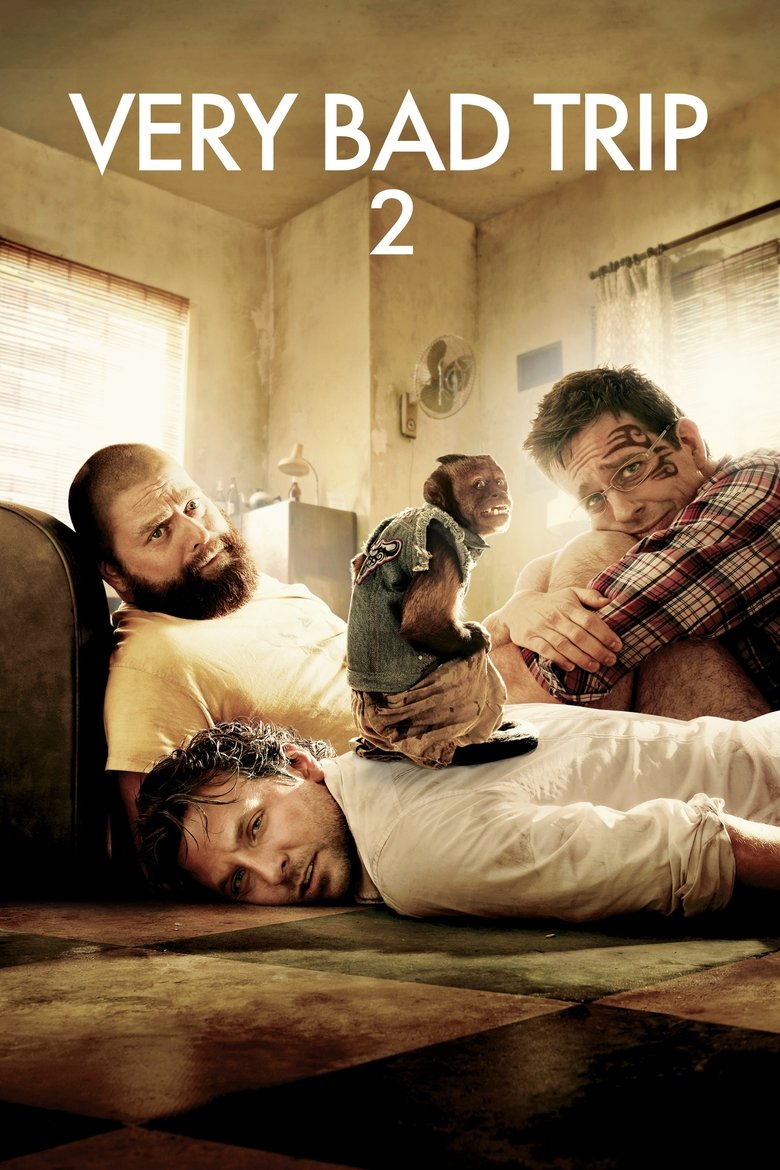
The company also expanded into comedy through Todd Phillips's The Hangover (2009). Its commercial success led to two sequels, released in 2011 and 2013.
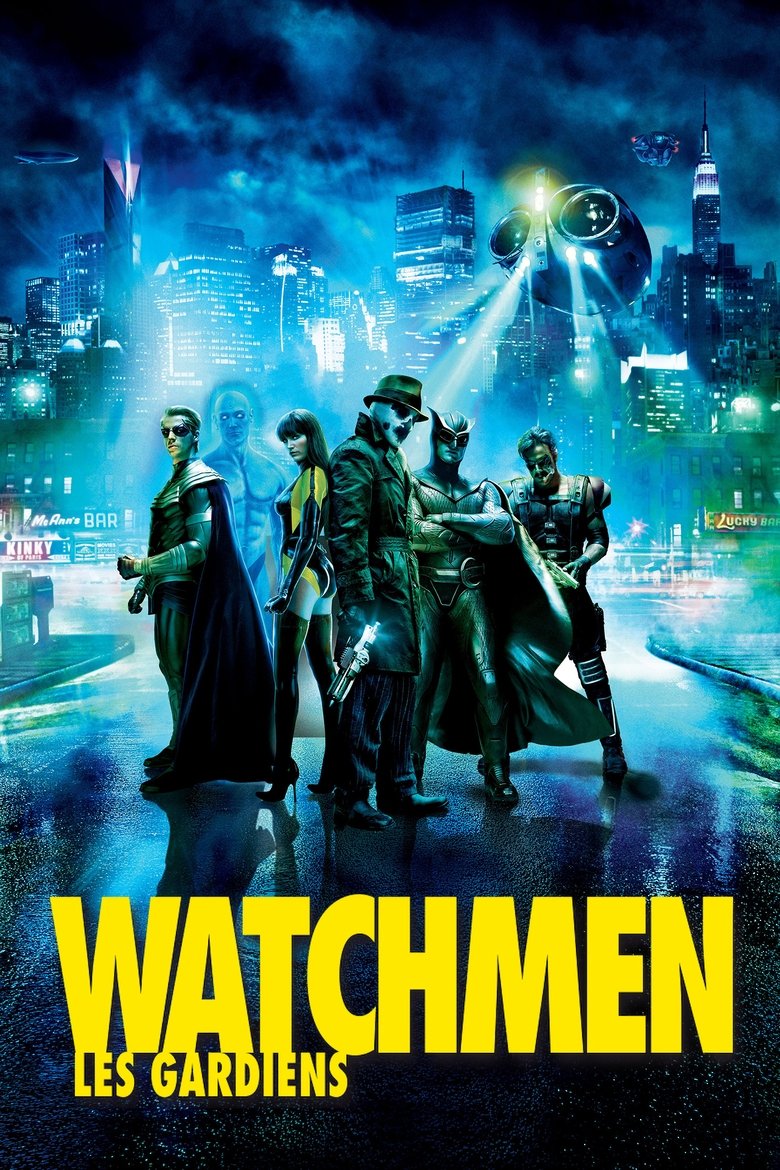
In 2009, Legendary was associated with Watchmen, Zack Snyder's adaptation of the graphic novel by Alan Moore and Dave Gibbons.
Its collaboration with Nolan continued through Inception (2010) and The Dark Knight Rises (2012), the conclusion of the director's Batman trilogy.
These early years established Legendary's identity around major commercial films while maintaining relationships with directors known for distinctive visual and narrative approaches.
2013–2015 — Pacific Rim, Godzilla and Universal Pictures
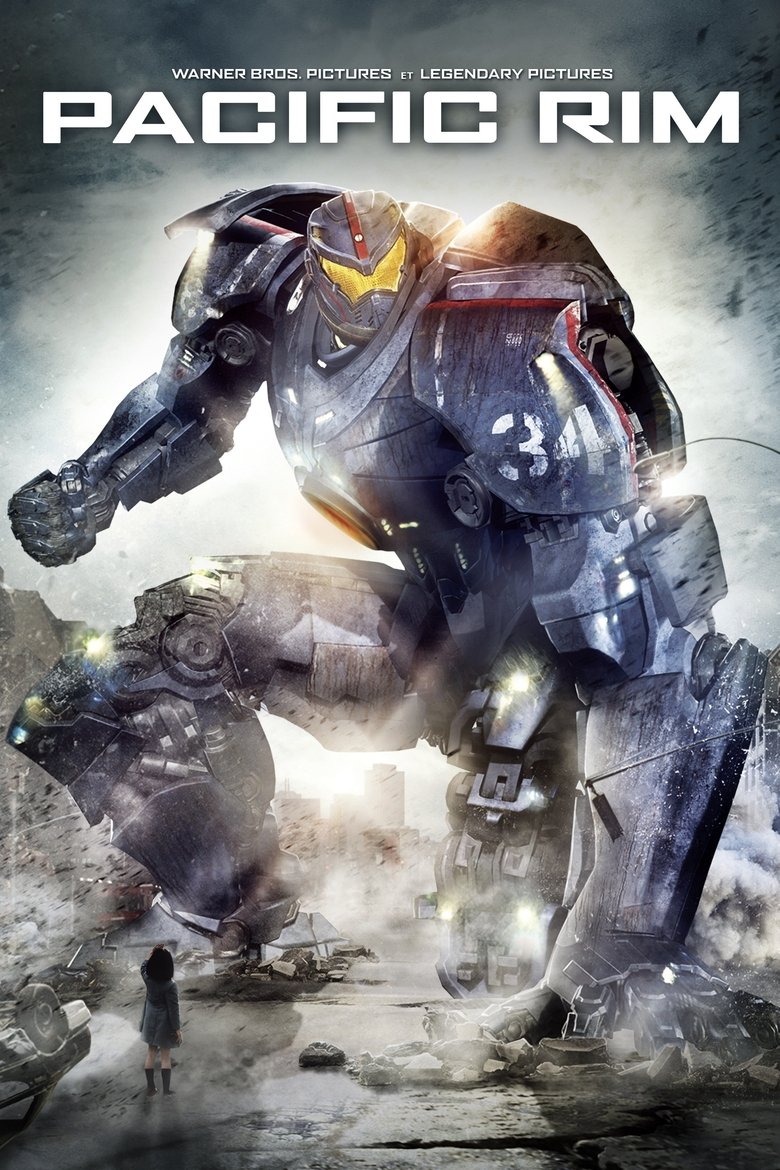
In 2013, Legendary participated in Pacific Rim, directed by Guillermo del Toro. The film depicts giant machines piloted by humans fighting monstrous creatures emerging from the ocean.
Drawing partly on Japanese giant-monster and robot traditions, the production reflected Legendary's growing interest in science-fiction properties capable of expanding across multiple films.
That year, Legendary announced the conclusion of its long-standing agreement with Warner Bros. and signed a new five-year partnership with Universal Pictures, beginning in 2014.
Warner nevertheless continued distributing previously developed projects, including Gareth Edwards's Godzilla (2014).
This new interpretation of Japan's famous monster, developed with permission from Toho, became the starting point of the MonsterVerse. Legendary subsequently expanded the fictional universe to incorporate King Kong.
In 2014, the company also participated in Christopher Nolan's Interstellar. Starring Matthew McConaughey, Anne Hathaway and Jessica Chastain, the film combines space exploration, scientific ideas and family relationships.
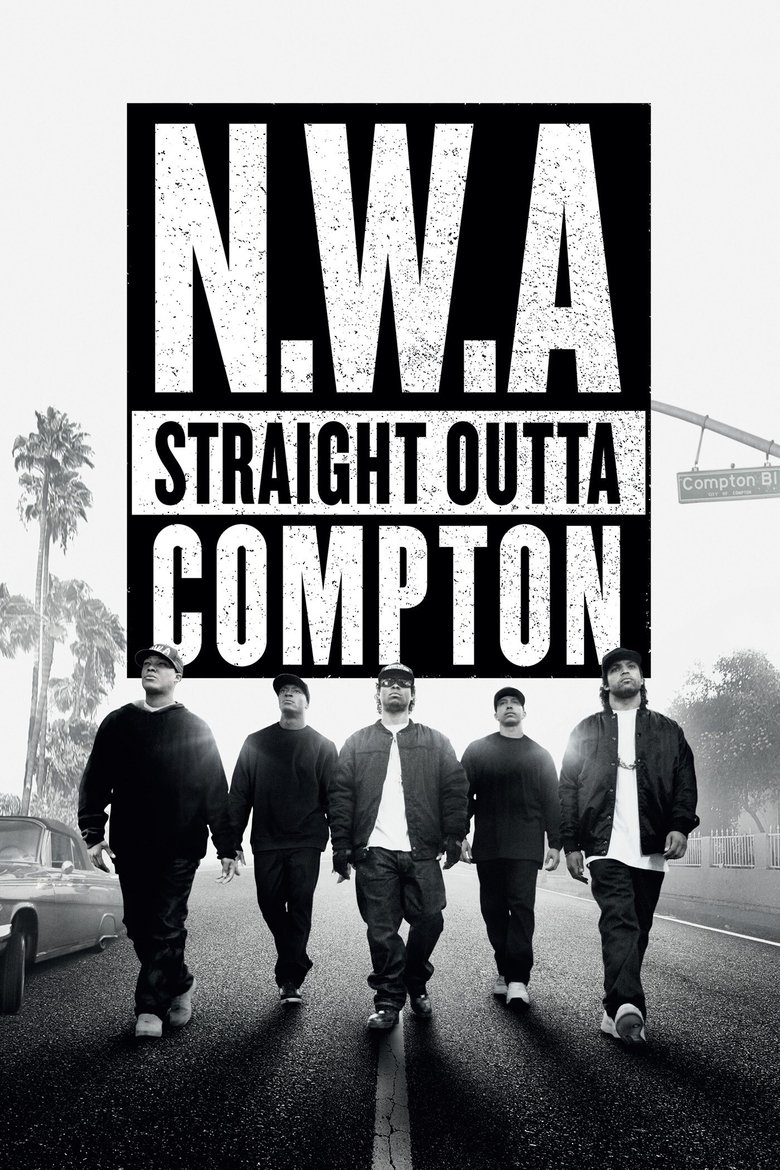
The Universal partnership then brought Legendary into Jurassic World (2015), directed by Colin Trevorrow, and Straight Outta Compton (2015), F. Gary Gray's biographical drama about the rap group N.W.A.
This period demonstrated Legendary's diversification across large-scale science fiction, international franchises and cultural storytelling.
2016–2019 — Wanda's Acquisition and International Expansion
In January 2016, Chinese conglomerate Dalian Wanda Group announced its acquisition of Legendary Entertainment for approximately $3.5 billion.
The transaction represented a major development in the relationship between the American and Chinese film industries. Wanda sought to expand an international entertainment business connecting production, distribution and content exploitation.
That same year, Legendary released The Great Wall, directed by Zhang Yimou and starring Matt Damon, an American-Chinese production developed with several international partners.
In January 2017, Thomas Tull stepped down as chief executive. Joshua Grode was appointed to lead the company later that year, while Mary Parent oversaw its film productions.
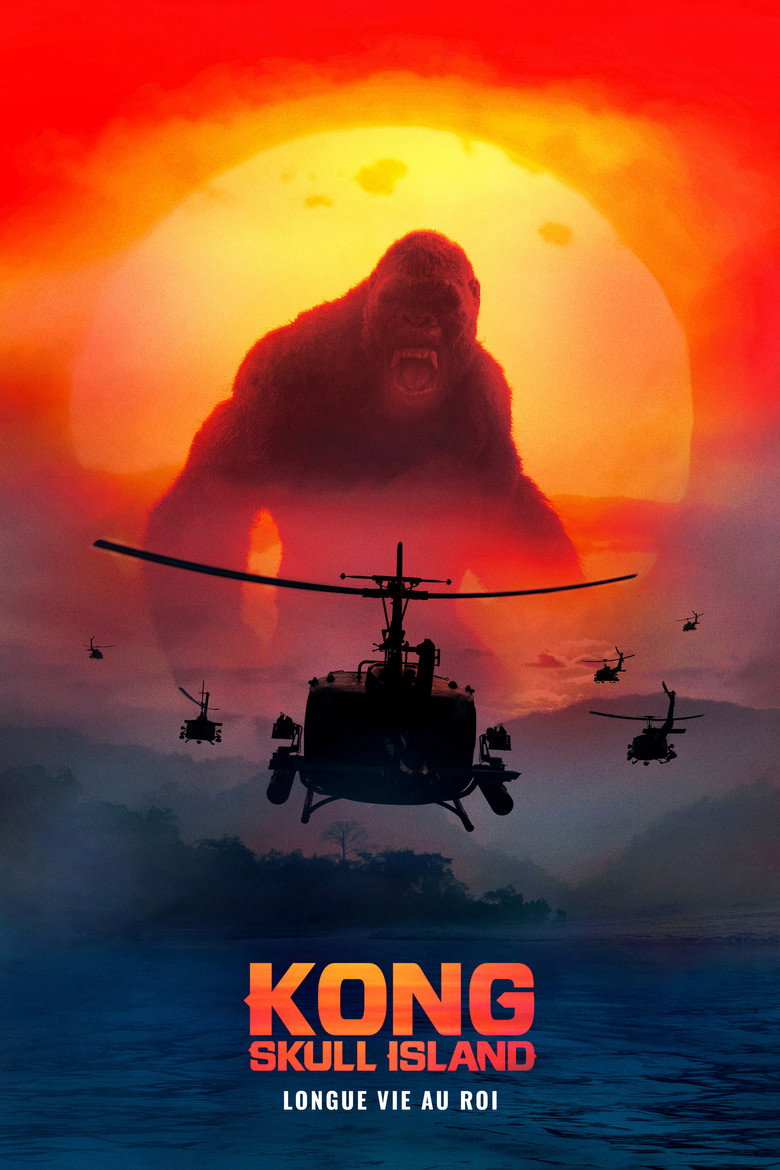
Legendary continued expanding the MonsterVerse with Kong: Skull Island (2017), directed by Jordan Vogt-Roberts. The film introduced King Kong into a shared universe with Godzilla.
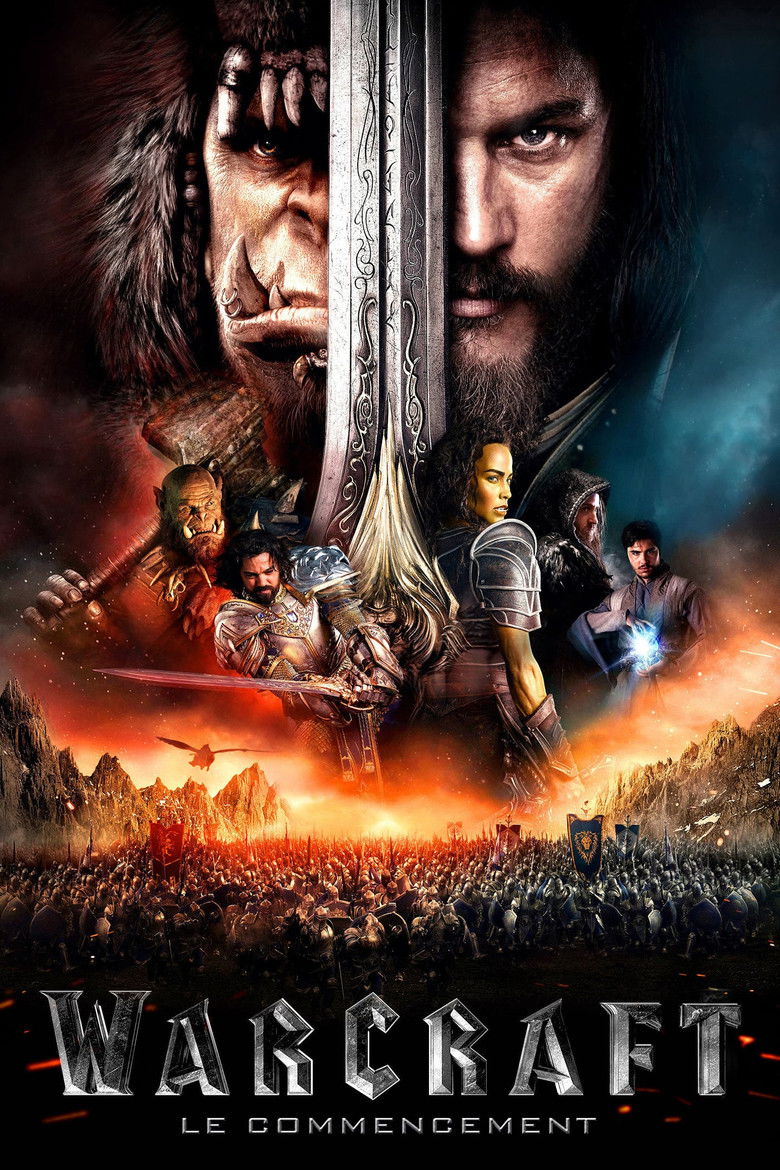
The company also participated in Warcraft (2016), Duncan Jones's adaptation of Blizzard Entertainment's video game franchise, and Pacific Rim: Uprising (2018).
In 2019, Michael Dougherty's Godzilla: King of the Monsters expanded the MonsterVerse by introducing creatures including Mothra, Rodan and King Ghidorah.
Throughout this decade, Legendary strengthened its position in video game adaptations, fantasy universes and internationally oriented productions.
2020–2022 — Streaming, Enola Holmes and Dune
During the early 2020s, Legendary adapted to changing theatrical distribution practices and the expansion of streaming services.
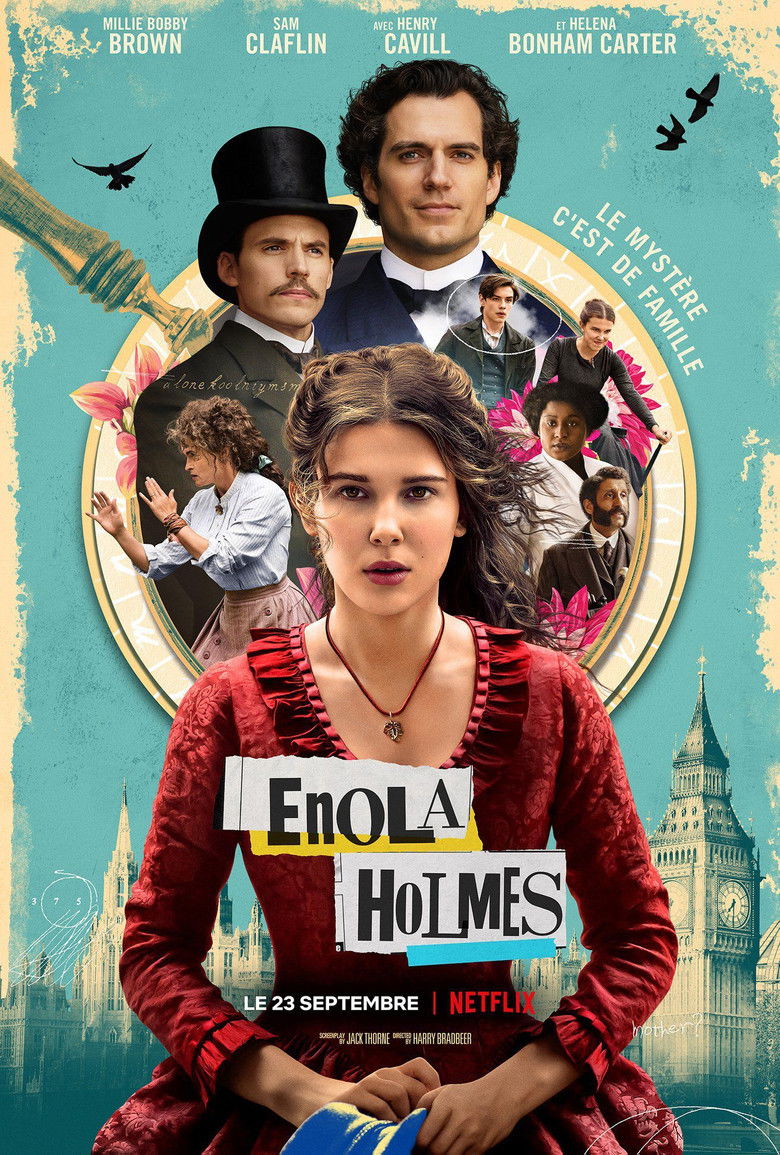
In 2020, the company produced Enola Holmes, directed by Harry Bradbeer and distributed by Netflix. Inspired by Nancy Springer's novels, the film follows the adventures of Sherlock Holmes's younger sister, played by Millie Bobby Brown.
The production reached an international audience and led to Enola Holmes 2 (2022), continuing the character's adventures in Victorian England.
In 2021, Legendary participated in Godzilla vs. Kong, directed by Adam Wingard. The film brought together the two central monsters of the MonsterVerse in a confrontation anticipated since the franchise began.
That same year, Denis Villeneuve's Dune reached theaters, adapting Frank Herbert's influential science-fiction novel published in 1965.
Produced in association with Legendary and distributed by Warner Bros., the film portrays the desert planet Arrakis and the political and economic struggles surrounding the valuable substance known as Spice.
Its production design, costumes, cinematography, visual effects and Hans Zimmer's music contributed to ten Academy Award nominations in 2022, with six wins.
In January 2022, investment funds managed by Apollo Global Management announced a $760 million investment in Legendary, acquiring a minority ownership interest.
In November 2022, Legendary established a new distribution partnership with Sony Pictures for several future productions. Existing agreements involving major Warner Bros. franchises, including Dune and the MonsterVerse, remained in effect.
2023–2024 — Dune, the MonsterVerse and Renewed Independence
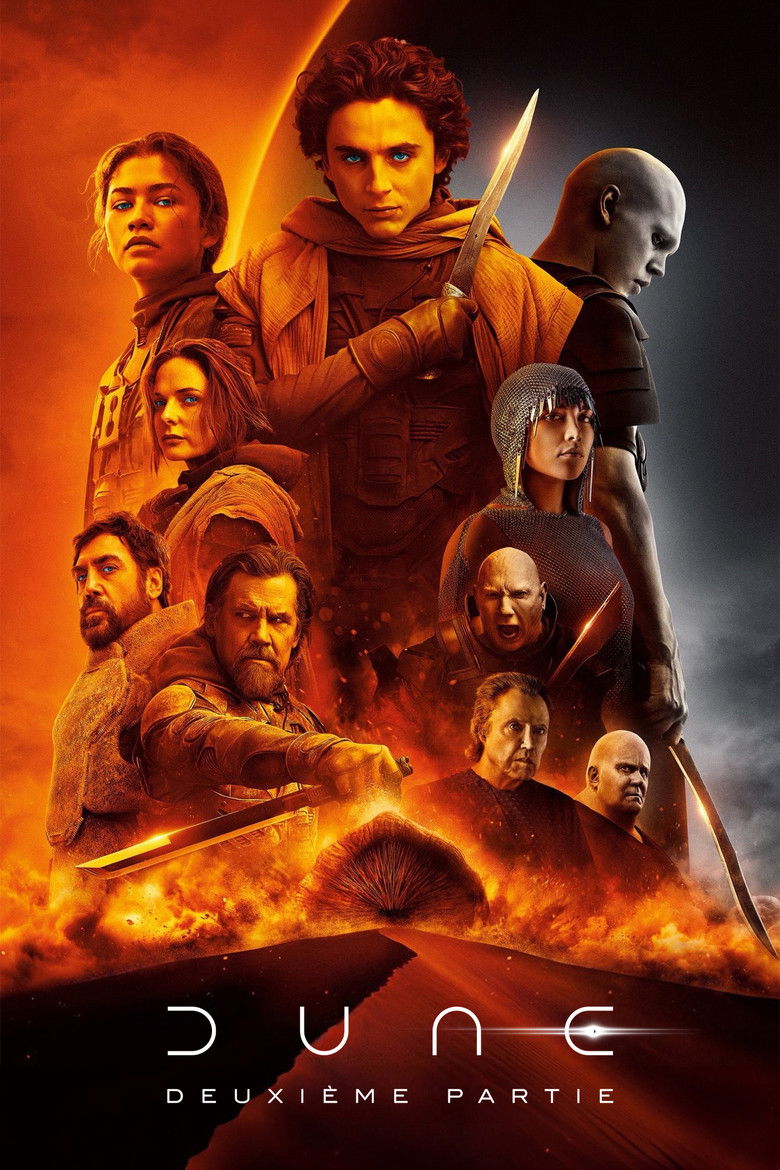
In 2024, Legendary reunited with Denis Villeneuve for Dune: Part Two. The film continued the adaptation of Frank Herbert's novel, expanding the political, religious and military conflicts involving Paul Atreides and the Fremen.
The production won two Academy Awards in 2025, recognizing its visual effects and sound.
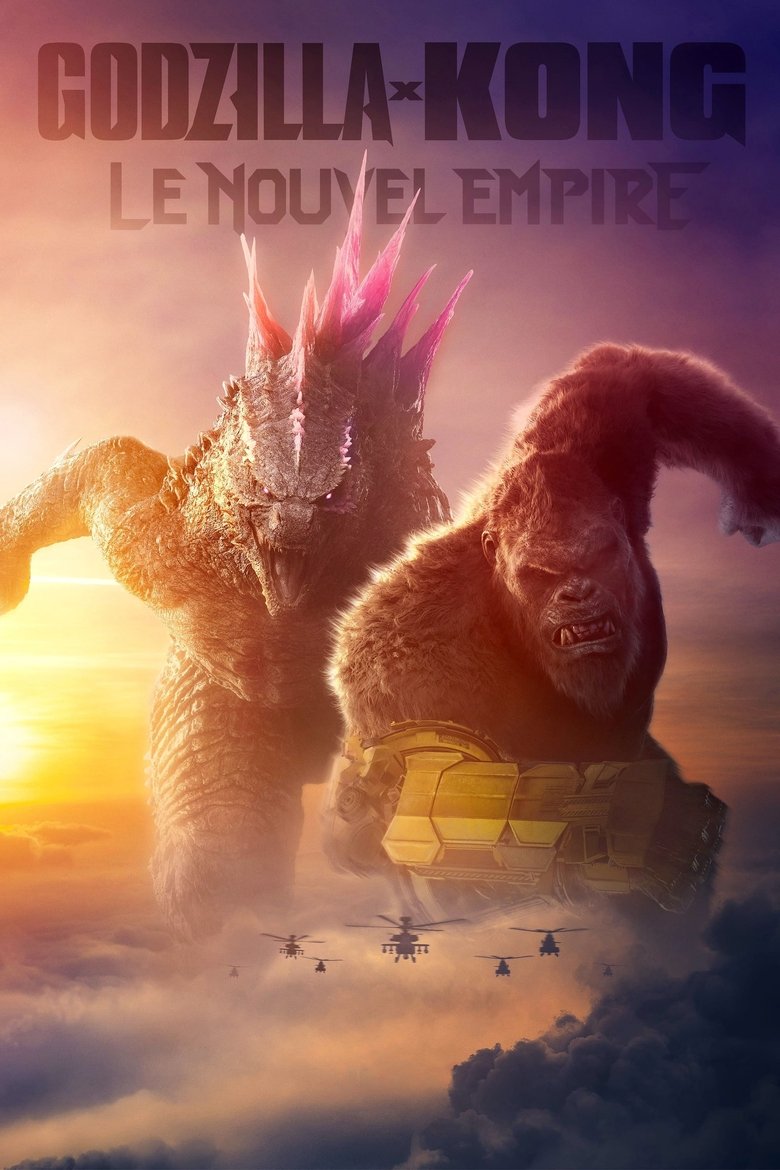
That same year, Legendary participated in Godzilla x Kong: The New Empire, directed by Adam Wingard. The new installment expanded the MonsterVerse mythology, particularly the underground environments inhabited by giant creatures.
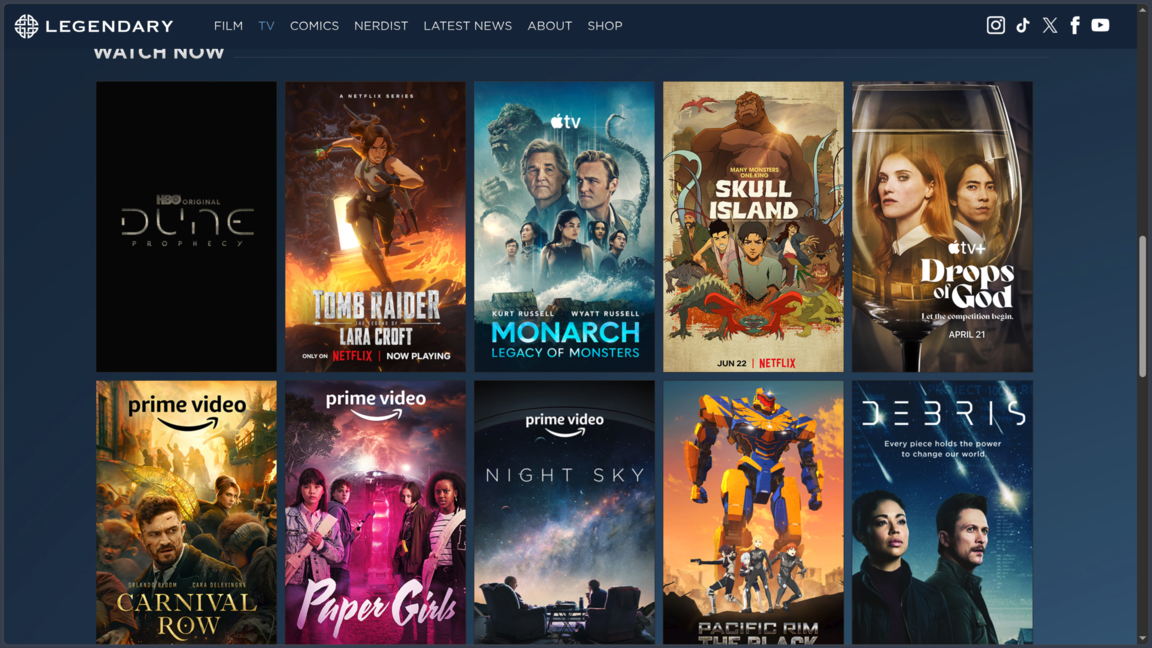
Meanwhile, Legendary developed its television activities. Monarch: Legacy of Monsters, launched on Apple TV+ in 2023, explores the activities of the organization Monarch, previously introduced in the MonsterVerse films.
The group also produced Dune: Prophecy, an HBO television series launched in 2024 and set before the events depicted in Villeneuve's films.
In October 2024, Legendary announced that it had acquired Dalian Wanda Group's remaining ownership interest.
The transaction ended eight years of Chinese ownership. Legendary was subsequently owned by its management and funds managed by Apollo Global Management, before a new Japanese investor acquired a minority stake in 2026.
2025–2026 — New Partnerships and International Development
In 2025, Legendary continued expanding its franchises while establishing relationships with additional distributors.
The studio participated in A Minecraft Movie, Jared Hess's adaptation of the popular video game, distributed by Warner Bros.
In September 2025, Legendary Entertainment and Paramount Pictures announced a new three-year worldwide theatrical distribution agreement.
The partnership covered new productions, while Warner Bros. retained distribution responsibilities for selected existing franchises, including Dune and Godzilla x Kong.
The first film released under the new agreement was Street Fighter (2026), a live-action adaptation of Capcom's fighting game franchise, directed by Kitao Sakurai and co-produced with the Japanese publisher.
In January 2026, Japanese media company TBS Holdings acquired a $150 million minority interest in Legendary.
The strategic partnership aims to develop international productions based on Japanese intellectual properties, particularly manga, animation and video games.
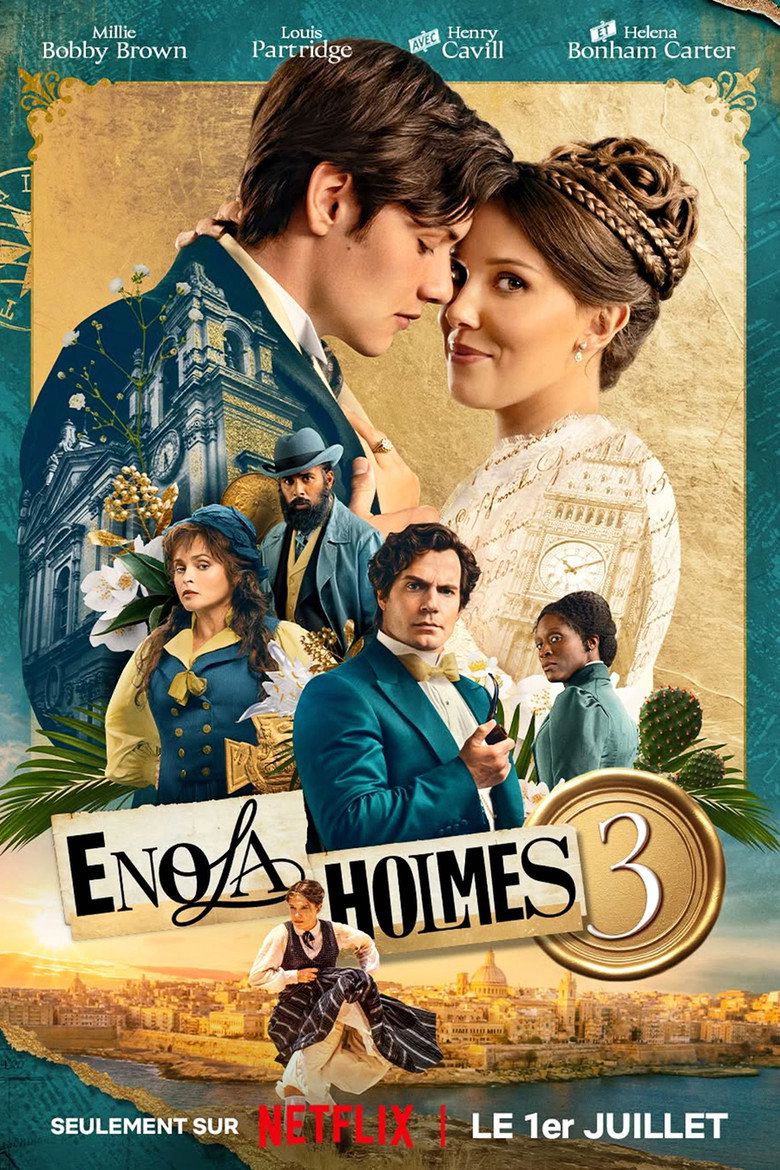
Legendary also continued the Enola Holmes franchise with a third film, directed by Philip Barantini and released on Netflix on July 1, 2026.
The company is additionally developing further installments of Dune and the MonsterVerse, including Dune: Part Three, announced for December 2026, and Godzilla x Kong: Supernova, scheduled for 2027.
These developments reflect Legendary's transformation from a Warner Bros. financing partner into an independent audiovisual company working with multiple international distributors and investors.
What Sets It Apart
A Business Model Combining Production and Financing
Legendary Pictures developed through a model connecting private investment, intellectual property ownership and partnerships with major film studios.
Unlike companies acting exclusively as financial investors, Legendary also participates in the creative development and production of many of its films.
Its successive relationships with Warner Bros., Universal, Sony and Paramount demonstrate its ability to develop projects without relying permanently on one exclusive distribution network.
Building and Expanding Shared Fictional Universes
The MonsterVerse illustrates Legendary's strategy of creating fictional worlds capable of supporting multiple stories, filmmakers and audiovisual formats.
Beginning with Godzilla (2014), the company developed films focusing on Kong and other giant creatures before bringing the characters together in shared productions.
The strategy also extends to television through Monarch: Legacy of Monsters, merchandise and other international licensing opportunities.
Collaborations with Established Filmmakers
Legendary has participated in several Christopher Nolan films, including The Dark Knight trilogy and Interstellar, alongside productions directed by Guillermo del Toro, Zack Snyder, Denis Villeneuve and Gareth Edwards.
These collaborations have supported films in which visual worlds, special effects and cinematic direction play central creative roles.
The Dune franchise particularly demonstrates this approach, combining complex literary science fiction with substantial technical and financial resources.
Adaptations Drawn from Popular Culture
A significant portion of Legendary's catalog originates from graphic novels, literature, video games and established entertainment franchises.
Productions such as Watchmen, Warcraft, Dune, Enola Holmes, Minecraft and Street Fighter demonstrate the range of properties adapted for the screen.
These projects involve collaboration with rights holders, authors, publishers and production partners to translate established fictional worlds into new audiovisual formats.
Key Facts
- Founder: Thomas Tull, an American entrepreneur with an investment background.
- Origins: Developed during the early 2000s; its first major Warner Bros. film partnership began in 2005.
- Location: Burbank, California, United States.
- Corporate structure: Legendary Pictures is the film division of Legendary Entertainment.
- Early major franchise: Participation in Christopher Nolan's Batman trilogy.
- MonsterVerse: Shared universe launched with Godzilla (2014), later incorporating Kong.
- Wanda acquisition: Announced in January 2016 for approximately $3.5 billion.
- Leadership: Joshua Grode has served as Legendary Entertainment's chief executive since late 2017.
- Dune: Denis Villeneuve's first film won six Oscars in 2022; the second won two in 2025.
- Apollo: Announced a $760 million investment in January 2022.
- Ownership: Wanda's remaining stake was acquired in October 2024, followed by a minority investment from TBS Holdings in January 2026.
- Distribution: Partnerships with Warner Bros., Universal Pictures, Sony Pictures and Paramount Pictures.
- Television: Productions include Monarch: Legacy of Monsters and Dune: Prophecy.
- Video games: Film adaptations of Warcraft, Minecraft and Street Fighter.
- Status: Active across film, television and comic book publishing through the divisions of Legendary Entertainment.