


Overview
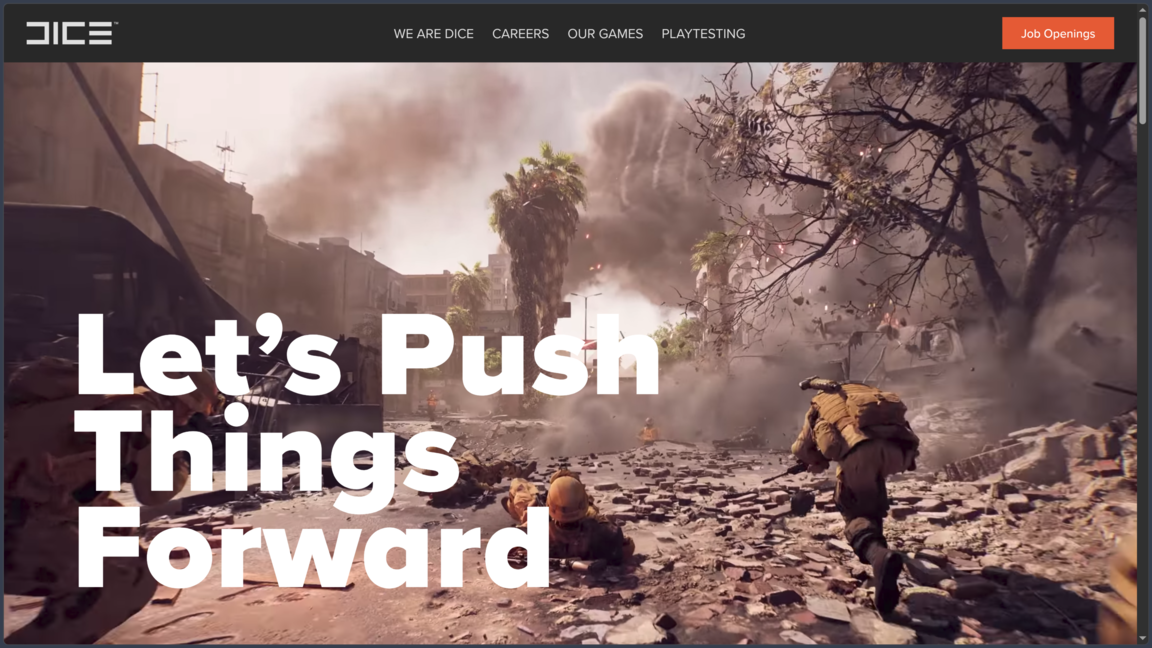
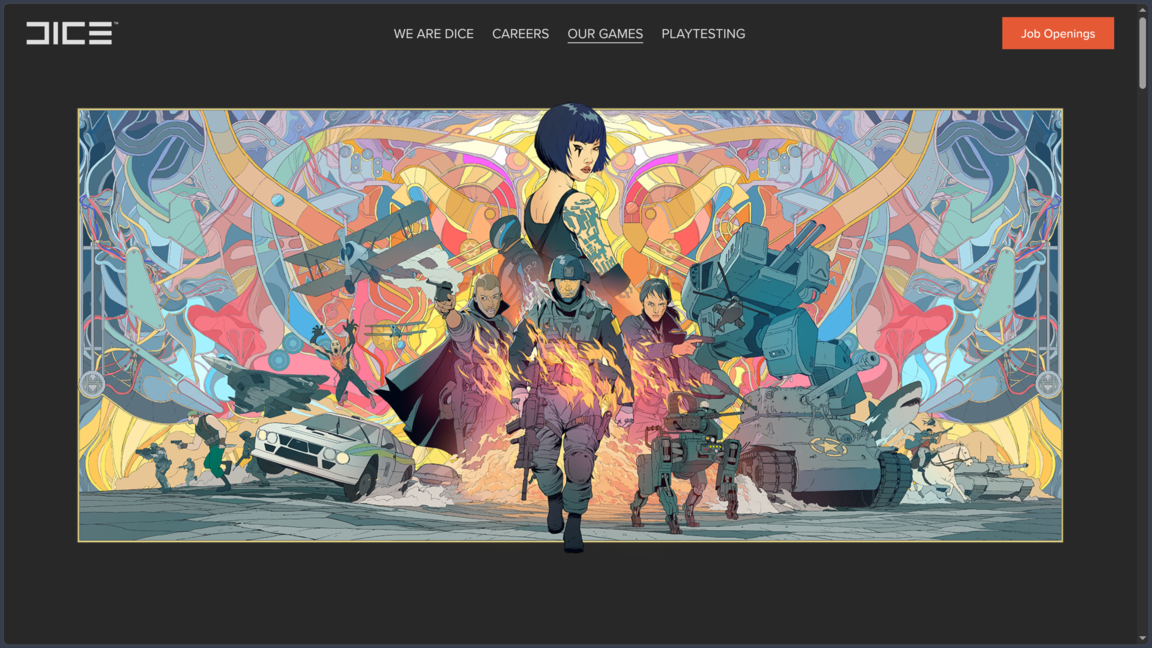
EA Digital Illusions CE, commonly known as DICE, is a Swedish video game development studio owned by Electronic Arts. Based in Stockholm, it is primarily associated with the Battlefield franchise, having developed its major instalments, as well as the Mirror's Edge and Star Wars Battlefront games.
The studio specialises in first-person shooters featuring expansive environments, multiplayer combat and extensive use of vehicles. Battlefield: Bad Company (2008), Battlefield 3 (2011), Battlefield 4 (2013), Battlefield 1 (2016) and Battlefield 2042 (2021) illustrate the evolution of its combat systems, environmental destruction and cooperative gameplay.
DICE also created Frostbite, a game engine initially developed to meet the technical requirements of the Battlefield franchise before being adopted by other Electronic Arts studios. Its technology includes environmental destruction, graphical rendering, audio systems and the management of large multiplayer maps.
Outside Battlefield, DICE developed Mirror's Edge (2008) and Mirror's Edge Catalyst (2016), two action games focused on movement and parkour, alongside Star Wars Battlefront (2015) and its 2017 sequel, bringing large-scale combat to the Star Wars universe.
History
2006-2010 — Integration into Electronic Arts and the development of Frostbite
DICE's history began before its integration into Electronic Arts. The studio originated from Digital Illusions, a Swedish company founded in 1992, which developed the Battlefield franchise beginning with Battlefield 1942 (2002).
In October 2006, Electronic Arts completed its acquisition of Digital Illusions CE. The studio became fully integrated into the American publisher under the name EA Digital Illusions CE. This marked the beginning of the period associated with the entity recorded in the catalogue.
That same year, Battlefield 2142 brought the franchise into a futuristic global conflict, introducing features such as Titan mode, centred on enormous airborne military vessels.
In 2008, DICE developed Battlefield: Bad Company, an instalment focusing on a squad of soldiers and using the first generation of the Frostbite engine. This technology notably allowed players to destroy certain buildings and environmental structures during combat.
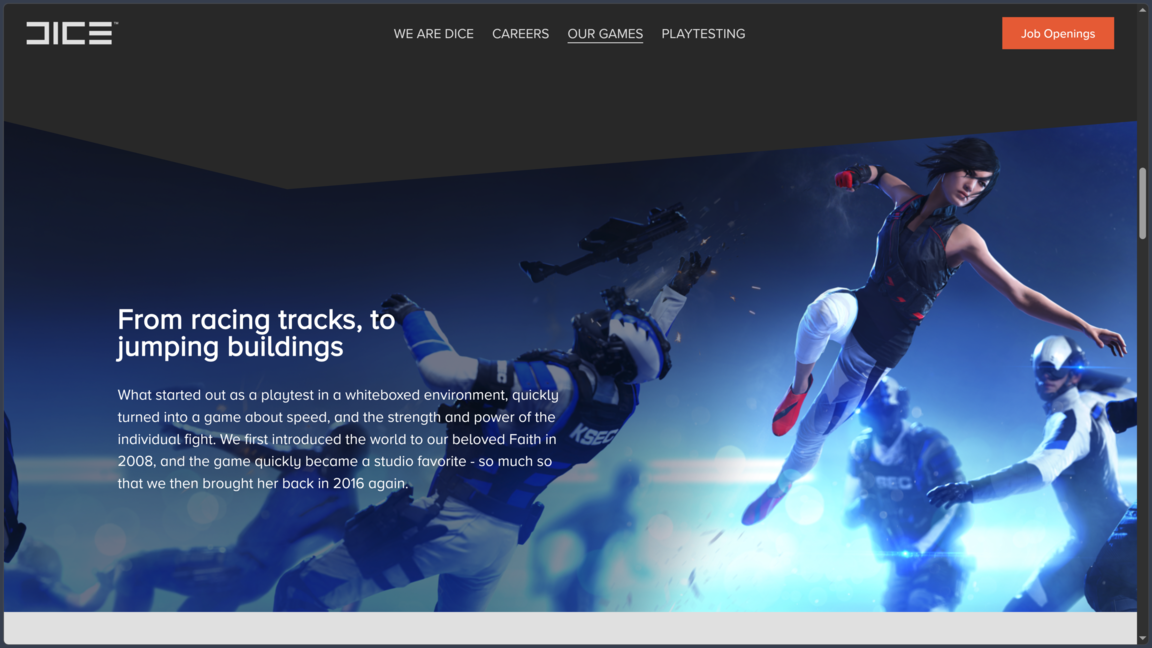
The same year, the studio released Mirror's Edge, a very different experience built around parkour, rooftop running and first-person movement. Developed using Unreal Engine 3, the game featured minimalist urban environments and a distinctive visual style dominated by white surfaces and strongly contrasting colours.
DICE continued the franchise with Battlefield 1943 (2009) and Battlefield: Bad Company 2 (2010), further developing environmental destruction and team-based gameplay.
Meanwhile, the studio developed the multiplayer component of Medal of Honor (2010), while Danger Close Games handled the single-player campaign. DICE also provided technical assistance on Need for Speed: Hot Pursuit (2010), primarily developed by Criterion Games, particularly in the creation of its environments.
2011-2014 — Battlefield 3, Frostbite 2 and large-scale warfare
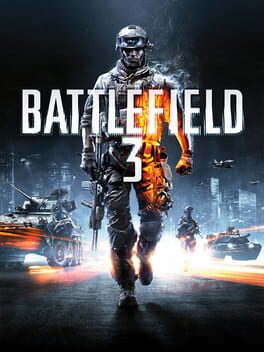
With Battlefield 3 (2011), DICE introduced Frostbite 2, a new generation of its proprietary engine. The game improved lighting, character animation, environmental destruction and visual effects while expanding multiplayer combat involving infantry, ground vehicles and aircraft.
These technical developments contributed to Frostbite's growing importance within Electronic Arts, where it was progressively adopted by other development teams.
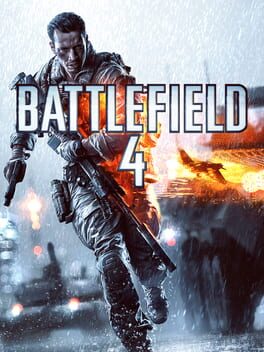
In 2013, Battlefield 4 continued the expansion of large-scale multiplayer gameplay. The game introduced Levolution, a system allowing major events to transform certain maps during matches, including the collapse of buildings or changes to combat areas.
During this period, DICE also collaborated with other Electronic Arts teams. Battlefield Hardline (2015), primarily developed by Visceral Games, used the franchise's technical foundations to present confrontations between police officers and criminals.
2015-2018 — Star Wars, Mirror's Edge and historical warfare
In 2015, DICE developed Star Wars Battlefront, a multiplayer shooter recreating battles from the original Star Wars trilogy across large environments. The game used Frostbite to reproduce the landscapes, vehicles and visual effects associated with the franchise.
The year 2016 brought two very different productions.
Mirror's Edge Catalyst offered a new interpretation of Faith Connors' world, introducing a more open city, expanded movement mechanics and the Frostbite engine.
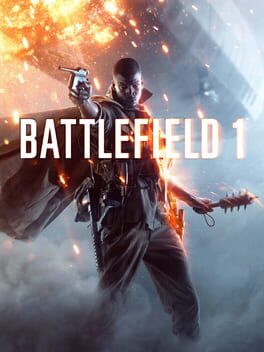
Battlefield 1, meanwhile, brought the franchise to the First World War. The game featured weapons, vehicles and equipment inspired by the period, introduced Operations mode and presented several individual stories in its campaign.
In 2017, DICE developed Star Wars Battlefront II in collaboration with Motive Studios and Criterion Games. The game featured multiplayer battles spanning different eras of Star Wars, while Motive led the development of the narrative campaign.
In 2018, Battlefield V returned to the Second World War. It expanded cooperative mechanics, player-built fortifications and large-scale combat while continuing the technical evolution of Frostbite.
2021-2025 — Battlefield 2042 and multi-studio development
With Battlefield 2042 (2021), DICE returned to a near-future military setting. The game introduced large maps, dynamic weather events and battles supporting up to 128 players on certain platforms.
It also featured Battlefield Portal, a system allowing players to create customised experiences using content from several earlier instalments. Its development involved multiple Electronic Arts teams.
In the following years, Electronic Arts reorganised the franchise around several development teams operating collectively under the Battlefield Studios name.
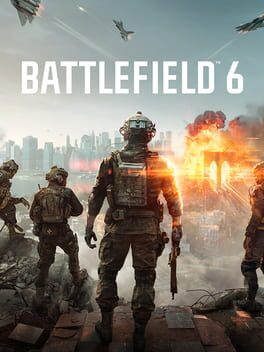
DICE worked alongside Criterion Games, Motive Studio and Ripple Effect on Battlefield 6, released on October 10, 2025. This organisation brought together teams specialising in combat systems, multiplayer environments and narrative experiences.
DICE continues to play a central role in the franchise's development, particularly in designing its large-scale multiplayer warfare.
Distinctive Features
Multiplayer combat combining infantry and vehicles
DICE's Battlefield games feature expansive maps where soldiers, tanks, aircraft and other vehicles participate in the same battles. Class systems, territorial objectives and cooperation between players are recurring elements of this approach.
The Frostbite engine and environmental destruction
Originally developed for Battlefield: Bad Company, Frostbite became one of Electronic Arts' major production technologies. It enables complex environments, advanced graphical effects and different forms of destruction that can influence the course of combat.
Technical expertise in audiovisual immersion
DICE places particular emphasis on the representation of weapons, vehicles, landscapes and sound effects. Explosions, changing lighting conditions and spatial audio contribute to the atmosphere of its combat experiences.
Creative projects beyond military shooters
With Mirror's Edge, DICE explored an action formula built around movement, fluid navigation and environmental readability. Its Star Wars Battlefront games also demonstrate how the studio applies its technical expertise to an established fictional universe.
Key Facts
- Origins: Digital Illusions, founded in Sweden in 1992.
- Electronic Arts integration: October 2006, under the EA Digital Illusions CE name.
- Location: Stockholm, Sweden.
- Parent company: Electronic Arts.
- Main franchise: Battlefield, first released in 2002.
- First Battlefield of the fully integrated EA period: Battlefield 2142 (2006).
- Proprietary engine: Frostbite, introduced with Battlefield: Bad Company (2008).
- Original creation: Mirror's Edge (2008), developed using Unreal Engine 3.
- Collaborations: multiplayer development for Medal of Honor (2010) and contributions to Need for Speed: Hot Pursuit (2010).
- Adapted franchise: Star Wars Battlefront (2015) and Star Wars Battlefront II (2017).
- Historical settings: Battlefield 1 (2016) and Battlefield V (2018).
- Recent organisation: Battlefield Studios, bringing together DICE, Criterion, Motive and Ripple Effect.
- Recent production: Battlefield 6 (2025), jointly developed by Battlefield Studios.
- Status: active studio within Electronic Arts.