Ten days after the coup d'état of December 2, 1851, Victor Hugo was in exile, driven out of his country. He renounced the comfort of his bourgeois life, his seat as a deputy and his academician chair to engage in a relentless struggle against Emperor Napoleon III, whom he renamed "Napoléon le petit". On the island of Jersey, he composes his Chastisements, a political weapon that makes the poet the spokesman for the people, the Republic and justice. Because it seems inconceivable to him under these conditions to write a "volume of pure poetry", Hugo gives this pamphletary work a new poetic dimension, enlarged by the sincerity of anger and the vicinity of the ocean.
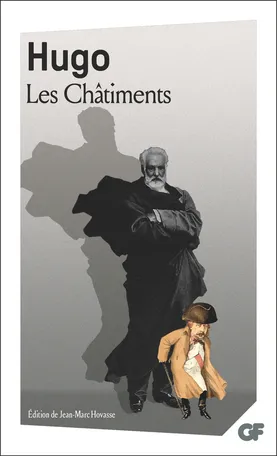
Book
Poetry
Political
Victor Hugo : The Punishments
- Flammarion Publisher
- Hachette Publisher
- Victor Hugo Author
Details
- Type
- Book
- Countries
- 🇫🇷 France
- Genres
- Poetry, Political
- ISBN
- 9782011676214
Synopsis
Victor Hugo : The Punishments
Link graph
Open in the full graphLoading the graph…
Only the strongest links are shown.