How can we learn to live wisely and act justly toward others? In The Analects of Confucius, the sayings and conversations attributed to the Chinese philosopher present the principles of a life grounded in virtue, education, and respect for human relationships. Through exchanges with his disciples and brief reflections, Confucius addresses benevolence, righteousness, ritual propriety, family responsibilities, and the art of government. He presents wisdom as a continuous process of learning that requires recognizing mistakes, cultivating personal qualities, and putting knowledge into practice. His thought thus establishes a close connection between individual moral development and social harmony, making exemplary conduct the foundation of human relationships and political authority.
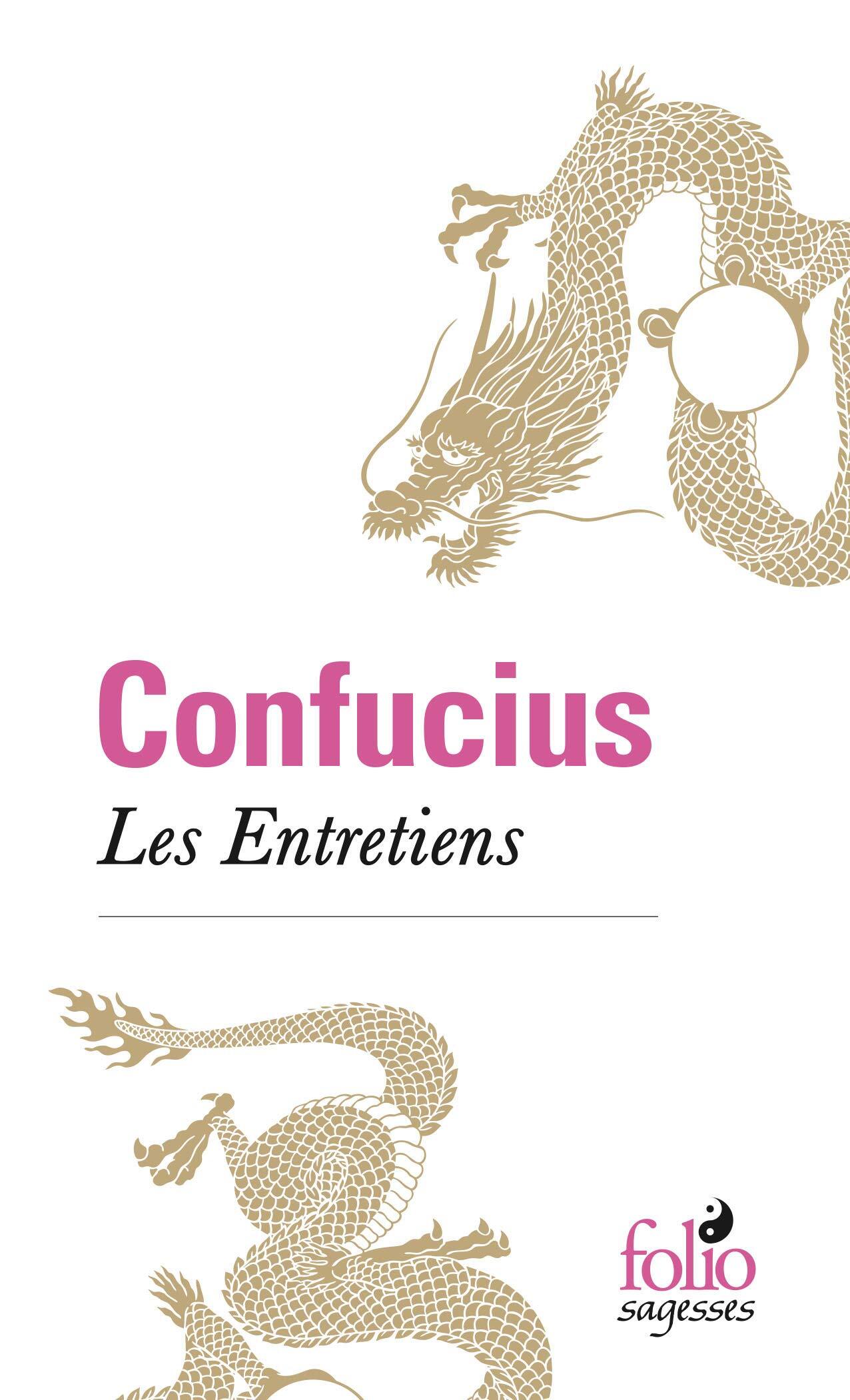
Confucius: The Analects of Confucius
- Seuil Publisher
- Confucius Author
Learning to become a better person, act justly, respect others, and contribute to social harmony.
Details
- Type
- Book
- Original language
- Chinese
- Genres
- Philosophy
- ISBN
- 2020057751
- Information verified on
- 14 octobre 2026
Synopsis
Confucius: The Analects of Confucius
Overview
Overview
The Analects of Confucius brings together the teachings and conversations attributed to the Chinese philosopher, transmitted and compiled by his disciples and their successors. Known by its original title Lúnyǔ, this foundational work of Confucian thought consists of dialogues, sayings, and observations concerning human existence. Rather than developing a philosophical system through a rigid progression, it explores moral questions through concrete situations, responses addressed to disciples, and reflections on individual behavior. The edition published by Seuil, translated by Anne Cheng, presents the complete text accompanied by material that helps explain its intellectual and historical context.
One of the central concerns of the Analects is the moral development of the individual. Confucius considers that human beings can improve through study, reflection, and examination of their own conduct. Learning is not limited to acquiring knowledge: it should transform the way people think, speak, and act. This requirement is embodied in the figure of the junzi, the exemplary person who pursues righteousness rather than prestige or material advantage. Wisdom thus appears as a daily practice requiring perseverance, sincerity, and the ability to recognize one's mistakes.
This development rests particularly on benevolence and respect for ritual propriety. Ren, often translated as "humaneness" or "benevolence," describes a moral quality expressed through consideration for others and recognition of their needs. Li, referring to rituals and standards of conduct, makes it possible to express this inner disposition through social behavior. For Confucius, conventions do not serve merely an external function: when practiced sincerely, they help develop self-control, express respect, and preserve the quality of human relationships.
The Analects also examine the obligations connecting individuals within the family and society. Filial piety, faithfulness to commitments, trust, and reciprocity are essential dimensions of moral life. These principles extend to political relationships, in which Confucius places particular importance on the exemplary conduct of rulers. Just government should not depend exclusively on laws and punishments: it must also rest on the virtue of those who exercise power, their ability to inspire trust, and their commitment to collective responsibilities.
Finally, the fragmentary composition of the work gives particular importance to dialogue and interpretation. Some of Confucius's responses vary according to the person addressed and the circumstances, emphasizing the importance of discernment rather than the mechanical application of universal rules. Anne Cheng's translation helps situate these exchanges within the Chinese intellectual tradition, clarifying concepts whose meanings cannot always be reduced to direct English equivalents. The Analects thus convey a conception of philosophy attentive to circumstances, in which knowledge and virtue develop through relationships with others.
Key Takeaways
Learning forms the foundation of moral development. Confucius connects study with reflection, experience, and personal self-examination. Understanding the principles of good conduct is not enough: individuals must learn to apply them. The figure of the junzi, the exemplary person, embodies this continuous pursuit of righteousness and self-control.
Benevolence and ritual propriety are complementary. Ren expresses humaneness and consideration for others, while li organizes the concrete expressions of respect within social relationships. Rituals should not be performed mechanically: their value also depends on the sincerity and moral disposition of the person practicing them.
Human relationships involve reciprocal responsibilities. Respect for parents, faithfulness to commitments, and trust occupy a central place in Confucian thought. Social harmony does not rest solely on hierarchy, but on the quality of individual behavior and the fulfillment of duties toward others.
Good government depends on the virtue of rulers. Confucius maintains that political authority should be exercised through exemplary conduct, justice, and trust rather than coercion alone. The behavior of those who govern directly influences collective conduct and constitutes an essential condition of social harmony.
Conclusion
With The Analects of Confucius, wisdom emerges as a process of moral cultivation connecting individual education with the demands of collective life. Benevolence, righteousness, ritual propriety, and respect for others are not isolated principles, but complementary dimensions of moral conduct grounded in learning and responsibility.
The work occupies a fundamental place in the history of Chinese thought. Its dialogic and fragmentary form conveys a philosophy rooted in human relationships and concrete situations. Through Anne Cheng's translation, this tradition is presented within its intellectual context, helping to clarify the connections between the teachings attributed to Confucius and their transmission across the centuries.
Good to Know
- The Analects of Confucius and The Analects refer to the same ancient work, known in Chinese as Lúnyǔ (論語 / 论语). Differences between editions mainly concern translation, commentary, and editorial presentation.
- The French edition published by Seuil, in the Points Sagesses collection, offers a complete translation from Chinese by Anne Cheng, a specialist in Chinese intellectual history.
- This edition includes an introduction, notes, maps, and a chronology. It also presents the Chinese text, allowing readers to situate the teachings within their original tradition.
- The traditional text consists of twenty books containing dialogues, sayings, and reflections attributed to Confucius. Its composition and transmission resulted from a compilation process that continued after the philosopher's lifetime.
- The concepts of ren (humaneness), li (ritual propriety), yi (righteousness), xiao (filial piety), and junzi (exemplary person) are essential reference points. Their translations vary between editions because their philosophical meanings sometimes extend beyond their English equivalents.