Overview
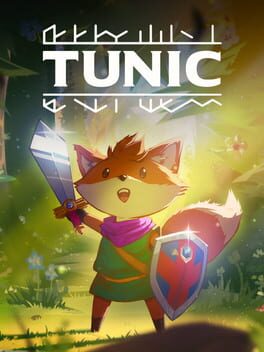
Developed by Andrew Shouldice and published by Finji, Tunic is a video game released on March 16, 2022. The platforms listed in this entry are PlayStation 5, PlayStation 4, Xbox Series, Xbox One, Nintendo Switch, PC, Mac and Nintendo Switch 2. The associated genres are action, adventure, fantasy, RPG, puzzle and indie. The specified game mode is Single player and the engine listed is Unity.
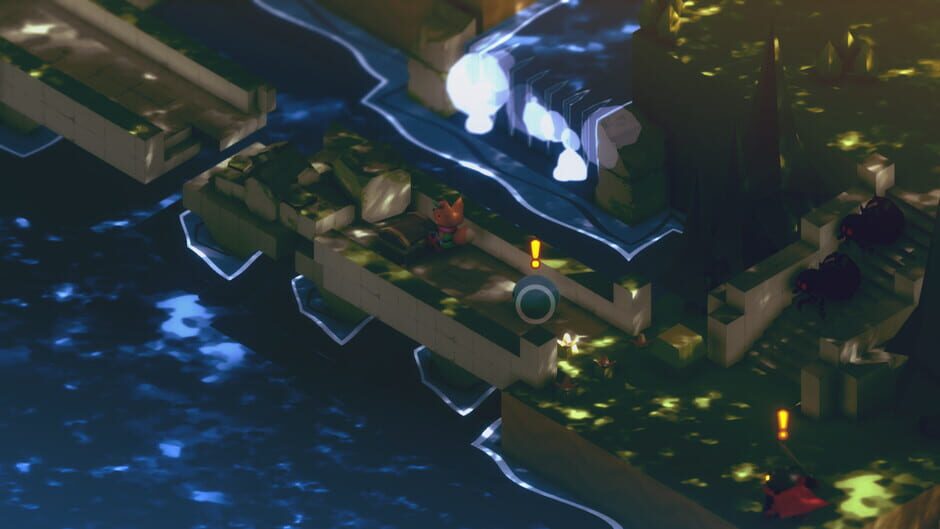
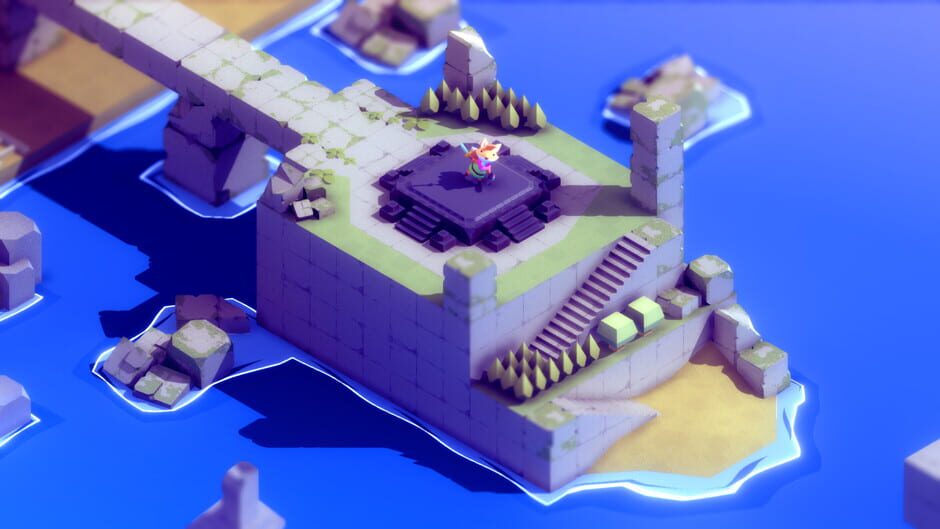
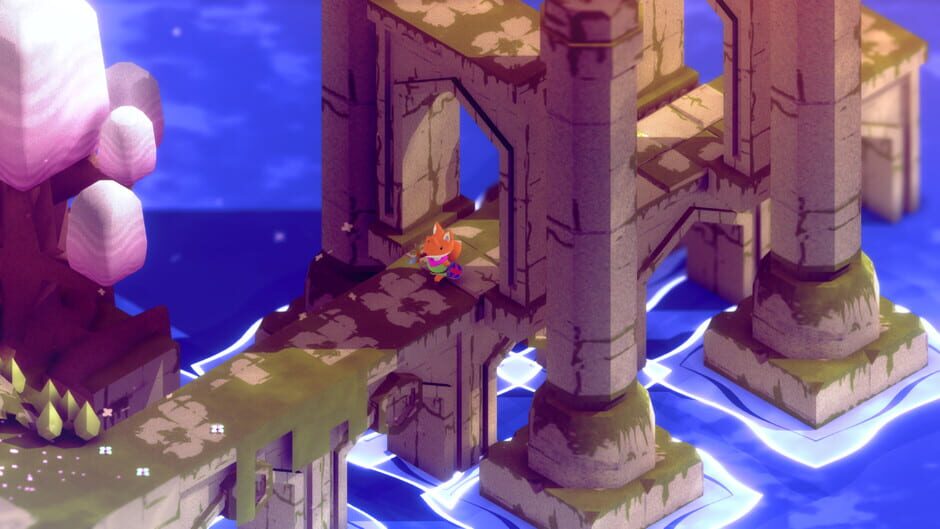
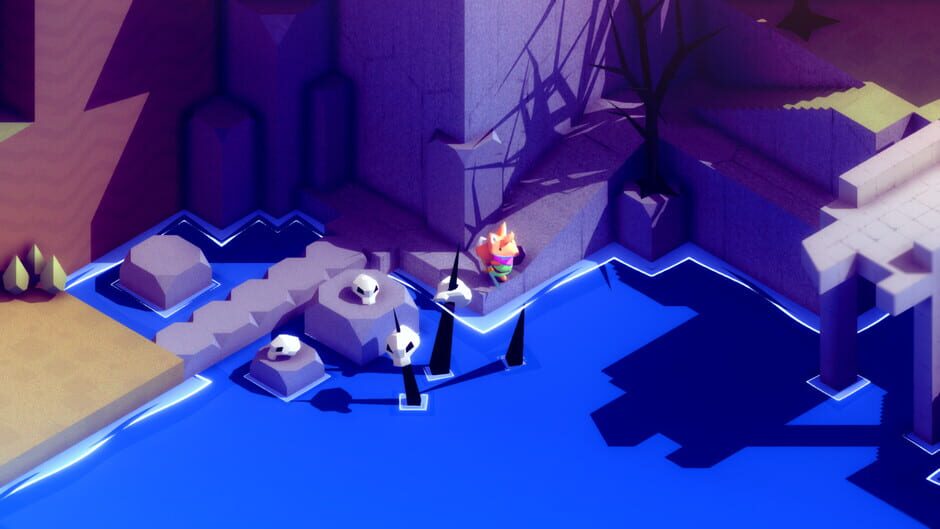
Tunic takes the form of an isometric action-adventure game in which a small fox explores a ruined world made up of forests, ancient structures, underground areas and interconnected regions.
Exploration plays a central role. The world contains numerous hidden passages, side paths, shortcuts and secrets, some of which may be present from the very beginning without their purpose being immediately apparent.
Progression therefore does not rely solely on acquiring new abilities. Gradually understanding the geography of the world, the symbols encountered and the way certain mechanisms work also makes it possible to access elements that may previously have gone unnoticed.
One of the game’s defining features is its instruction manual that must be reconstructed. Pages are scattered throughout the world and gradually complete a booklet designed in the style of the manuals that once accompanied video games.
These pages contain maps, controls, explanations of mechanics, clues, techniques and illustrations. Much of the text, however, uses the game’s fictional script, requiring the player to interpret diagrams, recognizable words and the way information is arranged.
The manual therefore becomes directly integrated into exploration. Finding a new page can reveal the existence of a path, explain a command that was already available, clarify how an item works or draw attention to something that had previously been poorly understood.
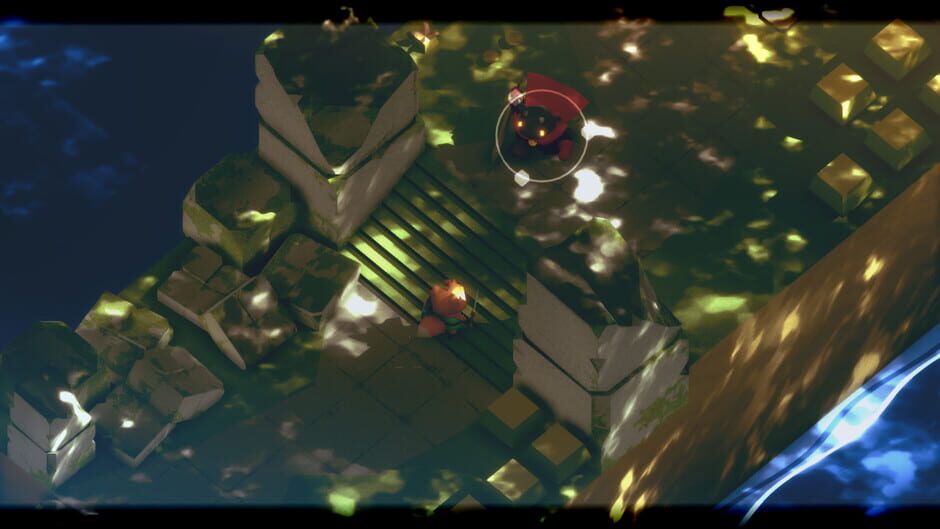
Combat relies on several complementary actions. The fox can strike, dodge, block and parry, while the different enemies require players to observe their attacks and movements.
Dodging consumes stamina and provides a brief moment of protection when triggered at the right instant. The shield also uses this resource when absorbing attacks, making it necessary to monitor its level during combat.
Running out of stamina makes the character more vulnerable. Managing this gauge therefore affects both defense and mobility, particularly against opponents capable of chaining several attacks together.
Equipment is not limited to the main weapon and shield. Exploration allows players to discover different items, tools and magical resources that offer other ways to interact with enemies or with certain situations in the world.
Items can also be used to gradually improve the character’s attributes. How these upgrades work and the conditions required to perform them are among the pieces of information that can be discovered through the manual.
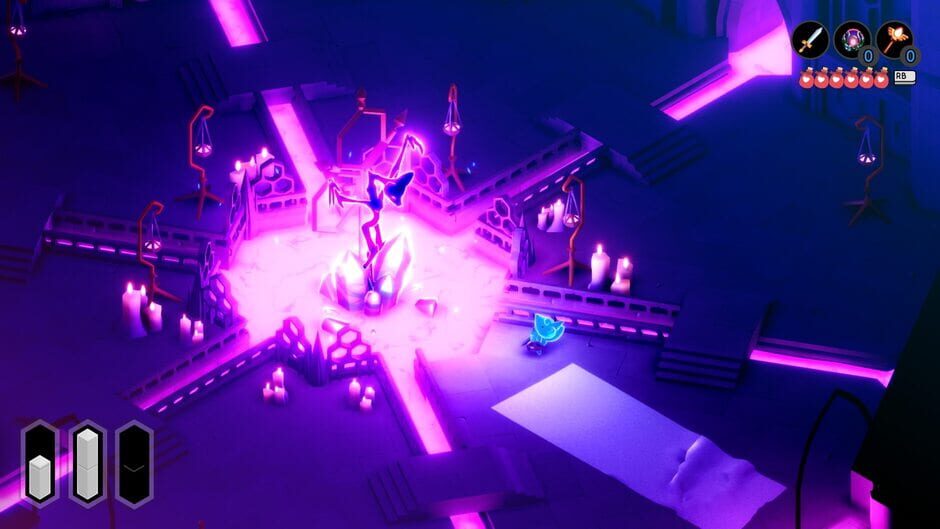
Encounters with bosses extend the general principles of combat by requiring players to recognize attack sequences, manage stamina and choose between attacking, defending and repositioning.
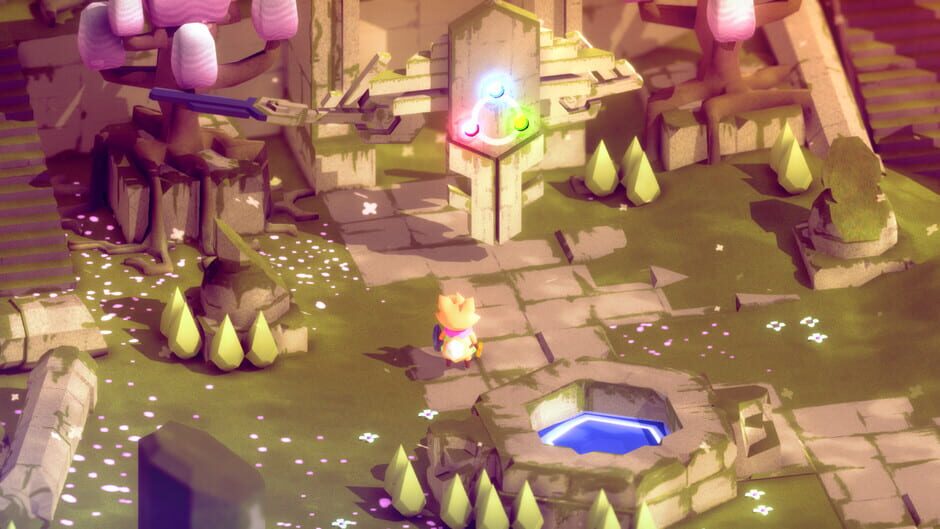
Tunic also gives considerable importance to puzzles and secrets. Some rely on direct observation of the environment, while others require combining several pieces of information found in the world or in the manual.
This structure allows the game to change the player’s perception of the same environment without necessarily modifying it. An area already visited may contain information or a possibility that only becomes understandable after discovering a new clue.
The game’s interface also contributes to this process of discovery. Health, stamina and magic points are clearly represented, but some systems, commands and rules must be gradually understood through experimentation and the pages that have been recovered.
Tunic therefore structures its progression around two parallel forms of development: that of the character, who obtains items and strengthens abilities, and that of the player, who gradually learns how to read the world and understand rules that were often present from the beginning.
Key takeaways
- Tunic is an isometric action-adventure game centered on exploring an interconnected world filled with hidden passages and secrets.
- An instruction manual scattered page by page is one of the main systems for progression and learning.
- The manual pages notably reveal maps, controls, techniques, clues and explanations of mechanics.
- Combat allows the player to strike, dodge, block and parry, with stamina management playing an important role.
- The world contains various items, tools, upgrades and magical resources to discover.
- Some puzzles rely less on obtaining a new power than on understanding information already present in the environment or the manual.
- Exploration, combat and puzzle-solving are therefore directly tied to the gradual discovery of the game’s rules.
Conclusion
Tunic structures its adventure around an interconnected world in which exploration is not limited to finding new places or new items, but also involves gradually understanding how the environment works.
The instruction manual plays a central role in this structure. Its pages provide maps, guidance and techniques while deliberately leaving some of their information difficult to interpret.
Combat complements this approach with a system built around attacking, dodging, blocking, parrying and managing stamina, while discovered items gradually expand the character’s possibilities.
Tunic therefore combines action, exploration and puzzle-solving in a progression where the knowledge acquired by the player becomes just as important as the upgrades obtained by the small fox.
Good to know
- Tunic was released on March 16, 2022.
- The game was developed by Andrew Shouldice and published by Finji.
- The platforms listed in this entry are PlayStation 5, PlayStation 4, Xbox Series, Xbox One, Nintendo Switch, PC, Mac and Nintendo Switch 2.
- The associated genres are action, adventure, fantasy, RPG, puzzle and indie.
- The specified game mode is Single player.
- The engine listed in this entry is Unity.
- One of the central systems is the gradual reconstruction of the instruction manual from pages scattered throughout the world.
- Combat notably combines attacking, dodging, blocking, parrying and stamina management.