Overview
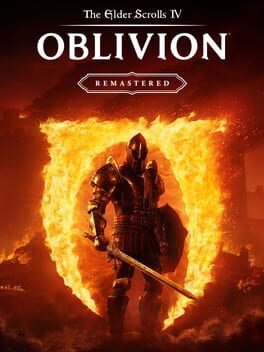
The Elder Scrolls IV: Oblivion Remastered retains the structure of the 2006 RPG while rebuilding much of its presentation for modern hardware. Cyrodiil, its cities, landscapes, characters and the planes of Oblivion keep their fundamental organization, but benefit from a visual overhaul accompanied by changes to combat, movement, progression and the interface.
The game was released on April 22, 2025. The listed platforms are PlayStation 5, Xbox Series, PC and Nintendo Switch 2. The associated genres are action, adventure, fantasy, RPG, open world and sandbox. The specified game mode is Single player, and the listed engine is Unreal Engine 5.
The remastering uses a particular approach: the logic of the original game continues to run the world and its systems, while Unreal Engine 5 handles the visual reconstruction. This architecture preserves Oblivion’s general functioning while substantially renewing what appears on screen.
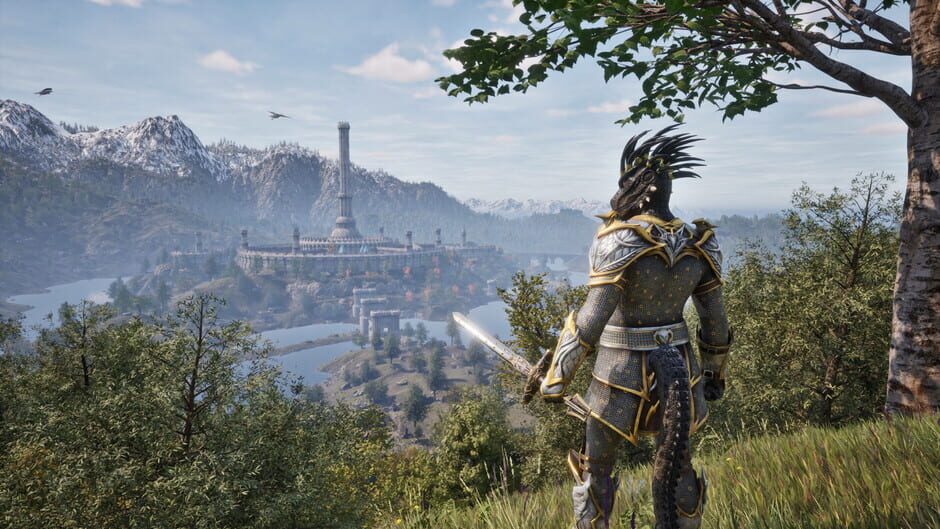
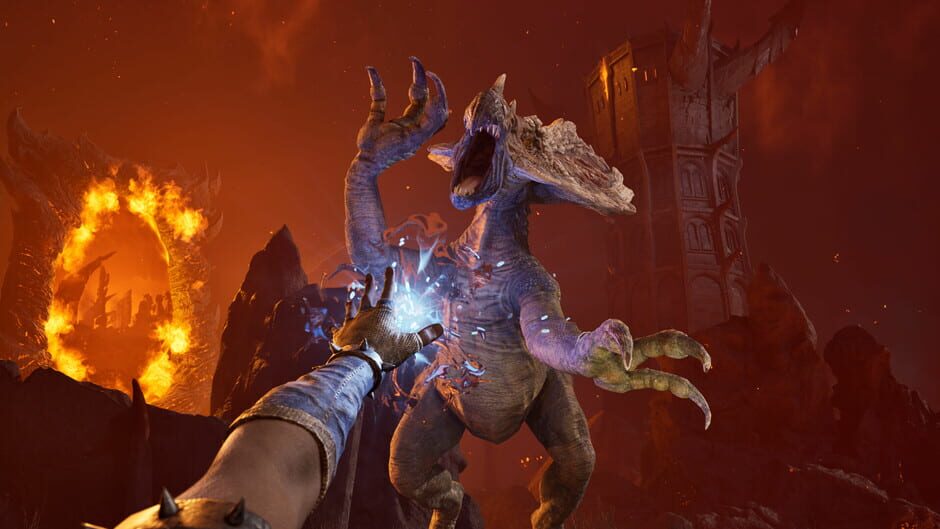
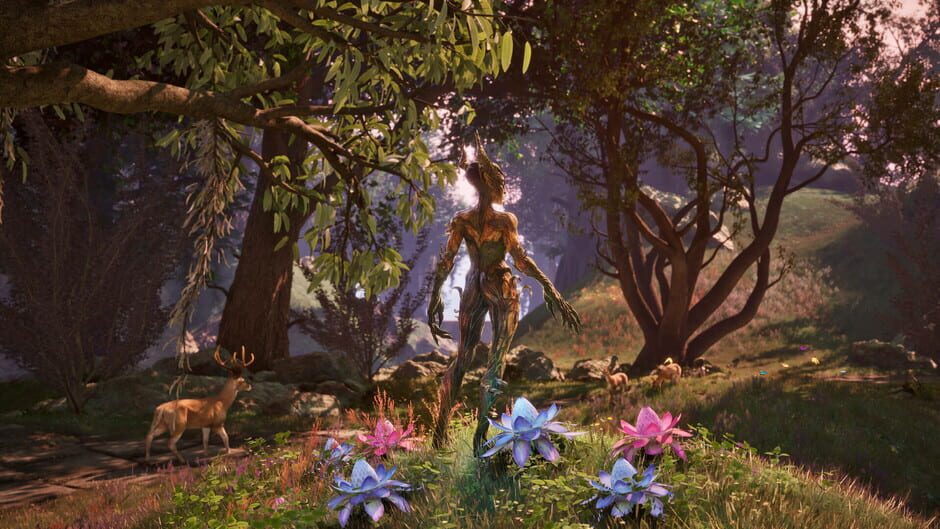
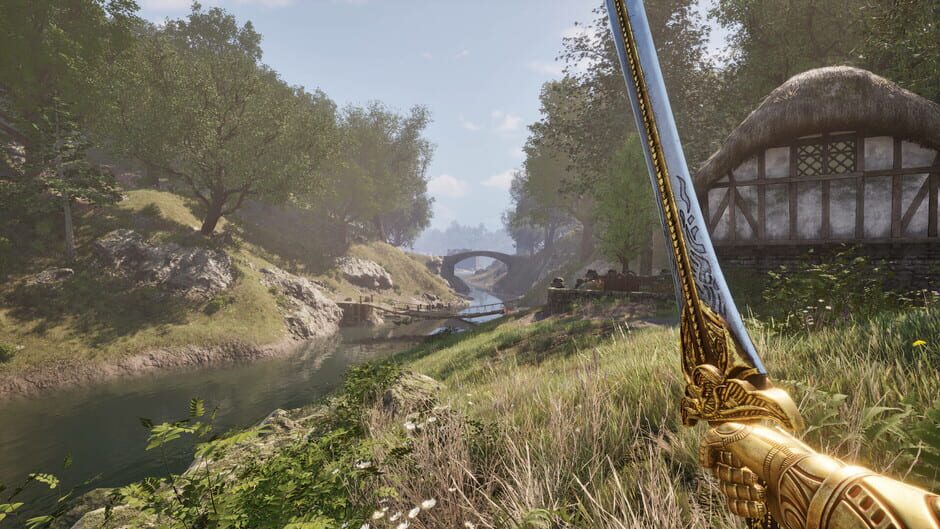
The environments have been rebuilt with new models and materials. Landscapes, architecture, weapons, everyday objects and numerous environmental elements receive a new presentation, while a real-time dynamic lighting system changes the way light interacts with the spaces of Cyrodiil.
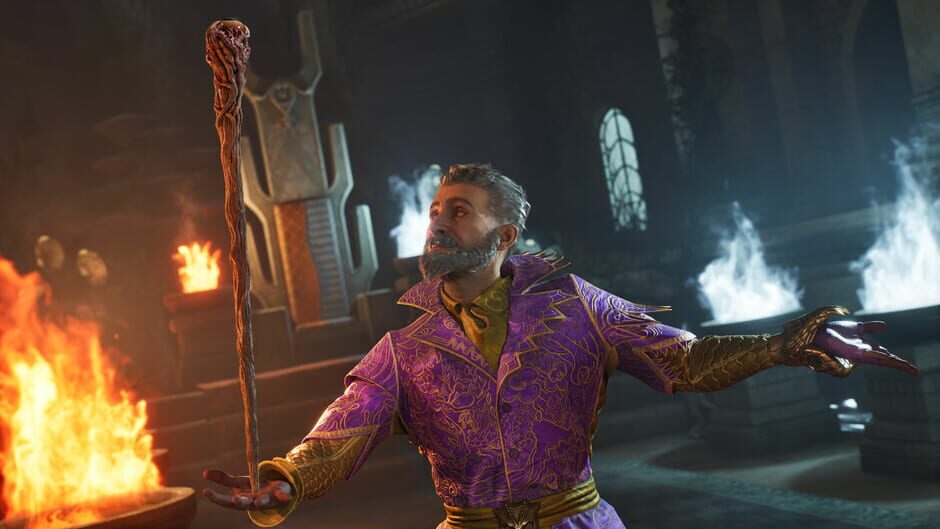
Characters also benefit from new base models. Lip-sync technology has been reworked to make faces more expressive during dialogue, including races whose features differ more significantly from those of humans.
This modernization also affects movement. Locomotion animations have been rebuilt and sprinting is now part of the available movement options, bringing character control closer to standards developed by more recent RPGs.
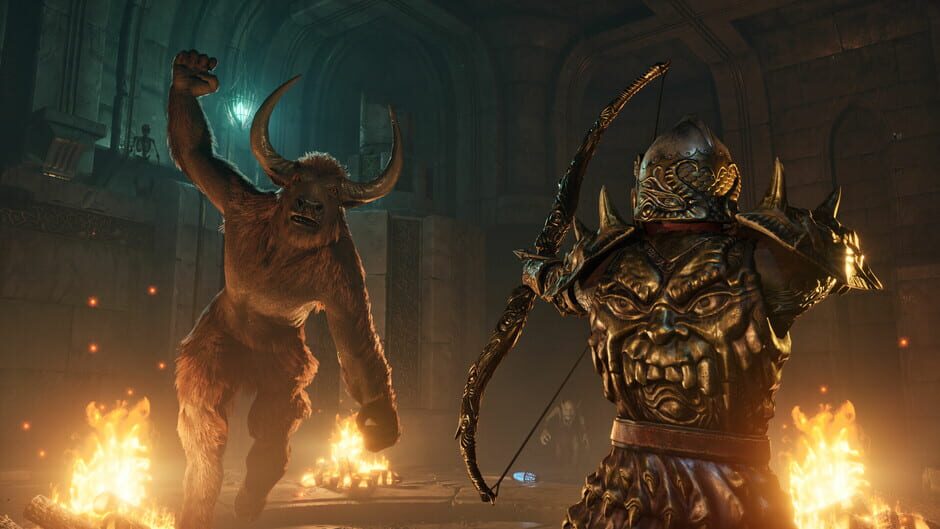
Combat retains the principles of the original game, with melee weapons, ranged attacks and magic, but its presentation has been reworked. Combat animations have been recreated, with a clearer separation between upper- and lower-body movement, while hit reactions, visual effects and sound effects improve the readability of attacks.
The third-person view is also among the systems to receive substantial modernization. It now has reworked behavior and a crosshair, making exploration and combat more directly usable from this perspective.
Progression receives a more structural change with a redesigned leveling system. It draws inspiration from both Oblivion and Skyrim in order to retain progression tied to character development while reducing some of the constraints of the original system.
The interface and user experience have also been revised. Menus, displayed information and various visual elements have been adapted to the standards and resolutions of modern platforms without changing the overall structure of the adventure.
The audio work goes beyond combat effects. New dialogue has been recorded, and the different races now have distinct voices where some previously shared the same performances.
Freedom in character building remains at the center of the experience. Warriors, assassins, mages or characters combining several disciplines can explore Cyrodiil through different approaches, while the open-world structure allows players to regularly leave the main quest behind to follow side stories, join organizations or discover dungeons and isolated locations.
The remaster also brings together the content released around the original game. Shivering Isles and Knights of the Nine are included, along with the additional content Fighter’s Stronghold, Spell Tomes, Vile Lair, Mehrune’s Razor, The Thieves Den, Wizard’s Tower, The Orrery and Horse Armor Pack.
On Nintendo Switch 2, this version retains the complete adventure and adds features specific to the console, including touchscreen support, HD Rumble, gyro aiming and different control modes using the Joy-Con 2.
Oblivion Remastered therefore sits between preservation and reconstruction. The quests, world and systems that define the 2006 experience remain at the heart of the game, while the visual layer, movement, combat, progression and several quality-of-life features are reworked for this new version.
Key takeaways
- Oblivion Remastered retains the structure and fundamental logic of the 2006 game while rebuilding its presentation.
- The visual rendering uses Unreal Engine 5, with recreated environments, objects and characters.
- Lighting, atmospheric effects, character models and lip-sync technology have been reworked.
- The character can now sprint, and movement animations have been rebuilt.
- Combat benefits from new animations, hit reactions and visual and sound effects.
- The third-person view has been modernized and now includes a crosshair.
- The leveling system has been redesigned with inspiration from both Oblivion and Skyrim.
- Shivering Isles, Knights of the Nine and the original game’s additional downloadable content are included.
Conclusion
Oblivion Remastered does not replace the foundations of the original RPG with a new structure. The functioning of the world, the exploration of Cyrodiil and the gameplay systems remain rooted in Oblivion, while a new technical layer rebuilds their presentation.
The changes nevertheless go beyond graphical improvement alone. Sprinting, locomotion, combat animations, the third-person view, leveling, interface and dialogue have also been reworked to change how the 2006 experience controls and presents itself.
The integration of Shivering Isles, Knights of the Nine and the other additional content finally brings together the main body of content released for Oblivion within this remastered version.
Good to know
- The Elder Scrolls IV: Oblivion Remastered was released on April 22, 2025.
- The listed platforms are PlayStation 5, Xbox Series, PC and Nintendo Switch 2.
- The associated genres are action, adventure, fantasy, RPG, open world and sandbox.
- The specified game mode is Single player.
- The listed engine is Unreal Engine 5.
- The remaster notably reworks graphics, movement, combat, progression and the interface.
- Shivering Isles and Knights of the Nine are included along with the original game’s other additional content.
- The Nintendo Switch 2 version notably uses touchscreen controls, HD Rumble and gyro aiming.