Monkey D. Luffy, a young pirate who accidentally ate the Gum-Gum Fruit, now possesses an elastic body. Determined to find the legendary One Piece treasure, he gradually assembles a crew of companions with diverse personalities and abilities, known as the Straw Hat Pirates. Throughout their journey, Luffy and his friends discover new territories, form friendships and battle numerous enemies who stand in their way.
Video game
2012
Action
Adventure
RPG
Hack and slash
Fighting
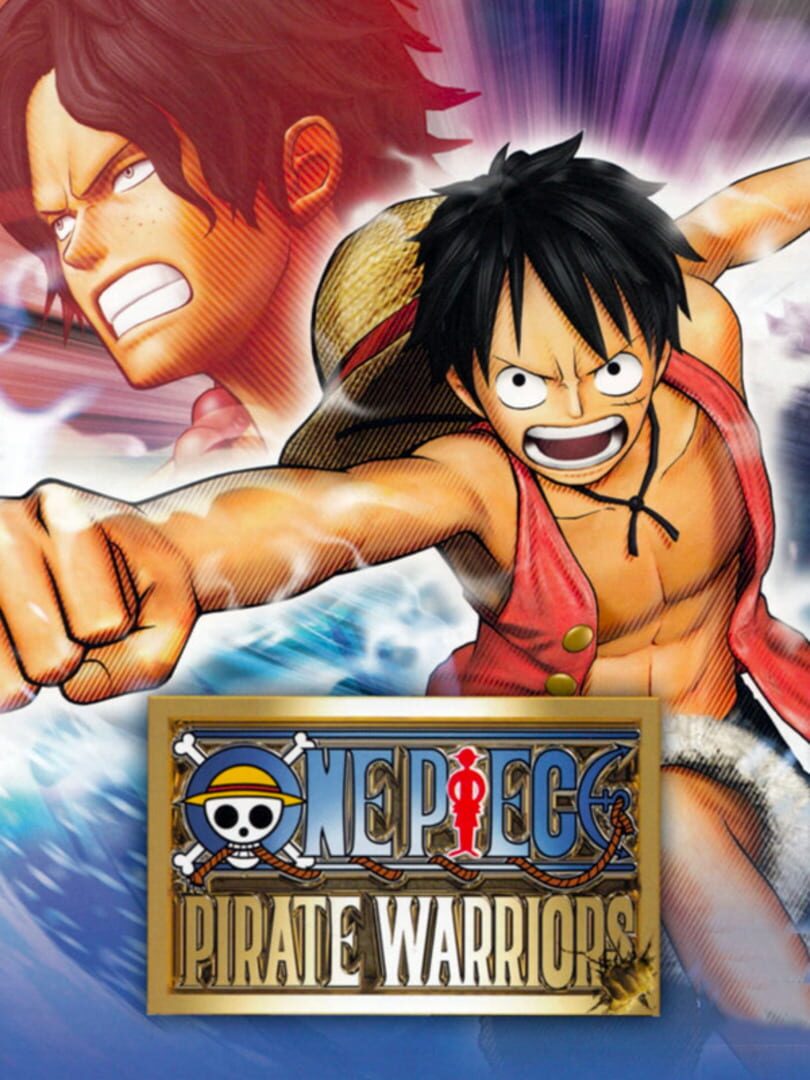
One Piece: Pirate Warriors
- Bandai Namco Entertainment Publisher
- Koei Tecmo Games Publisher
- Omega Force Developer
Join Luffy and the Straw Hat Crew to relive their first great adventures through massive battles.
Details
- Type
- Video game
- Release
- March 1, 2012
- Countries
- 🇯🇵 Japan
- Genres
- Action, Adventure, RPG, Hack and slash, Fighting
- Platforms
- PlayStation 3
- Game modes
- Single player, Co-operative, Split screen
Synopsis
One Piece: Pirate Warriors
Glossary terms: Action-adventure, Split-screen, Subtitles


Trailer
Watch the trailer
Overview
Presentation
One Piece: Pirate Warriors is an action-adventure game developed by Omega Force and published by Bandai Namco Entertainment and Koei Tecmo Games. The first installment in the Pirate Warriors series, also known by its Japanese title One Piece: Kaizoku Musou, it brings the universe of Eiichiro Oda's One Piece manga and anime into a formula inspired by the Dynasty Warriors games. Its gameplay revolves around battles against numerous enemies simultaneously, combined with exploration sequences and narrative elements. However, this first installment differs from its successors by placing considerable emphasis on acrobatic movement and adventure challenges.
The main mode, Main Log, revisits selected major stages of Monkey D. Luffy's journey, from his beginnings in East Blue to the events of Marineford. Players notably experience the adventures of Arlong Park, the Kingdom of Alabasta, Enies Lobby and the Sabaody Archipelago. Events are presented through dialogue, cinematics and missions inspired by the manga and anime. The narrative focuses on the saga's defining episodes rather than adapting every story arc in full, while following the formation of the Straw Hat Crew and their confrontations with powerful enemies.
Combat builds on the foundations of musou-style hack-and-slash gameplay, featuring large areas occupied by groups of enemies. Players use quick and powerful attacks to perform combos, launch opponents into the air and defeat multiple fighters at once. Each character has techniques inspired by their abilities in the original work, particularly Luffy's elastic attacks and the distinctive fighting styles of his companions. Missions may require players to defeat commanders, protect allies or advance toward a strategic location. Special attacks also allow characters to unleash particularly powerful moves against groups of enemies.
One of the defining features of this first installment is its action-adventure sequences in Main Log. Luffy uses the elastic properties of his body to overcome obstacles, grapple onto environmental objects and reach distant platforms. His arms can notably propel him across gaps or help him navigate otherwise inaccessible environments. Certain sequences feature mechanisms to activate, areas to explore and quick-time events requiring players to perform an action at the indicated moment. Encounters with the saga's major antagonists also alternate between traditional battles and interactive cinematic sequences.
Cooperation with companions plays a direct role in combat. Under certain conditions, players can call upon an ally present on the battlefield to perform a coordinated attack and extend a combo. Progression also relies on a leveling and collectible coin system, featuring different characters and elements from the One Piece universe. By equipping multiple coins, players can improve their attributes, including health, attack and defense. Certain combinations unlock additional skills, providing further ways to develop each fighter's abilities.
Alongside the main storyline, Another Log allows players to participate in battles as different characters from the saga. This mode places greater emphasis on large-scale combat and features character-specific missions, as well as original situations that do not necessarily follow the manga's events. It also supports two-player cooperative gameplay, either locally through split-screen or online. A Challenge Mode complements these features with battles against powerful opponents. With its 13 playable characters, Pirate Warriors combines a narrative adaptation of Luffy's early adventures with large-scale battles and progression based on the pirates' abilities.
Key points
- The first installment in the Pirate Warriors series, combining the One Piece universe with musou-style mass battles.
- A Main Log revisiting Luffy's major adventures, from his beginnings in East Blue to the events of Marineford.
- Battles against groups of enemies, featuring combos, special attacks and encounters with commanders.
- Action-adventure sequences that use Luffy's elastic powers to overcome obstacles.
- Cinematic boss battles, combining direct confrontations with quick-time events.
- A leveling and coin-based progression system, with special combinations unlocking additional skills.
- 13 playable characters, including members of the Straw Hat Crew and several iconic figures.
- An Another Log mode, accompanied by challenges and two-player cooperative gameplay, locally or online.
Conclusion
One Piece: Pirate Warriors introduces the formula that would give rise to the Pirate Warriors series by combining Luffy's adventures with Omega Force's characteristic mass battles. Main Log adapts several major events from the manga, alternating between battles against numerous enemies, action-adventure sequences and boss encounters inspired by the saga's confrontations.
Luffy's elastic movement, companion interventions and coin-based progression system add complementary mechanics to this formula. Another Log and cooperative gameplay also allow players to experience battles from the perspectives of other characters. This first installment therefore establishes the foundations of a series combining the One Piece universe, musou combat and the pirates' signature techniques, with a particularly strong adventure component in its campaign.
Good to know
One Piece: Pirate Warriors was released on March 1, 2012, in Japan, exclusively for PlayStation 3. It was developed by Omega Force, a Koei Tecmo studio known for the Dynasty Warriors series. The game was published by Bandai Namco Entertainment and Koei Tecmo Games. Its European release began on September 21, 2012, followed by North America on September 25.
The project coincided with the fifteenth anniversary of the One Piece manga, which began publication in 1997. It marked the first collaboration between the universe created by Eiichiro Oda and Omega Force's musou formula. Unlike subsequent installments, which primarily expand large-scale combat, this first entry closely combines battles with platforming and action-adventure sequences.
Main Log consists of 16 chapters dedicated to several major episodes of Luffy's story. Certain arcs, including Skypiea and Thriller Bark, are not among the major events directly adapted in this campaign. Players primarily control Luffy, while Another Log allows them to play as other characters in missions focused on their adventures.
The roster features 13 playable fighters: Monkey D. Luffy, Roronoa Zoro, Nami, Usopp, Sanji, Tony-Tony Chopper, Nico Robin, Franky, Brook, Portgas D. Ace, Boa Hancock, Jinbe and Whitebeard. Several iconic enemies, including Arlong, Crocodile and Rob Lucci, also appear during missions and boss battles without being directly playable.
The coin system allows players to equip different emblems and portraits earned during missions. Three slots are available, providing bonuses based on character attributes and selected combinations. Certain combinations of characters or elements from the One Piece universe unlock special skills, complementing level-based progression.
Another Log allows players to gradually unlock fighters and replay battles in a format more closely aligned with traditional musou gameplay. Two-player cooperation is available in this mode, either through split-screen or via the PlayStation Network. Main Log remains primarily a single-player campaign, featuring its own exploration sections and narrative sequences.
Several downloadable content packs were released after launch. These notably included alternative costumes for Luffy, Zoro, Nami, Sanji, Robin, Chopper, Hancock and Ace, alongside additional scenarios. A Treasure Edition, released in Europe in 2013, brings together the main game and previously published additional content, including ten scenarios and ten costumes.
The game retains the Japanese voice acting from the anime, with localized text and subtitles, notably in English and French for Western editions. Main Log missions can be played offline, while network cooperative features depend on the services available for PlayStation 3.
Link graph
Open in the full graphLoading the graph…
Only the strongest links are shown.