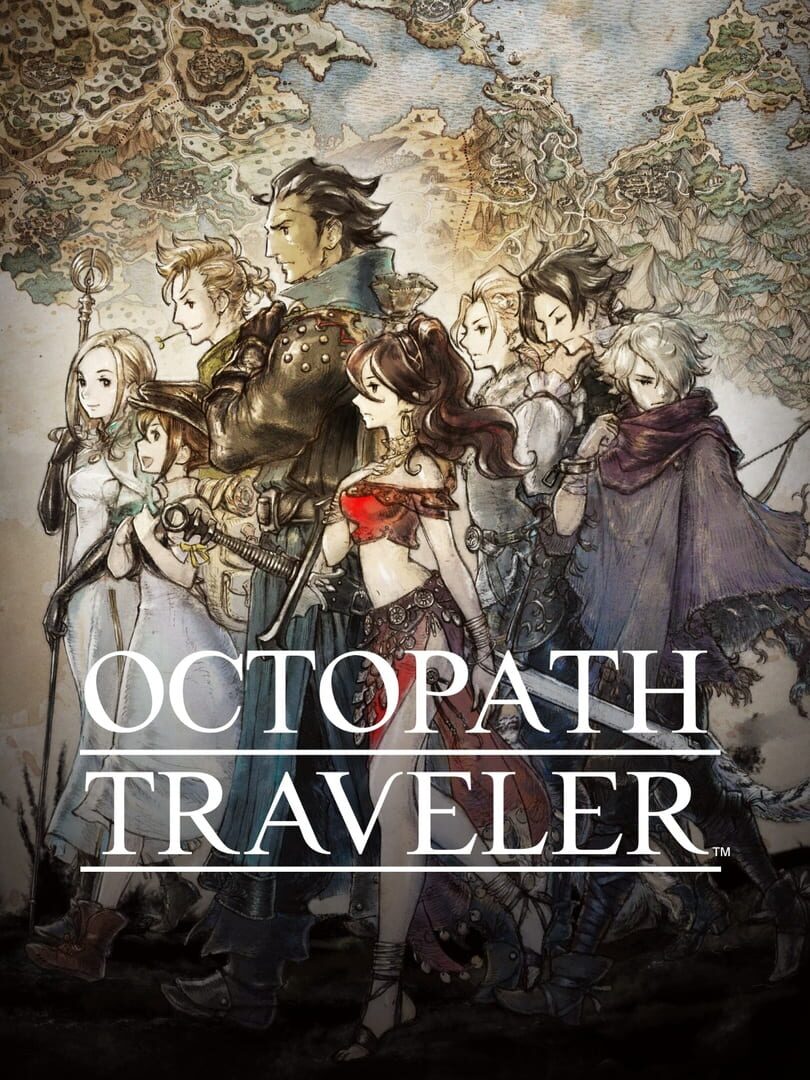
Eight travelers, eight different backgrounds and countless paths to explore. Each has a personal story, ambitions and reasons for embarking on a journey. Players freely choose their first protagonist, the companions they wish to gather and the destinations they want to explore. The order of their adventures and encounters is entirely up to them. Every character also possesses a distinctive Path Action used to interact with other people. The warrior can challenge someone to a duel, while the dancer can allure characters into following her, even onto the battlefield.
Video game
2018
Adventure
Fantasy
RPG
Octopath Traveler
- ACQUIRE Corp. Developer
- Nintendo Publisher
- Square Enix Publisher
- Square Enix Business Division 11 Developer
- Square Enix Business Division 6 Developer
- Square Enix Business Division 9 Developer
- Team Asano Developer
Eight travelers, eight destinies and a world waiting to be explored.
Details
- Type
- Video game
- Release
- July 13, 2018
- Countries
- 🇯🇵 Japan
- Genres
- Adventure, Fantasy, RPG
- Platforms
- PlayStation 5, PlayStation 4, Xbox One, Nintendo Switch, PC, Nintendo Switch 2
- Engine
- Unreal Engine 4
- Game modes
- Single player
Synopsis
Octopath Traveler

Trailer
Watch the trailer
Overview
Presentation
Developed by ACQUIRE and teams at Square Enix, including Team Asano, and published by Nintendo and Square Enix, Octopath Traveler is a Japanese role-playing game released on July 13, 2018. The adventure takes place in the fantasy world of Orsterra, divided into eight major regions with distinctive landscapes and cultures. Players choose one of eight protagonists: Ophilia the cleric, Cyrus the scholar, Tressa the merchant, Olberic the warrior, Primrose the dancer, Alfyn the apothecary, Therion the thief and H'aanit the hunter. Each character has a personal storyline divided into chapters. The other travelers can be recruited during exploration to form a party of four fighters, without a single prescribed order for experiencing their adventures.
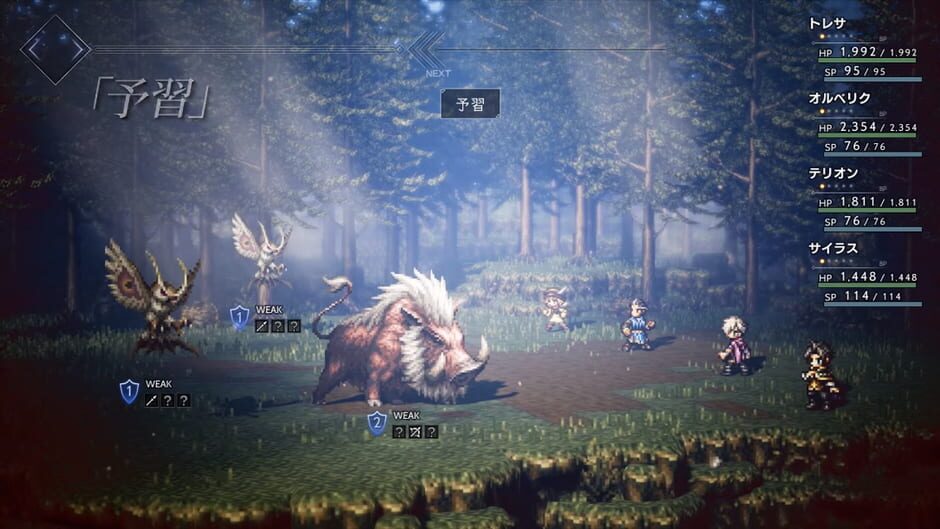
Turn-based combat revolves around two complementary mechanics: Break and Boost. Every enemy has weaknesses to particular weapons or elemental attacks, alongside a number of shield points. Exploiting these vulnerabilities gradually reduces their defenses until triggering a Break, temporarily preventing them from acting and increasing the damage they receive. Characters also accumulate Boost Points (BP), which can be spent to perform additional strikes or strengthen skills, spells and healing abilities. The challenge lies in deciding when to save these resources and when to unleash them, especially during boss encounters.
Character progression is built around eight primary jobs, each with its own weapons, abilities and support skills. Shrines hidden throughout Orsterra allow players to unlock secondary jobs that can be combined with their original specializations. A warrior can therefore learn a scholar's magical abilities, while a cleric can develop the talents of an apothecary. Outside combat, every hero possesses a distinctive Path Action for interacting with townspeople: buying or stealing items, gathering information, challenging others to duels or recruiting temporary companions. These interactions also play a role in side quests.
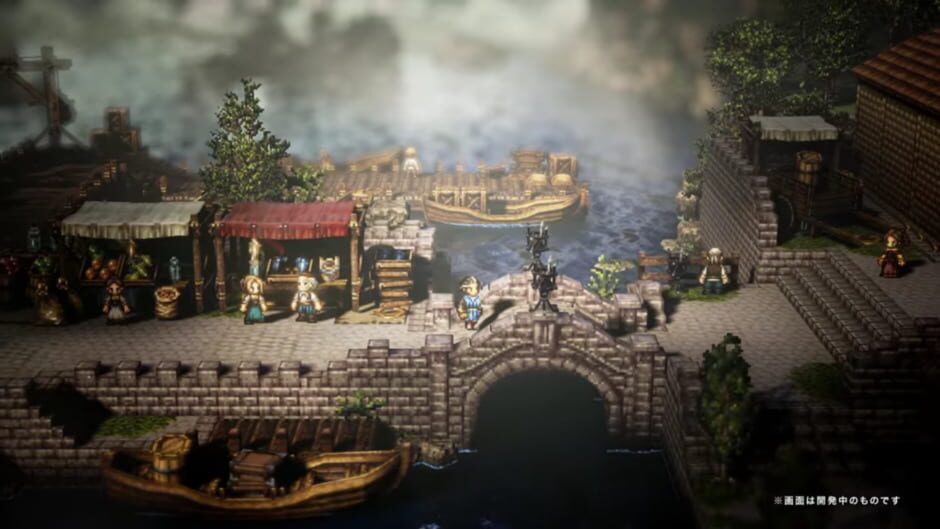
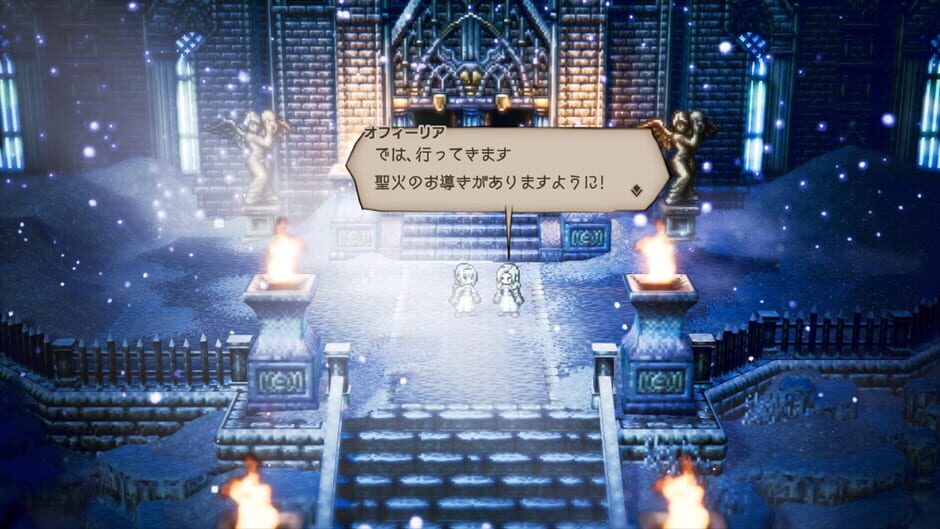
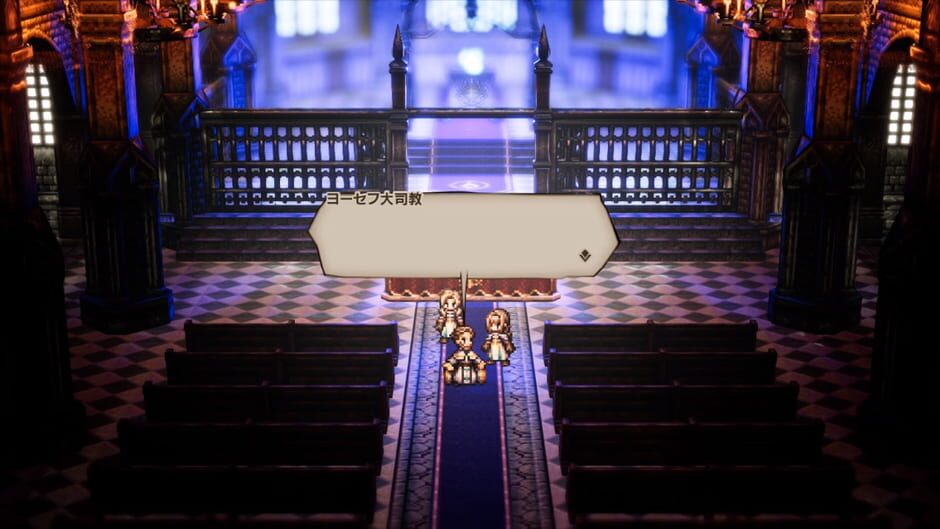
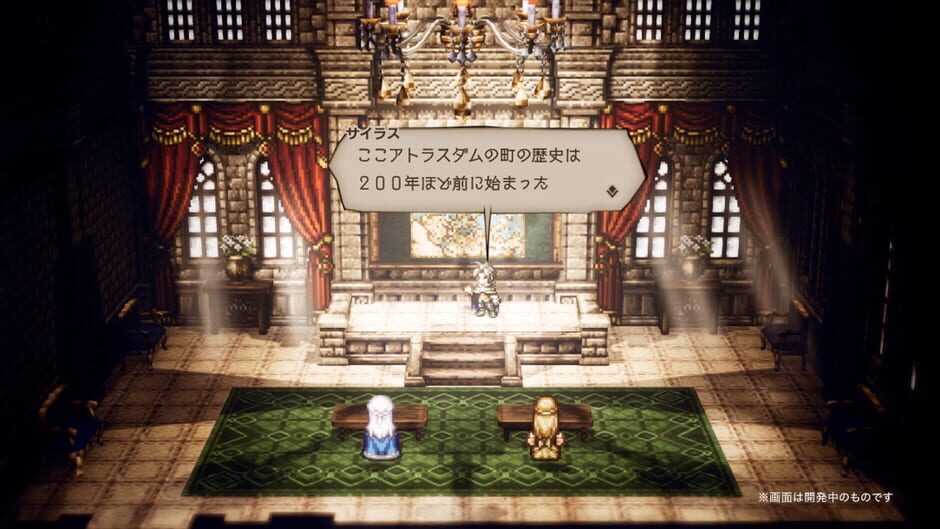
Exploration takes the party through towns, forests, mountains, deserts and dungeons, featuring treasure, random encounters and numerous optional objectives. The game's visual identity relies on HD-2D, a technique combining pixel-art characters, three-dimensional environments, dynamic lighting and depth effects. This aesthetic reinterprets the graphical traditions of 1990s role-playing games through modern presentation techniques. The orchestral soundtrack composed by Yasunori Nishiki accompanies the different regions, individual stories and battles.
Key Features
- Eight individual stories: every protagonist follows personal objectives and chapters that can be explored in the player's chosen order.
- Break & Boost combat: exploiting enemy weaknesses and managing Boost Points forms the foundation of battle strategy.
- Combined jobs: primary and secondary specializations allow players to create parties with complementary abilities.
- Character-specific interactions: Path Actions provide different ways to engage with townspeople and complete quests.
- An HD-2D visual identity: pixel art blends with three-dimensional environments and atmospheric lighting.
Conclusion
Octopath Traveler builds upon traditional Japanese RPG mechanics while introducing a narrative structure centered on eight individual journeys. Its battle system combines planning and resource management, while jobs and Path Actions expand party customization and exploration across Orsterra. Its HD-2D presentation also forms a defining part of the game's identity.
Did You Know?
- The title OCTOPATH uses the initials of the eight protagonists: Ophilia, Cyrus, Tressa, Olberic, Primrose, Alfyn, Therion and H'aanit.
- During development, the game was originally presented under the working title Project Octopath Traveler.
- Path Actions are divided into Noble and Rogue approaches. Rogue actions may fail and damage the party's reputation within a town.
- Yasunori Nishiki's original soundtrack contains 85 tracks, collected across four discs in its original release.
- Initially released for Nintendo Switch, the game later reached PC and additional consoles, including PlayStation 4 and PlayStation 5 in June 2024.
Link graph
Open in the full graphLoading the graph…
Only the strongest links are shown.