Tokugawa Takechiyo is destined to become the next shogun when a conspiracy led by his younger brother, Tokugawa Kunimatsu, brutally overturns his future. Backed by an evil force, Kunimatsu gathers an army of yokai and plunges Japan into chaos. Guided by the Guardian Spirit Kusanagi, Takechiyo embarks on a journey that transcends the boundaries of time. From the Edo period to the Sengoku, Heian and Bakumatsu eras, his path takes him across different periods of Japanese history in order to fight the Crucible, confront the forces threatening the country and attempt to change the destiny imposed upon him.
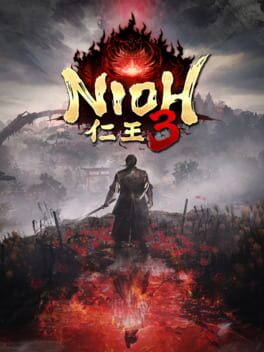
Video game
2026
Action
Adventure
RPG
Hack and slash
Nioh 3
- Koei Tecmo Games Publisher
- Team NINJA Developer
Two combat styles, four eras and a Japan consumed by yokai: Takechiyo travels through time to seize his destiny.
Details
- Type
- Video game
- Release
- 2026-02-06
- Genres
- Action, Adventure, RPG, Hack and slash
- Platforms
- PlayStation 5, PC
- Engine
- Katana Engine
- Game modes
- Single player, Multiplayer, Co-operative
Synopsis
Nioh 3
Trailer
Watch the trailer
Overview
Presentation
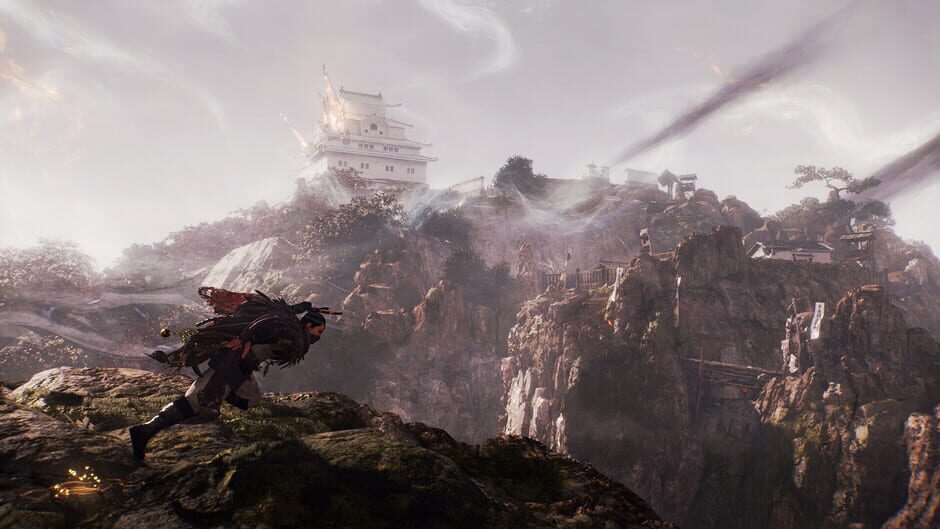
Nioh 3 continues Team NINJA's demanding action-RPG formula while significantly changing the exploration structure of the series. The player takes control of Tokugawa Takechiyo, an heir destined for the shogunate, in an adventure spanning several periods of Japanese history as the country is gradually overrun by yokai and the calamity known as the Crucible.
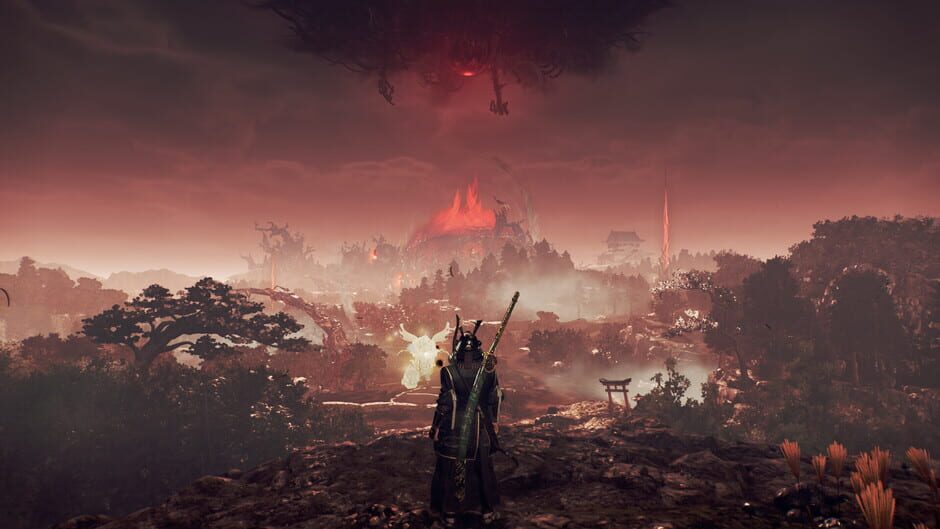
Unlike the more self-contained missions of previous entries, the adventure is organized around large open fields. These regions provide greater freedom to choose a route, explore villages, search for equipment, complete side missions or discover dangerous areas before pursuing the main objective. Exploration still retains Nioh's characteristic tension, however: straying from the main route can lead directly to particularly powerful enemies or corrupted areas.
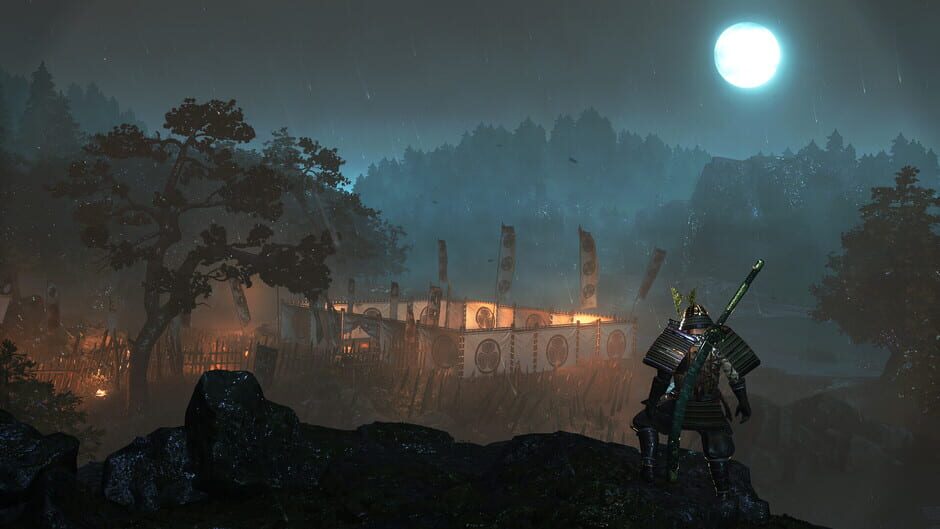
The journey crosses several distinct periods: Edo, Sengoku, Heian and Bakumatsu. Environments, historical characters, weapons and threats change according to the era being visited. Japan is therefore not presented as a single space frozen in time: Takechiyo travels across several centuries in order to understand and fight the forces connected to the Crucible.
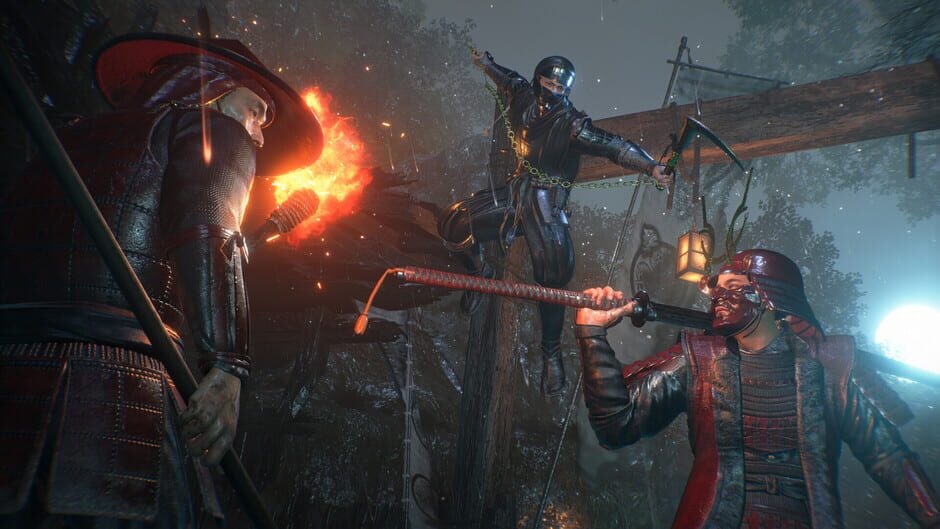
The main evolution of the combat system is built around two complementary styles: Samurai and Ninja. The player can switch instantly between them, including in the middle of a fight, or choose to favor the one that best suits their preferred way of playing.
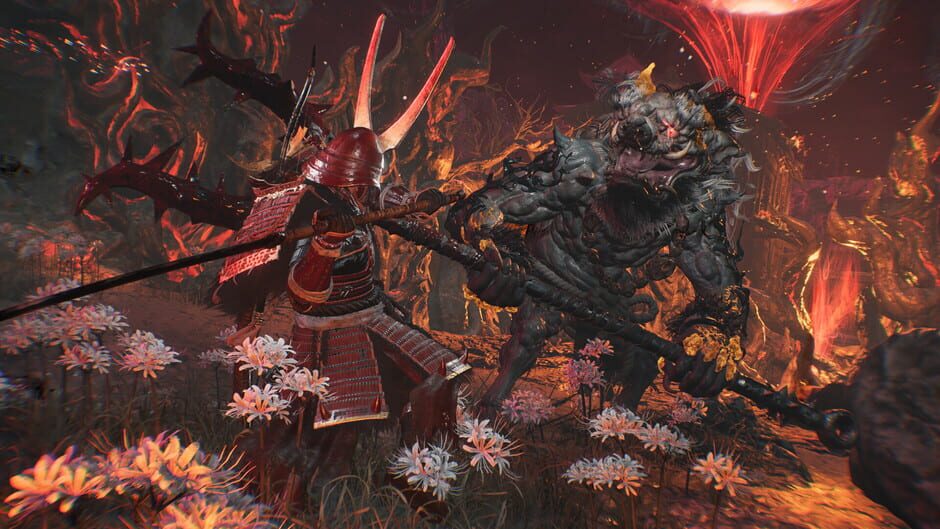
The Samurai style retains the foundations most closely associated with previous Nioh games. It revolves around direct combat, Ki management, stance changes and the Ki Pulse, which restores part of the stamina spent after an attack. The new Arts Proficiency system strengthens certain powerful attacks and martial techniques, while Deflect allows an attack to be blocked with precise timing in order to recover Ki and prepare a counterattack.
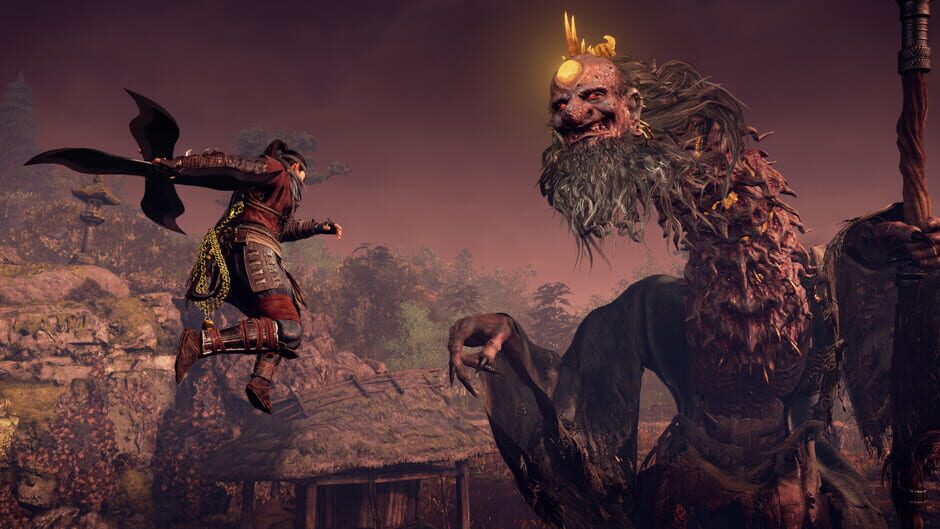
The Ninja style, by contrast, emphasizes mobility. Fast dodges, aerial actions and various ninjutsu techniques make it possible to bypass enemies or attack them from less conventional positions. Certain techniques create a decoy after an attack, improve last-moment evasions or allow the character to leap onto an enemy and move behind them.
The two styles also feature their own weapon families. Swords, spears, axes, odachi and switchglaives notably accompany the Samurai style, while the Ninja can use weapons such as the kusarigama, tonfa, hatchets, splitstaff or claws. This separation strengthens the distinction between the two approaches while still allowing them to be combined during the same encounter.
Guardian Spirits remain at the heart of the supernatural systems. Their powers can be used directly during combat, but they also play a role in exploration: certain abilities can, for example, cross otherwise inaccessible passages or destroy obstacles. The Living Artifact system temporarily transforms the power of a Guardian Spirit into a weapon capable of turning a difficult situation around.
The game also retains the Soul Cores tied to yokai. The Onmyo Box makes it possible to harness these powers to generate different talismans and use certain abilities derived from defeated creatures. Encounters against powerful entities from the Crucible can therefore unlock new magical possibilities as progression continues.
The different regions contain areas directly affected by the Crucible, where corruption transforms the environment and strengthens the threats within it. These zones represent some of the most demanding challenges in exploration and require strong command of both combat and character progression before they can be crossed effectively.
Progression also retains a strong emphasis on customization and equipment collection. The character can be created in detail, with the possibility of defining separate appearances for the Samurai and Ninja styles. Weapons, armor, skills and techniques then allow the player's combat approach to be shaped progressively.
Nioh 3 can be played in single-player, but it also offers several forms of online cooperation. The Summoning mode allows another player to be called in for assistance, while Expeditions let several players explore the open fields together. Up to three players can therefore take part in online combat.
Key points
- A demanding action RPG built around combat against humans and yokai.
- An adventure following Tokugawa Takechiyo in his struggle to change his destiny and become shogun.
- A journey across four periods: Edo, Sengoku, Heian and Bakumatsu.
- Large open fields offering greater exploration freedom than previous entries.
- Two combat styles that can be switched between instantly: Samurai and Ninja.
- The Samurai style retains stances, Ki Pulse and direct combat.
- Deflect and Arts Proficiency expand the Samurai's options.
- The Ninja style emphasizes mobility, dodges, aerial actions and ninjutsu.
- Different weapon families for the two styles.
- Guardian Spirits contribute to both combat and exploration.
- Soul Cores and the Onmyo Box allow the powers of certain yokai to be used.
- Areas corrupted by the Crucible provide major challenges.
- Character creation allows separate appearances for the two styles.
- Playable in single-player or online co-op for up to three players.
Conclusion
Nioh 3 preserves the precision and difficulty that define the series while opening up its structure considerably. The open fields allow players to choose more freely how to reach an objective, explore a region or prepare for an encounter without turning the game into an experience devoid of danger.
The ability to alternate between Samurai and Ninja forms the central change to the combat system. The former deepens Nioh's established mechanics around Ki, stances and martial techniques, while the latter introduces a faster, more aerial and mobile approach. Switching freely between them makes it possible to adapt strategy directly to enemies and situations.
The journey across several eras finally gives this mechanical evolution a broader narrative scale. Edo, Sengoku, Heian and Bakumatsu are not merely different settings: their succession supports a story in which historical figures, yokai and supernatural events intersect around Takechiyo's destiny and the spread of the Crucible.
Good to know
Nioh 3 was developed by Team NINJA and published by KOEI TECMO.
The game was released on February 6, 2026 for PlayStation 5 and PC via Steam.
It is the third main entry in the Nioh series, following Nioh and Nioh 2.
The protagonist is Tokugawa Takechiyo, but their appearance can be customized through a full character creation system. Players can even define a different appearance for the Samurai and Ninja styles.
Online multiplayer supports up to three participants. Features notably include summoning visitors and Expeditions that allow players to explore the open fields together.
The game does not support cross-play between PlayStation 5 and PC.
Nioh 3 received additional content after launch that remains separate from the base game. The first DLC, Hell Rising, was released on August 19, 2026 and notably adds a new historical period, new weapons, techniques, Guardian Spirits and Soul Cores.
This entry focuses on the foundations of the main game released in February 2026 and does not include mechanics or equipment specific to post-launch expansions.