Overview
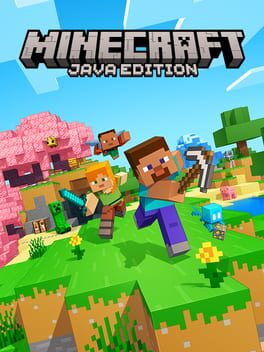
Developed and published by Mojang Studios, Minecraft: Java Edition is a video game released on November 18, 2011. The platforms listed in this entry are PC, Mac and Linux. The associated genres are adventure, fantasy, simulation, survival, open-world and sandbox. The specified game modes are Single player, Multiplayer, Co-operative, Split screen and Massively Multiplayer Online (MMO). The engines listed are Lightweight Java Game Library and Java.
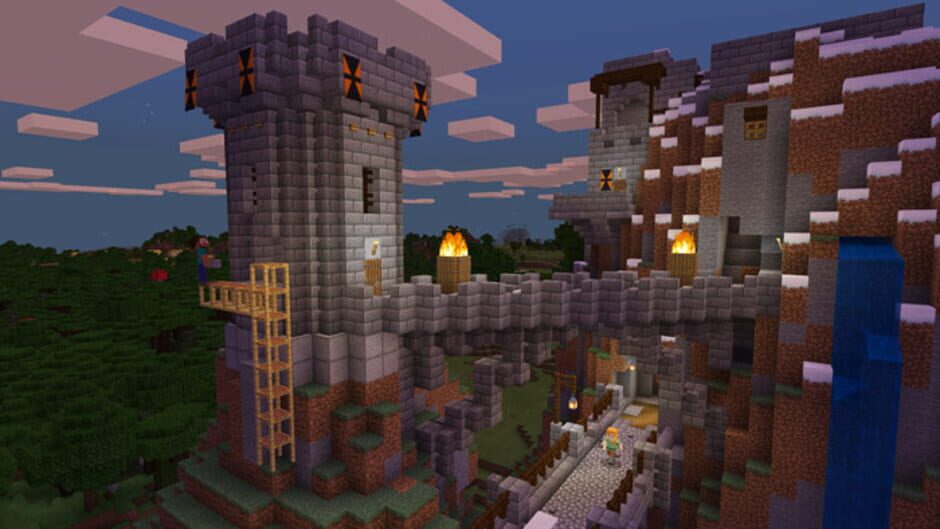
Minecraft is built around a world made almost entirely of blocks that the player can mine, transform, move and use for construction. This shared logic applies equally to exploration, resource gathering, item crafting, base building and the creation of much more complex structures.
Survival mode organizes this freedom around several constraints. The player explores the world, gathers resources, crafts tools and equipment, faces hostile creatures and notably has to manage health and hunger.
Progression in Survival largely depends on the available resources and crafted tools. Certain blocks require suitable equipment to be collected efficiently, while exploration gradually provides access to new materials and expands construction or combat possibilities.
Crafting therefore plays a central role. Gathered resources can be transformed into tools, weapons, armor, blocks, utility items and numerous components that are then used to continue exploring or develop constructions.
By contrast, Creative mode removes many of the constraints of survival. Resources are available without limitation, the character does not take the usual damage and can fly, turning the same block-based system into a space primarily dedicated to building and experimentation.
Java Edition also includes Hardcore mode, a variant of Survival mode in which the difficulty is locked and character death is permanent. This configuration retains the gathering, crafting and exploration systems while removing the ability to normally continue the game after death.
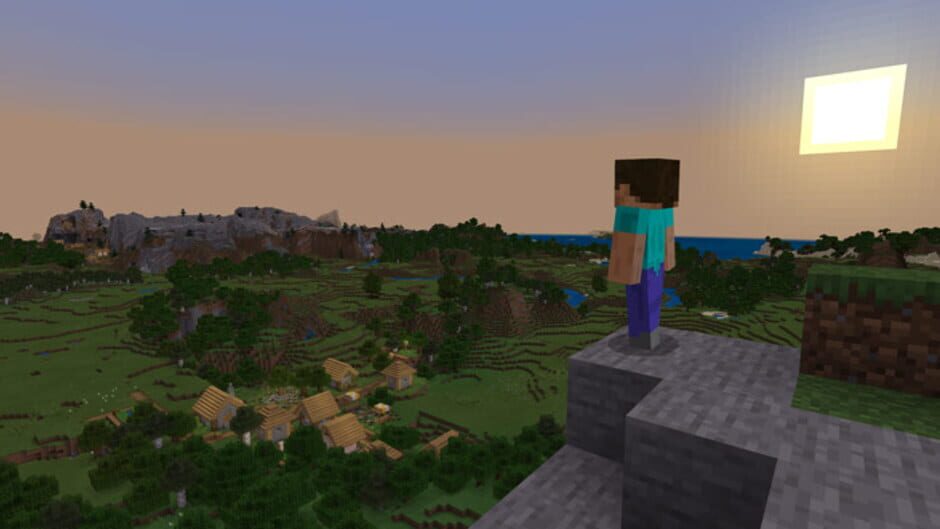
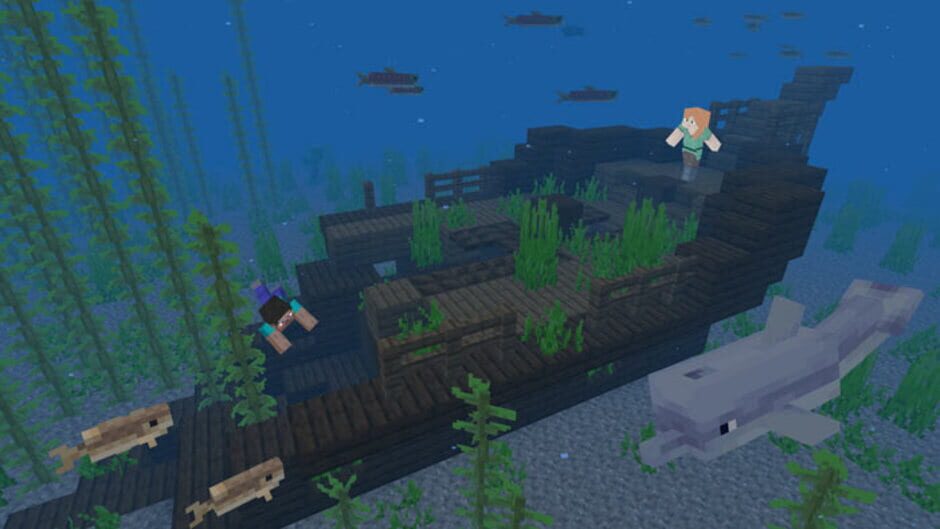
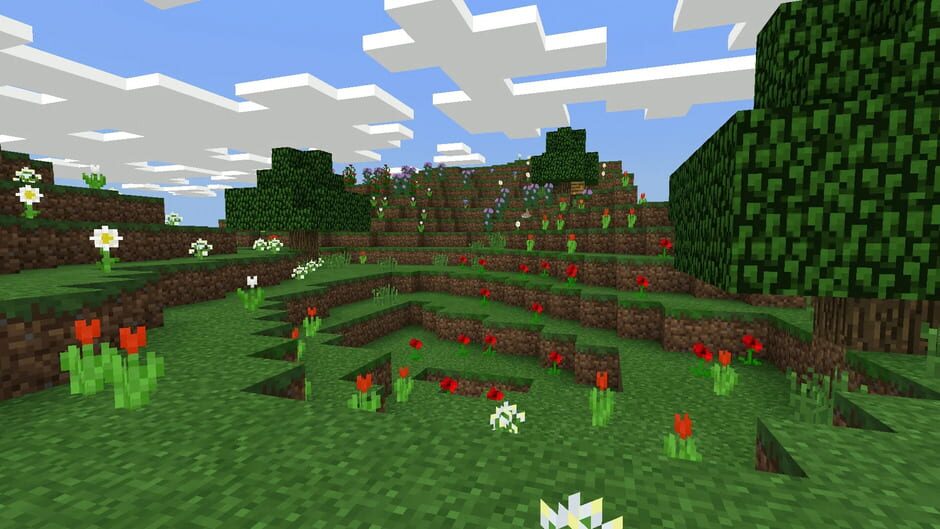
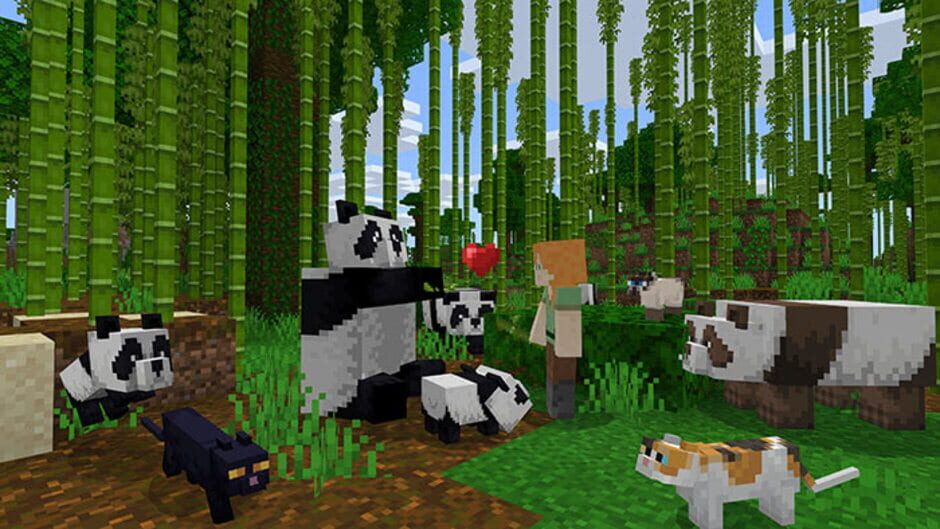
Worlds contain different biomes, terrain formations, structures and underground environments. Exploring them can lead the player to search for particular materials, creatures, villages or various locations generated throughout the world.
Building is not limited to structures. The Redstone system functions as a form of logical circuitry capable of transmitting signals and activating different components such as pistons, doors, lamps, sensors or mechanisms.
By combining Redstone dust, blocks and specialized components, it becomes possible to create circuits, automated systems and machines. These constructions can range from very simple mechanisms to devices involving timing, detection, storage or the automation of certain resources.
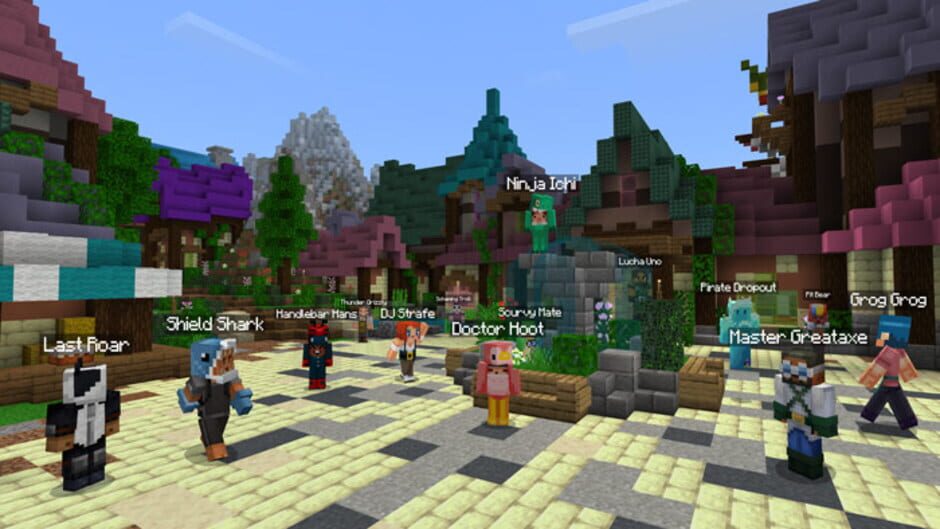
Multiplayer extends these systems into shared worlds. Java Edition notably allows players to join third-party servers, host their own server or open a game over a local network so that several players can explore, build or progress within the same world.
Minecraft Realms for Java Edition also provides permanently hosted private servers. A Realm world can therefore remain available to invited players even when its owner is not connected.
Java Edition also stands out for its possibilities for community customization. Mojang allows the use of mods, and the ecosystem surrounding this edition also includes maps, skins, resource packs, tools and servers capable of altering the experience to varying degrees.
Data packs and resource packs can also modify different elements of the game without functioning exactly like traditional mods. They can affect data, content, visual or audio resources and various rules used by worlds.
The development of Java Edition also continues through snapshots, test versions that allow certain changes and features to be tried before their integration into a stable release. They accompany the game’s regular evolution and that of its technical systems.
Minecraft: Java Edition therefore structures its experience around a relatively simple set of rules — gather, craft, build, explore — capable of producing very different uses depending on the selected mode, the player’s objectives, the Redstone systems being used or the modifications introduced by the community.
Key takeaways
- Minecraft: Java Edition is the original version of Minecraft, designed for PC, Mac and Linux.
- Survival mode combines exploration, resource gathering, crafting, building, combat and management of health and hunger.
- Creative mode provides unlimited resources, allows flight and removes the usual survival constraints.
- Java Edition also includes a Hardcore mode based on survival with permanent death.
- Redstone makes it possible to build circuits, mechanisms, automated systems and different machines from the game’s blocks.
- Multiplayer can use third-party servers, personal servers, local networks or Minecraft Realms.
- Java Edition has a vast ecosystem of mods, maps, resource packs and other community-created content.
- Snapshots allow changes to Java Edition to be tested before they are released in stable versions.
Conclusion
Minecraft: Java Edition builds its sandbox around a world whose elements can be gathered, transformed and then reused to directly modify the environment.
Survival and Creative use the same fundamental principles but organize them differently: one imposes resources, health, hunger and dangers, while the other provides direct access to blocks and building tools.
Crafting and Redstone extend this logic from the creation of equipment to the construction of automated mechanisms, while servers transform these systems into persistent or community-based multiplayer spaces.
Mods, packs, data packs and snapshots finally complete the particularities of Java Edition by allowing its systems and content to evolve both through Mojang updates and through creations from its community.
Good to know
- Minecraft: Java Edition was released on November 18, 2011.
- The game was developed and published by Mojang Studios.
- The platforms listed in this entry are PC, Mac and Linux.
- The associated genres are adventure, fantasy, simulation, survival, open-world and sandbox.
- The specified game modes are Single player, Multiplayer, Co-operative, Split screen and Massively Multiplayer Online (MMO).
- The engines listed are Lightweight Java Game Library and Java.
- Java Edition notably allows the use of third-party servers, personal servers and Minecraft Realms.
- The edition offers extensive customization through mods, packs and community-created content.