Lead a medieval kingdom and build a dynastic empire across centuries of conflict. From Western Europe to the deserts of North Africa and the Middle East, expand your influence through conquest, trade, diplomacy and espionage. On the turn-based strategic map, recruit armies, administer provinces, besiege fortresses and command agents. Land battles take place in real time, allowing you to lead thousands of soldiers across three-dimensional battlefields. Religion influences alliances and the stability of kingdoms. Amid Crusades, intrigue and civil wars, secure the future of your dynasty or risk losing your power.

Video game
2002
Fantasy
Historical
Strategy
Tactical
Real-time strategy
4X
Total War : Medieval
- Activision Publisher
- Creative Assembly Developer
In the Middle Ages, a dynasty is built through diplomacy as much as the sword.
Details
- Type
- Video game
- Release
- August 19, 2002
- Countries
- 🇬🇧 United Kingdom
- Genres
- Fantasy, Historical, Strategy, Tactical, Real-time strategy, 4X
- Platforms
- PC
- Engine
- TW Engine 1
- Game modes
- Single player, Multiplayer
Synopsis
Total War : Medieval
Trailer
Watch the trailer
Overview
Presentation
Developed by Creative Assembly and published by Activision, Medieval: Total War is a strategy game released on August 19, 2002. The second installment in the series after Shogun: Total War (2000), it brings the formula to medieval Europe, North Africa and the Middle East. Players command powers such as England, France, the Byzantine Empire or Egypt, seeking to expand their territories and preserve their ruling dynasties. The campaign spans several centuries, encompassing the rise of chivalry, the Crusades and military developments during the later Middle Ages. Gameplay alternates between turn-based strategy and real-time tactical battles.
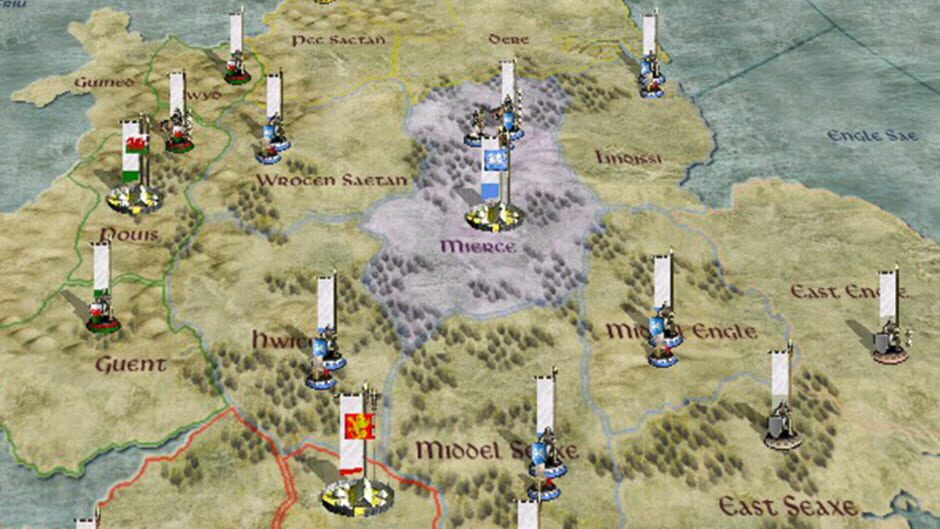
The campaign map consists of defined provinces, with armies and agents represented by pieces on the strategic board. Unlike the three-dimensional campaign maps of later installments, strategic movement takes place directly between provinces. Players construct fortifications, develop agriculture, trade and military infrastructure, and recruit troops for their armies. Emissaries negotiate alliances and agreements, spies gather intelligence, and assassins can eliminate enemy characters. Commercial networks rely on infrastructure and maritime connections, while fleets help link and protect certain territories. Naval engagements are resolved automatically rather than through directly controlled battles.
Religion and dynastic politics have a significant influence on the campaign. Catholic, Orthodox and Muslim powers maintain different relationships according to their faiths, political interests and the religious loyalty of their populations. Catholic factions must also consider the authority of the Pope, who can support Crusades or issue excommunications. Rulers belong to dynasties whose members may govern provinces or command armies. Generals develop Vices and Virtues according to their actions, affecting their abilities and reputation. Insufficient loyalty may encourage rebellions and civil wars, during which players can choose between the opposing sides.
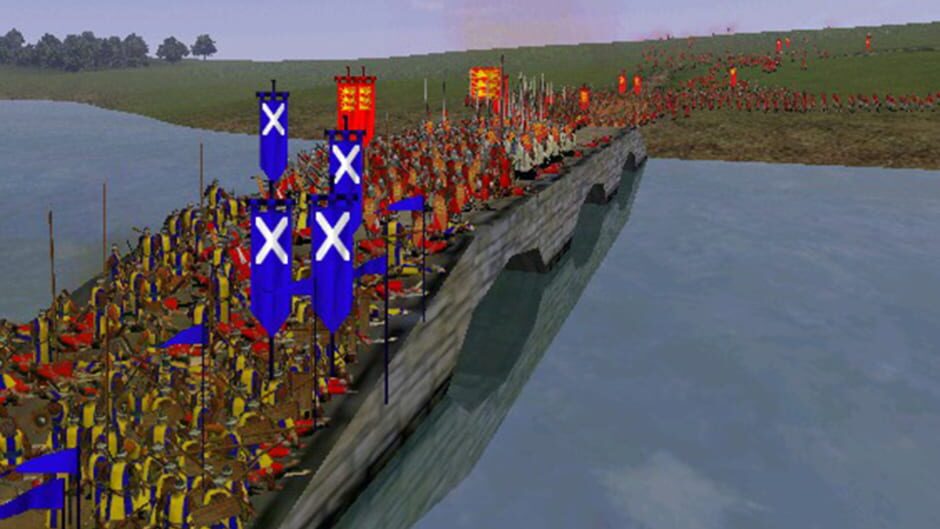
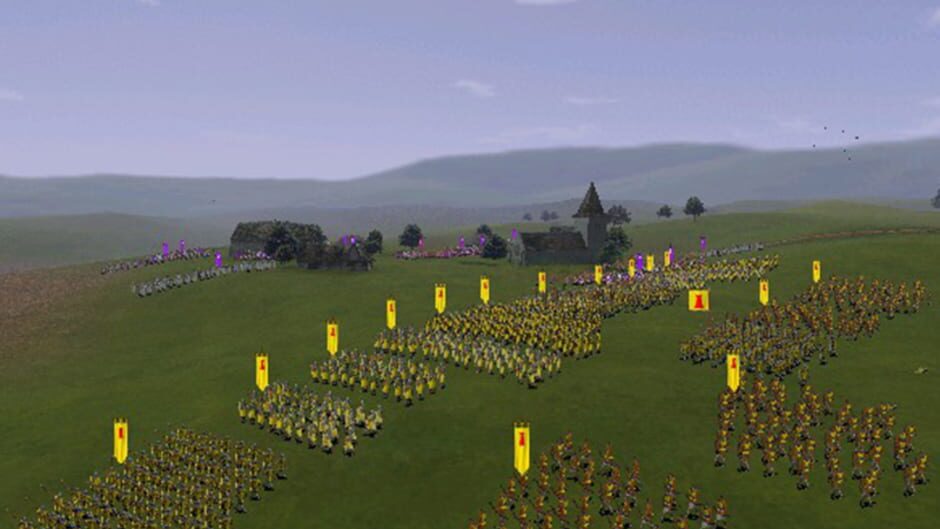
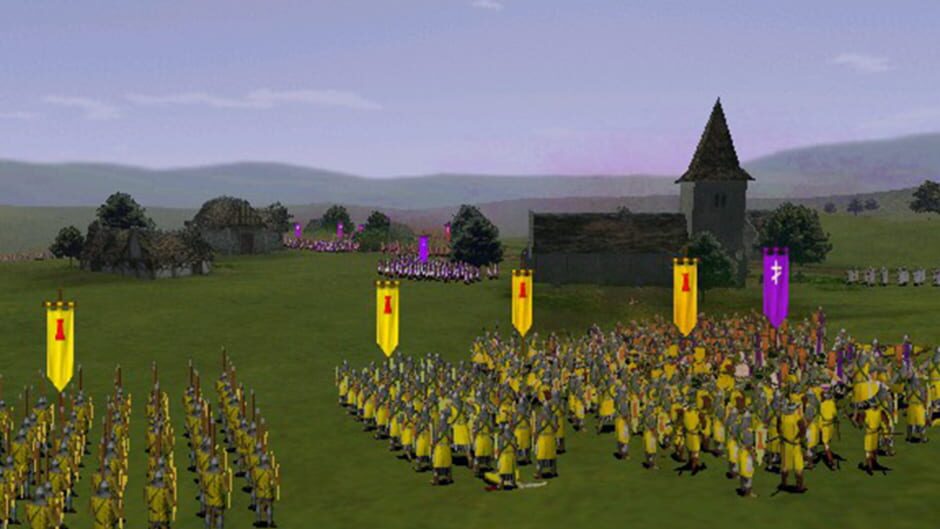
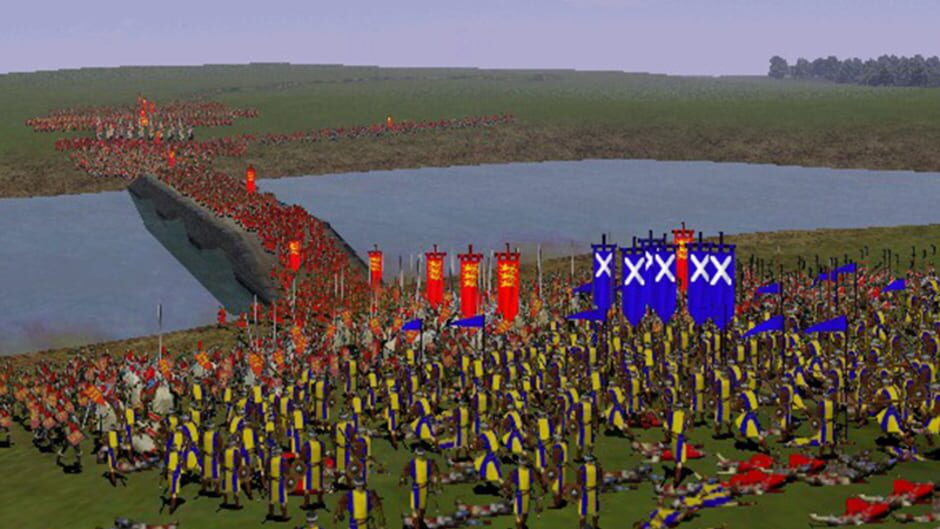
Real-time battles take place on three-dimensional battlefields, where players directly command infantry, archers, knights and siege engines. Formations, terrain, weather and morale influence combat effectiveness. Demoralized troops may flee before suffering decisive casualties. Soldiers who survive engagements also develop greater Valour through experience. Sieges involve assaulting fortifications with battering rams, siege towers and other equipment. Historical and custom battles are available alongside a multiplayer mode focused on tactical engagements.
Key Highlights
- A campaign spanning medieval centuries: kingdoms evolve through Crusades, dynastic conflicts and changes in warfare.
- Province-based strategic management: economics, fortifications, recruitment and movement determine territorial expansion.
- Agent-driven diplomacy: emissaries, spies and assassins enable negotiation, intelligence gathering and covert operations.
- Significant religious influence: population loyalty, the Papacy, Crusades and excommunications affect international relations.
- Dynasties to maintain: succession, loyalty and general characteristics can strengthen or destabilize a kingdom.
- Real-time tactical battles: formations, morale, terrain and sieges shape land warfare.
Conclusion
Medieval: Total War transfers the mechanics of Shogun: Total War to a broader historical setting characterized by diverse kingdoms and influential religious institutions. Provincial administration, dynastic relationships and diplomacy accompany territorial conquest, while real-time combat allows players to command armies directly. This structure provides the foundation upon which Medieval II: Total War would later develop a different representation of the medieval world.
Did You Know?
- The game offers three starting periods: Early, High and Late, representing different stages of the Middle Ages. They affect territories, armies and available buildings.
- Unlike Medieval II, the original game's strategic map is divided into fixed provinces. Armies move between regions rather than freely across three-dimensional terrain.
- Generals develop Vices and Virtues according to their actions. Units surviving battles also gain Valour, improving their combat effectiveness.
- Battles can feature up to 10,000 soldiers, depending on the circumstances and technical capabilities.
- Land battles and sieges can be controlled directly, whereas naval engagements are automatically resolved on the campaign map.
- Historical scenarios allow players to recreate battles including Hastings, Stamford Bridge and Bannockburn.
- The Viking Invasion expansion, released in 2003, introduces a campaign set between 793 and 1066, focusing on Viking incursions into the British Isles and western Scandinavia.
- The later Steam Collection bundles the original game with Viking Invasion. Not all factions and features introduced by the expansion were present in the 2002 release.
Link graph
Open in the full graphLoading the graph…
Only the strongest links are shown.