Presentation
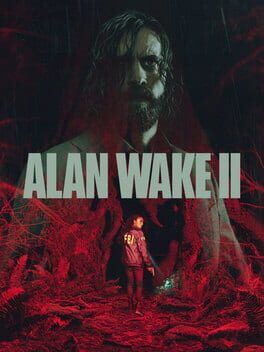
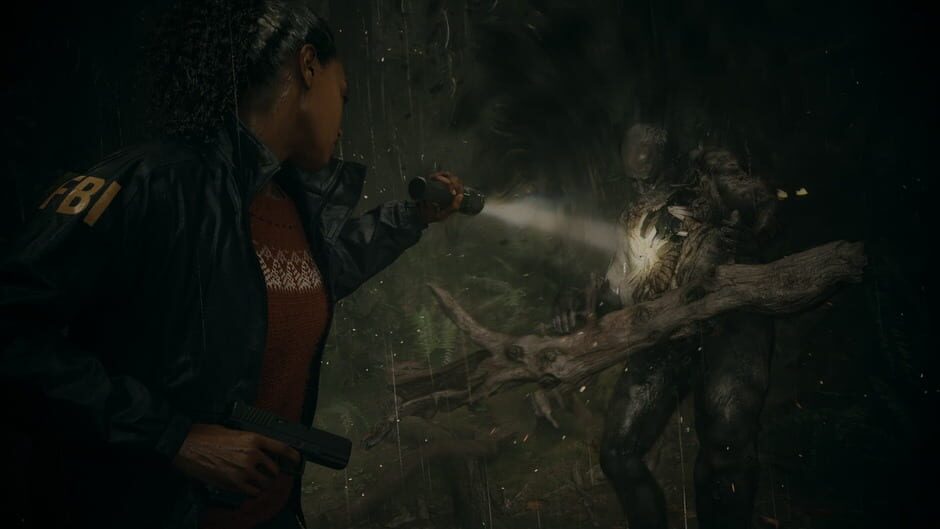
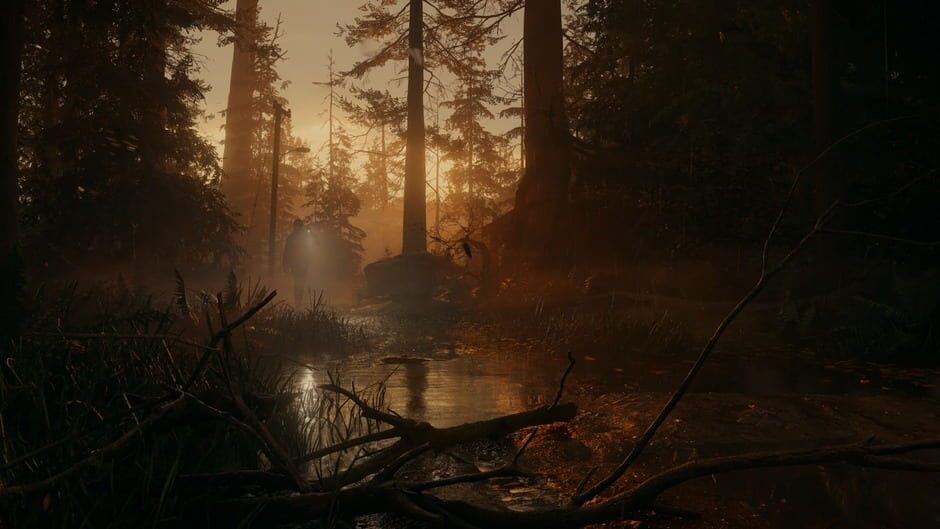
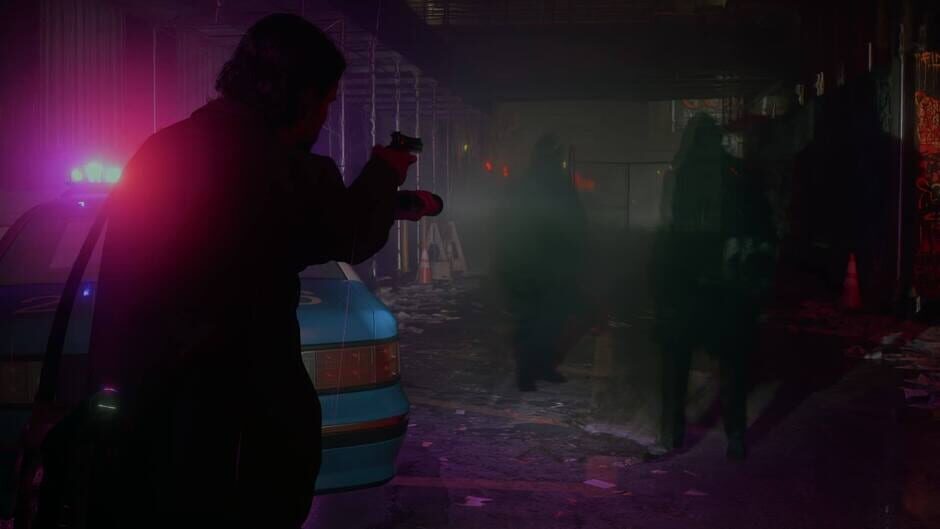
With Alan Wake II, Remedy Entertainment profoundly transforms the formula of the first game and fully embraces survival horror. Exploration becomes heavier and more oppressive, resources are limited, and encounters emphasize tension rather than constant action. Light remains important against supernatural forces, but it is now integrated into more methodical combat where positioning, ammunition and observation matter more.
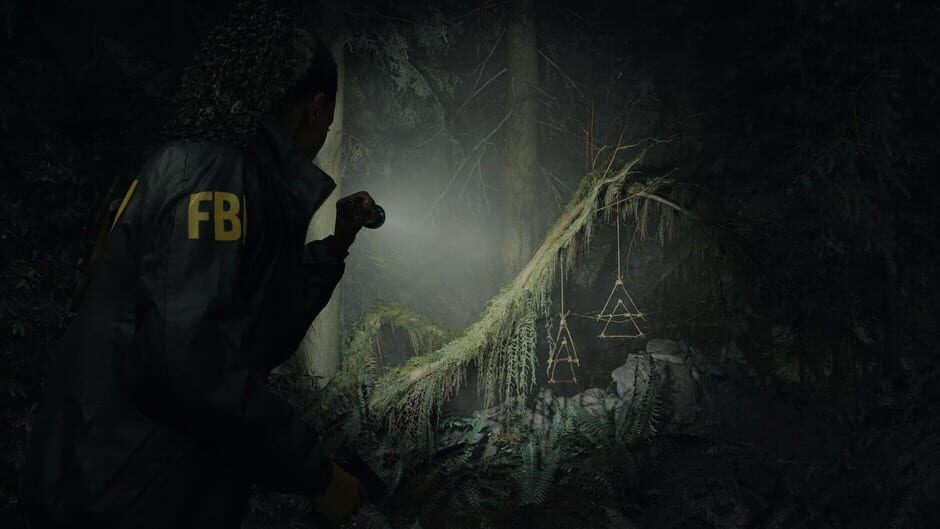
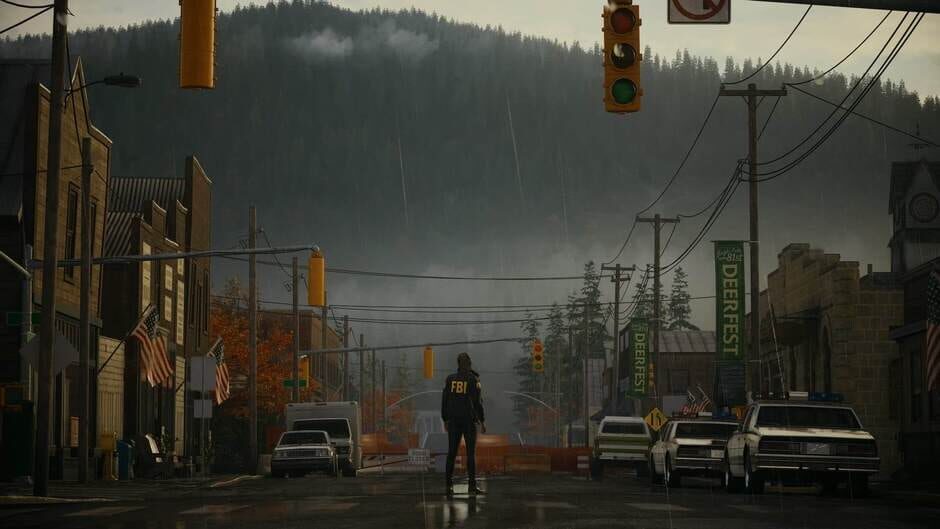
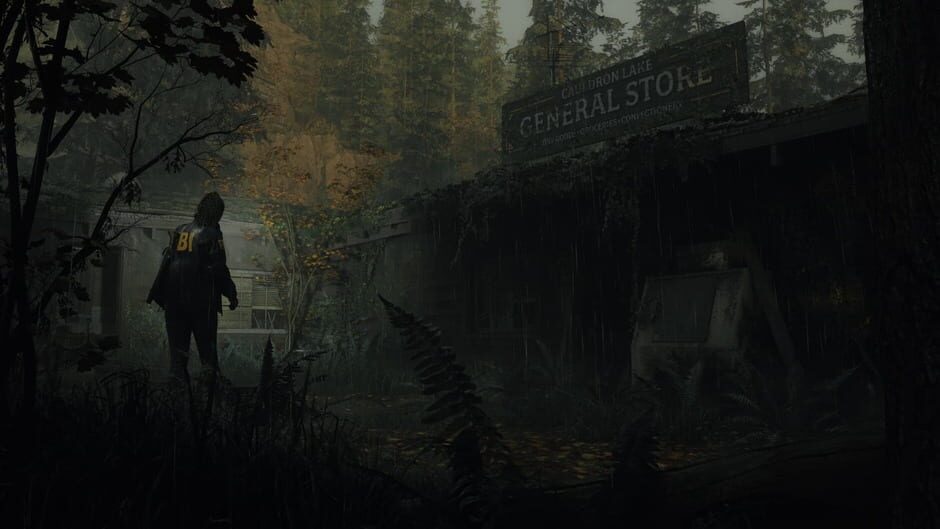
This evolution accompanies a structure built around two protagonists. Saga Anderson conducts her investigation around Bright Falls, Watery and Cauldron Lake. Her journey draws heavily from the detective thriller: crime scenes, clues and interviews feed an investigation she organizes mentally inside her Mind Place. An investigation board allows her to connect discovered information and advance certain lines of inquiry. This system is not merely decorative: it places Saga's reasoning at the center of the way she approaches events.
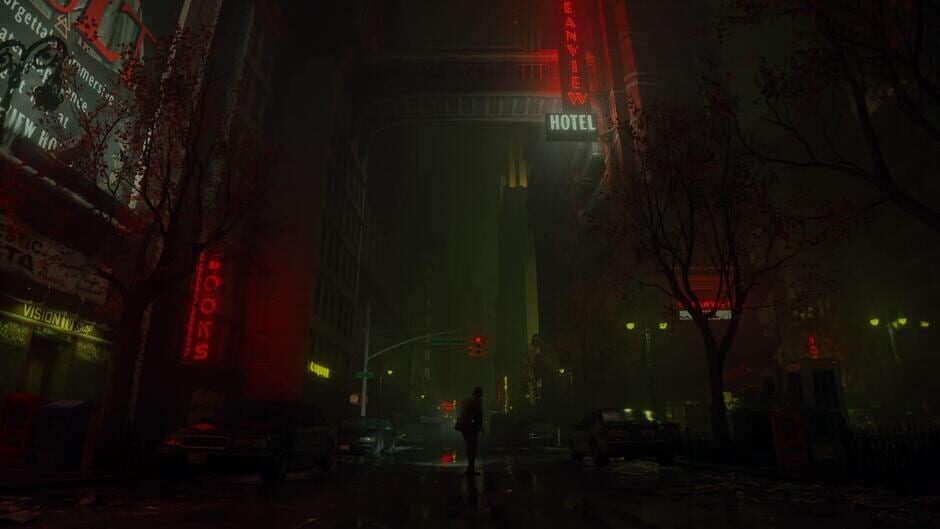
Alan, meanwhile, moves through the Dark Place, mainly represented as a New York distorted by stories, memories and obsessions. His progression relies more heavily on the narrative transformation of locations. By changing certain elements of the story he is writing, Alan can alter the scene around him and open new paths forward. Writing therefore becomes a mechanic directly integrated into exploration.
For much of the adventure, players can alternate between the two campaigns. This structure allows the game to contrast two approaches: Saga's investigation tries to make sense of the inexplicable, while Alan attempts to understand the rules of a world shaped by fiction. Their stories gradually complement one another without becoming simple mirrors of each other.
Staging is also an essential part of the game's identity. Remedy blends gameplay, live-action footage, music, television, writing and abrupt shifts in visual style. Some sequences can move from grounded thriller to surrealism within moments. This experimental approach gives Alan Wake II a very distinctive personality: the game does not merely tell a story about a writer, it constantly uses the forms of storytelling themselves as material for play.
What to remember
- Two playable protagonists, Saga Anderson and Alan Wake, whose stories unfold in different but closely connected realities.
- A full shift toward survival horror, with greater emphasis on tension, exploration and resource management.
- A detective investigation structured around clues and Saga's Mind Place.
- A Dark Place where Alan can alter certain locations by changing the story that shapes them.
- A presentation blending video game, live-action footage, music and experimental storytelling.
- A constant exploration of fiction, creation and the ability of stories to transform reality.
Conclusion
Alan Wake II does not simply continue the first game. Remedy takes its core ideas — light, writing, the Dark Place and the fragile boundary between fiction and reality — and integrates them into a work that is far more ambitious in both structure and presentation.
The decision to make Saga Anderson a second main character plays an essential role in this balance. Her investigation provides a grounded entry point into a world that becomes increasingly strange, while Alan's journey can embrace a much more abstract and surreal logic. Alternating between them prevents the game from becoming trapped in a single register.
This ambition can also make the experience demanding. The deliberately slow pacing, numerous narrative detours and certain highly experimental sequences require more involvement than a survival horror game built primarily around action. The investigation itself can sometimes guide the player quite strongly despite the appearance of deduction offered by the Mind Place.
But this density is also central to its identity. Alan Wake II treats the video game as a space where detective fiction, cinema, television, music and horror can meet without having to remain in separate categories. More than a simple sequel, it transforms Alan's struggle against his own stories into an experience where the player eventually begins to question what still belongs to reality.
Good to know
- Alan Wake II was developed by Finnish studio Remedy Entertainment and published by Epic Games Publishing.
- The game was released on October 27, 2023, thirteen years after the first Alan Wake.
- Saga Anderson is a new main character created for the second game and shares the protagonist role with Alan Wake.
- Remedy presents Alan Wake II as its first true survival horror game.
- Live-action sequences are an integral part of the storytelling and visual identity of the game.
- The story builds on elements from the first Alan Wake and is part of the shared universe developed by Remedy.