Presentation
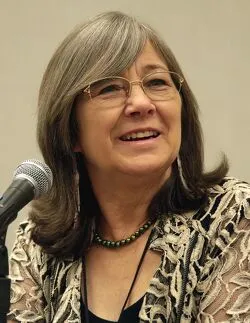
Robin Hobb, the pen name of Margaret Astrid Lindholm Ogden, born on March 5, 1952, in California, is an American novelist widely regarded as one of the leading voices in contemporary fantasy. Her fiction is distinguished by psychologically complex characters, intricate relationships, and an approach to adventure in which emotional consequences matter as much as battles or political struggles. She creates richly developed worlds where magic exists within societies shaped by power, traditions, and tensions between individuals.
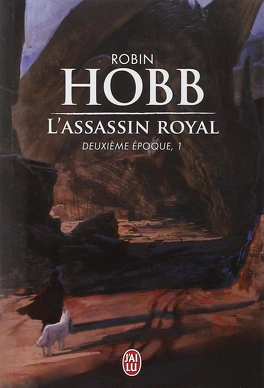
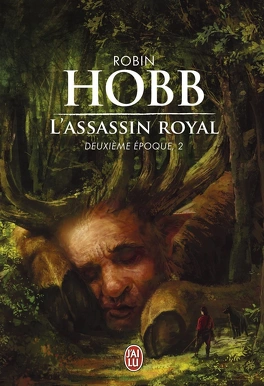
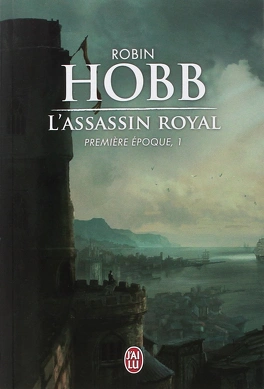
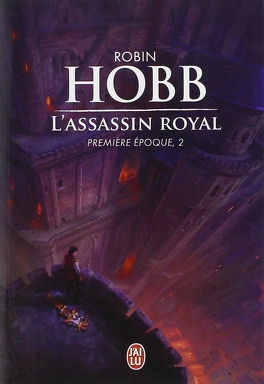
Her most celebrated series, the Farseer trilogy, follows FitzChivalry, the illegitimate son of a prince of the Six Duchies, raised in the shadows of the royal court and trained as an assassin. Through his perspective, Hobb explores identity, belonging, sacrifice, and loyalty. Two magical abilities, the Skill and the Wit, play central roles in this world: the former allows forms of mental communication, while the latter creates a profound bond between humans and animals. These powers also become sources of exclusion, responsibility, and internal conflict.
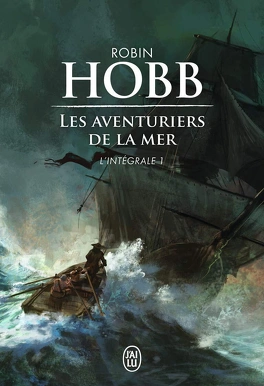
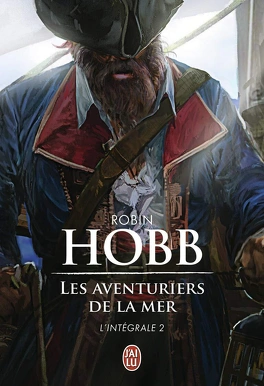
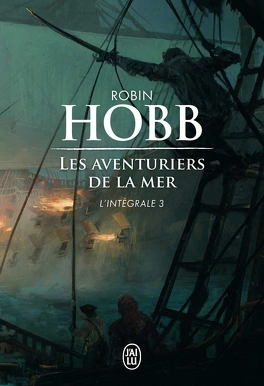
With the Liveship Traders trilogy, she considerably expands her imaginary world, shifting the narrative toward merchant cities, maritime trade routes, and sentient ships. The Vestrit family, commerce, piracy, and mysterious sea creatures form an expansive story in which economic interests intertwine with personal destinies. The different cycles of the Realm of the Elderlings ultimately form an interconnected literary universe, where characters, events, and mysteries resonate across several generations.
Career
Born Margaret Astrid Lindholm, Robin Hobb spent part of her childhood in California before her family moved to Alaska when she was around ten years old. Growing up amid wilderness, demanding natural conditions, and relatively isolated communities profoundly shaped her imagination. These experiences influenced her attention to animals, the relationship between humanity and the environment, and the practical realities of survival. After completing high school, she briefly attended the University of Denver before settling on Kodiak Island with her husband, Fred Ogden.
She began her writing career by publishing stories for young readers, followed by short fiction and novels under the pen name Megan Lindholm. Her early works explored different varieties of fantasy, from adventures in imagined worlds to encounters between the supernatural and contemporary life. In 1995, she adopted the name Robin Hobb for Assassin's Apprentice, the opening novel of the original Farseer trilogy. Its success marked a new stage in her career and established the foundations of a fictional universe she would develop for more than two decades.
From the late 1990s onward, she published numerous interconnected series set in the Realm of the Elderlings, while also exploring separate fictional settings through works such as the Soldier Son trilogy. Her narrative approach, characterized by long-term character development and the irreversible consequences of personal decisions, earned international recognition. In 2017, she concluded the sweeping story of Fitz and the Fool with Assassin's Fate. That same year, she received the Inkpot Award, followed by the World Fantasy Award for Life Achievement in 2021, confirming her position among the most significant writers of modern fantasy.
Key Facts
- A profoundly human approach to fantasy: Hobb gives psychological wounds, emotional attachments, and moral dilemmas as much importance as extraordinary adventures. Her heroes are not invincible: they age, make mistakes, and carry the lasting consequences of their decisions.
- Two literary identities: Margaret Lindholm publishes under the names Megan Lindholm and Robin Hobb. The former is associated with varied works of fantasy and speculative fiction, while the latter is primarily known for the expansive narratives of the Realm of the Elderlings.
- An unusual bond between humans and animals: in the Farseer novels, the Wit enables an intimate mental and emotional relationship with animals. Often condemned by the society of the Six Duchies, this magic raises questions about the boundaries between humanity and animal nature, as well as fear of difference.
- A world developed across several series: the stories of Fitz, the traders of Bingtown, the dragons, and the Elderlings belong to the same fictional universe. Their gradual connections provide historical and cultural depth extending far beyond any individual adventure.
- International literary recognition: translated into numerous languages, Robin Hobb received the Inkpot Award in 2017 and the World Fantasy Award for Life Achievement in 2021. Her influence rests particularly on her ability to combine the conventions of epic fantasy with intimate, emotionally demanding storytelling.