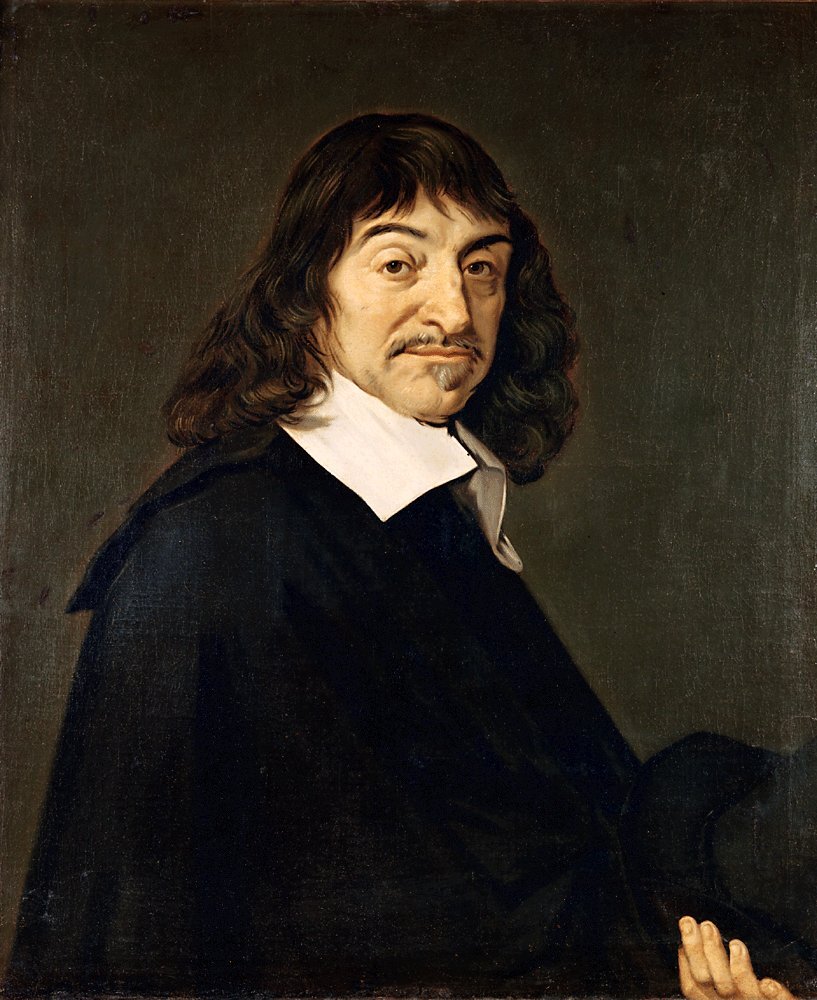
René Descartes
Details
- Roles
- Author
Referenced works
Referenced works (7)
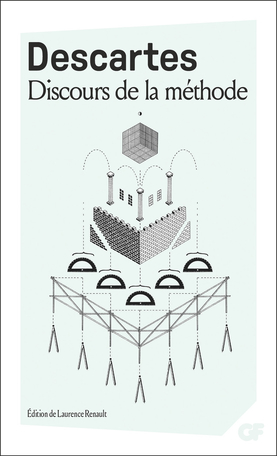
Descartes: Discourse of method
Author
A manifesto of Cartesian philosophy, the Discourse on Method (1637) is both the story of an intellectual journey and the masterful illustration of a project: to found the unity of the sciences and constitute a universal science. Home to an abundant work, the Discourse claims the rights of reason against all tradition and authority. This is why he assigns a task to philosophy: to rise to certainty. The present editi…
- Essay
- Philosophy
Descartes: The Search for Truth
Author
"No other writing by Descartes, even the Discourse on Method, provides us with a better approach and a better introduction to his universe of thought. "Ernst Cassirer.The Search for Truth through Natural Light introduces us to a little-known Descartes, eager to transmit his thoughts, not only through meditation but also through dialogue. In this philosophy, what is most individual and most intimate, consciousness, i…
- Philosophy
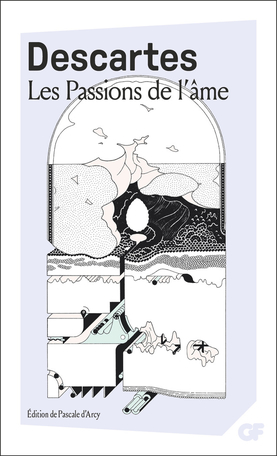
Descartes: The Passions of the Soul
Author
The last work published by Descartes, the Treatise on the Passions of the Soul (1649) is the fruit of his entire philosophy. This treatise, which is based on a summary of Cartesian biology, moves towards a concrete medicine for psycho-physiological conditions and blossoms into an apology for generosity. To scientific observations, Descartes does not disdain to add psychological notations whose finesse sometimes evok…
- Philosophy
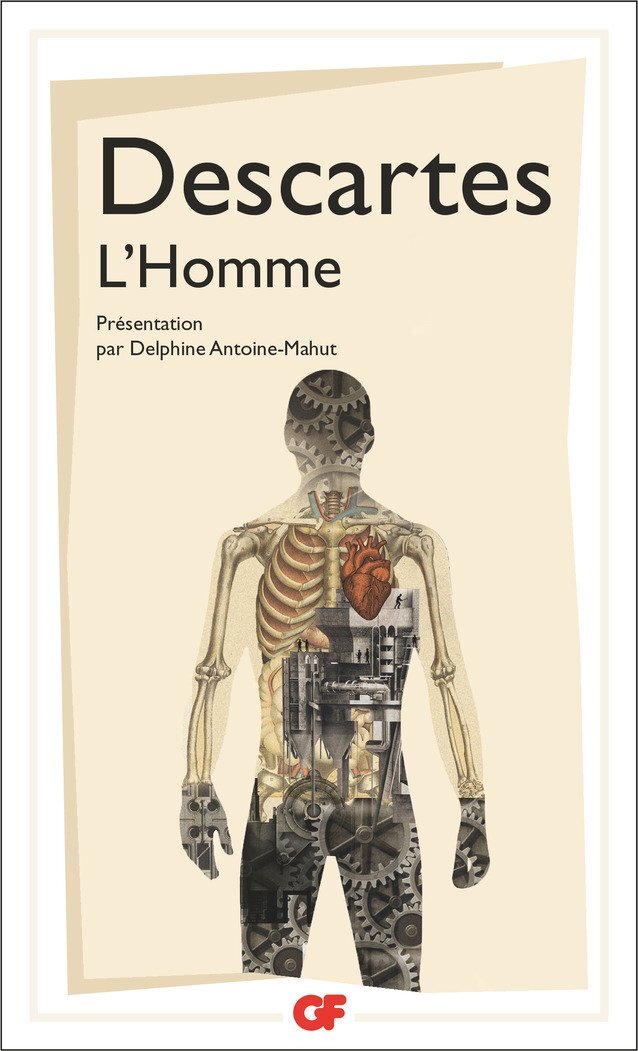
Descartes: Man
Author
Descartes describes the human body as an organised machine whose functions can be explained through matter and motion. This treatise sheds light on the development of his mechanistic physiology.
- Philosophy
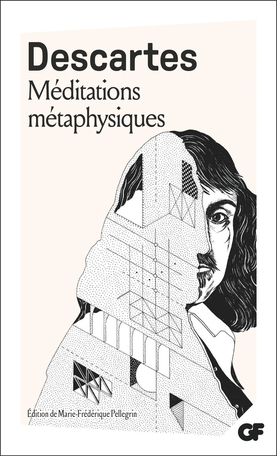
Descartes: Metaphysical meditations
Author
In Metaphysical Meditations, Descartes plans to give a solid foundation to knowledge: what allows me to think that I hold a truth? It is necessary to sort out the true from the false, and the philosopher will endeavor to reject everything that is doubtful. A first incontestable truth will emerge from this methodical doubt: “I think therefore I am” (the famous cogito).
- Philosophy
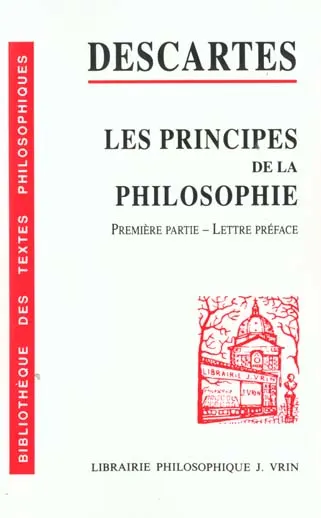
Descartes: Principles of Philosophy
Author
In the Principia philosophiae, published for the first time in Latin in 1644, Descartes sets out in a synthetic form what the analyzes of the Meditations and the Discourse had brought to light, namely the articulation between the general principles of human knowledge, the principles of the sciences and his discoveries on the structure of the physical world. It is in the Letter-preface to its French translator, Abbe …
- Philosophy
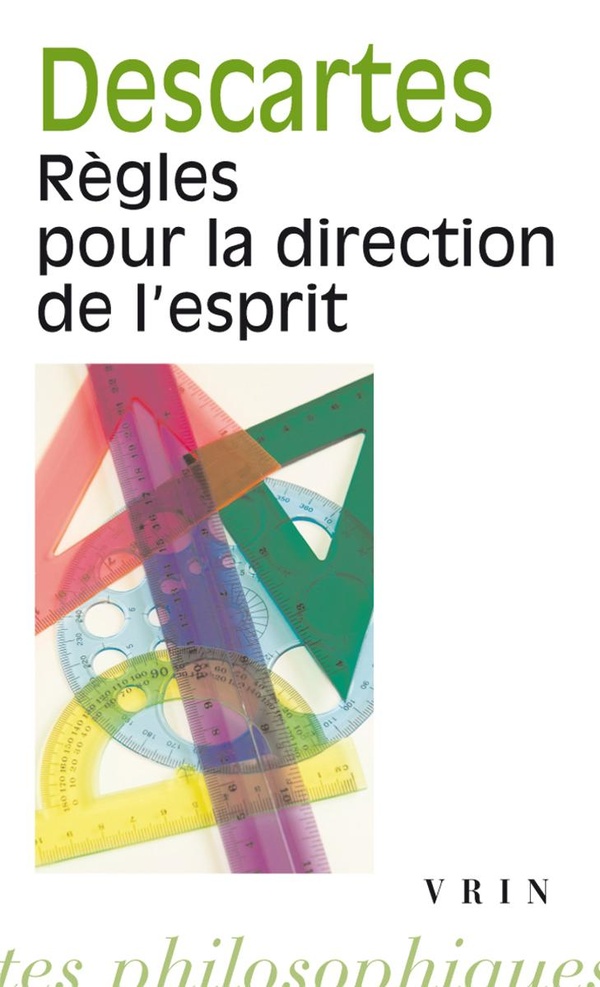
Descartes: Rules for the direction of the mind
Author
The Rules for the Direction of the Mind, composed between 1628 and 1629, and published posthumously, constitute the first major philosophical text by Descartes (1596-1650). Through these rules, the author aims to explain the mode of resolution of all the questions that may arise for man, and to manifest the fundamental unity of the spirit, in a way which announces the Discourse of the method (1637). The method is pr…
- Philosophy
Information may change.