Presentation
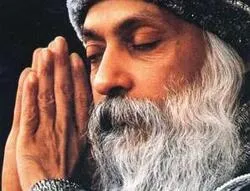
Osho, born Chandra Mohan Jain on December 11, 1931, in Kuchwada, British India, and deceased on January 19, 1990, in Pune, was an Indian spiritual teacher, public speaker, and thinker also known as Acharya Rajneesh and Bhagwan Shree Rajneesh. An influential and controversial figure in twentieth-century spiritual movements, he developed teachings drawing upon Buddhism, Zen, Taoism, Sufism, and various philosophical traditions. Rejecting religious dogma and established spiritual authorities, he advocated individual transformation through meditation, self-observation, and personal experience. His approach emphasized freedom, spontaneity, and the possibility of living fully in the present moment.
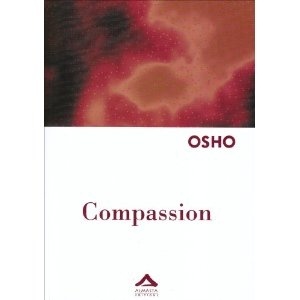
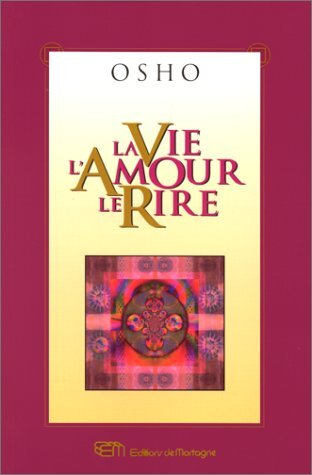
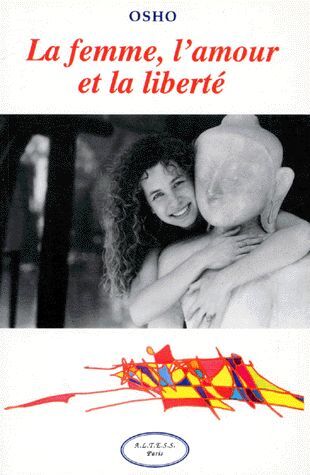
His teachings addressed a wide range of subjects, including human relationships, awareness, desire, and the search for happiness. In Compassion, he examines the difference between genuine openness toward others and behavior motivated by moral obligation or feelings of superiority. Life, Love, Laughter develops a view of existence in which joy, creativity, and lightness occupy an essential place. Through Woman, Love and Freedom, he questions the social and religious conventions governing intimate relationships while presenting his own understanding of love and individual independence.
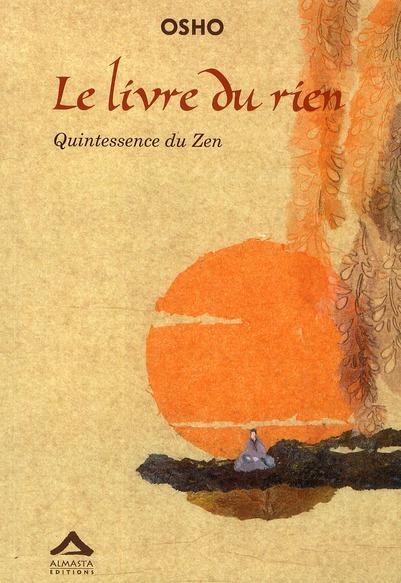
Zen provided another major source of inspiration. In Hsin Hsin Ming: The Book of Nothing, based on talks about the text traditionally attributed to the Chinese master Sengcan, Osho explores detachment, non-duality, and the difficulty of transcending the oppositions created by the mind. Awareness extends these ideas by presenting attention to thoughts, emotions, and everyday actions as a path toward self-understanding. Most books published under his name originated as transcripts or compilations of spoken discourses, sometimes edited after his death. His literary legacy should therefore be understood primarily as a collection of oral teachings rather than a conventional bibliography of treatises written directly for publication.
Career
Chandra Mohan Jain was born into a Jain family in central India and spent his early childhood with his maternal grandparents. From a young age, he displayed a strong interest in religious and philosophical questions while challenging established beliefs and social conventions. After studying philosophy, he completed a postgraduate degree at the University of Sagar in 1957 and subsequently taught at several institutions, including the University of Jabalpur. During the 1960s, he traveled throughout India delivering public lectures that criticized institutional religion, traditional social structures, and established moral values. His reputation gradually expanded, attracting both followers and outspoken critics.
During the 1970s, his teachings acquired an increasingly international audience. He developed Dynamic Meditation, a practice combining movement, intense breathing, emotional expression, and silence, which he presented as an approach suited to the difficulties modern individuals experience when attempting traditional meditation. In 1974, he established a spiritual center in Pune that attracted visitors from India and abroad. His movement, known as neo-sannyas, brought together followers interested in communal living and meditation practices. In 1981, he moved to the United States, where his followers established the Rajneeshpuram community in Oregon. The settlement soon became the center of political, legal, and social conflicts involving local residents and public authorities.
The American experiment ended in a major crisis in 1985. Several Rajneeshpuram leaders, including his secretary Ma Anand Sheela, were implicated in criminal activities, notably a 1984 salmonella poisoning that sickened hundreds of people in Oregon. Osho publicly denounced the actions of these officials. He was not convicted of involvement in the poisoning, but entered guilty pleas as part of an agreement concerning violations of American immigration law and left the United States. Following a series of international journeys, he returned to Pune in 1987, resuming his teaching and meditation activities. He eventually adopted the name Osho in the late 1980s and died in January 1990. His movement continued after his death, and recordings and books derived from his talks circulated internationally.
Key Facts
- Meditation through movement: unlike approaches based exclusively on silence, Osho's Dynamic Meditation combines phases of physical activity, breathing, emotional expression, and stillness. According to his teachings, this method is intended to facilitate inner observation after releasing accumulated tensions.
- Spirituality without exclusive religious affiliation: Osho drew inspiration from numerous traditions, particularly Zen, Buddhism, Taoism, and Sufism. However, he criticized religious institutions and dogma, advocating an individual search for understanding that did not depend on adherence to a single belief system.
- Freedom and human relationships: his lectures frequently explored love, sexuality, social roles, and personal independence. His provocative positions, especially regarding sexual morality and traditional family structures, generated considerable debate and criticism.
- Books largely derived from recorded talks: many publications bearing his name consist of recorded lectures that were transcribed and organized by editors. Their oral origins explain their conversational style, extensive use of anecdotes and parables, audience questions, and interpretations of spiritual texts.
- A legacy inseparable from controversy: the Rajneeshpuram movement experienced major conflicts with American authorities and crimes committed by several of its leaders. Although Osho remains influential in some meditation and personal-development communities, his organization, authority, and the contradictions between his teachings and the operation of his commune continue to attract critical examination.