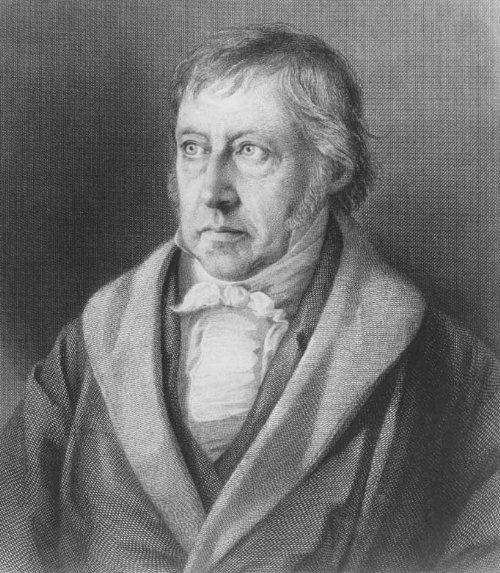
Georg Wilhelm Friedrich Hegel
Details
- Roles
- Author
Referenced works
Referenced works (5)
Hegel: Encyclopedia of the Philosophical Sciences
Author
Hegel's Encyclopedia of Philosophical Sciences is the first, but also the last total thought of reality which bases its necessity on the identity of the rigorously respected self-identity of thought and the concretely explored difference from itself of reality; concept and experience triumph here jointly. This first part of the work - the science of logic - which dialectically deploys all the meanings organically en…
- Philosophy
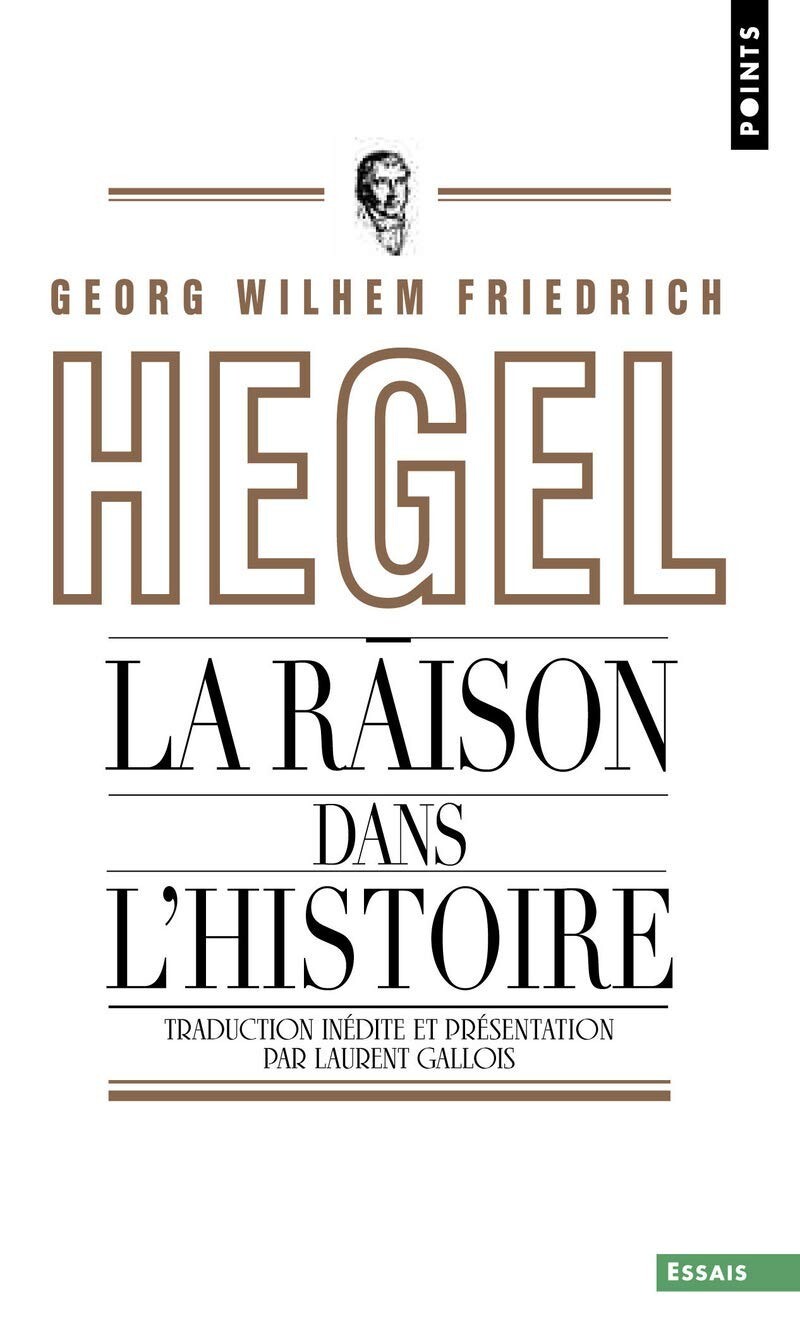
Hegel: Reason in History
Author
Hegel interprets universal history as the progressive deployment of freedom. Particular passions and conflicts participate, often without the knowledge of the actors, in a broader rational movement.
- Philosophy
Hegel: Lectures on the Philosophy of History
Author
Hegel interprets universal history as the progressive development of the consciousness of freedom. Through the great political and cultural forms, the Spirit transforms conflicts, passions and institutions into moments of a rational process whose necessity philosophy seeks to understand.
- Philosophy
Hegel: The Phenomenology of Spirit
Author
The Phenomenology of Spirit is not only a decisive work in the history of philosophy: it is also, alongside Shakespeare's theater or Dante's Divine Comedy, one of the major works of Western culture. Completed in a hurry, published in 1807 in a Europe agitated by the Napoleonic wars, it had a late success: in France, it was not until the 20th century that we recognized in it the summit of German idealist philosophy –…
- Philosophy
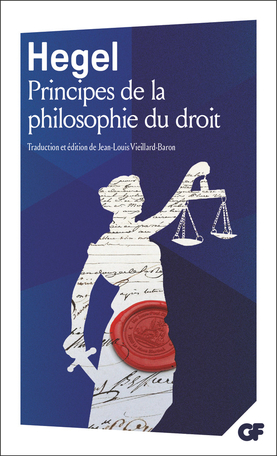
Hegel: Elements of the Philosophy of Right
Author
Published in 1820 by Hegel, the Grundlinien der Philosophie des Rechts, a work known in France under the title of Principles of the Philosophy of Law, is one of the major works of modern philosophy. On the basis of a considerably expanded idea of law, corresponding to all the manifestations of what he calls “objective spirit”, Hegel successively exposes the structures of “abstract law” (which corresponds to private …
- Philosophy
Information may change.