
Presentation
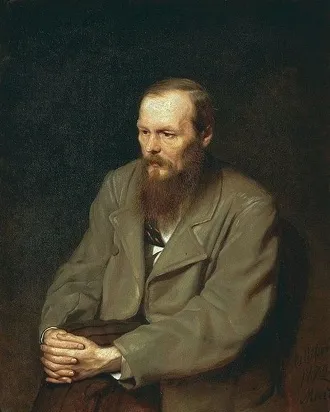
Fyodor Dostoevsky, born on November 11, 1821, in Moscow and deceased on February 9, 1881, in Saint Petersburg, was a Russian novelist, short-story writer, and essayist widely regarded as one of the greatest authors in literary history. His work occupies a distinctive position in nineteenth-century fiction through its exploration of human consciousness, moral conflicts, and social contradictions. Through troubled characters frequently confronted with poverty, humiliation, or guilt, he investigates freedom, individual responsibility, faith, and the possibility of redemption.
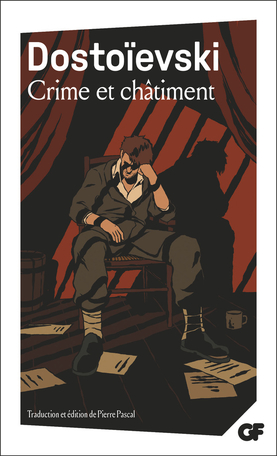
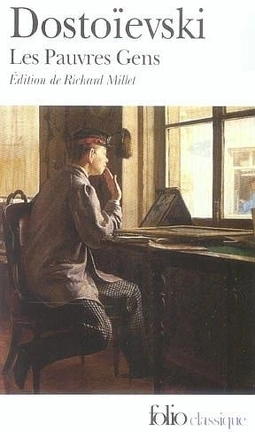
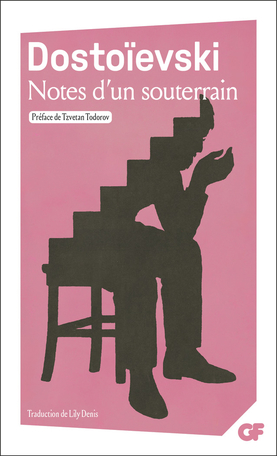
In Crime and Punishment, he portrays Raskolnikov, a former student who attempts to justify murder through an intellectual theory before confronting the psychological and moral consequences of his actions. Notes from Underground presents a solitary, deeply contradictory narrator whose arguments challenge rationalist assumptions about human behavior. In White Nights, Dostoevsky reveals another aspect of his literary sensibility: a melancholic attention to dreams, loneliness, and unfulfilled romantic longing.
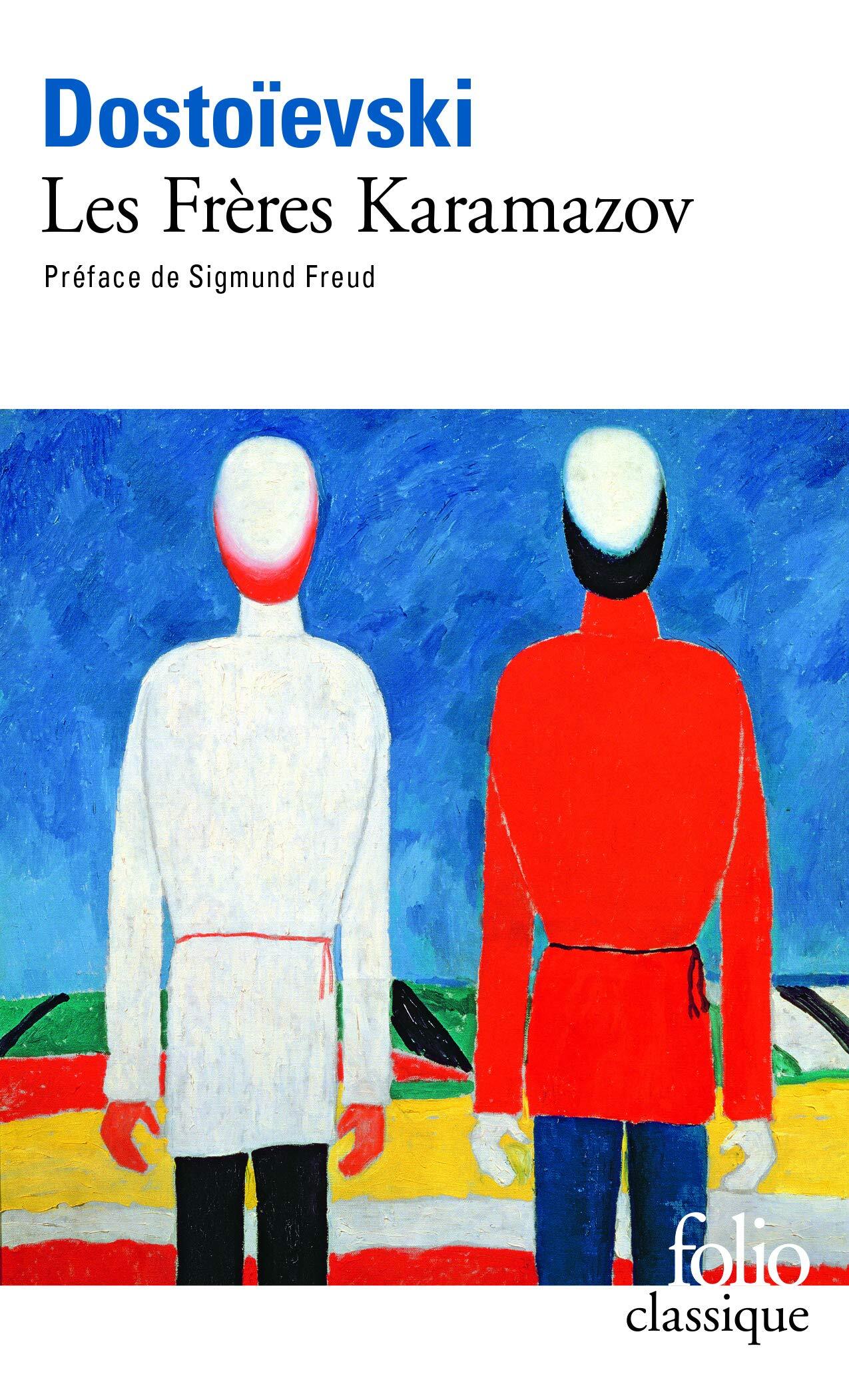
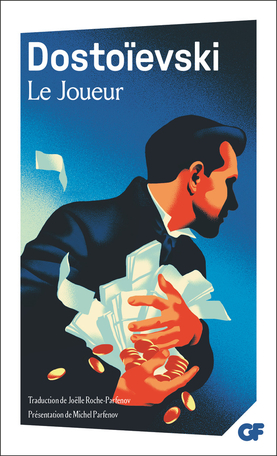
His final major novel, The Brothers Karamazov, brings together many of his central philosophical and spiritual concerns. Through the conflicts of a family and the contrasting personalities of its protagonists, he examines faith, doubt, evil, justice, and the responsibilities human beings bear toward one another. Works such as Poor Folk and The Gambler also reveal his concern with social inequality, addiction, and self-destructive behavior. His novels rarely offer easy answers: instead, they bring opposing worldviews into dialogue, allowing each character a distinctive voice and genuine complexity.
Career
Fyodor Mikhailovich Dostoevsky was born into a Moscow family whose father worked as a physician at the Mariinsky Hospital for the Poor. Passionate about literature from an early age, he discovered the works of Pushkin, Gogol, and several European writers. Following his mother's death in 1837, he continued his education at the Military Engineering Academy in Saint Petersburg, although writing remained his principal interest. He eventually abandoned his military career to pursue literature. His first novel, Poor Folk, published in 1846, received enthusiastic attention, particularly from the influential critic Vissarion Belinsky. This early recognition was followed by works that received a more reserved critical response.
In 1849, Dostoevsky was arrested for participating in the Petrashevsky Circle, an intellectual group where socialist ideas and criticism of the tsarist regime were discussed. Sentenced to death, he underwent a staged execution before his punishment was commuted to forced labor. He spent four years in a prison camp in Omsk, Siberia, followed by several years of compulsory military service. These experiences profoundly transformed his understanding of humanity, suffering, and religion. Returning to Saint Petersburg in the late 1850s, he resumed literary and journalistic activities, including publishing ventures with his brother Mikhail. The following years brought financial difficulties, epileptic seizures, and the deaths of several people close to him.
The 1860s and 1870s marked his greatest period of artistic maturity. He published Notes from Underground, Crime and Punishment, The Gambler, and several other major novels that established his distinctive literary voice. In 1867, he married Anna Grigoryevna Snitkina, a former stenographer who subsequently played a crucial role in organizing his work and managing his publishing affairs. After spending several years in Western Europe, the couple returned to Russia in 1871. Dostoevsky continued writing fiction and commentary, notably through A Writer's Diary. The publication of The Brothers Karamazov in 1879–1880 crowned his literary career. He died a few months later, leaving a body of work that permanently transformed psychological and philosophical fiction.
Key Facts
- A radical exploration of human consciousness: Dostoevsky gives extraordinary depth to his characters' internal struggles. Their contradictory thoughts, remorse, and attempts at self-justification make his novels penetrating studies of human psychology.
- A life-changing confrontation with death: arrested in 1849, he experienced a staged execution before learning that his sentence had been commuted. This sudden proximity to death, followed by imprisonment in Siberia, permanently shaped his reflections on freedom, suffering, and the value of existence.
- Fiction shaped by spiritual questions: Christian faith, doubt, guilt, and the possibility of forgiveness play central roles in his novels. Rather than reducing his characters to philosophical positions, Dostoevsky confronts opposing beliefs through complex human situations.
- Gambling as personal experience and literary subject: Dostoevsky struggled with roulette addiction during his travels in Europe. In The Gambler, he transformed this experience into an examination of obsession, the desire for wealth, and the loss of self-control.
- A profound influence on modern thought: his novels influenced philosophers, psychoanalysts, and writers, including Nietzsche, Freud, Camus, and Sartre. His representation of conflicting consciousnesses anticipated central concerns of existentialism and modern literature.