Overview
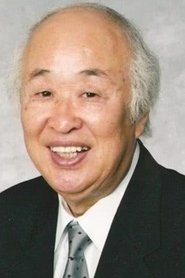
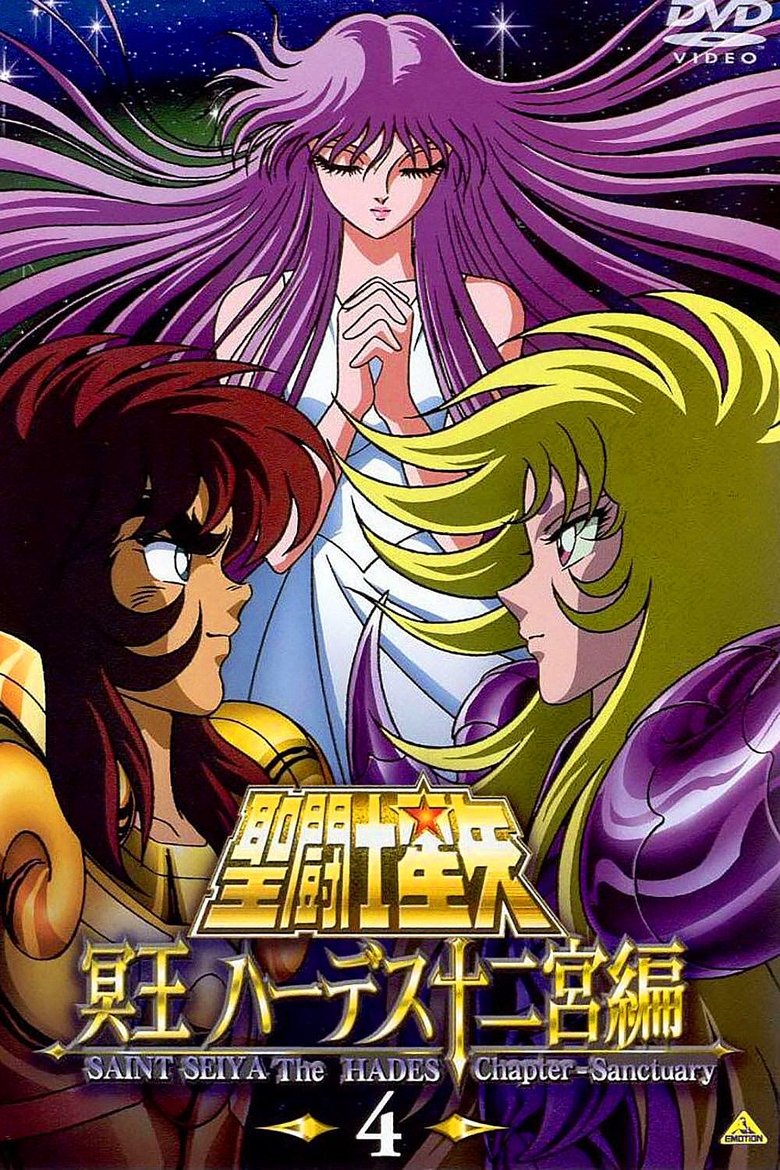
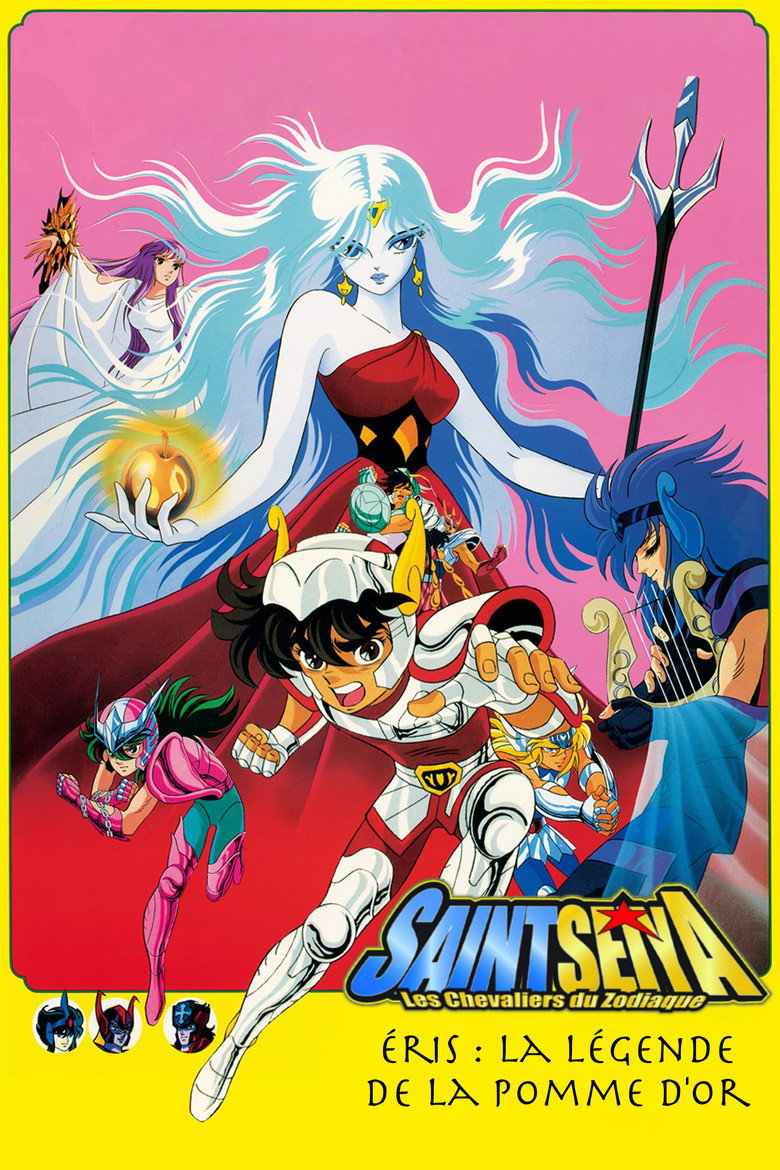
Seiji Yokoyama (横山 菁児, Yokoyama Seiji, Hiroshima, Japan, March 17, 1935 – Sera, Hiroshima, Japan, July 8, 2017) was a Japanese composer of incidental music for television and radio series. Yokoyama is best known for his work on the anime series Saint Seiya, for which he composed almost all of the music.
Yokoyama was born on March 17, 1935, in the city of Hiroshima. In 1957 he earned his degree in composition at the Kunitachi music school, the same school where Kazuko Kawashima studied, the soprano who lent her voice to several of Yokoyama's melodies, such as Cisne - Guerrero de Hielo, Inside a Dream and La Muerte de Atena.
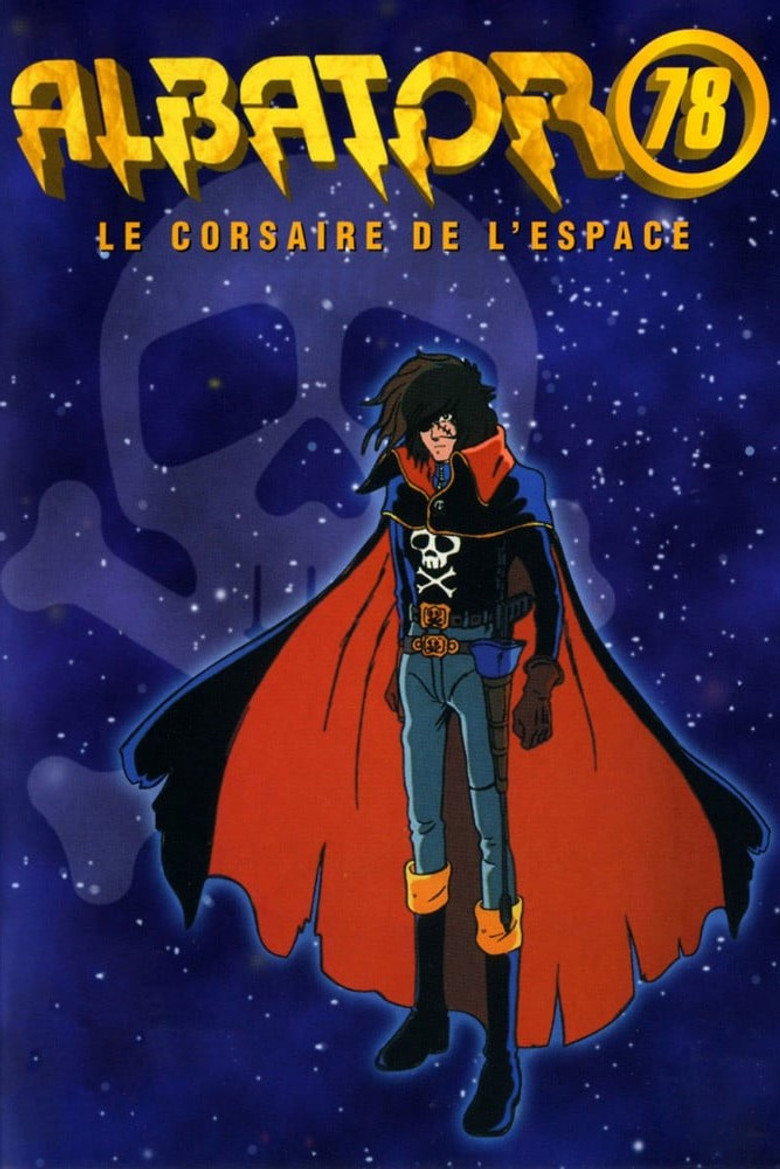
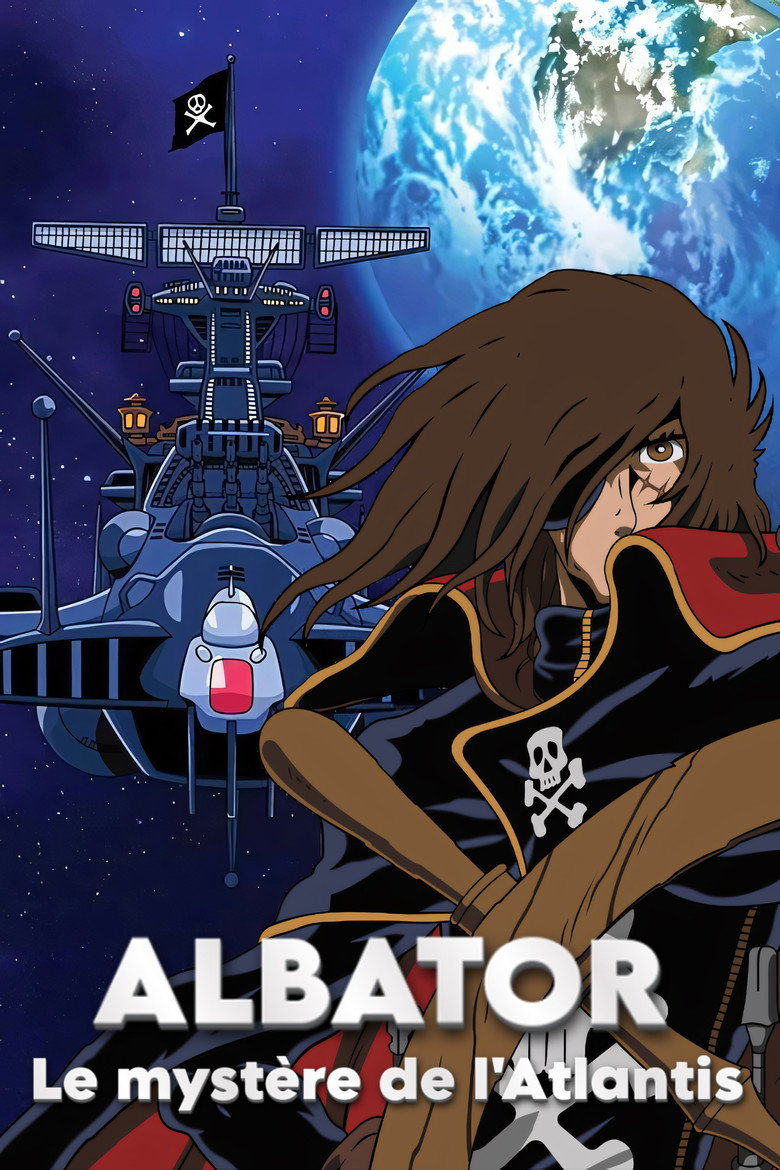
He composed for Japanese television, radio and film, making his greatest contribution to the anime series Saint Seiya and Captain Harlock. He also devoted himself to composing themes inspired by his hometown of Hiroshima, a city marked by tragedy.
Yokoyama's style is very distinctive: for his compositions he mainly used classical instruments such as the piano, violins, cellos, double basses, the harp and wind instruments such as trumpets, trombones and flutes, together with more contemporary instruments such as drums and electric guitar, producing excellent musical works and an entirely unique style.
His influences are marked by baroque music, especially the work of Johann Sebastian Bach, by the pre-Romantics and Romantics of the 19th century, and by a slight influence of Chinese music; for example, Far Reaching Five Old Peaks.
Listening to the music of Saint Seiya is enough to appreciate the great musical quality of this composer: music that accompanies the sad moments, the moments of glory, hope, combat, mystery and so on that occur over the course of the series.
Yokoyama's compositions combine harmonies that at times reach considerable complexity and melodic development, along with an orchestration of great timbral richness.
Captain Harlock is probably his best-known work alongside Saint Seiya. The orchestration of the main theme "Uchū kaizoku kyaputenhārokku" evokes in its style a hymn of battle, hope and freedom... By contrast, the ending theme "Warera No Tabidachi" is a sad, melancholic melody about travelling through space and themes tied to nostalgia and the past.
Yokoyama died of pneumonia on July 8, 2017, in Sera, Hiroshima. He was 82 years old.