



Presentation
Phoenix Pictures is an American film production company founded in 1995 by Mike Medavoy and Arnold Messer. Based in the Los Angeles area, it develops and produces feature films in collaboration with filmmakers, screenwriters, financing partners and international distributors.
Its catalog spans numerous genres, including historical drama, psychological thrillers, science fiction, biographical films and horror. The company is particularly associated with Terrence Malick's The Thin Red Line (1998), David Fincher's Zodiac (2007), Martin Scorsese's Shutter Island (2010) and Darren Aronofsky's Black Swan (2010).
Unlike major studios operating their own distribution networks, Phoenix Pictures follows an independent production model. It develops projects, assembles financing partnerships and works with distributors including Sony Pictures, Paramount Pictures and 20th Century Fox.
Throughout its history, the company has worked with performers such as Sean Penn, Arnold Schwarzenegger, Leonardo DiCaprio, Natalie Portman, Jake Gyllenhaal and Mark Ruffalo. Its productions connect filmmaker-driven storytelling with projects intended for international audiences.
History
1995 — Founded by Two Hollywood Veterans
Phoenix Pictures was formally introduced in November 1995 by Mike Medavoy and Arnold W. Messer, two executives with extensive experience in the American film industry.
Before establishing the company, Medavoy had held senior positions at United Artists, co-founded Orion Pictures in 1978 and served as chairman of TriStar Pictures. His career brought him into contact with filmmakers including Miloš Forman, Martin Scorsese and Francis Ford Coppola.
Arnold Messer also possessed considerable experience in film production and studio management, including work at Columbia Pictures.
The founders intended to establish a company capable of developing its own films while relying on major studios for worldwide distribution. From its beginning, Phoenix Pictures benefited from an important relationship with Sony Pictures Entertainment and financing arrangements involving international investors.
This structure enabled the company to pursue ambitious projects without operating its own theatrical distribution network.
1996–2000 — Historical Drama and Science Fiction
Phoenix Pictures' early years featured collaborations with several established directors.
In 1996, the company produced The People vs. Larry Flynt, directed by Miloš Forman. The biographical drama examines the controversial life of American publisher Larry Flynt and the legal debates surrounding freedom of expression. It won the Golden Bear at the 1997 Berlin International Film Festival and received two Academy Award nominations.
Phoenix subsequently worked on Oliver Stone's thriller U Turn (1997) and Bryan Singer's Apt Pupil (1998), an adaptation of a Stephen King novella.
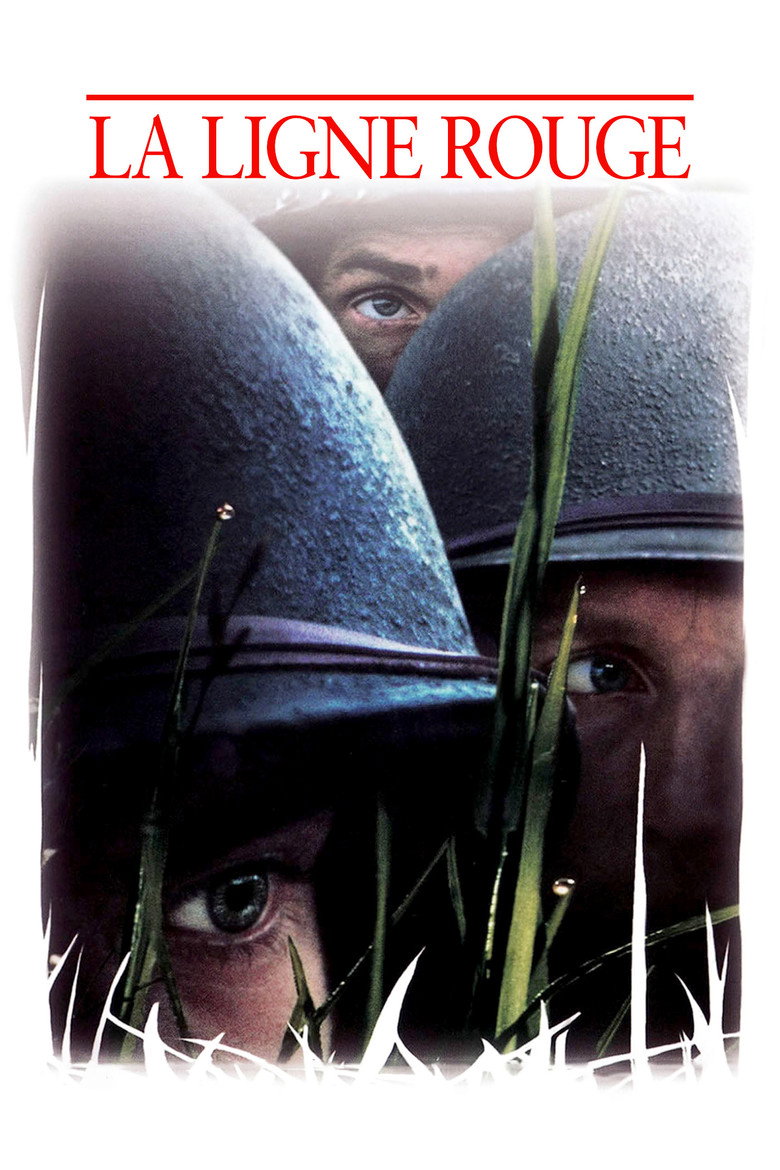
That same year, Terrence Malick released The Thin Red Line, marking his return to filmmaking after a twenty-year absence. Adapted from James Jones's novel, the film follows American soldiers during the Battle of Guadalcanal in World War II.
Its contemplative direction, philosophical treatment of warfare and cinematography earned seven Academy Award nominations. It also won the Golden Bear at the 1999 Berlin Film Festival.
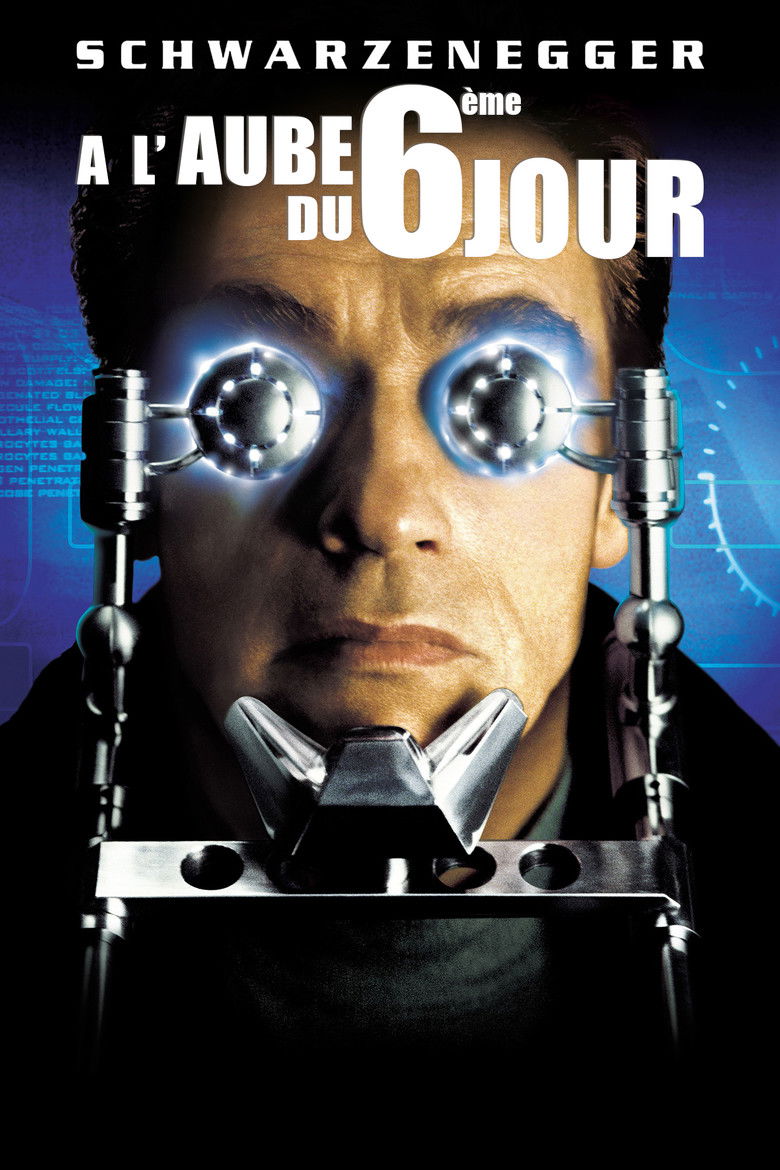
In 2000, Phoenix Pictures moved into science fiction with The 6th Day, directed by Roger Spottiswoode and starring Arnold Schwarzenegger. The film explores the consequences of human cloning at a time when advances in biotechnology were generating public debate about scientific ethics.
2001–2007 — Literary Adaptations and Crime Investigations
During the early 2000s, Phoenix Pictures continued expanding its range of productions.
The company worked on Holes (2003), Andrew Davis's adaptation of Louis Sachar's novel, and All the King's Men (2006), Steven Zaillian's political drama based on Robert Penn Warren's book.
It also produced Miss Potter (2006), a biographical film starring Renée Zellweger as British author and illustrator Beatrix Potter.
In 2007, Phoenix Pictures participated in Zodiac, directed by David Fincher. The film reconstructs the investigation into the Zodiac Killer, whose crimes terrorized California during the late 1960s.
Starring Jake Gyllenhaal, Robert Downey Jr. and Mark Ruffalo, Zodiac is distinguished by its meticulous depiction of journalism and police investigation. Rather than relying on conventional thriller structures, Fincher builds a narrative about uncertainty, obsession and the limits of investigative work.
The film also emerged from a distinctive development approach adopted by Phoenix Pictures, designed to give screenwriters greater creative independence before major studios became involved.
2010 — Shutter Island and Black Swan
The year 2010 marked one of the most significant periods in Phoenix Pictures' history, with the release of two major productions.
Shutter Island, directed by Martin Scorsese and adapted from Dennis Lehane's novel, stars Leonardo DiCaprio as a federal investigator sent to an isolated psychiatric institution. The film combines detective fiction, psychological suspense and questions about memory, guilt and the perception of reality.
The project was developed with screenwriter Laeta Kalogridis through a Phoenix Pictures initiative intended to support demanding adaptations before their presentation to major Hollywood studios.
That same year, the company participated in Darren Aronofsky's Black Swan. Natalie Portman portrays a classical ballet dancer experiencing increasing psychological pressure while preparing a production of Swan Lake.
Combining psychological drama, dance and elements of horror, the film received five Academy Award nominations. Portman won the Academy Award for Best Actress in 2011, while the production received numerous other international honors.
Together, these films illustrate Phoenix Pictures' involvement in psychologically complex narratives directed by filmmakers with distinctive visual and storytelling styles.
Since 2011 — Corporate Evolution and Further Adaptations
In August 2011, Mike Medavoy announced plans to gradually wind down Phoenix Pictures and sell its film library. However, this announcement did not establish a confirmed final closure, as the company's name continued to appear in subsequent productions.
One project developed during this period was What to Expect When You're Expecting (2012), a comedy inspired by the widely read pregnancy guide.
Phoenix Pictures also continued its involvement in literary adaptations. In 2023, the company participated in The Last Voyage of the Demeter, a horror film directed by André Øvredal.
Based on a chapter of Bram Stoker's Dracula, the film follows the ship transporting the vampire to England. Brad Fischer, Mike Medavoy and Arnold Messer were among its producers.
This production demonstrates the continued use of the Phoenix Pictures name years after the announcement of its potential closure. Its official website remains accessible, and no confirmed legal dissolution date has been established.
What Sets It Apart
Collaborations with Major Filmmakers
Phoenix Pictures is known for its working relationships with several influential contemporary directors.
From Terrence Malick and David Fincher to Martin Scorsese, Miloš Forman, Oliver Stone and Darren Aronofsky, the company has contributed to films featuring sharply different visual and narrative approaches.
These collaborations have enabled it to explore historical, political, psychological and artistic subjects while maintaining relationships with major film distributors.
A Screenwriter-Oriented Development Strategy
During the late 2000s, Phoenix Pictures introduced an initiative allowing established screenwriters to develop certain projects with limited early involvement from major studios.
Writers first worked with the company's producers on their screenplays. Once the scripts were developed, Phoenix sought directors, prepared budgets and presented the projects to studios capable of financing and distributing them.
This approach was used on Zodiac and Shutter Island. It offered writers greater creative independence during the initial development process.
An Interest in Adaptations and Complex Narratives
From The Thin Red Line to Shutter Island, several Phoenix Pictures productions originated as literary works.
The company has also contributed to historical and biographical films such as The People vs. Larry Flynt, Miss Potter and Zodiac, alongside psychological thrillers such as Black Swan.
Many of these productions explore moral dilemmas, personal identity, perceptions of reality and tensions between individuals and their surroundings.
Key Facts
- Founded: November 1995, in the United States.
- Founders: Mike Medavoy and Arnold W. Messer.
- Location: Los Angeles area, California.
- Activities: Film development and production, with collaborations in television.
- Early partner: Sony Pictures Entertainment helped finance and distribute the company's initial productions.
- The Thin Red Line: Seven Academy Award nominations and the Golden Bear at the 1999 Berlin Film Festival.
- Zodiac and Shutter Island: Both benefited from a development initiative supporting screenwriters before major studio involvement.
- Black Swan: Five Academy Award nominations, including a Best Actress victory for Natalie Portman.
- Corporate evolution: A gradual closure was considered in 2011, but later productions continued using the Phoenix Pictures name.
- Later production: The Last Voyage of the Demeter (2023), adapted from an episode in Bram Stoker's Dracula.