Japan, 1542. Torn apart by warfare, the country is divided among rival clans. In this age of conflict, a determined warlord sets out to master the art of war and lead his samurai in a campaign to conquer the nation. His ambition is to reunify Japan and rise above every opponent to become its supreme military ruler: the shogun.

Video game
2000
Historical
Strategy
Tactical
Real-time strategy
Total War: Shogun
- Creative Assembly Developer
- Electronic Arts Publisher
- Sega Publisher
In a divided Japan, the path to becoming shogun is forged through strategy and battle.
Details
- Type
- Video game
- Release
- June 13, 2000
- Countries
- 🇬🇧 United Kingdom
- Genres
- Historical, Strategy, Tactical, Real-time strategy
- Platforms
- PC
- Engine
- TW Engine 1
- Game modes
- Single player, Multiplayer
Synopsis
Total War: Shogun
Trailer
Watch the trailer
Overview
Presentation
Developed by Creative Assembly and originally published by Electronic Arts, Total War: Shogun, marketed as Shogun: Total War, is a strategy game released on June 13, 2000. The first installment in the Total War series, it takes place in Sengoku-period Japan, an era marked by struggles between feudal warlords. The campaign begins in 1542 and allows players to lead one of seven playable clans, including the Oda, Takeda, Hōjō and Shimazu. Players assume the role of a daimyō, a clan leader seeking to defeat rival powers, reunify the country and claim the title of shogun. The game's structure combines two distinct systems: a turn-based strategic campaign map and real-time tactical battles.
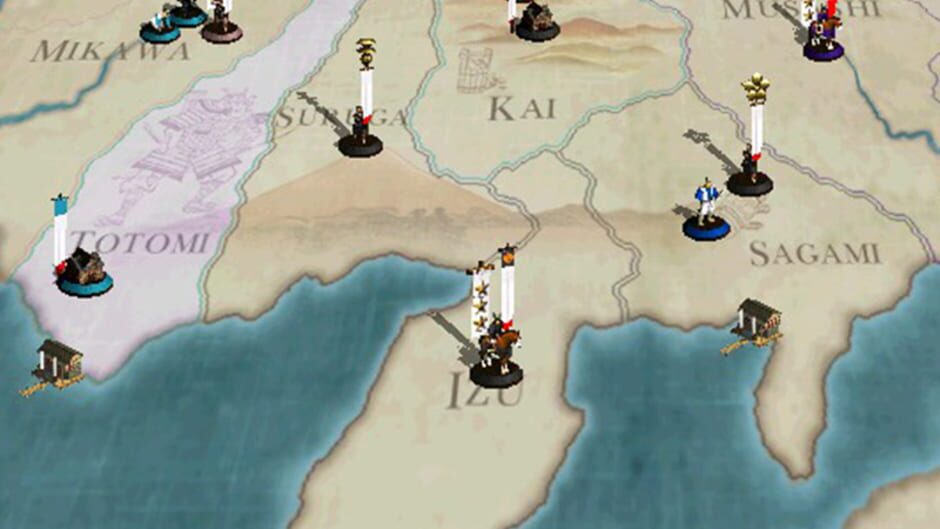
The campaign map, presented as a two-dimensional board, divides Japan into provinces. Armies and agents move between these territories, while players develop farms, mines, ports and fortresses. The economy uses koku, a financial resource generated primarily through harvests and provincial activities. Each turn represents one season, requiring players to plan spending and recruitment over several turns. Castles provide access to military buildings, particularly dōjō, which are needed to train different types of soldiers. Upgrading these structures gradually unlocks new troops and capabilities.
Diplomacy and espionage complement military conquest. Emissaries can negotiate alliances, propose ceasefires or attempt to bribe opposing forces. Shinobi gather intelligence and help maintain order within provinces, while ninjas and geishas can carry out assassinations. Political stability also depends on territorial loyalty and the continuity of the ruling family. Daimyō and their heirs can command armies; if a bloodline ends without a successor, its clan may collapse. Contact with European merchants also introduces firearms and religious decisions that can change the internal balance of a kingdom.
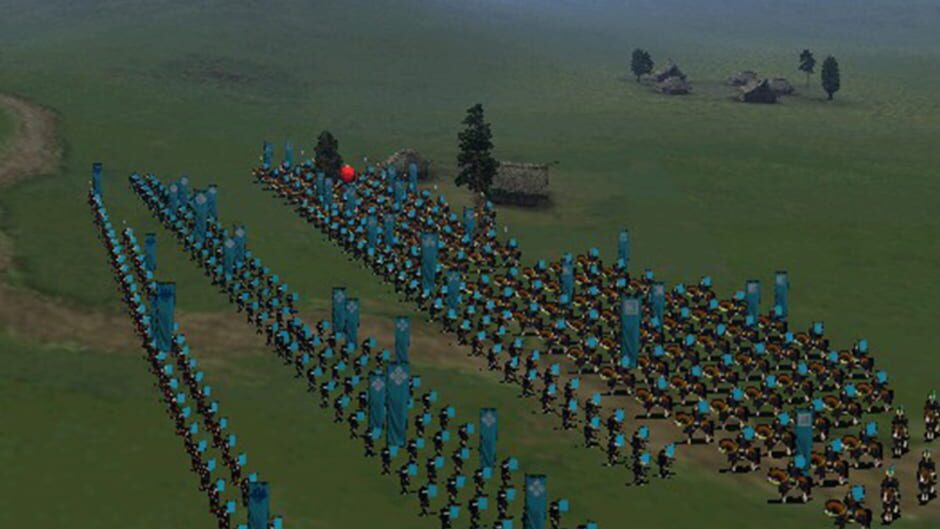
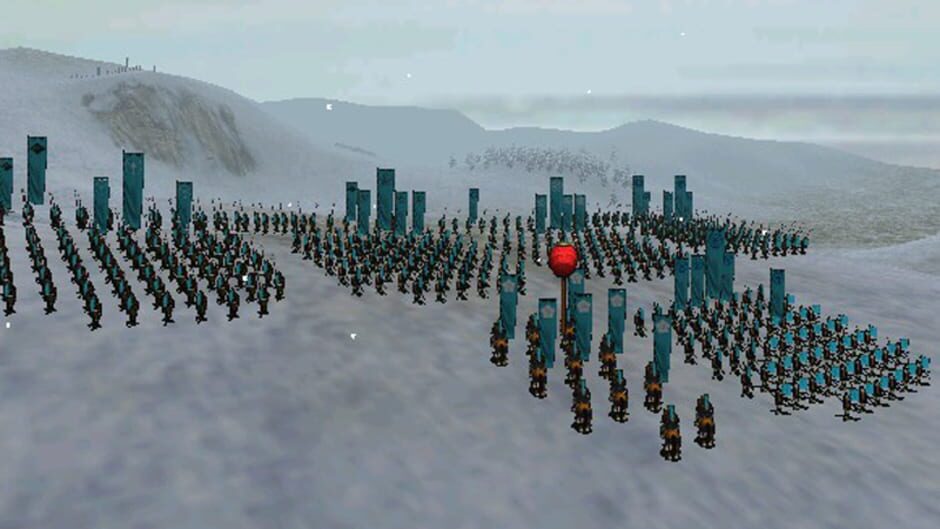
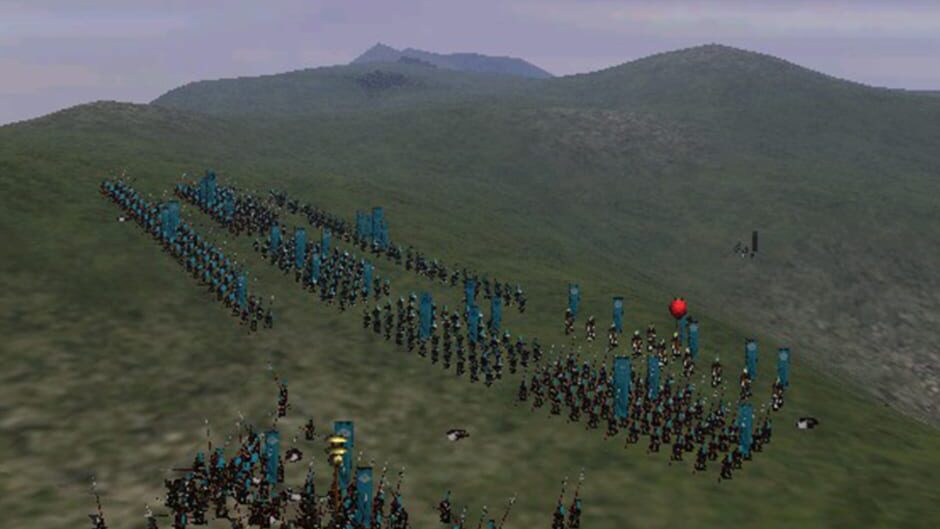
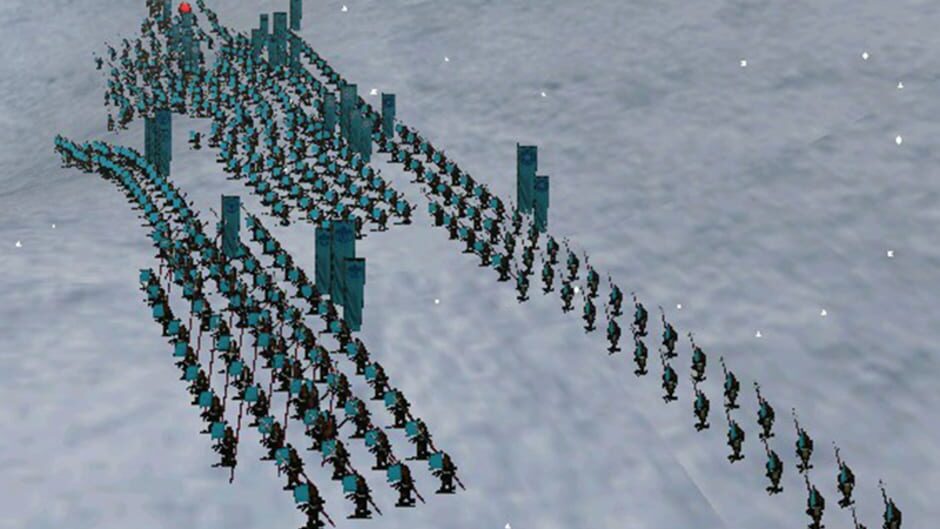
Real-time battles take place across three-dimensional landscapes and feature samurai, ashigaru infantry, archers and cavalry. Formations, morale, fatigue and unit positioning are essential. Holding elevated ground can improve the effectiveness of ranged troops, while forests, rivers and weather conditions influence military maneuvers. The death of a general or heavy casualties can cause soldiers to rout. Commanders also gain honour through military victories. Castle sieges are part of the campaign, but their resolution depends largely on encirclement and the gradual exhaustion of defenders rather than the more elaborate assault systems introduced in later installments.
The game also includes historical and custom battles, alongside multiplayer engagements. In 2001, the Mongol Invasion expansion introduced an alternative campaign focusing on the Mongol invasion of Japan, together with new units and an additional faction. This expansion was subsequently included in the Warlord, Gold and Collection editions but was not part of the original 2000 release.
Key Highlights
- The first Total War: the combination of turn-based strategy and real-time battles establishes the series' defining formula.
- Seven Japanese clans: each faction possesses geographical and strategic advantages in its struggle for the shogunate.
- Province-based strategy: economics, construction, recruitment and army movements determine territorial expansion.
- Specialized agents: emissaries, shinobi, ninjas and geishas can negotiate, gather intelligence or eliminate opponents.
- Terrain-driven warfare: formations, elevation, weather, morale and fatigue directly influence army performance.
- Dynastic and religious mechanics: heirs, loyalty, European trade and the introduction of firearms affect campaign development.
Conclusion
Total War: Shogun establishes the foundations of the series by connecting territorial administration with decisions made directly on the battlefield. Its province-based campaign, diplomatic mechanics and emphasis on unit morale define a formula that subsequent installments would expand. The setting of Sengoku Japan combines clan rivalry with a strategic system built around economics, military command and political power.
Did You Know?
- The original game features seven playable clans: Shimazu, Mōri, Oda, Imagawa, Takeda, Hōjō and Uesugi.
- The campaign begins in 1542. Each turn represents one season, and harvests are an essential source of koku.
- Unlike Shogun 2, the strategic map is two-dimensional and divided into provinces, while battles take place in real time across three-dimensional terrain.
- A general's honour increases or decreases according to military performance. Repeated defeats can lead a commander to commit seppuku.
- Portuguese traders introduce arquebuses and may require conversion to Christianity in exchange for access to firearms. The Dutch later offer firearms without this religious requirement.
- The game draws on Sun Tzu's The Art of War, whose teachings appear in strategic advice and influenced the design of its artificial intelligence.
- Sieges are primarily handled on the strategic map: surrounded garrisons gradually lose supplies and troops.
- The Mongol Invasion expansion, released in 2001, allows players to command either the Mongol invaders or the Japanese defenders. The Steam Collection includes both the base game and this expansion.
Link graph
Open in the full graphLoading the graph…
Only the strongest links are shown.