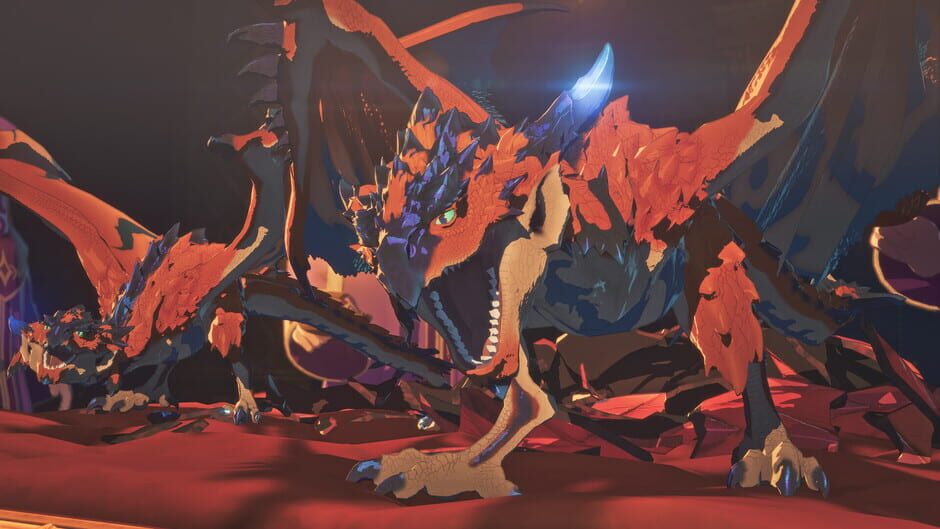
Twin Rathalos hatch from a single egg, as though fate itself had chosen to alter the course of history. Two centuries after a conflict divided neighboring kingdoms, tensions rise once again and the drums of war begin to sound. Long believed to be extinct, the twin Rathalos carry an ominous warning of destruction. As the threat of another war grows, one question remains: is there still hope beyond the northern border?

Details
- Type
- Video game
- Release
- March 13, 2026
- Countries
- 🇯🇵 Japan
- Genres
- Action, Adventure, Fantasy, RPG
- Platforms
- PlayStation 5, Xbox Series, PC, Nintendo Switch 2
- Engine
- RE Engine
- Game modes
- Single player
Synopsis
Monster Hunter Stories 3: Twisted Reflection
Trailer
Watch the trailer
Overview
Presentation
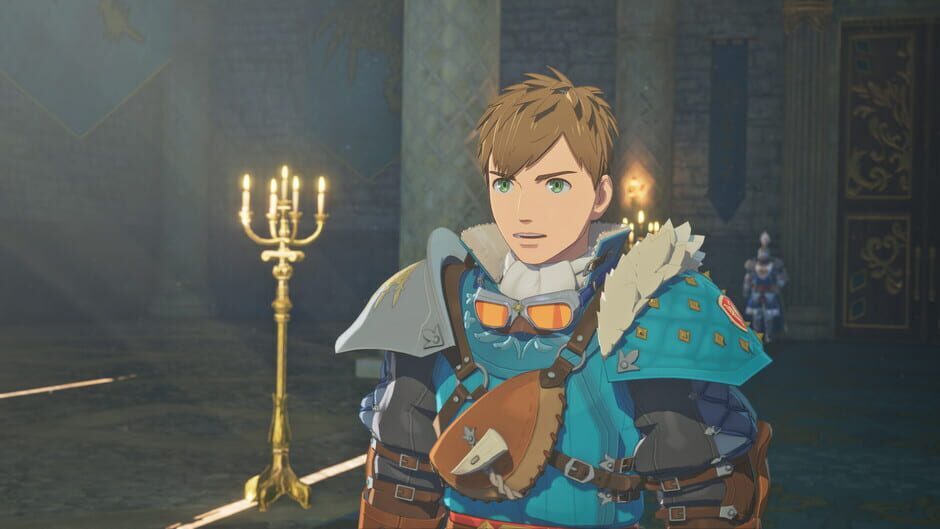
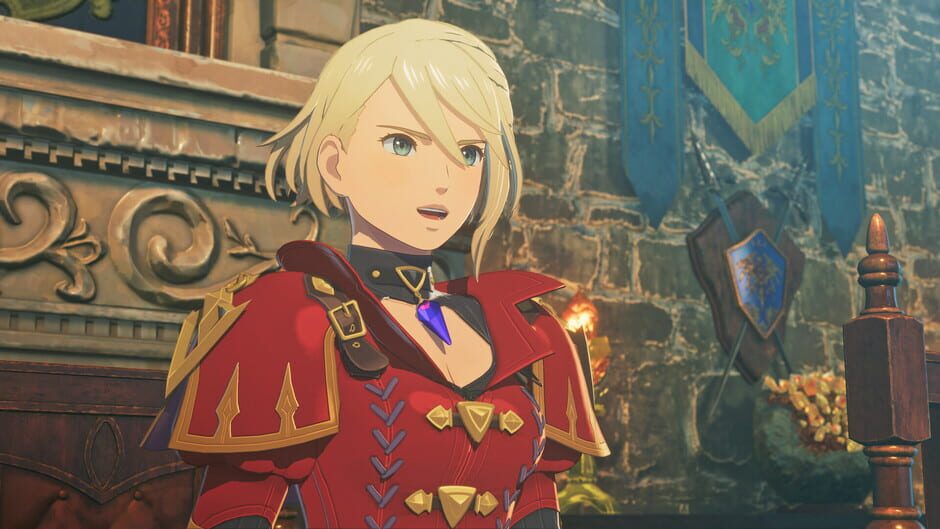
Developed and published by Capcom, Monster Hunter Stories 3: Twisted Reflection is a role-playing game released on March 13, 2026. The third installment in the Stories branch of the Monster Hunter franchise, it emphasizes turn-based combat and the bonds between humans and monsters rather than the real-time encounters characteristic of the main series. The adventure unfolds in a fantasy world marked by tensions between the kingdoms of Azuria and Vermeil, alongside an ecological imbalance threatening numerous species. Players take the role of a Rider, capable of forming bonds with creatures known as Monsties, which they raise and accompany on expeditions.
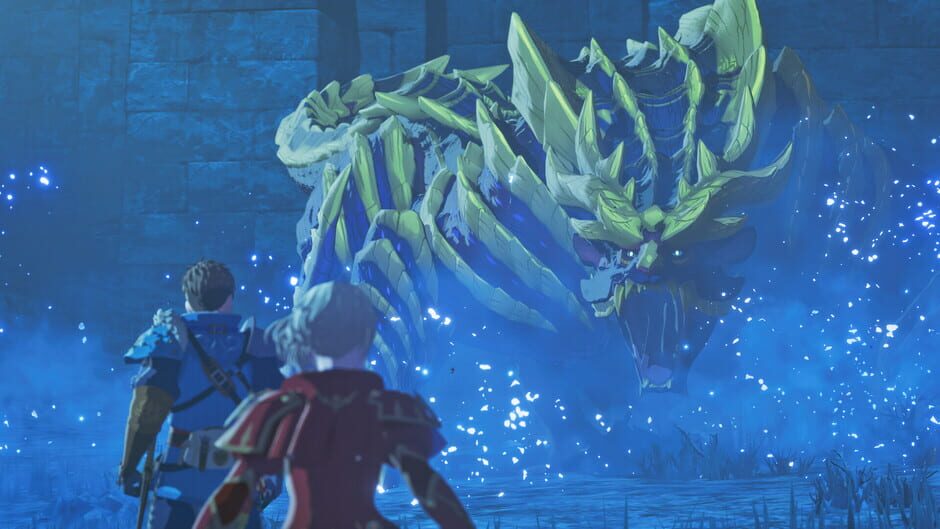
Combat retains the familiar three attack categories — Power, Speed and Technical — which operate through a system of strengths and weaknesses. Players must anticipate monster behavior, choose appropriate actions and exploit elemental vulnerabilities. Six weapon categories are available, including the Great Sword, Long Sword, Hammer, Hunting Horn, Bow and Gunlance. Each weapon possesses particular properties, especially when targeting specific parts of a creature's body. Battles also feature coordinated attacks, special Kinship abilities between Riders and Monsties, and the Synchro Rush system, which allows multiple combatants to join forces.
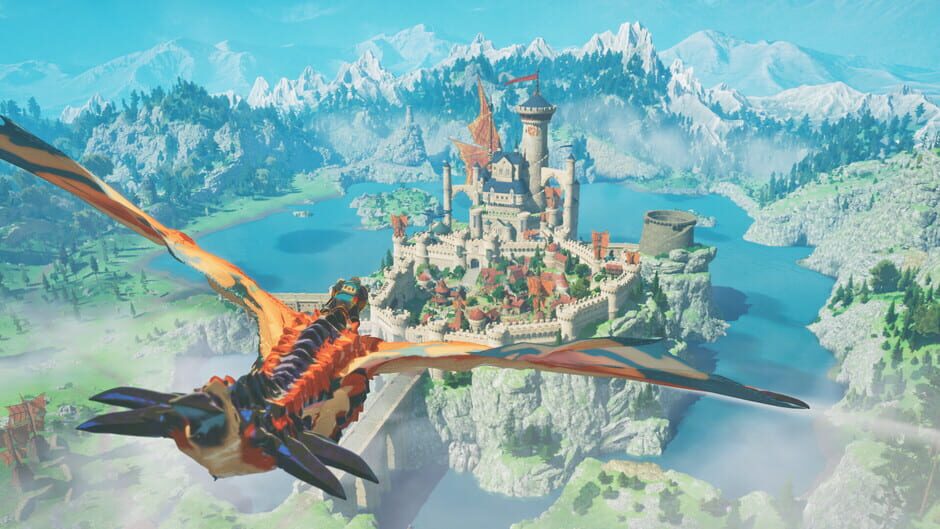
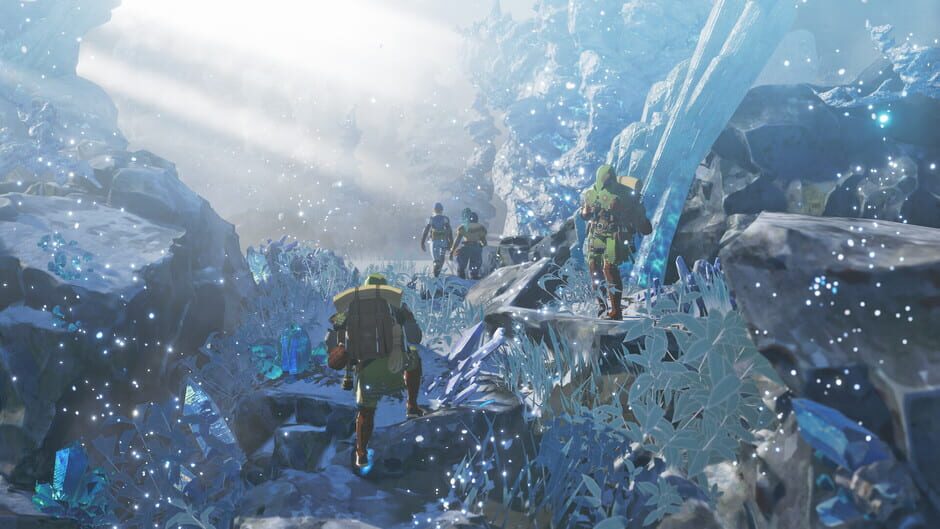
Exploration takes place across expansive three-dimensional environments, where Monsties also serve as mounts. Depending on their abilities, they can overcome obstacles, climb certain surfaces, glide or fly to reach distant locations. Searching for eggs in monster dens is an essential activity: newly hatched creatures can join the team and develop their own skills. The gene-transfer system, known as the Rite of Channeling, allows players to modify Monstie abilities and create different strategies. Materials collected from battles can also be used to craft and upgrade the Rider's weapons and armor.
One of the major innovations is Habitat Restoration, which connects monster collecting with ecosystem preservation. Rangers must protect endangered species, recover their eggs and reintroduce creatures into regions where their populations have declined. These interventions influence the Ecosystem Rank of each area and the characteristics of monsters appearing there. Under certain conditions, Monsties can even develop a second elemental attribute and display visual changes. This mechanic directly connects player actions with the evolution of local wildlife. Artistically, the game retains a colorful fantasy aesthetic, featuring stylized characters and detailed creatures, while using the RE Engine to depict landscapes and combat animations.
Key Highlights
- Turn-based RPG combat: encounters revolve around predicting attacks, exploiting elemental affinities and coordinating Riders with their Monsties.
- Monsters to raise and customize: collected eggs provide new Monsties, whose abilities can be modified through the gene system.
- Mount-based exploration: climbing, flying, gliding and other traversal abilities allow players to discover different environments.
- Ecosystem restoration: reintroducing species into the wild changes local monster populations and the possibilities for obtaining new companions.
- An expanded battle system: six weapon categories, coordinated attacks and special abilities provide additional tactical options.
- A world built around human-monster relationships: political conflicts, species preservation and bonds with creatures shape the identity of this installment.
Conclusion
Monster Hunter Stories 3: Twisted Reflection continues the transformation of the Monster Hunter universe into a narrative-driven RPG centered on the relationships between Riders and their companions. Strategic battles, Monstie raising and three-dimensional exploration build upon the foundations of the Stories series. The introduction of Habitat Restoration adds an ecological dimension to monster development, linking team building directly to changes in the natural world.
Did You Know?
- Unlike the main Monster Hunter games, battles take place through turn-based commands rather than direct real-time action.
- Players can customize their Rider's appearance, including choosing a male or female protagonist.
- Habitat Restoration increases a region's Ecosystem Rank and can provide Monstie eggs with distinctive genes.
- Dual-element monsters can acquire additional abilities and appearances influenced by their environment.
- The Synchro Rush system allows characters to perform coordinated attacks when certain battle conditions are met.
- The game is an exclusively single-player adventure, with computer-controlled companions participating in battles.
Link graph
Open in the full graphLoading the graph…
Only the strongest links are shown.