Presentación
Batman: Arkham City retoma los grandes fundamentos de Arkham Asylum y los despliega en un entorno mucho más abierto. Arkham City no es toda Gotham: es un vasto distrito clausurado, rodeado de muros y abandonado a los criminales encerrados en su interior. Ese límite conserva cierta densidad y, al mismo tiempo, concede a Batman una libertad de movimiento mucho mayor.
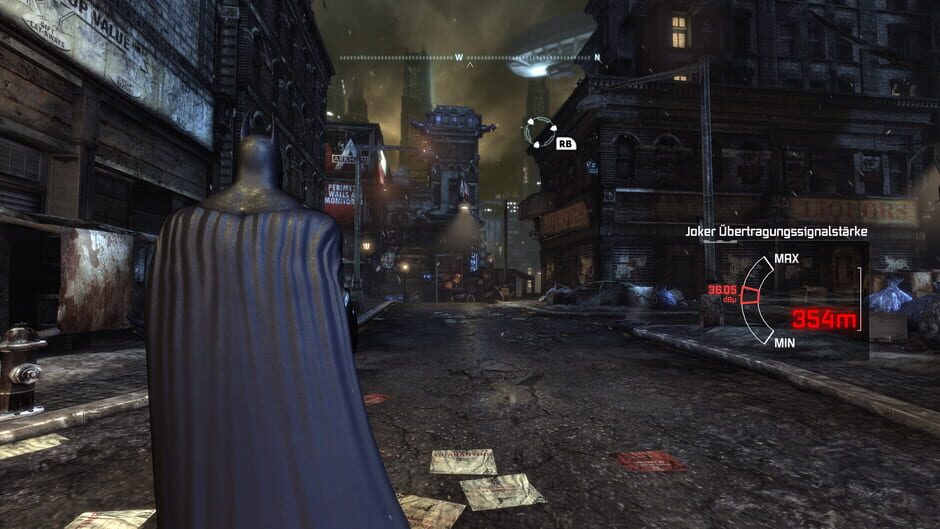
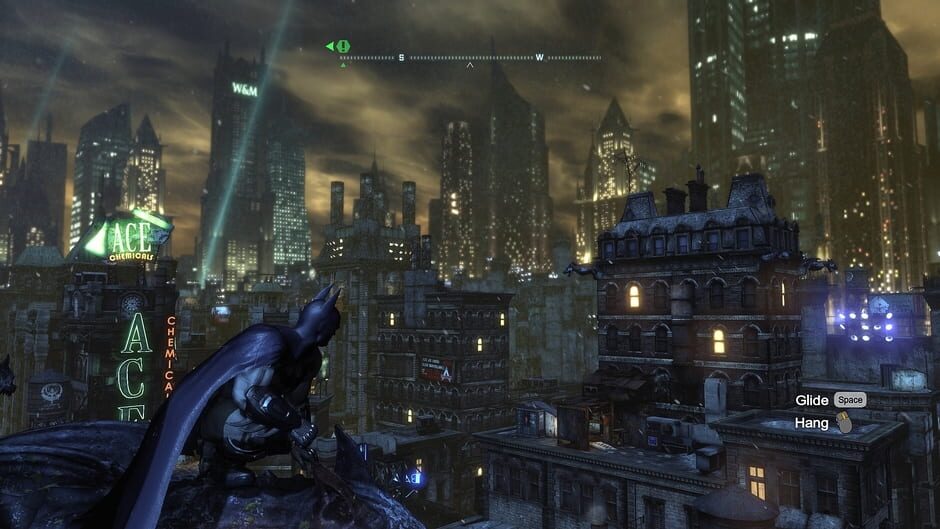
Calles, azoteas, chimeneas, grúas y edificios forman un espacio marcadamente vertical. El gancho permite ganar altura con rapidez, mientras que la capa de Batman convierte las caídas en largos planeos. Combinando picados, recuperaciones de altitud y acelerones, el jugador puede atravesar grandes zonas de la prisión sin tocar el suelo. Esta movilidad hace los desplazamientos mucho más libres y permite interrumpir con naturalidad la misión principal cuando una llamada de auxilio, una actividad secundaria o un suceso llama la atención.
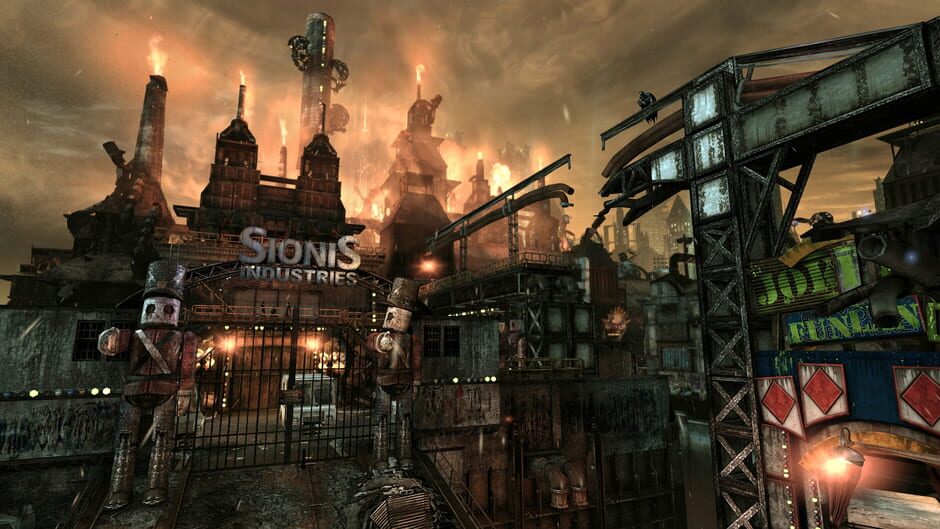
El territorio refleja además el poder fragmentado que reina en Arkham City. El Joker controla la zona de la fábrica de acero Sionis, el Pingüino se ha instalado en el museo y Dos Caras lleva a cabo sus propias operaciones, mientras las fuerzas TYGER de Hugo Strange vigilan la prisión desde posiciones más organizadas. El mundo abierto no se limita, por tanto, a ampliar el mapa: presenta una prisión dividida entre facciones que intentan imponer su autoridad.
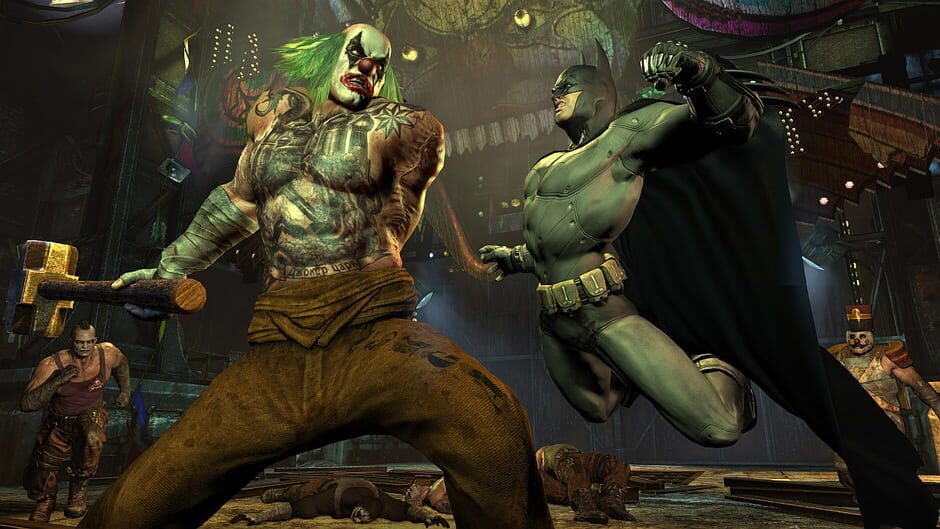
El combate FreeFlow gana variedad sin renunciar a la fluidez del primer juego. Batman golpea, contraataca, esquiva y pasa rápidamente de un adversario a otro, pero los grupos de enemigos exigen respuestas más variadas. Escudos, armas de fuego y equipamiento especializado obligan a mantener la atención y a cambiar de prioridades constantemente. Los gadgets también ocupan un lugar más importante en los combos: batarangs, la garra, las descargas eléctricas y el Gel Explosivo sirven para interrumpir ataques, controlar a los enemigos o abrir huecos.
Las secuencias de depredador evolucionan en la misma dirección. Gárgolas, conductos de ventilación y posiciones elevadas siguen siendo esenciales, pero los enemigos responden mejor a los métodos de Batman. Algunos vigilan las alturas con más atención o llevan equipamiento que interfiere con el Modo Detective. Los derribos silenciosos siguen afectando a los supervivientes, cada vez más nerviosos y prudentes a medida que su número disminuye.
La investigación sigue teniendo un papel importante. Batman analiza escenas, sigue pistas y se implica en varios casos secundarios descubiertos al recorrer la ciudad. El mundo abierto permite que esta faceta del personaje se extienda más allá de la historia principal a través de investigaciones y sucesos protagonizados por distintos criminales de Gotham.
Enigma sale especialmente beneficiado del cambio de escala. A sus trofeos se suman más mecanismos, acertijos y desafíos que requieren usar los gadgets, el entorno o una sincronización precisa. Algunas pruebas están además ligadas a rehenes, lo que da a su presencia más continuidad que en Arkham Asylum.
Pese al mundo abierto, los grandes entornos interiores siguen siendo esenciales. El museo, la fábrica de acero, las zonas subterráneas y otros lugares importantes recuperan una progresión más controlada, en la que combate, sigilo, exploración y gadgets se combinan con mayor precisión. Esta alternancia permite a Arkham City conservar parte de la densidad del primer juego sin renunciar a la libertad de sus calles.
Varios enfrentamientos aprovechan también mejor la personalidad de los enemigos de Batman. El combate contra Mr. Freeze es uno de los ejemplos más claros: repetir el mismo método se vuelve poco a poco ineficaz, lo que obliga al jugador a variar su enfoque para seguir sorprendiéndolo. El enfrentamiento aplica directamente los principios de las secuencias de depredador a un duelo más estructurado.
Catwoman ofrece otra forma de vivir Arkham City. Sus desplazamientos, sus técnicas de combate y el uso del látigo se diferencian lo bastante de los de Batman como para cambiar de inmediato las sensaciones de juego. Sus secuencias se cruzan con la historia principal sin perder sus propias motivaciones, lo que permite ver ciertos acontecimientos desde otra perspectiva.
El mayor número de personajes y de tramas hace que el conjunto resulte más cargado que Arkham Asylum, pero el propio concepto de Arkham City da a esta concentración cierta coherencia. La prisión reúne deliberadamente a buena parte de la población criminal de Gotham en un entorno cerrado donde todos intentan aprovechar el desorden. El mundo abierto funciona así como una prolongación directa de la premisa narrativa del juego, y no como un simple aumento de escala.
Lo esencial
- La secuela directa de Arkham Asylum, ambientada en un vasto distrito de Gotham transformado en una prisión a cielo abierto bajo la autoridad de Hugo Strange.
- Un mundo abierto compacto y muy vertical que se recorre planeando y con el gancho, completado con grandes entornos interiores más estructurados.
- Un combate FreeFlow ampliado, con más tipos de enemigos y una mayor integración de los gadgets en los enfrentamientos.
- Secuencias de depredador más elaboradas, con enemigos capaces de responder a algunos de los métodos de Batman.
- Más peso para las investigaciones y las actividades secundarias, en especial a través de los desafíos ampliados de Enigma.
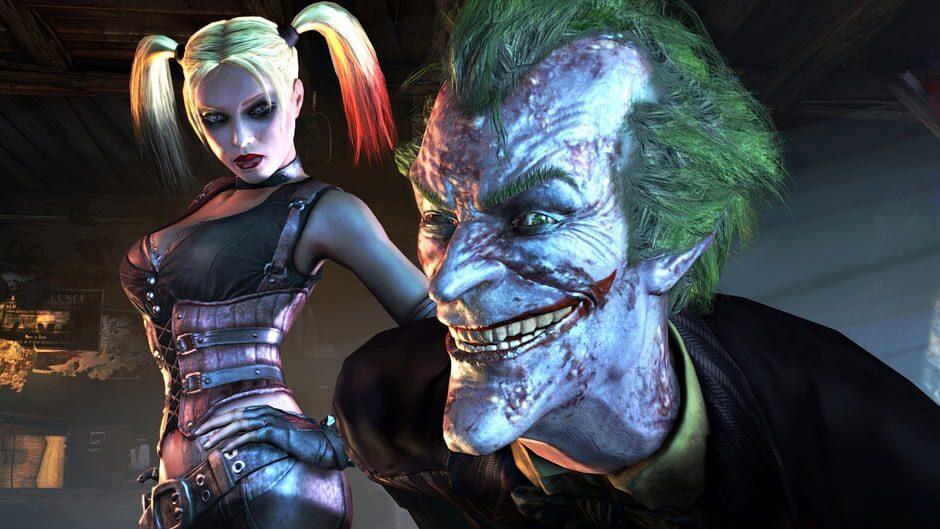
- Una galería de villanos que incluye a Hugo Strange, el Joker, Catwoman, Dos Caras, el Pingüino, Mr. Freeze, Harley Quinn y muchos otros personajes de Gotham.
- Secuencias jugables con Catwoman, con desplazamientos, técnicas de combate y motivaciones propias que ofrecen otra perspectiva sobre Arkham City.
Conclusión
Batman: Arkham City consigue ampliar su escala porque no convierte de golpe la saga en un enorme mundo abierto. La prisión sigue siendo lo bastante compacta para conservar una gran densidad y lo bastante amplia para dar a los desplazamientos una importancia nueva. El planeo y el gancho permiten una gran libertad de movimiento, mientras las calles ofrecen con regularidad motivos para cambiar de rumbo sin romper por completo el ritmo de la aventura.
La evolución funciona también porque los sistemas de Arkham Asylum no se descartan. El FreeFlow gana variedad, las secuencias de depredador exigen más adaptación y las investigaciones aprovechan el mundo abierto para desarrollarse en casos secundarios. Los grandes lugares interiores mantienen una progresión más controlada e impiden que la experiencia pierda la densidad que definía al primer juego.
Esta abundancia tiene sus límites. La concentración de criminales y de tramas puede dar a veces la impresión de que casi todos los villanos de Gotham se han reunido en unos pocos distritos, y la gran cantidad de trofeos y desafíos de Enigma puede lastrar el ritmo para quienes intenten completarlo todo.
Aun así, la escala elegida encaja especialmente bien con el concepto. Arkham City ofrece a Batman un territorio lo bastante grande para explotar plenamente sus desplazamientos y sus distintos métodos, sin perder la idea de un espacio cerrado disputado por varias facciones. El juego amplía la fórmula de su predecesor sin perder lo que lo hacía reconocible, y buena parte de su personalidad nace de este equilibrio entre libertad y densidad.
A saber
- Batman: Arkham City fue desarrollado por Rocksteady Studios y publicado por Warner Bros. Interactive Entertainment.
- El juego original salió en 2011 en PlayStation 3 y Xbox 360, y después en PC.
- Es la secuela directa de Batman: Arkham Asylum y transcurre en una gran parte de Gotham transformada en prisión de alta seguridad.
- Rocksteady describió Arkham City como un entorno abierto unas cinco veces más grande que el de Arkham Asylum.
- Hugo Strange dirige el recinto, mientras varios grandes criminales, entre ellos el Joker, Dos Caras y el Pingüino, controlan distintas partes de la prisión.
- Kevin Conroy vuelve a dar voz a Batman y Mark Hamill al Joker en el reparto original.
- Catwoman cuenta con secuencias jugables con sus propios desplazamientos, técnicas de combate y objetivos.