Presentation
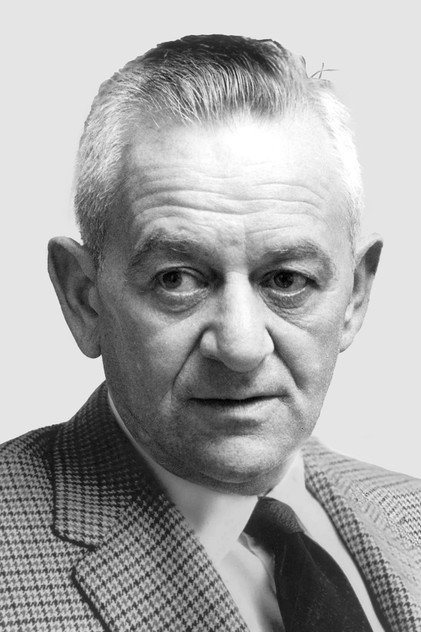
William Wyler, born on July 1, 1902, in Mulhouse, then part of the German Empire, and deceased on July 27, 1981, in Beverly Hills, was an American director and producer of Alsatian origin. A major figure of Hollywood's Golden Age, he became renowned for his storytelling, demanding direction of actors and remarkable versatility across genres.
From intimate dramas to sweeping historical epics, his films explored human relationships, moral conflicts and social transformation. His directing emphasized precise compositions, deep-focus photography and powerful performances. A celebrated perfectionist, Wyler knew how to give individual destinies universal significance.
Career
Arriving in the United States in 1920, Wyler joined Universal Studios through Carl Laemmle, a relative of his mother. He began directing in 1925, primarily making silent westerns, before establishing his reputation with dramas such as Jezebel and Wuthering Heights.
In 1942, Mrs. Miniver earned him his first Academy Award for Best Director. During World War II, he contributed to the war effort by making military documentaries, notably The Memphis Belle. Returning to Hollywood, he directed The Best Years of Our Lives, exploring the challenges faced by returning veterans, followed by Roman Holiday, which helped establish Audrey Hepburn as a star.
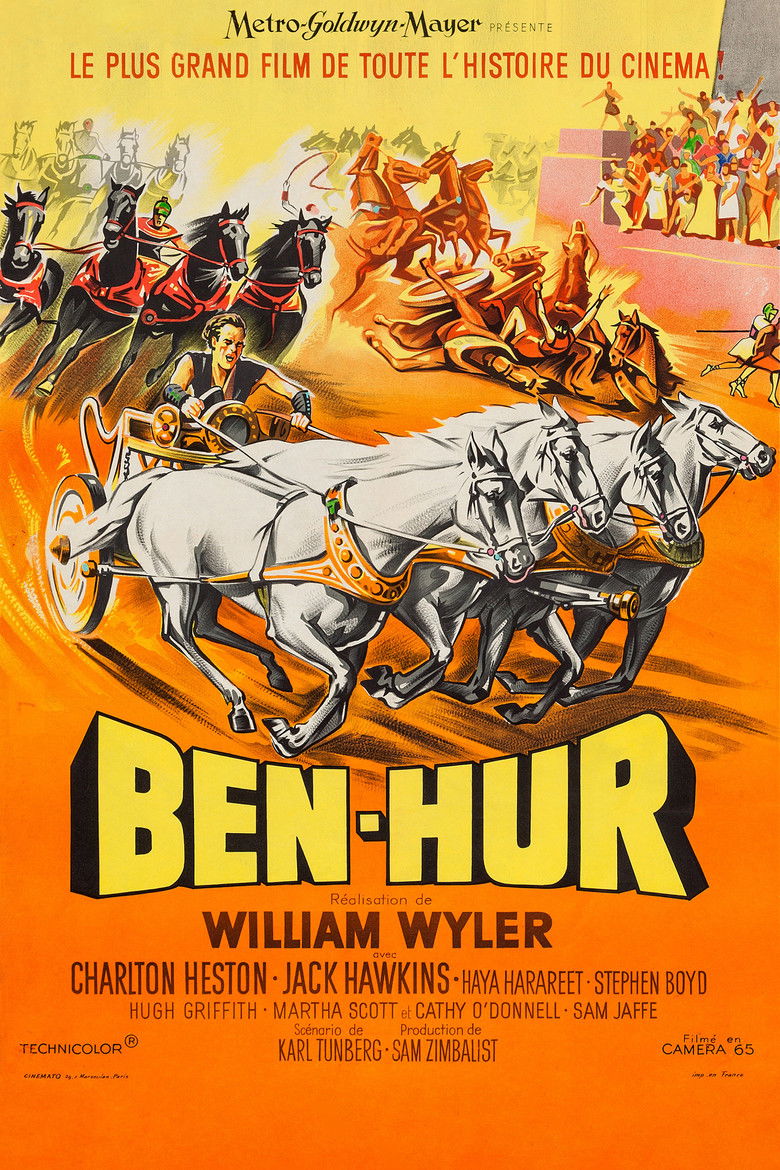
In 1959, he directed Ben-Hur, a monumental historical epic starring Charlton Heston. The film won eleven Academy Awards, including Best Director, setting a historic record. Wyler subsequently continued his career with films including The Children's Hour and Funny Girl, before retiring from filmmaking in 1970.
Did You Know?
- Academy Awards: three Best Director wins, in 1943, 1947 and 1960, and a record twelve nominations in the category.
- Ben-Hur: its eleven Oscars established a record later equaled by Titanic and The Lord of the Rings: The Return of the King.
- Actors: he directed Bette Davis, Audrey Hepburn, Charlton Heston and Barbra Streisand in memorable performances.
- World War II: serving in the United States Army Air Forces, he documented aerial missions and wartime experiences.
- Recognition: he received the AFI Life Achievement Award in 1976 for his outstanding contribution to cinema.