
Presentation
Umberto Eco, born on January 5, 1932, in Alessandria, Piedmont, and deceased on February 19, 2016, in Milan, was an Italian writer, philosopher, semiotician, and university professor. A major figure in contemporary thought, he devoted much of his intellectual work to the study of signs, language, and the processes through which human beings construct and interpret meaning. His approach brought together philosophy, linguistics, history, literature, and media analysis, with an intellectual curiosity extending from medieval manuscripts to advertising, comic books, and television.
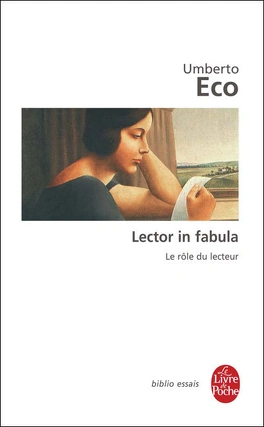
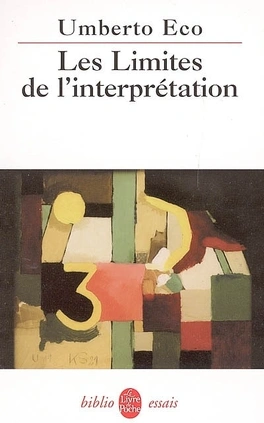
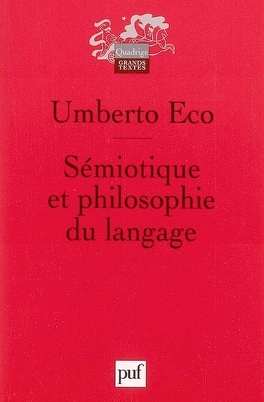
His theoretical writings made an essential contribution to modern semiotics, the discipline concerned with sign systems and processes of signification. In The Role of the Reader and Lector in Fabula, he explores how readers participate in constructing textual meaning, particularly through the concept of the model reader. With The Limits of Interpretation, he challenges the assumption that a literary work can be assigned any meaning regardless of its internal structure. Semiotics and the Philosophy of Language extends this investigation by examining the relationships between signs, concepts, metaphors, and the organization of knowledge.
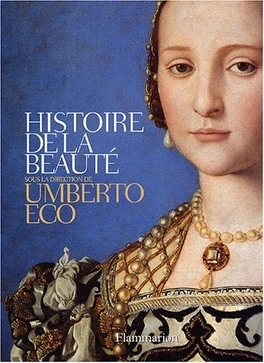
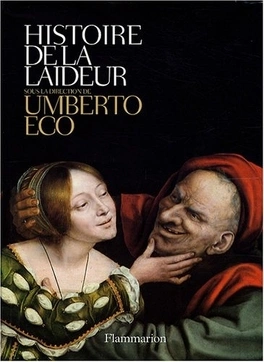
Eco's interest in cultural representation is also evident in On Beauty and On Ugliness, two richly illustrated studies tracing the evolution of aesthetic ideas in Western art and thought. He demonstrates that beauty and ugliness are not fixed categories but concepts shaped by historical circumstances, beliefs, and changing sensibilities. Deeply attached to books and their transmission across generations, he also defended reading and cultural memory in This Is Not the End of the Book, a conversation with Jean-Claude Carrière about the future of books and the enduring importance of knowledge.
Career
Umberto Eco grew up in Alessandria, in a family from Piedmont, and received a classical education before studying philosophy at the University of Turin. In 1954, he graduated with a thesis on the aesthetics of Thomas Aquinas under the supervision of Luigi Pareyson. This early research revealed his lasting interest in medieval thought and the relationships between philosophy, religion, and artistic creation. He subsequently worked for the Italian public broadcaster RAI, observing the transformation of mass culture and emerging forms of communication. He also collaborated with the publishing house Bompiani and developed a regular career as a cultural critic and journalist.
During the 1960s and 1970s, Eco established himself as an influential theorist of contemporary culture. He participated in debates surrounding artistic avant-garde movements, particularly those associated with Gruppo 63, and published studies examining the relationships between works, audiences, and interpretation. In 1975, he became Professor of Semiotics at the University of Bologna, where he played an important role in developing communication studies. His teaching and research connected disciplines that had often been studied separately, from the philosophy of language to the analysis of mass media.
In 1980, he achieved international literary success with The Name of the Rose, a historical mystery set in a medieval abbey, where a criminal investigation unfolds against the background of fourteenth-century intellectual and religious conflicts. Its success, followed by a film adaptation in 1986, opened a new chapter in his career. Eco continued writing novels and essays, teaching, and participating in cultural and political debates. Professor Emeritus at the University of Bologna from 2008, he remained intellectually active until the end of his life. He died in Milan in 2016, leaving a body of work that profoundly influenced literary studies, the philosophy of language, and cultural criticism.
Key Facts
- An active theory of reading: for Umberto Eco, reading is not simply the passive reception of a message. Readers participate in constructing meaning through their knowledge, expectations, and the clues provided by the text. This cooperation lies at the heart of Lector in Fabula.
- Interpretation does not mean inventing anything: in The Limits of Interpretation, Eco distinguishes the richness of possible readings from arbitrary interpretations that disregard a work's characteristics. His approach combines intellectual freedom with analytical rigor and respect for textual evidence.
- An intellectual curiosity without cultural boundaries: Eco studied medieval philosophy and major literary traditions alongside comic books, television, and popular entertainment. He rejected the assumption that mass culture was unworthy of serious intellectual investigation.
- Beauty and ugliness as historical constructions: his works on aesthetics demonstrate how societies change their criteria of judgment across different periods. Representations of the body, the sacred, monstrosity, and harmony become valuable witnesses to cultural history.
- A defender of books and cultural memory: a passionate bibliophile, Eco regarded books as essential instruments for preserving and transmitting knowledge. His reflections on libraries, technology, and changing media emphasized the importance of safeguarding intellectual heritage while exploring new ways to access it.