
Presentation
Stephenie Meyer, born on December 24, 1973, in Hartford, Connecticut, is an American novelist best known for the Twilight series, which became an international literary and cultural phenomenon. Her fiction combines romance, fantasy, and coming-of-age stories, emphasizing emotions, personal dilemmas, and relationships between individuals belonging to different worlds. Her writing focuses on the intensity of romantic feelings and the tensions between desire, danger, and responsibility. She helped revive widespread enthusiasm for vampire fiction by bringing supernatural creatures into settings and situations familiar to teenage readers.
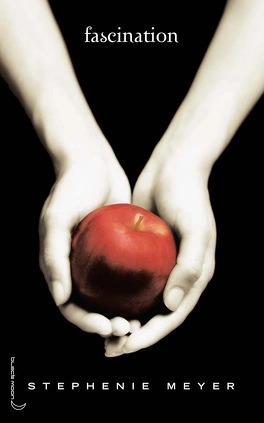
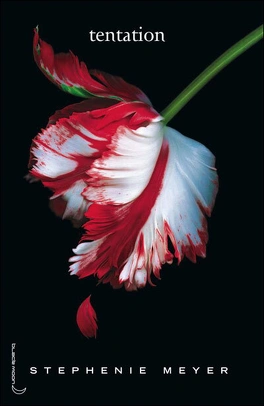
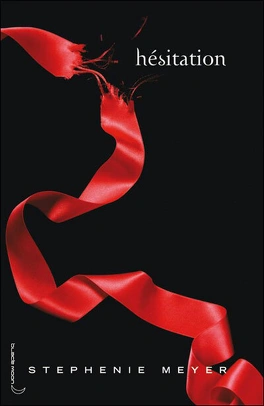
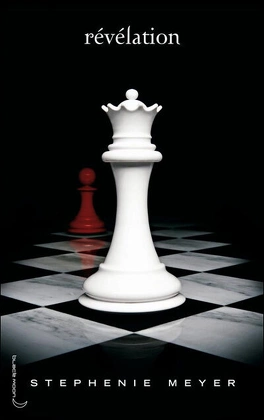
In Twilight, the opening volume of the series, she introduces Bella Swan, a teenager who moves to the rainy town of Forks, Washington. Her encounter with Edward Cullen, a mysterious young man belonging to a vampire family, transforms her existence. New Moon deepens the themes of separation, loneliness, and emotional dependence, while Eclipse confronts the characters with difficult choices and rivalries between supernatural communities. With Breaking Dawn, Meyer expands the story's concerns to include the consequences of love, family relationships, and the laws governing the vampire world.
The series is particularly distinctive in the way it connects supernatural creatures with the romantic and personal concerns of adolescence. Meyer's vampires possess unusual characteristics, including an appearance frozen in time and, in some cases, distinctive supernatural abilities. Their existence raises questions about immortality, controlling one's instincts, and the consequences of irreversible decisions. Following the original series' success, Meyer returned to its world with Midnight Sun, published in 2020, retelling the first novel from Edward's perspective. She also explored other literary genres, notably science fiction with The Host and thrillers with The Chemist.
Career
Born Stephenie Morgan, she grew up in Phoenix, Arizona, as one of six children. An enthusiastic reader from childhood, she developed a particular interest in classic novels and romantic stories. She studied English literature at Brigham Young University in Utah, graduating in 1997. After marrying Christian Meyer, she devoted herself to family life and raising their three sons. At that time, she had not published a novel and had no established professional writing career.
On June 2, 2003, she experienced a dream featuring a human girl and a vampire who loved her but was also attracted to her blood. Fascinated by the situation, she began writing what would become Twilight, completing an initial manuscript within a few months. Encouraged by her sister, she submitted the story to literary agents. Despite several rejections, the manuscript attracted agent Jodi Reamer and eventually found a publisher at Little, Brown and Company. Released in 2005, Twilight quickly became a major commercial success. Its three sequels, New Moon in 2006, Eclipse in 2007, and Breaking Dawn in 2008, established the series as one of the defining publishing phenomena of the decade.
The success soon extended beyond bookstores. In 2008, the first Twilight film, directed by Catherine Hardwicke, launched a five-film franchise completed in 2012, with Kristen Stewart and Robert Pattinson in the leading roles. The novels reached international audiences and contributed to the growing popularity of paranormal romance. Meyer simultaneously diversified her work with The Host, published in 2008 and adapted for cinema in 2013, followed by The Chemist in 2016. She also became involved in film production through Fickle Fish Films. In 2020, the release of Midnight Sun demonstrated readers' continuing attachment to Twilight's fictional world, fifteen years after the original novel appeared.
Key Facts
- A series inspired by a dream: Stephenie Meyer traces the origins of Twilight to a dream on June 2, 2003. The imagined scene, involving a conversation between a human girl and a vampire, became the starting point for a novel she completed within months, despite having no previous publishing experience.
- A new interpretation of the romantic vampire: in Twilight, vampires are not exclusively threatening creatures. Some attempt to control their instincts and coexist with humans, while their immortality becomes both a source of fascination and an obstacle to romantic relationships.
- A literary and cinematic phenomenon: the four principal novels achieved enormous international success and inspired five films between 2008 and 2012. The series contributed to the rise of paranormal romance and exerted a lasting influence on young adult publishing.
- Fiction that also inspires debate: the relationships between Bella, Edward, and Jacob generated extensive discussions about love, personal autonomy, power dynamics, and representations of gender roles. These critical readings accompany the series' popularity and contribute to its broader cultural significance.
- A literary career beyond Twilight: with The Host, Meyer explores identity and emotional attachment within a science fiction setting, while The Chemist moves toward suspense and espionage. Both works reflect her continuing interest in characters facing extraordinary circumstances and difficult emotional choices.