Presentation
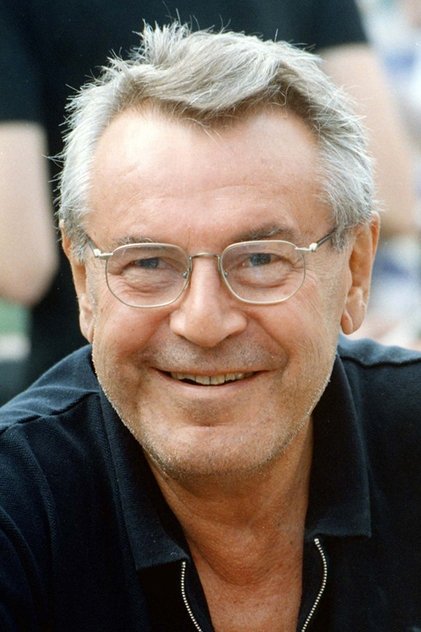
Miloš Forman, born on February 18, 1932, in Čáslav, Czechoslovakia, and deceased on April 13, 2018, was a Czech-American director and screenwriter. A prominent figure of the Czechoslovak New Wave before becoming a major Hollywood filmmaker, he developed a body of work devoted to freedom, individualism and conflicts between people and institutions.
His cinema combines humor, social satire and emotion. He was particularly interested in nonconformist characters, artists and individuals confronting authority. Beneath his often accessible storytelling lies a reflection on social norms, oppression and the price of independence.
Career
Marked by World War II, during which his parents were arrested by the Nazis and died in captivity, Forman studied filmmaking in Prague. He contributed to the renewal of Czechoslovak cinema with Loves of a Blonde and The Firemen's Ball, two satires that brought him international recognition.
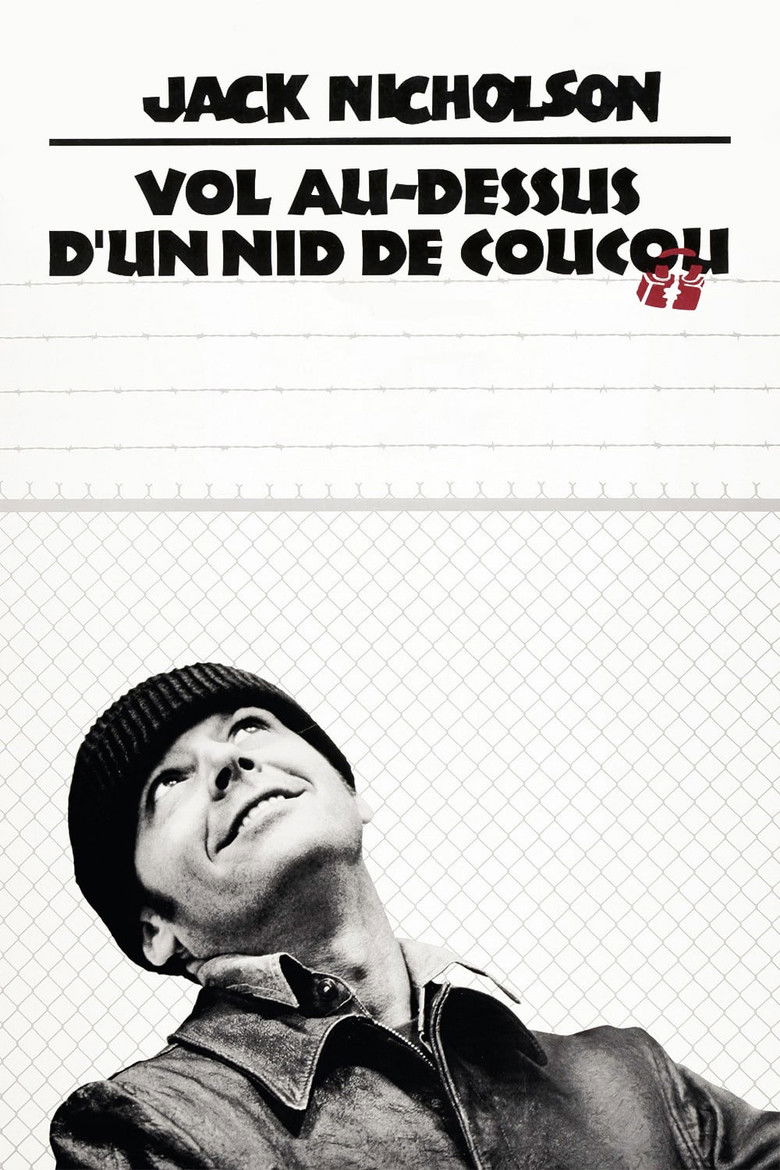
Following the Soviet-led invasion of Czechoslovakia in 1968, he eventually settled permanently in the United States. In 1975, One Flew Over the Cuckoo's Nest, starring Jack Nicholson, triumphed at the Academy Awards and earned him his first Best Director Oscar. He continued exploring individual freedom with Hair, an adaptation of the celebrated musical.
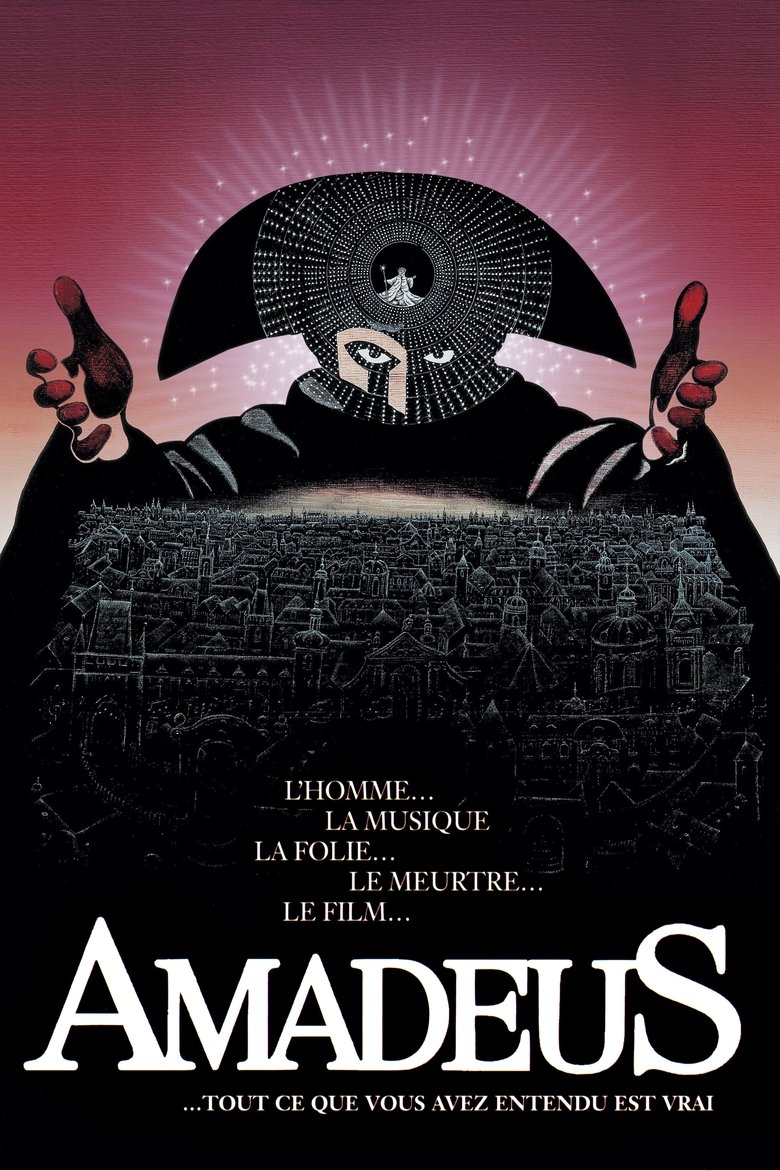
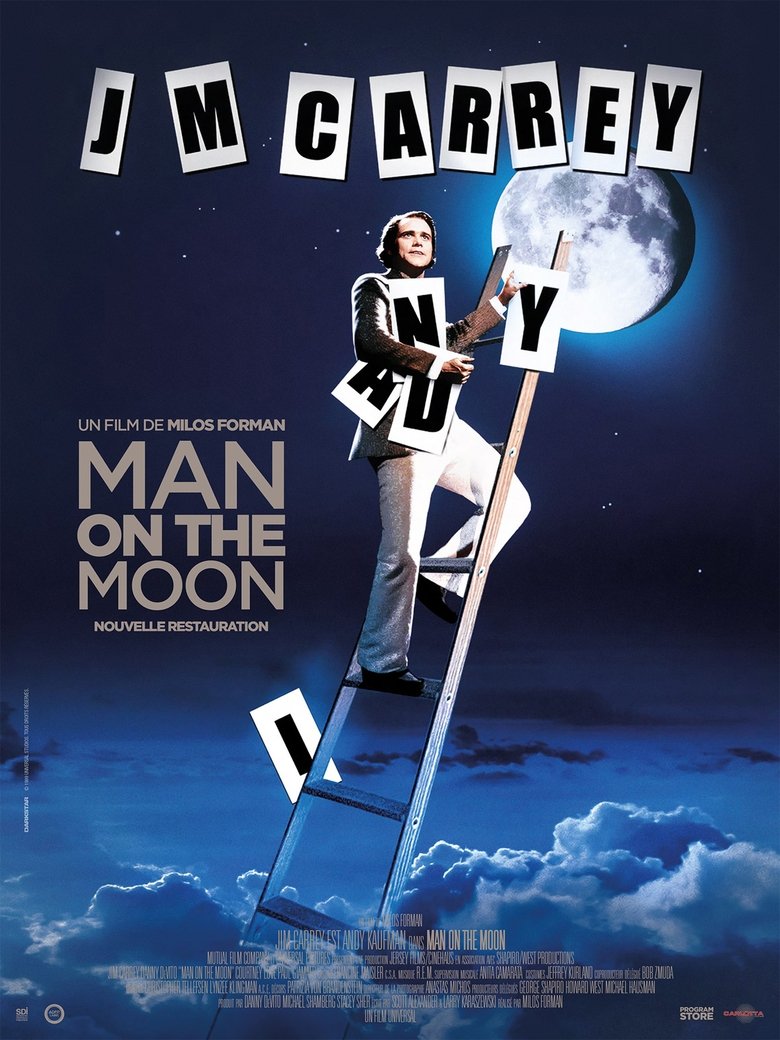
In 1984, Amadeus, based on Peter Shaffer's play, contrasted Mozart's musical genius with Salieri's jealousy. Filmed primarily in Prague, it won eight Academy Awards, including Best Picture and Best Director. Forman subsequently continued exploring artists and controversial personalities, notably in The People vs. Larry Flynt and Man on the Moon.
Did You Know?
- Two Oscars: Best Director for One Flew Over the Cuckoo's Nest in 1976 and Amadeus in 1985.
- New Wave: he belonged to the generation that transformed Czechoslovak cinema during the 1960s.
- Amadeus: filming in Prague marked his professional return to his homeland after many years in exile.
- Music: conductor Neville Marriner supervised the musical performances for Amadeus, with recordings prepared before filming.
- Freedom: from psychiatric institutions to censorship, his work repeatedly challenged institutions that suppress individuality.