
Presentation
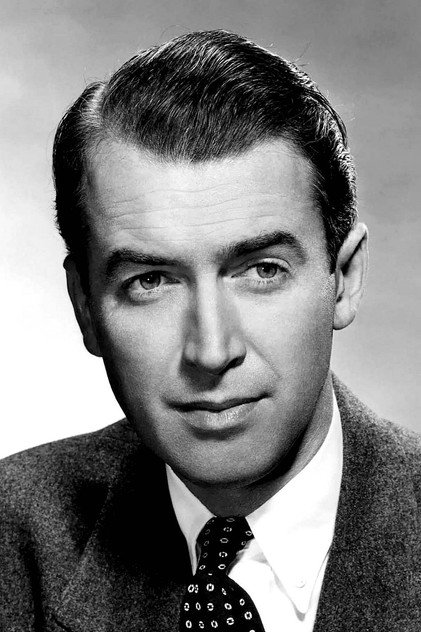
James Stewart, born on May 20, 1908, in Indiana, Pennsylvania, and deceased on July 2, 1997, in Beverly Hills, was an American actor and a major figure of classical Hollywood cinema. Affectionately known as Jimmy Stewart, he was distinguished by his tall, slender figure, hesitant voice and remarkably sincere acting style. Frequently associated with honest, idealistic characters, he was equally capable of portraying troubled, obsessive and morally ambiguous men.
His career spanned romantic comedy, drama, thrillers and westerns. Beneath an apparently straightforward screen presence, Stewart subtly conveyed human contradictions, emotional wounds and conflicts between personal convictions and reality. His collaborations with Frank Capra, Alfred Hitchcock and Anthony Mann demonstrated the full range of his talent.
Career
After graduating from Princeton University with a degree in architecture, James Stewart turned to theater in the early 1930s. He became friends with Henry Fonda and moved into Hollywood filmmaking, achieving a major breakthrough with Frank Capra's Mr. Smith Goes to Washington in 1939. In 1941, he won the Academy Award for Best Actor for The Philadelphia Story, alongside Katharine Hepburn and Cary Grant.
During World War II, Stewart interrupted his film career to serve in American military aviation. He participated in bombing missions over Europe and subsequently continued serving in the reserve. Returning to cinema, he reunited with Frank Capra for It's a Wonderful Life in 1946, with his portrayal of George Bailey becoming one of his most beloved performances.
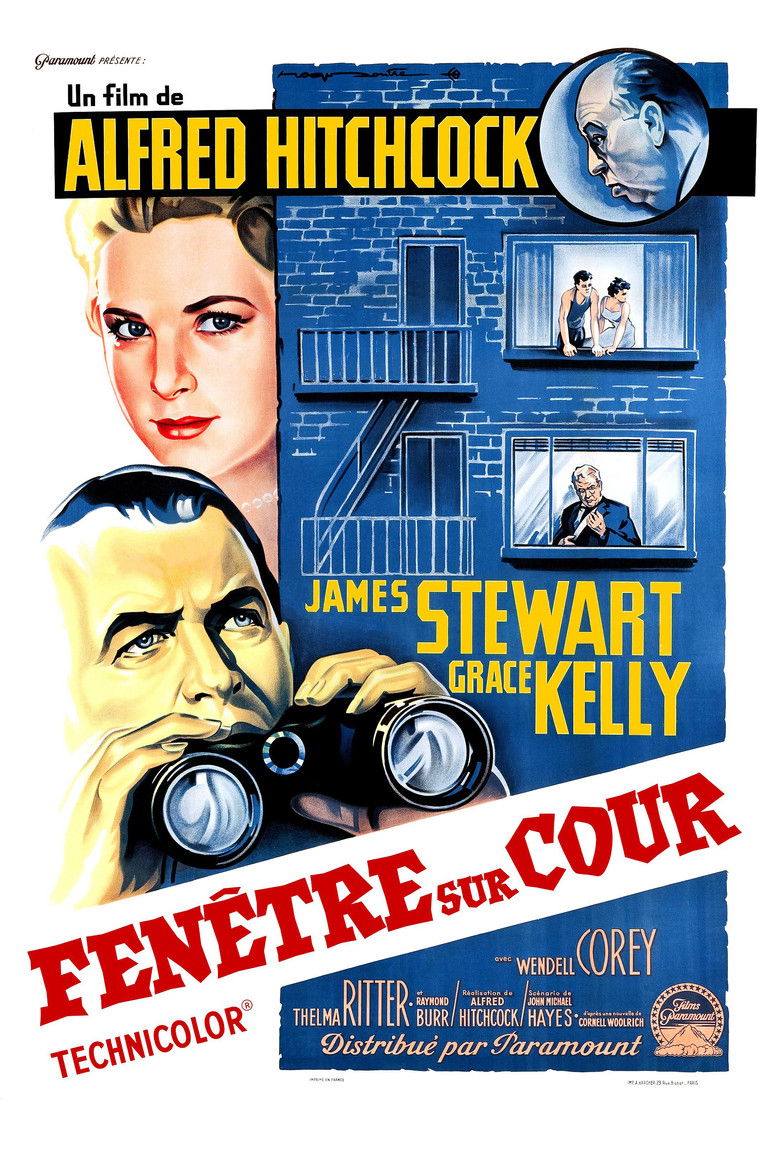
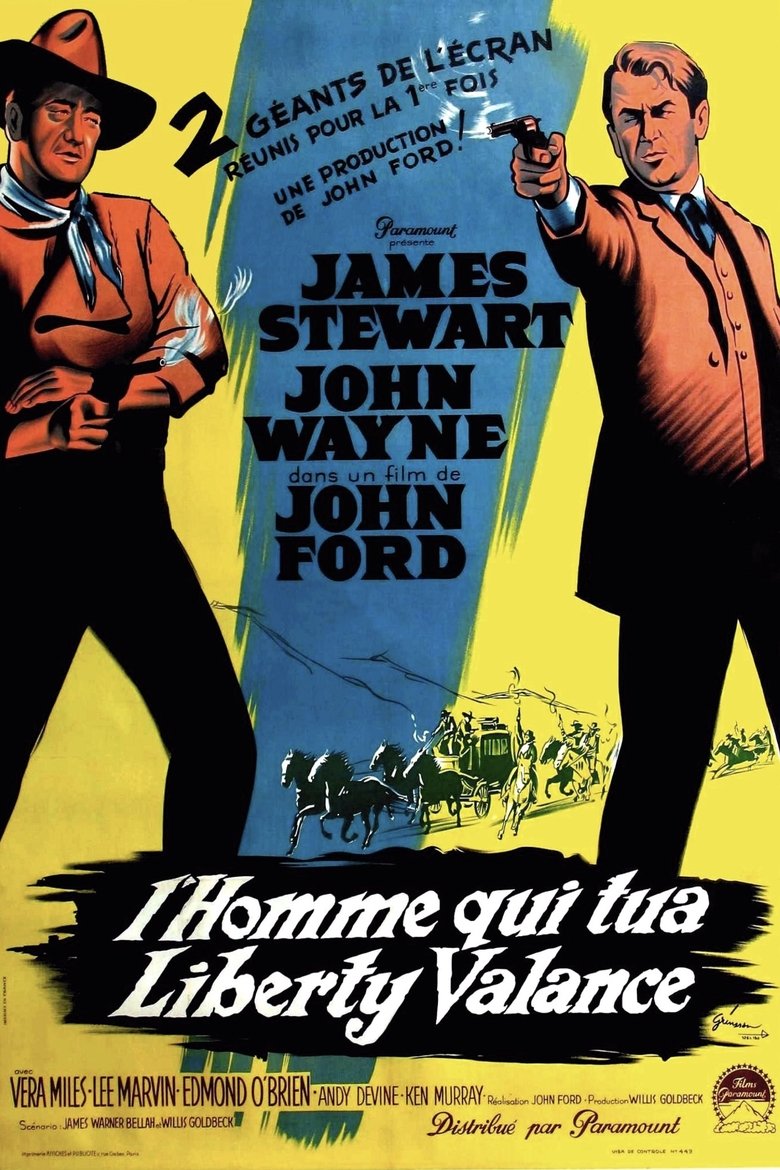
During the 1950s, he expanded his screen persona through darker characters, particularly in Anthony Mann's westerns. He also worked with Alfred Hitchcock on Rear Window and Vertigo, two landmarks of suspense cinema. In 1962, John Ford directed him alongside John Wayne in The Man Who Shot Liberty Valance, in which he portrayed an idealistic lawyer confronting the violence of the American West and the creation of a legend.
Did You Know?
- Academy Awards: Best Actor in 1941 for The Philadelphia Story, followed by an Honorary Academy Award presented in 1985 for his lifetime achievements.
- Aviation: a bomber pilot during World War II, he flew twenty combat missions and reached the rank of brigadier general in the United States Air Force Reserve.
- Alfred Hitchcock: he appeared in four of the director's films, including Rear Window and Vertigo.
- Westerns: his collaboration with Anthony Mann reshaped his screen image through tougher, more vulnerable and troubled characters.
- Recognition: he received the AFI Life Achievement Award in 1980 and the Presidential Medal of Freedom in 1985.