



Presentation
James Dashner, born on November 26, 1972, in Austell, Georgia, is an American writer specializing in science fiction, fantasy, and thrillers primarily aimed at young adults. He achieved international recognition with The Maze Runner, a dystopian series combining suspense, survival, and scientific mysteries. His stories often place teenage protagonists in dangerous environments, confronting secretive institutions and discoveries that threaten everything they believe about their world.
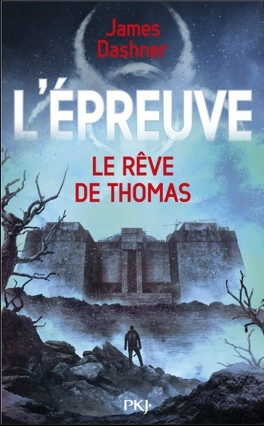
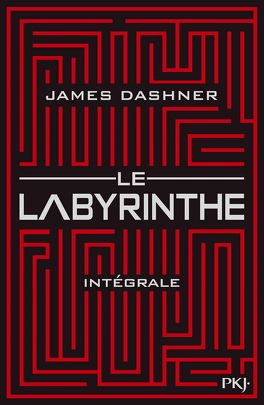
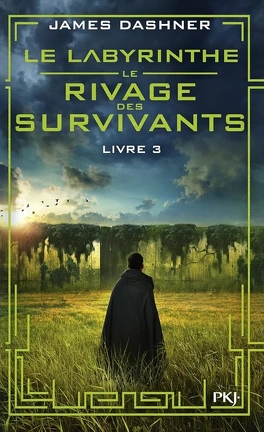
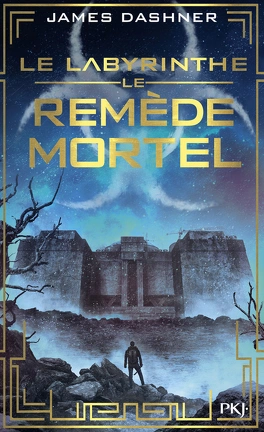
In The Maze Runner, a young boy named Thomas awakens without his memories inside a community trapped within an enclosure surrounded by an enormous maze. This mysterious situation gradually reveals a post-apocalyptic world shaped by a devastating disease and the experiments of a scientific organization. Through The Scorch Trials and The Death Cure, Dashner explores memory, trust, sacrifice, and the moral limits of scientific research when humanity's survival appears to be at stake.
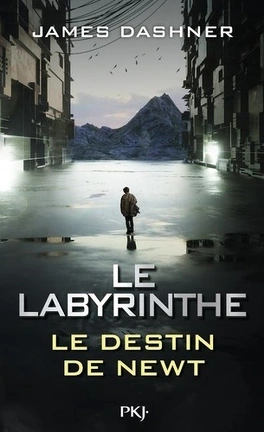
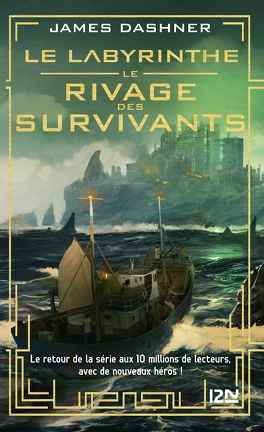
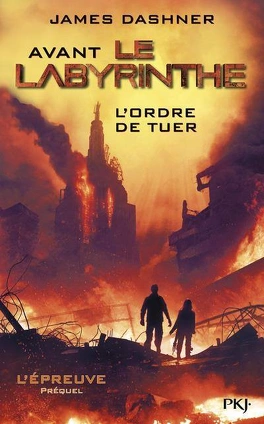
The author subsequently expanded this fictional universe considerably. The prequels The Kill Order and The Fever Code investigate events preceding Thomas's arrival in the maze, while additional stories explore the experiences of significant characters. With The Maze Cutter, Dashner begins a new cycle set several decades after the original trilogy, following the descendants of survivors as they confront the consequences of a past they only partially understand.
Career
James Dashner grew up in Georgia, developing an early enthusiasm for reading and adventure stories. After attending school in Duluth, he studied at Brigham Young University in Utah. He initially worked in finance before devoting himself to writing full-time. His literary career began in 2003 with the fantasy series The Jimmy Fincher Saga, followed by works including The 13th Reality, which allowed him to develop his interest in imaginary worlds and intricate mysteries.
The publication of The Maze Runner in 2009 marked the decisive turning point in his career. The novel attracted a wide readership and launched a trilogy that became part of the growing popularity of young adult dystopian fiction. Its first film adaptation appeared in 2014, followed by two sequels in 2015 and 2018. These adaptations introduced the series to international audiences beyond its original science fiction readership.
Dashner continued exploring science fiction through The Mortality Doctrine, a trilogy examining virtual environments and the boundaries between human consciousness and artificial intelligence. He also returned repeatedly to the Maze Runner universe, publishing supplementary stories before launching The Maze Cutter in 2022, followed by The Godhead Complex and The Infinite Glade in 2025. This continuing narrative reflects his interest in the long-term consequences of catastrophes and the transmission of secrets across generations.
Key Facts
- A maze with symbolic meaning: in his most famous work, the maze is more than an adventurous setting. It represents confinement, manipulation, and the difficulty of distinguishing scientific experimentation from morally acceptable conduct.
- Dystopian fiction driven by human choices: his novels repeatedly question the cost of collective survival, trust in authority, and whether sacrificing individuals can ever be justified by a supposedly greater good.
- Storytelling built around mystery: Dashner favors fast-paced chapters, successive revelations, and shifting perspectives that encourage readers to reconsider earlier events.
- A fictional universe spanning generations: the prequels explore the origins of the catastrophe, additional stories examine individual characters, and The Maze Cutter investigates the legacy inherited by later generations.
- A literary success extended through cinema: the three films adapted from the original trilogy, released between 2014 and 2018, helped establish The Maze Runner as a major young adult dystopian franchise.