Presentation
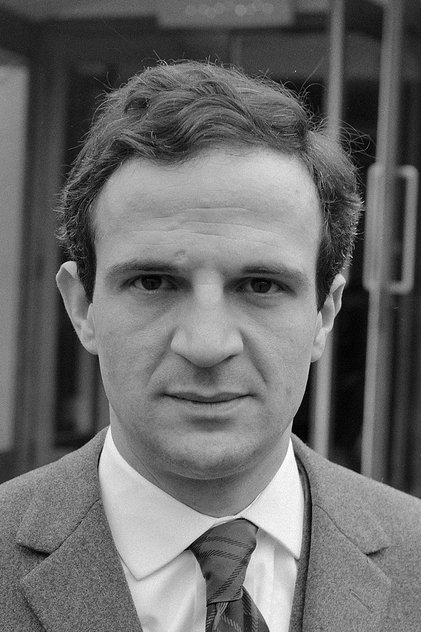
François Truffaut, born on February 6, 1932, in Paris and deceased on October 21, 1984, in Neuilly-sur-Seine, was a French director, screenwriter, critic and actor. A founding figure of the French New Wave, he helped transform French cinema in the late 1950s by emphasizing creative freedom, emotion and personal storytelling.
His work explores childhood, romantic relationships, loneliness and the passage of time. Through often vulnerable or passionate characters, he developed a style that was both spontaneous and deeply literary. His love of books, actors and cinema itself runs throughout his filmmaking.
Career
Marked by a difficult childhood, Truffaut found refuge in movie theaters. Encouraged by critic André Bazin, he joined Cahiers du cinéma, where his articles championed a more independent, director-driven cinema. In 1959, his first feature, The 400 Blows, won the Best Director award at Cannes and became one of the defining films of the French New Wave.
He continued exploring human relationships with Jules and Jim and developed a series around Antoine Doinel, played by Jean-Pierre Léaud, following the character from adolescence into adulthood. With Day for Night, he celebrated the world of filmmaking and won the Academy Award for Best Foreign Language Film.
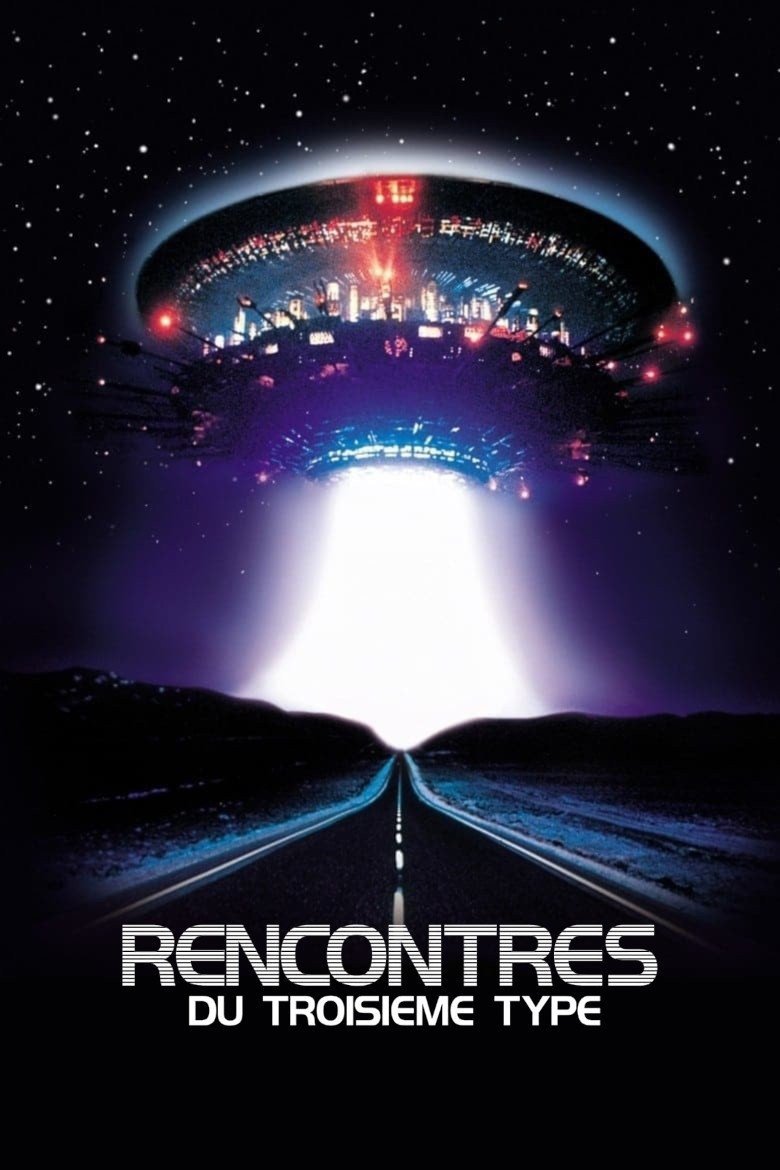
In 1977, Steven Spielberg cast him as scientist Claude Lacombe in Close Encounters of the Third Kind, revealing another side of his talent. Truffaut later directed The Last Metro, a tribute to theater under the German occupation of France, before his untimely death at the age of 52.
Did You Know?
- French New Wave: he helped renew French cinema alongside Jean-Luc Godard, Claude Chabrol and Éric Rohmer.
- Antoine Doinel: portrayed by Jean-Pierre Léaud across five films, the character forms a largely autobiographical chronicle.
- Alfred Hitchcock: his celebrated interviews with the British director became the book Hitchcock/Truffaut, first published in 1966.
- Awards: Best Director at Cannes in 1959, the Academy Award for Best Foreign Language Film for Day for Night, and ten César Awards for The Last Metro.
- Legacy: his criticism, writings and defense of auteur cinema have influenced generations of filmmakers.