Presentation
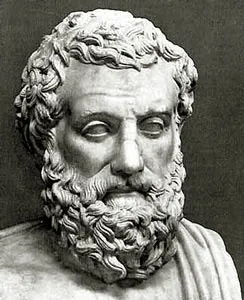
Aeschylus, born around 525 BCE in Eleusis, near Athens, and deceased around 456 BCE in Gela, Sicily, was one of the earliest and greatest playwrights of ancient Greece. Together with Sophocles and Euripides, he forms the celebrated group of Athenian tragedians whose complete plays have survived. His work helped transform Greek theatre into a dramatic art capable of representing conflicts between human will, divine laws, and the demands of civic life. His solemn, highly expressive poetry gave traditional myths a moral and political significance extending far beyond the adventures of legendary heroes.
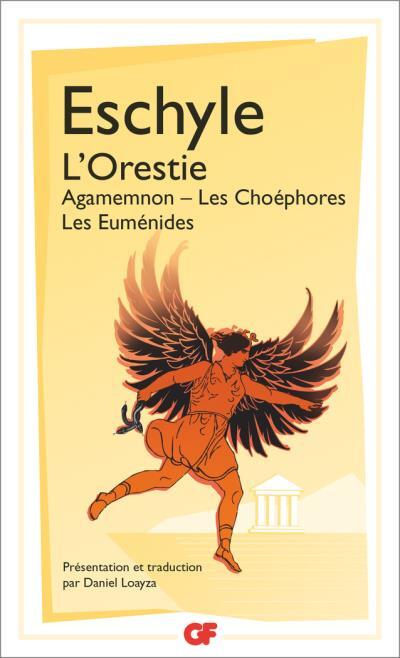
His most celebrated work, the Oresteia, is a trilogy comprising Agamemnon, The Libation Bearers, and The Eumenides, performed in Athens in 458 BCE. It recounts the violence that destroys the House of Atreus, from the murder of Agamemnon to the trial of Orestes, who has avenged his father. Through this succession of crimes and retaliations, Aeschylus examines the transition from justice based on personal revenge to justice administered through collective institutions. The trilogy becomes a profound meditation on guilt, responsibility, and the possibility of breaking cycles of violence.
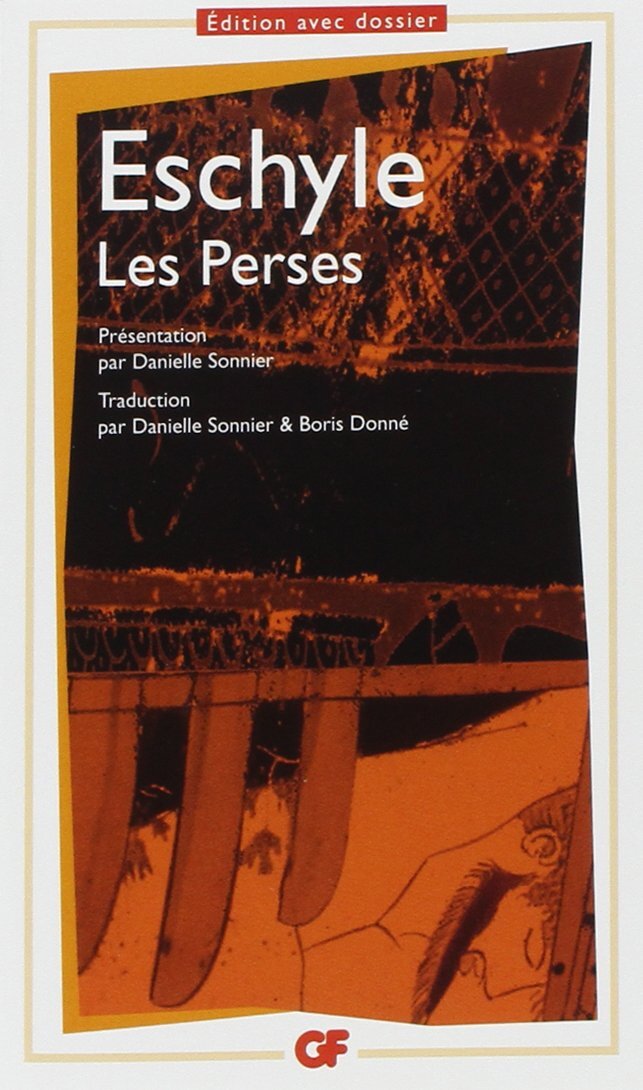
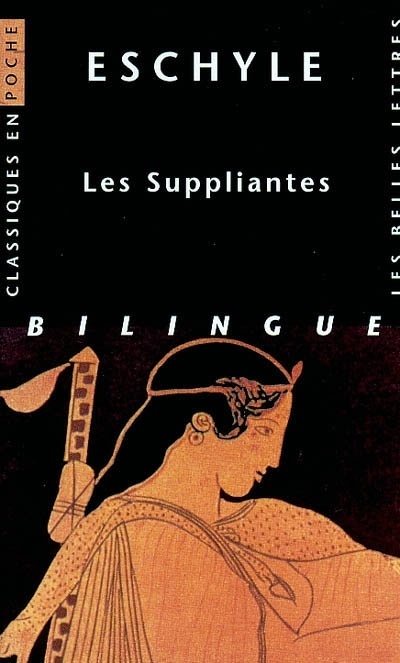
Other surviving tragedies reveal the range of his concerns. The Persians, performed in 472 BCE, portrays the Persian defeat at Salamis from the perspective of the defeated, a remarkable choice for a writer who had personally fought against the Persian invasion. Seven Against Thebes dramatizes the tragic confrontation between Eteocles and Polynices, while The Suppliants examines the reception of foreign women seeking protection, forced marriage, and the responsibilities of a community toward vulnerable outsiders. Throughout these plays, individual destinies are constantly confronted with religious, familial, and political forces.
Career
Aeschylus was born in Eleusis, an Attic town famous for the religious mysteries dedicated to Demeter and Persephone. According to ancient tradition, he came from a prosperous family. He grew up during a period of profound political transformation, marked by changes in Athenian institutions and conflicts between the Greek city-states and the Persian Empire. He fought at the Battle of Marathon in 490 BCE, an experience that became an important part of his reputation. Some ancient traditions also associate him with the naval Battle of Salamis in 480 BCE, although this participation is less securely documented.
His theatrical career began in the late sixth century BCE, through dramatic competitions held in Athens in honor of Dionysus. He achieved his first recorded victory in 484 BCE and subsequently won numerous competitions. According to Aristotle, Aeschylus played a decisive role in the development of tragedy by introducing a second actor and expanding the importance of dialogue, thereby reducing the dominance of the chorus. This innovation made it possible to construct more complex dramatic confrontations and represent direct conflicts between characters.
Over the course of his career, Aeschylus composed dozens of plays and visited Sicily on several occasions, notably as a guest of Hieron, ruler of Syracuse. His Athenian successes included The Persians, Seven Against Thebes, and the Oresteia, which won the dramatic competition in 458 BCE. After this production, he returned to Sicily and died in Gela around 456 BCE. Although ancient sources credit him with approximately seventy to ninety plays, only seven complete tragedies survive, including Prometheus Bound, whose authorship remains disputed. Despite these substantial losses, his surviving work occupies a foundational place in the history of Western theatre.
Key Facts
- A pioneer of dramatic dialogue: Aristotle credits Aeschylus with introducing a second actor to the stage. This development transformed tragedy by allowing direct exchanges and confrontations that no longer depended exclusively on interactions between a single actor and the chorus.
- The only complete surviving tragic trilogy: the Oresteia is an exceptional document of ancient theatre because all three interconnected tragedies have survived. It reveals how a playwright could develop a continuous narrative across several plays while gradually transforming its moral and political significance.
- An examination of the origins of justice: in the Oresteia, a succession of family vendettas eventually leads to judgment by a court. Aeschylus thus represents the symbolic transition from private violence to collective justice, a fundamental concern for an Athens closely attached to its civic institutions.
- A tragedy told from the defeated side: in The Persians, Aeschylus presents the Battle of Salamis from the perspective of the Persian court. This unusual approach enables him to explore suffering, royal arrogance, and the human consequences of war rather than simply celebrating a military victory.
- An enduring theatrical legacy: his plays helped establish the expressive possibilities of Greek tragedy through powerful choral writing, conflicting duties, poetic language, and questions about fate. His achievements influenced Sophocles, Euripides, and generations of European dramatists long after antiquity.