Presentation
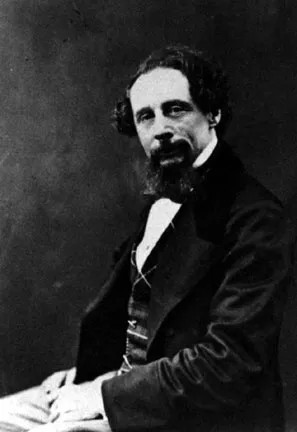
Charles Dickens, born on February 7, 1812, in Portsmouth and deceased on June 9, 1870, in Kent, was a British novelist, journalist, and writer widely regarded as one of the most important literary figures of the nineteenth century. A passionate observer of Victorian society, he created stories in which individual destinies reveal the profound inequalities of industrial Britain. His novels combine social realism, satire, humor, and emotion, paying particular attention to children, the poor, and marginalized communities. His extraordinary imagination and gift for memorable characters profoundly influenced the development of the modern novel.
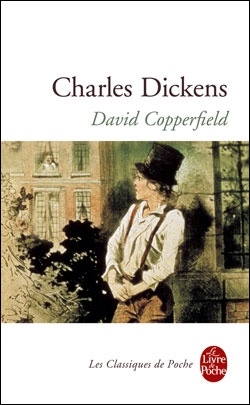
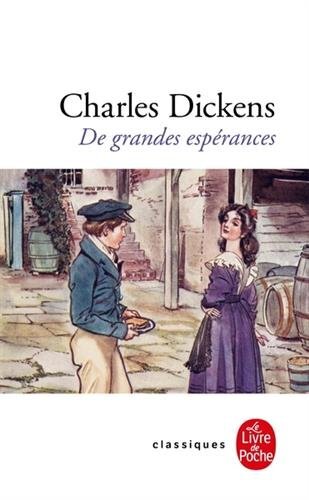
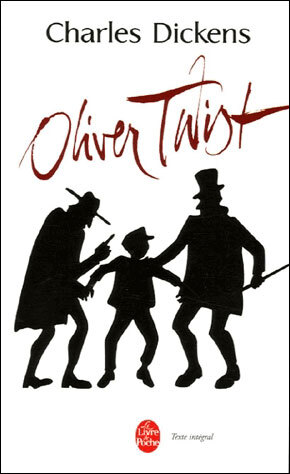
In Oliver Twist, Dickens follows an orphan confronted with institutional cruelty and the dangers of London's impoverished neighborhoods. David Copperfield, a novel containing strong autobiographical elements, traces a young man's development from a difficult childhood into adulthood, exploring family relationships, friendship, and the formation of personal identity. With Great Expectations, he deepens these concerns through the story of Pip, whose social ambitions and disappointments raise questions about wealth, dignity, and individual worth. His protagonists inhabit societies where appearances and established hierarchies frequently conceal profound injustice.
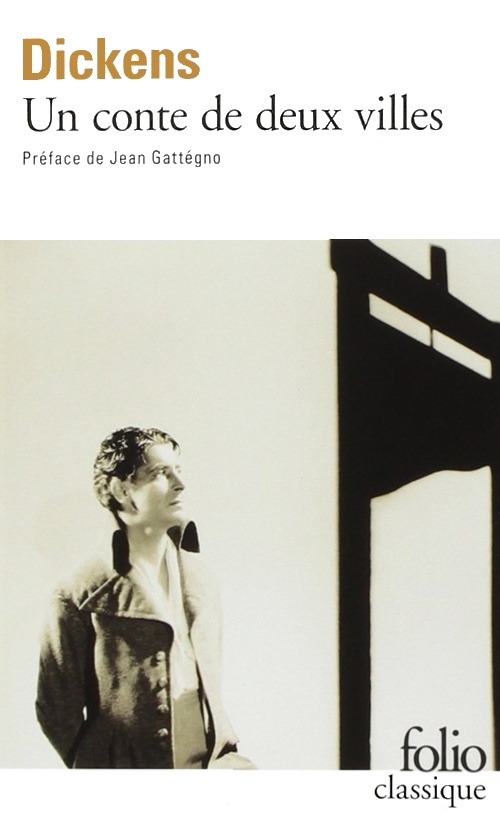
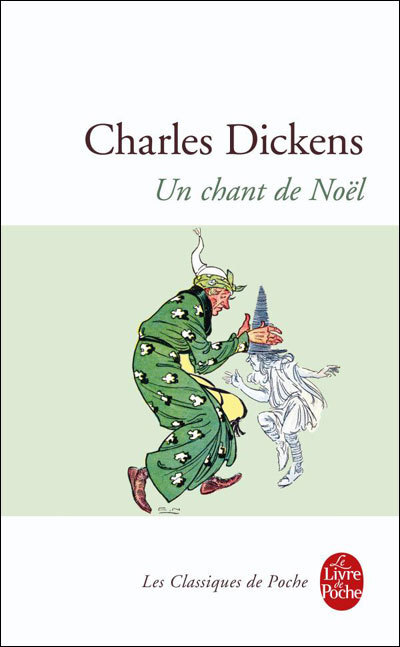
Dickens's writing also possesses a powerful historical and moral dimension. In A Tale of Two Cities, he sets his narrative between London and Paris during the French Revolution, exploring political violence, sacrifice, and collective upheaval. A Christmas Carol introduces Ebenezer Scrooge, a miserly old man whose encounters with his past, present, and future lead to a reflection on generosity, solidarity, and the possibility of personal transformation. Throughout these stories, Dickens expresses a consistent belief: literature can reveal human suffering, awaken compassion, and encourage society to reconsider its values.
Career
Charles John Huffam Dickens was born into an English lower-middle-class family. His father, John Dickens, worked in the administration of the Royal Navy, but financial difficulties forced the family to move repeatedly. After spending part of his childhood in Chatham, Kent, Charles experienced a traumatic disruption when his father was imprisoned for debt in London in 1824. At the age of twelve, he was sent to work in a blacking factory, attaching labels to containers of shoe polish. This humiliating experience left a lasting impression and helped shape his sensitivity toward exploited children, social injustice, and urban poverty.
After returning to school for a time, Dickens worked in a solicitor's office, learned shorthand, and became a journalist, notably reporting parliamentary debates. He began publishing sketches under the pseudonym Boz before achieving remarkable success with The Pickwick Papers, serialized beginning in 1836. That same year, he married Catherine Hogarth, with whom he had ten children. His literary career expanded rapidly: many of his novels appeared in successive installments, attracting readers eager to discover what would happen to his characters next. Dickens became one of the most popular writers of his generation while also developing an influential career in journalism and publishing.
Over the following decades, he produced numerous novels, short stories, articles, and public projects. He edited the periodicals Household Words and All the Year Round, promoting literature intended for a broad readership and attentive to changing social conditions. Deeply interested in theatre, he also organized public readings of his works, transforming literary performances into immensely popular events in Britain and the United States. His personal life was marked by difficulties, particularly his separation from Catherine in 1858. Weakened by an exhausting professional schedule and declining health, he died in 1870 at Gad's Hill Place, his residence in Kent. He was buried in Poets' Corner at Westminster Abbey, reflecting his exceptional standing in British cultural life.
Key Facts
- A childhood that shaped his literary convictions: Dickens's employment in a blacking factory and his father's imprisonment for debt left an enduring impression. These experiences help explain the central position of abandoned children, social humiliation, and unjust institutions in his fiction.
- A master of serialized storytelling: many Dickens novels appeared in magazines or monthly installments. This publication format influenced his narrative style, encouraging dramatic developments, colorful supporting characters, and remarkable skill in sustaining suspense.
- A satirist of Victorian Britain: Dickens criticized poverty, child labor, social hypocrisy, and institutional failures. His often biting humor made these concerns accessible to a wide audience without diminishing the richness of his storytelling.
- A writer who performed his own fiction: his public readings attracted enormous audiences. Using his skills as a performer, Dickens gave distinctive voices to his characters and turned literary narratives into theatrical events, anticipating certain forms of modern literary performance.
- An extraordinary cultural legacy: characters such as Oliver Twist, Scrooge, and Pip have entered the collective imagination far beyond their original novels. Today, the adjective “Dickensian” evokes both urban poverty and social injustice, as well as richly populated settings, eccentric personalities, and the warmth of human relationships.