
Presentation
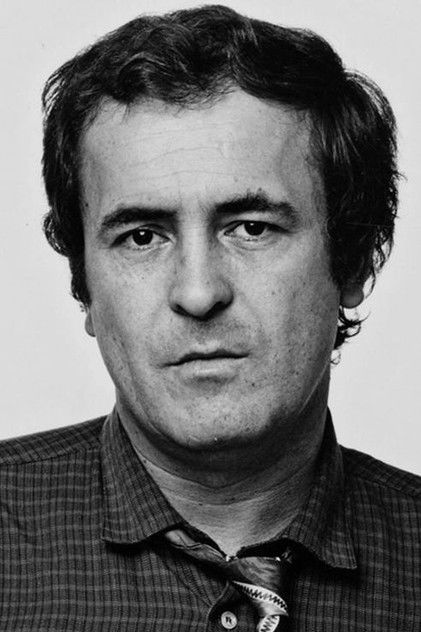
Bernardo Bertolucci, born on March 16, 1941, in Parma and deceased on November 26, 2018, in Rome, was an Italian director and screenwriter and a major figure in European cinema. His work combined political engagement, sensuality and aesthetic ambition, connecting individual destinies with the great upheavals of history.
His films explore power relationships, sexuality, ideology and social contradictions. Recognizable through fluid camera movements, painterly compositions and expressive use of color, he moved between intimate dramas and sweeping historical epics while maintaining a strong psychological dimension.
Career
The son of poet Attilio Bertolucci, he initially pursued literature before becoming Pier Paolo Pasolini's assistant on Accattone in 1961. He directed his first feature, La Commare secca, in 1962, then established his artistic identity with Before the Revolution and The Conformist, a striking exploration of fascism and social conformity.
In 1968, he collaborated with Sergio Leone and Dario Argento on developing the story for Once Upon a Time in the West. He continued exploring political and human tensions with 1900, an ambitious epic about 20th-century Italy. Last Tango in Paris attracted international attention but also generated profound controversy.
In 1987, The Last Emperor, portraying the life of Pu Yi, achieved extraordinary critical success and won nine Academy Awards, including Best Picture and Best Director. Bertolucci continued directing until Me and You in 2012, his final feature film.
Did You Know?
- Literary background: he grew up in a family of writers and published a collection of poetry before choosing filmmaking.
- Collaboration: cinematographer Vittorio Storaro played a major role in shaping the visual identity of several of his films.
- Awards: he personally won two Academy Awards in 1988, for directing and adapted screenplay for The Last Emperor, and received an Honorary Palme d'Or at Cannes in 2011.
- Controversy: Maria Schneider criticized the circumstances surrounding the filming of a simulated sexual assault scene in Last Tango in Paris. Bertolucci acknowledged concealing an element of the scene from her.
- Legacy: his filmmaking had a lasting influence on how European cinema portrays political conflict, desire and history.