PANACHES Culture · Works

Works that feed creation.

Discover films, animation, series, anime, documentaries, live, manga, BD, comics, books, games, music, then explore their associated studios, tools and articles.

9 works

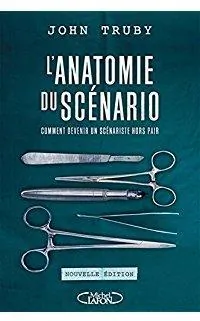
The Anatomy of the Scenario
Book 2007

The Anatomy of the Scenario

John Truby presents a method of story construction based on the organic development of the narrative rather than on a simple sequence of acts. He connects the premise, the character’s desire, weaknesses, opposing forces, revelations, and story world to show how each element contributes to the same dramatic progression. The book places particular emphasis on the protagonist’s transformation and on building a coherent…

  • Writing
  • Essay
🇺🇸 United States
The Artist's Way
Book 1992

The Artist's Way

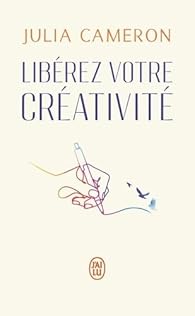
Julia Cameron offers a twelve-week program designed to reconnect with creativity and overcome the blocks that hinder artistic expression. Through regular practices such as Morning Pages, Artist Dates, and a series of progressive exercises, she encourages readers to rediscover confidence, curiosity, and freedom in the creative process. The book combines introspection with practical work to help build a more lasting, …

  • Writing
  • Essay
🇺🇸 United States
The Hero with a Thousand Faces
Book 1949

The Hero with a Thousand Faces

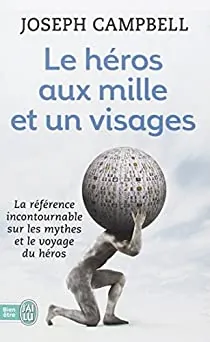
Joseph Campbell explores major mythological narratives across cultures and eras to reveal a recurring structure he calls the “monomyth,” or hero’s journey. The call to adventure, trials, encounters, transformation, achievement, and return form the major stages of this archetypal path. By drawing connections between ancient myths, religions, legends, and heroic tales, the book shows how widely different stories can s…

  • Writing
  • Essay
🇺🇸 United States
The Language of the Night: Essays on Fantasy and Science Fiction
Book 1979

The Language of the Night: Essays on Fantasy and Science Fiction

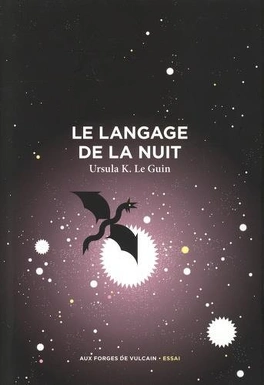
In this collection of essays, Ursula K. Le Guin reflects on the place of science fiction, fantasy, and imaginative literature more broadly within culture and literature. She explores their symbolic power, their ability to imagine alternative forms of society, and their role in understanding reality, while also addressing themes such as feminism, anarchism, and children’s literature. Together, these essays form a com…

  • Writing
  • Essay
🇺🇸 United States
The Limitations of Interpretation
Book

The Limitations of Interpretation

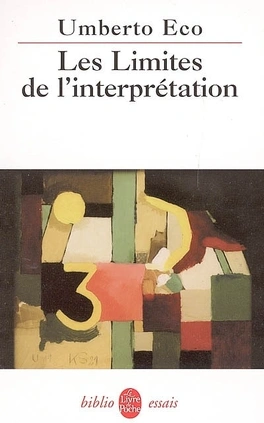
Umberto Eco seeks to determine how far interpretation can go without becoming arbitrary. From literature, semiotics and philosophical debates, he distinguishes the reader's freedom from the constraints posed by the text and criticizes readings that claim to be able to mean everything.

  • Essay
  • Philosophy
🇮🇹 Italy
The Quiet Consciousness
Book

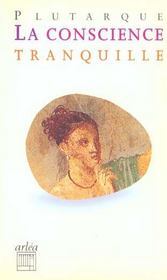
The Quiet Consciousness

Through two short treatises of morality, Plutarch examines ways to preserve a calm conscience in the face of regrets, passions and setbacks of existence. He defends an inner discipline based on the judgment, the measure and the thoughtful use of memory.

  • Essay
  • Philosophy
🇬🇷 Greece
The Thirty-Six Dramatic Situations
Book 1895

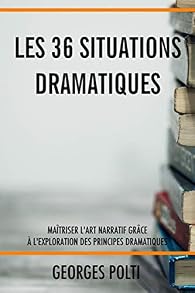
The Thirty-Six Dramatic Situations

Georges Polti develops the idea that a limited number of fundamental situations can generate an infinite variety of stories. He identifies thirty-six of them, each defined by specific forces, roles, and tensions: revenge, rivalry, sacrifice, pursuit, supplication, family conflict, and more. Drawing on examples from theatre, novels, folktales, and history, he shows how these situations can be varied, combined, and tr…

  • Writing
  • Essay
🇫🇷 France
The Writer's Journey
Book 1992

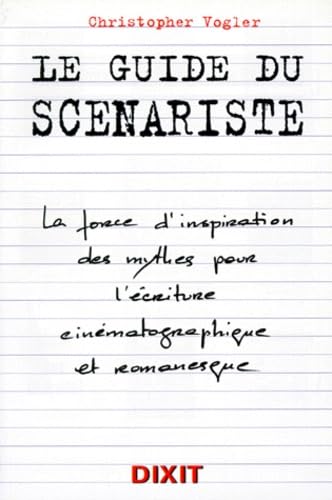
The Writer's Journey

Christopher Vogler adapts the major stages of the hero’s journey to the needs of contemporary storytelling. He shows how archetypes, trials, threshold crossings, alliances, confrontations, and the protagonist’s transformation can be used as tools for structuring a narrative. Originally developed with screenwriting in mind but widely applicable to novels and other forms of fiction, the book offers a method for organi…

  • Writing
  • Essay
🇺🇸 United States
Tolstoy: What is art?
Book

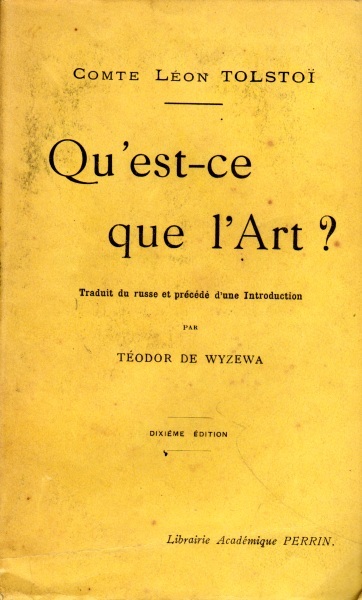
Tolstoy: What is art?

This somewhat forgotten book by Léon Tolstoy is presented by Michel Meyer as a forerunner of modern aesthetics. According to him, Tolstoy asks the essential question of aesthetics: how can art be defined if it is not identified with beauty, which alone cannot be used as a basis for the theory of art? "Tolstoy sought to understand the meaning of art and not to study its effect... He showed by his reflection that one …

  • Essay
  • Philosophy