Presentación
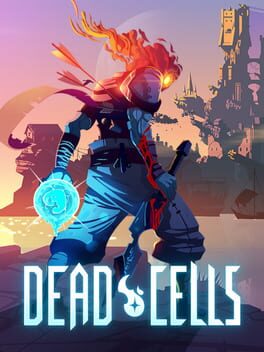
Dead Cells se basa en un ciclo extremadamente claro: avanzar, combatir, conseguir nuevo equipamiento, morir y volver a empezar con más experiencia. La muerte de un personaje elimina la mayoría de las ventajas obtenidas durante el intento actual, pero determinadas mejoras desbloqueadas entre runs permanecen disponibles. La progresión existe por tanto tanto dentro del juego como en el propio jugador, que aprende progresivamente el comportamiento de los enemigos, las posibilidades de sus armas y los riesgos que puede permitirse asumir.
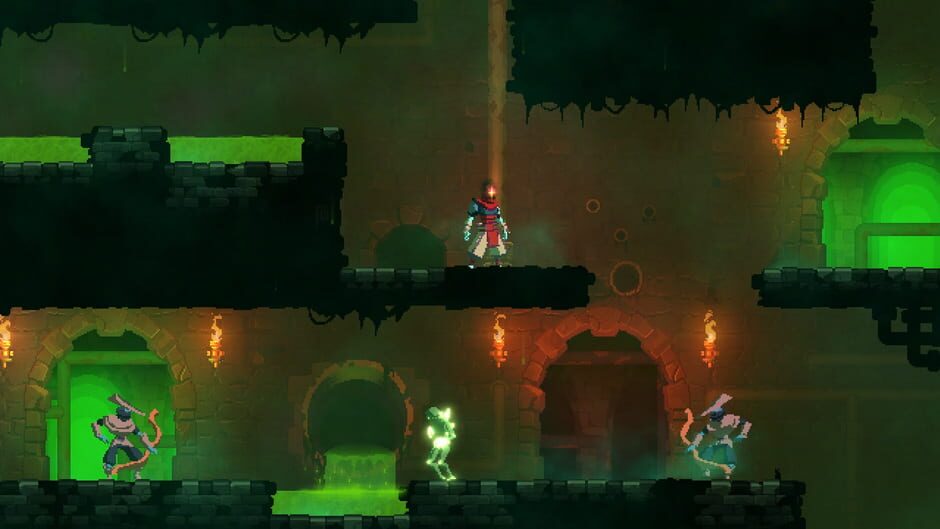
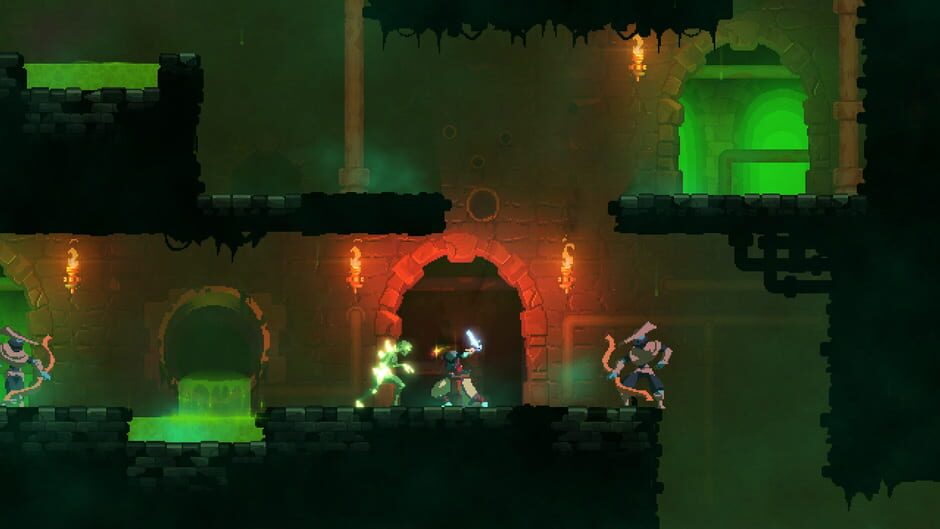
Los entornos están organizados en biomas conectados mediante diferentes rutas. Su disposición cambia de una partida a otra, mientras que nuevas habilidades permanentes permiten acceder progresivamente a caminos que antes eran inaccesibles. Esta influencia de la Metroidvania no convierte la isla en un mapa fijo que memorizar: enriquece sobre todo las rutas posibles y anima a explorar distintos recorridos a lo largo de los intentos.
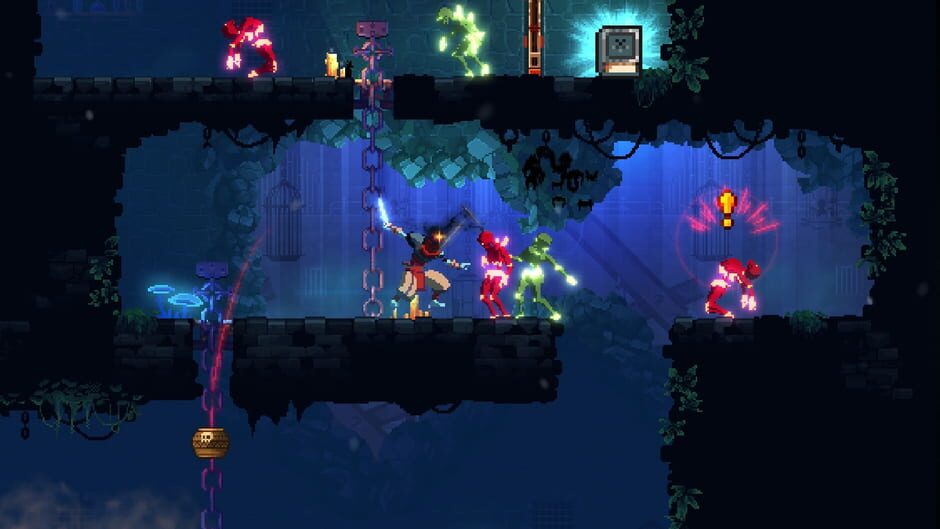
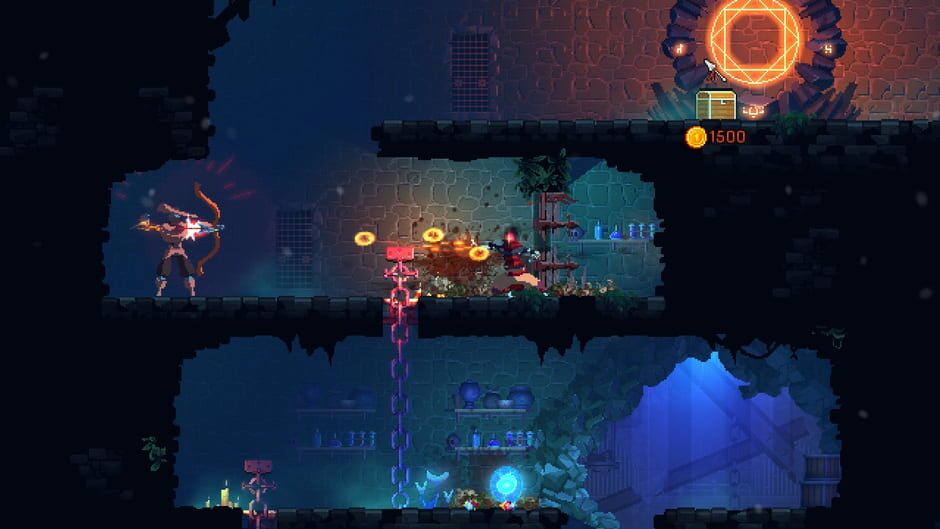
El combate constituye el verdadero motor de la experiencia. Espadas, arcos, escudos, látigos, trampas, granadas y numerosas armas más singulares permiten construir estilos muy diferentes. Algunas configuraciones favorecen el enfrentamiento directo, otras la distancia, los efectos elementales o los dispositivos automáticos. Las mutaciones completan estas elecciones mediante bonificaciones capaces de reforzar una estrategia concreta.
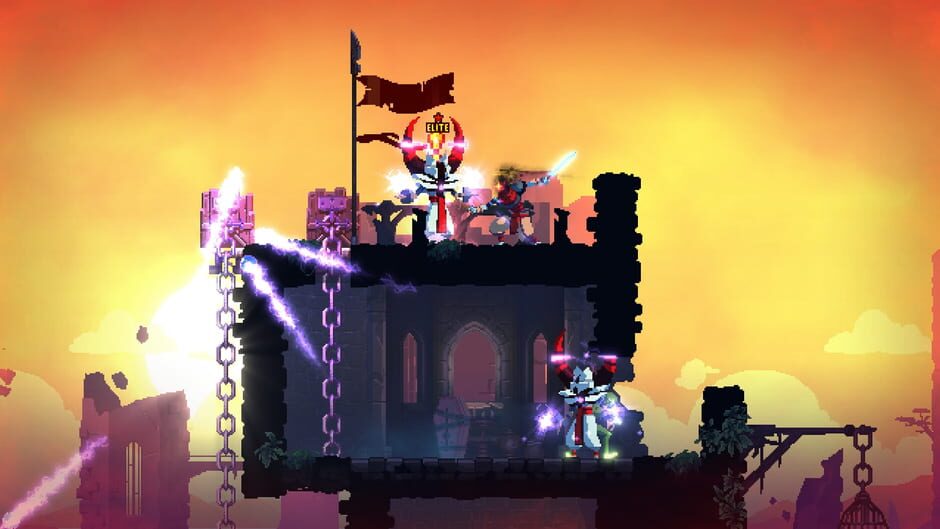
Esta variedad funciona porque los enfrentamientos siguen siendo extremadamente reactivos. Esquivar, bloquear, cambiar de objetivo o aprovechar rápidamente una apertura resulta más importante que acumular poder sin criterio. Los enemigos poseen comportamientos reconocibles y pueden causar daños importantes, por lo que progresar exige aprender poco a poco a identificar las amenazas antes de que se vuelvan incontrolables.
Las células recogidas durante un intento crean además una tensión permanente. Permiten desbloquear de forma duradera nuevas armas, mejoras y posibilidades, pero generalmente deben llevarse hasta determinadas zonas seguras. Una muerte prematura puede hacer desaparecer todas aquellas que todavía no se hayan gastado. Seguir explorando con una gran cantidad de células significa entonces aceptar conscientemente el riesgo de perderlo todo.
Es este equilibrio entre velocidad y prudencia lo que da ritmo a Dead Cells. El personaje se mueve con gran fluidez y el juego anima a encadenar acciones rápidamente, pero precipitarse sigue siendo una de las formas más eficaces de terminar una run. Cuanto más domina el jugador sus sistemas, más ese castillo inicialmente hostil se convierte en un terreno que aprende a leer casi de forma instintiva.
Lo esencial
- Un juego de acción y plataformas roguelite basado en intentos sucesivos y en la amenaza permanente de perder la progresión temporal.
- Entornos que cambian entre partidas y ofrecen varias rutas a través de la isla.
- Una progresión permanente que desbloquea gradualmente nuevas armas, habilidades y posibilidades de exploración.
- Combates rápidos y precisos basados en esquivas, bloqueos, posicionamiento y conocimiento de los enemigos.
- Un arsenal muy variado que permite construir configuraciones diferentes en cada intento.
- Una narración discreta que permite reconstruir progresivamente la historia del reino mediante la exploración.
Conclusión
Dead Cells transforma la repetición en progreso. Volver al comienzo después de morir podría dar la sensación de haberlo perdido todo, pero un intento fallido casi siempre deja algo detrás: una nueva arma desbloqueada, un camino descubierto, un enemigo mejor comprendido o simplemente un error que ahora se sabe evitar.
Esta estructura exige naturalmente aceptar el fracaso. Una buena configuración puede desaparecer en cuestión de segundos y una larga progresión puede terminar por una mala decisión. El azar también puede hacer que algunos intentos resulten más cómodos que otros. Sin embargo, el juego ofrece suficiente control al jugador para que la mayoría de las derrotas terminen pareciendo lecciones en lugar de simples castigos.
Su éxito reside sobre todo en la calidad del movimiento y de los combates. Cuando los reflejos empiezan a combinarse con el conocimiento de los lugares y los enemigos, las primeras zonas que antes parecían peligrosas se atraviesan casi instintivamente. El mismo castillo no se ha vuelto más fácil: es el jugador quien ha cambiado.
Ahí se encuentra la esencia de la fórmula de Dead Cells. Morir, volver a empezar y recorrer una vez más las mismas tierras no constituye un castigo que haya que evitar, sino el corazón de una aventura donde el dominio se construye intento tras intento.
A saber
- Dead Cells fue desarrollado originalmente por el estudio francés Motion Twin.
- El juego salió de su fase de acceso anticipado en 2018.
- Motion Twin lo define como un action-platformer roguelite inspirado en Castlevania, que combina exploración y exigentes combates 2D.
- El personaje controlado es un organismo capaz de tomar posesión de cuerpos y regresar después de su destrucción.
- No existen puntos de control que permitan retomar un intento después de morir: cada nueva run comienza de nuevo desde el principio.
- Las células obtenidas durante la exploración permiten, entre otras cosas, desbloquear de manera permanente nuevos elementos para los intentos posteriores.