
Overview
From Wikipedia, the free encyclopedia.
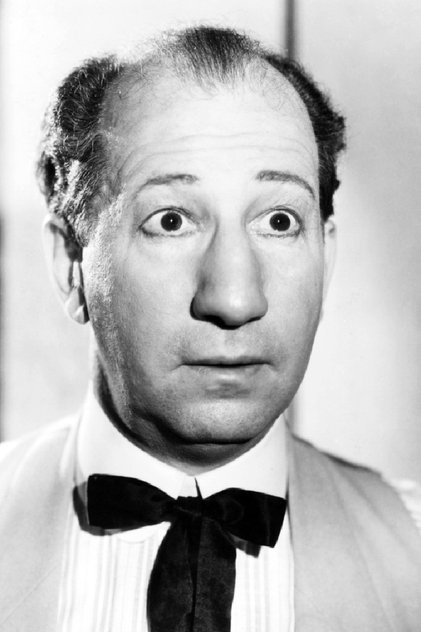
Hank Mann was an American actor, director and screenwriter, born on 28 May 1887 in New York (United States), who died on 25 November 1971 in South Pasadena (United States).
Starting out as an actor in slapstick silent films, he made his debut with the Keystone Cops. Once he became the star of his own films, he was nicknamed Hank in the United States and Bilboquet in France.
Hank Mann is said to have been born in Russia and to have emigrated to New York with his parents and siblings in 1891. Other sources give his date of birth as 28 May 1887 in New York City, New York, USA.
Mann was one of the first screen comedians, working first for Mack Sennett as an original Keystone Cop, then for producers William Fox and Morris R. Schlank in silent comedies. With the coming of sound and the "talkies", he became a popular actor in many film dramas as well as comedies, including The Maltese Falcon (as one of a group of reporters) and Mr. Smith Goes to Washington (as a photographer). One of his most important talkie roles was the flustered hotel manager in the 1944 mystery comedy Crime by Night, and he was reunited with fellow Keystone veteran Chester Conklin as bartenders in the 1952 Bob Hope comedy Son of Paleface.
One of Mann's most famous scenes was as the "glass door man" in the Three Stooges short Men in Black. Later in his career he continued to play roles in television comedies and made a few appearances in several Jerry Lewis film comedies in the 1960s. Although he never fully retired from the film industry, he spent his last years as a building manager with his wife, Dolly, in the Los Feliz section of Los Angeles.
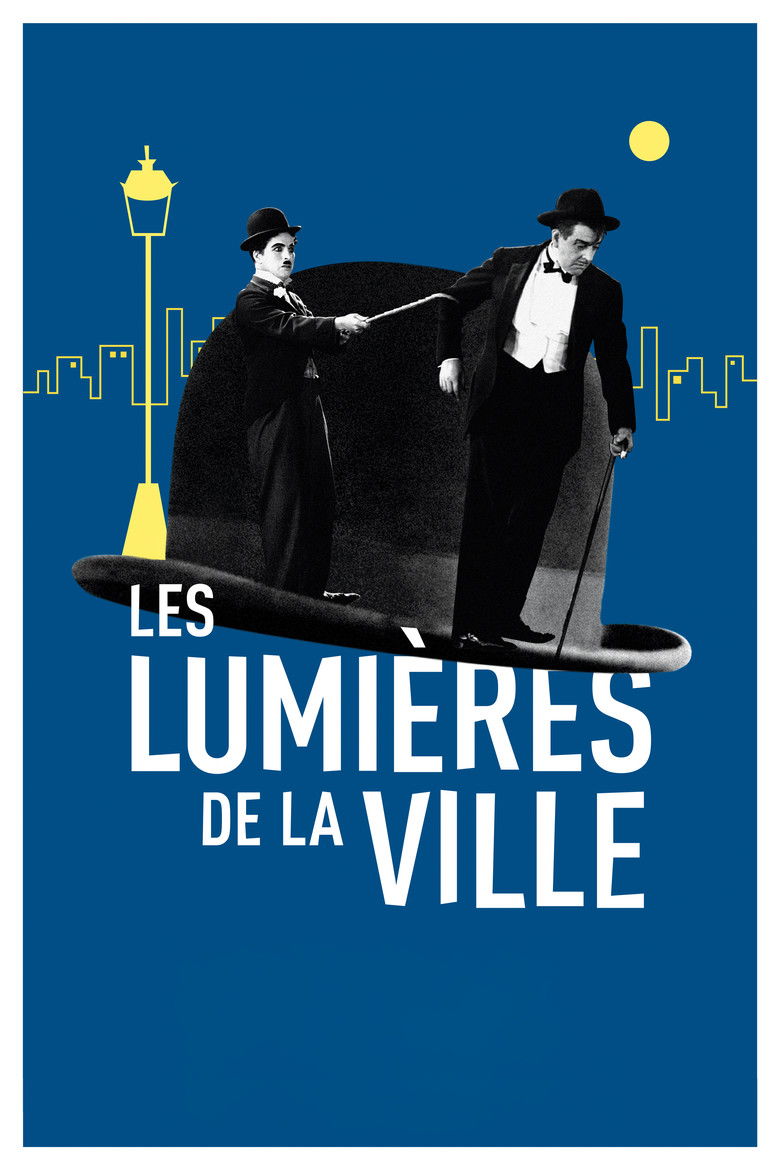
Everyone has seen the boxing scene in City Lights. Hank Mann is the boxer (without a moustache), Eddie Baker the referee, and Charlie Chaplin the challenger who has come to win enough to eat.