Présentation
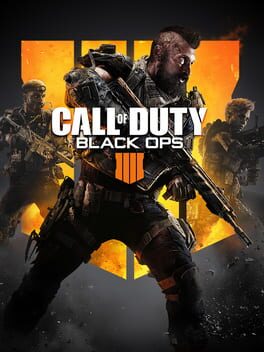
Call of Duty: Black Ops 4 rompt avec la structure traditionnelle des épisodes précédents en organisant son contenu autour de trois grands ensembles : le Multijoueur, Zombies et Blackout. Le jeu ne propose pas de campagne narrative linéaire classique ; son contenu jouable en solo passe notamment par des missions consacrées aux Specialists, pensées pour présenter leurs capacités et une partie de leur contexte.
Développé par Treyarch et édité par Activision, le jeu sort le 12 octobre 2018. Les plateformes indiquées dans cette fiche sont PlayStation 4, Xbox One et PC. Les genres associés sont action et fps. Les modes de jeu renseignés sont Single player, Multiplayer, Co-operative et Split screen, et le moteur indiqué est l’IW Engine 3.0.
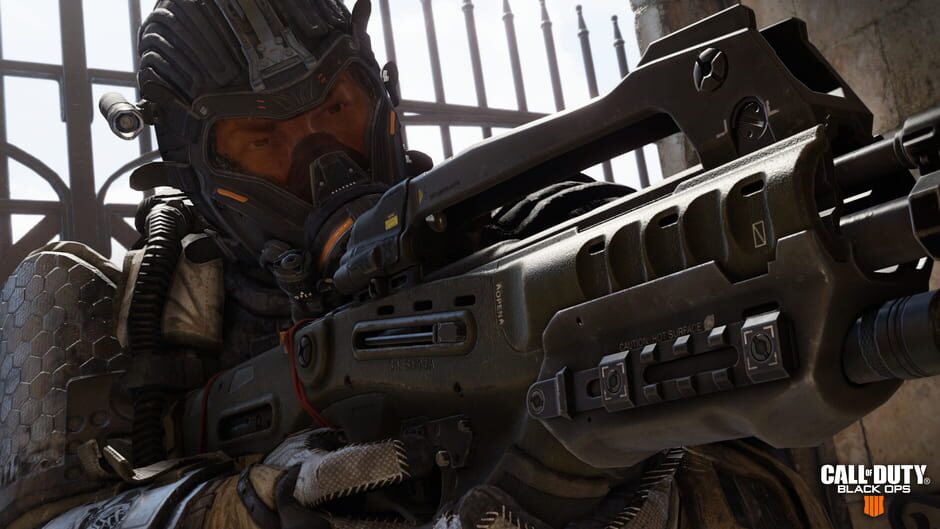
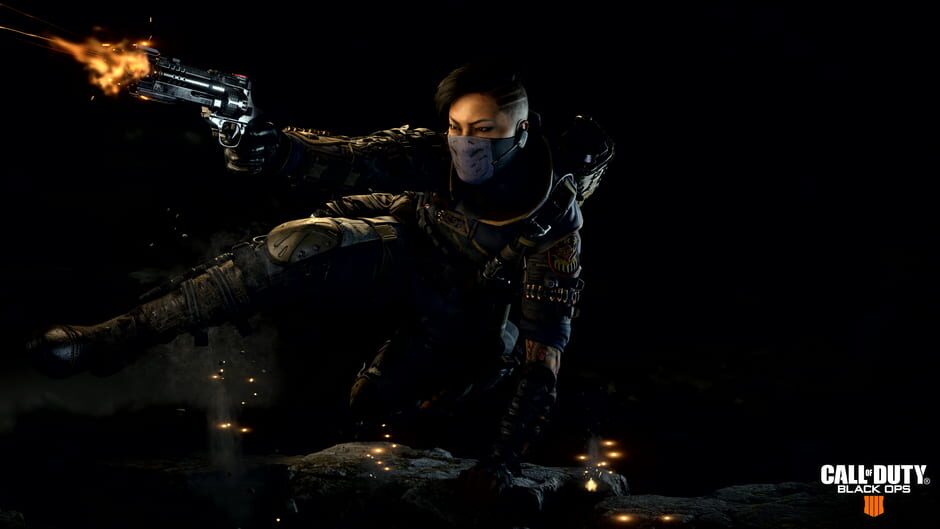
Le multijoueur revient à des affrontements ancrés au sol, sans les déplacements aériens des épisodes futuristes précédents. Son identité repose surtout sur les Specialists, chacun disposant d’un équipement et d’une arme ou capacité spécifique. Leur conception encourage des rôles différents liés notamment au soutien, à la reconnaissance, au contrôle de zone ou à l’attaque directe.
Le fonctionnement de la santé change également. Elle ne se régénère plus automatiquement : le joueur doit déclencher lui-même ses soins, avec un temps de récupération avant de pouvoir réutiliser cette action. Le moment choisi pour se soigner devient ainsi une décision directement intégrée au rythme d’un affrontement.
Le système Pick 10 revient pour la création des classes. Armes, accessoires, atouts et autres éléments sont sélectionnés dans une limite commune, tandis qu’une nouvelle catégorie d’équipement complète les possibilités de configuration. Les caractéristiques propres au Specialist choisi viennent ensuite s’ajouter à cette construction.
Black Ops 4 approfondit également la présentation de ces personnages grâce à des missions solo dédiées aux Specialists. Ces séquences servent à apprendre leurs armes, équipements et rôles tout en apportant des éléments sur leur identité et leurs relations dans l’univers Black Ops.
Avec Blackout, Treyarch adapte pour la première fois Call of Duty au format battle royale. Les joueurs sont déployés en combinaison ailée sur une vaste carte, récupèrent armes, protections, soins et autres ressources, puis doivent survivre alors que la zone de combat se réduit progressivement.
Blackout rassemble de nombreux éléments provenant des précédents Black Ops. La carte reprend des lieux inspirés de plusieurs environnements connus de la série, tandis que personnages, armes et références issus du multijoueur et de Zombies peuvent se retrouver au sein d’une même partie.
Le déplacement ne repose pas uniquement sur la marche. Des véhicules terrestres, maritimes et aériens permettent de parcourir rapidement la carte, tandis que la présence de rivières, d’étendues d’eau, de zones urbaines et de reliefs crée différentes situations d’engagement. Les parties peuvent être disputées en solo, en duo ou en quatuor.
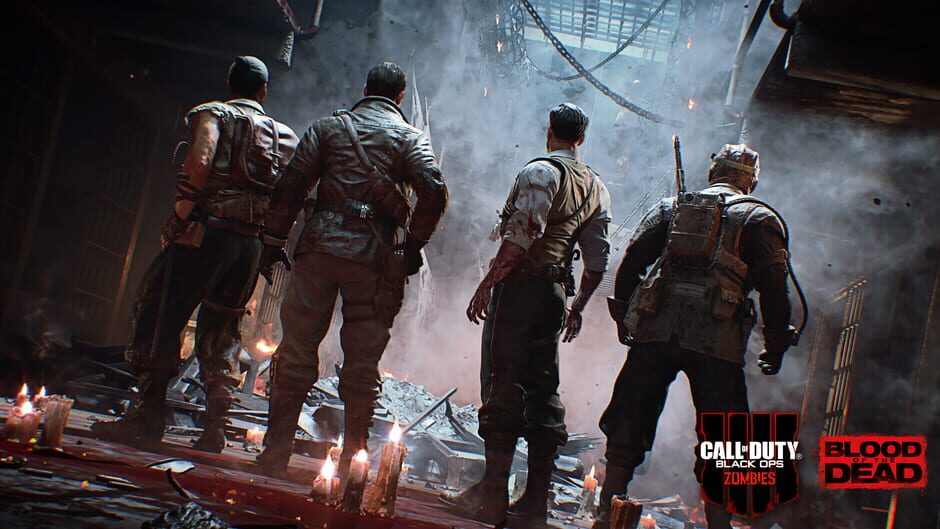
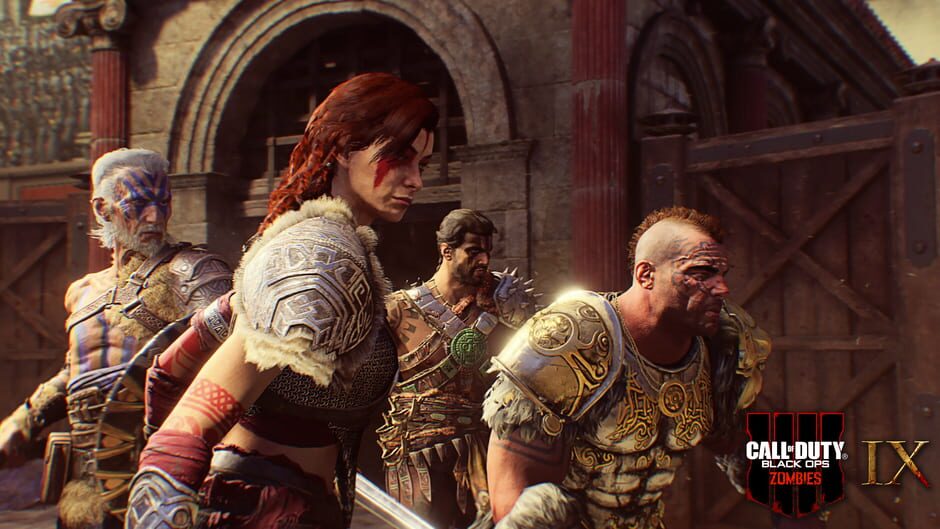
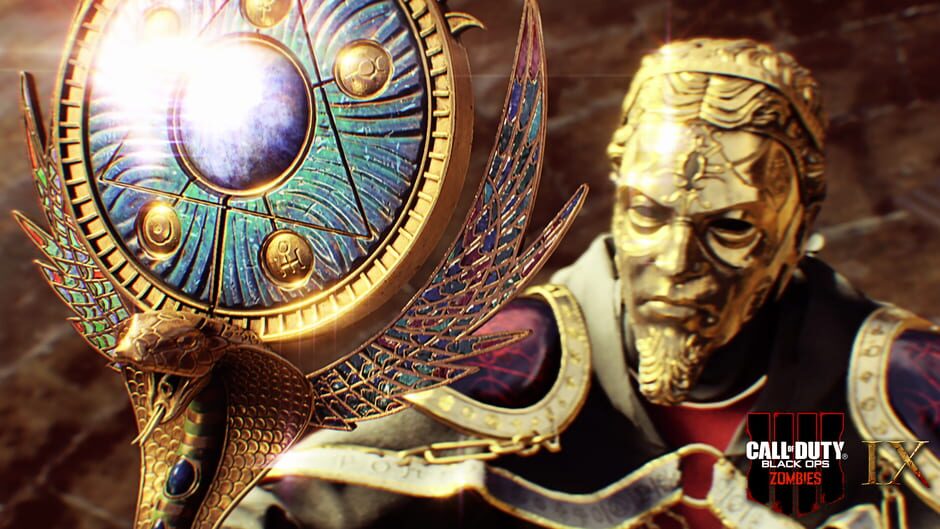
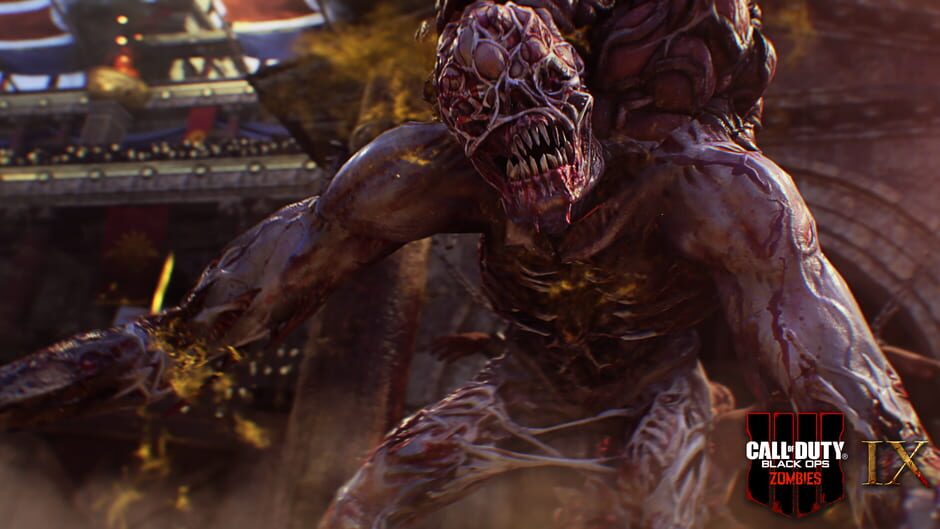
Le troisième pilier est Zombies, qui propose dès le lancement trois expériences complètes : IX, Voyage of Despair et Blood of the Dead. Les deux premières introduisent l’intrigue Chaos et de nouveaux personnages, tandis que Blood of the Dead prolonge l’univers Aether avec des figures déjà connues de la série.
Cette offre Zombies développe fortement les possibilités de configuration. Les joueurs peuvent notamment préparer leurs Elixirs, Perks et équipements avant la partie, tandis que les Custom Mutations permettent de modifier de nombreux paramètres de jeu afin de transformer les règles d’une session.
Le mode prend également en charge les bots, permettant de compléter une équipe, et introduit Rush, une variante davantage centrée sur le rythme, les éliminations et le score. Des niveaux de difficulté réglables et un tutoriel complètent les options destinées à adapter l’expérience.
Black Ops 4 repose ainsi moins sur une campagne centrale que sur trois systèmes autonomes développés en parallèle. Le multijoueur structure les affrontements autour des Specialists et des soins manuels, Blackout transpose l’héritage de la série dans un battle royale, tandis que Zombies bénéficie de trois aventures complètes et d’outils de personnalisation particulièrement étendus dès le lancement.
Ce qu'il faut retenir
- Black Ops 4 ne possède pas de campagne narrative linéaire traditionnelle et répartit son contenu principalement entre Multijoueur, Zombies et Blackout.
- Les Specialists disposent de capacités, armes et équipements spécifiques qui définissent différents rôles en équipe.
- La santé ne se régénère plus automatiquement en multijoueur : les soins doivent être activés manuellement.
- Le système Pick 10 revient pour organiser la création des classes.
- Blackout constitue le premier battle royale de Call of Duty et utilise, à sa sortie, la plus grande carte jamais créée pour la série.
- Blackout rassemble personnages, lieux et armes issus de l’univers Black Ops et propose des véhicules terrestres, maritimes et aériens.
- Zombies comprend dès le lancement IX, Voyage of Despair et Blood of the Dead.
- Custom Mutations, bots, Rush et difficultés réglables étendent les possibilités du mode Zombies.
Conclusion
Black Ops 4 modifie profondément l’équilibre habituel d’un Call of Duty en ne construisant plus l’ensemble du jeu autour d’une campagne traditionnelle. Les Specialists et leurs mécaniques donnent au multijoueur une dimension plus fondée sur les rôles, tandis que les soins manuels interviennent directement dans la gestion des affrontements.
Blackout étend cette transformation à une échelle beaucoup plus vaste. Le principe du battle royale est adapté aux armes, personnages, lieux et sensations de déplacement de Black Ops, avec une carte conçue pour accueillir exploration, récupération d’équipement, véhicules et affrontements jusqu’au dernier survivant.
Zombies occupe parallèlement une place comparable à celle du multijoueur grâce à trois aventures disponibles dès la sortie et à un système de personnalisation considérablement développé. Black Ops 4 se définit ainsi par la coexistence de trois expériences fortes plutôt que par la hiérarchie traditionnelle entre campagne, multijoueur et mode coopératif.
À savoir
- Call of Duty: Black Ops 4 sort le 12 octobre 2018.
- Le jeu est développé par Treyarch et édité par Activision.
- Les plateformes indiquées sont PlayStation 4, Xbox One et PC.
- Les genres associés sont action et fps.
- Les modes de jeu renseignés sont Single player, Multiplayer, Co-operative et Split screen.
- Le moteur indiqué est l’IW Engine 3.0.
- Blackout réunit l’univers Black Ops dans une expérience battle royale à grande échelle.
- Zombies propose trois aventures complètes dès le lancement : IX, Voyage of Despair et Blood of the Dead.