Présentation
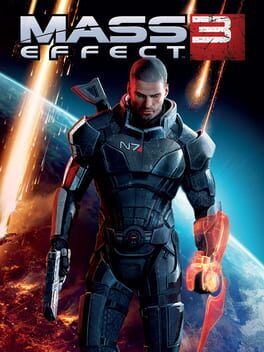
Mass Effect 3 transforme la menace annoncée depuis la rencontre avec Sovereign en guerre ouverte. La galaxie autrefois parcourue comme un ensemble de territoires politiques devient un espace progressivement dévasté, et plusieurs lieux connus sont désormais directement touchés par l’invasion. L’objectif général reste simple — construire le Creuset et rassembler une flotte — mais les moyens nécessaires obligent Shepard à résoudre une partie des conflits accumulés pendant les deux premiers épisodes.
L’importation des sauvegardes prend donc une importance particulière. La survie de certains compagnons, le sort de dirigeants politiques, les décisions concernant les Krogans, les Quariens, les Geth ou Cerberus et plusieurs relations personnelles peuvent modifier les missions et les interlocuteurs présents. Le troisième épisode sert moins à préparer des conséquences futures qu’à faire revenir celles qui ont déjà été construites.
Les ressources de guerre donnent une forme globale à cette préparation. Flottes, armées, scientifiques, technologies et autres soutiens obtenus pendant la campagne sont enregistrés comme War Assets et participent à la puissance militaire réunie pour l’affrontement final. Une décision narrative peut ainsi avoir simultanément une conséquence humaine et une valeur dans l’effort de guerre.
Les grands arcs de Tuchanka et Rannoch utilisent particulièrement bien cette structure. Le génophage ne peut plus rester un problème historique décrit par Wrex ou Mordin : Shepard doit participer à une décision susceptible de modifier l’avenir du peuple krogan. Le conflit entre Quariens et Geth atteint de la même manière un point où des siècles d’exil, de peur et de guerre doivent trouver une issue.
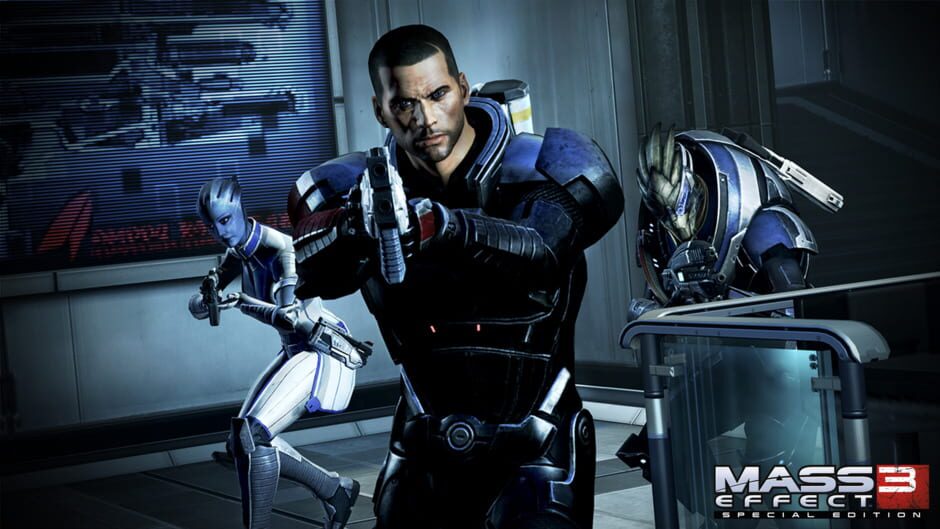
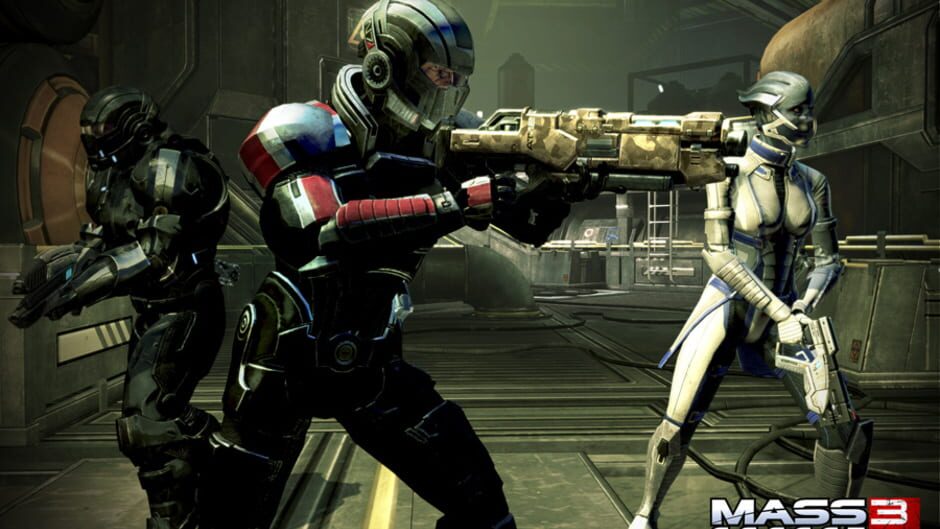
Les compagnons deviennent naturellement les principaux relais de ces enjeux. Garrus est désormais engagé dans la défense turienne, Liara utilise son réseau d’informations à l’échelle galactique, Tali peut occuper une position importante au sein de la Flotte nomade et Kaidan ou Ashley portent les conséquences de leur parcours avec Shepard depuis Eden Prime. EDI, James Vega et éventuellement Javik apportent d’autres regards sur la guerre.
Le Normandy SR-2 revient comme base mobile, désormais placé sous le contrôle de l’Alliance. Sa fonction reste proche de celle de Mass Effect 2 : conversations avec l’équipage, préparation des missions, exploration de la galaxie et développement des relations. Le contexte change toutefois fortement les échanges, plusieurs personnages réagissant à la perte de leurs mondes, de leurs proches ou à l’épuisement provoqué par la guerre.
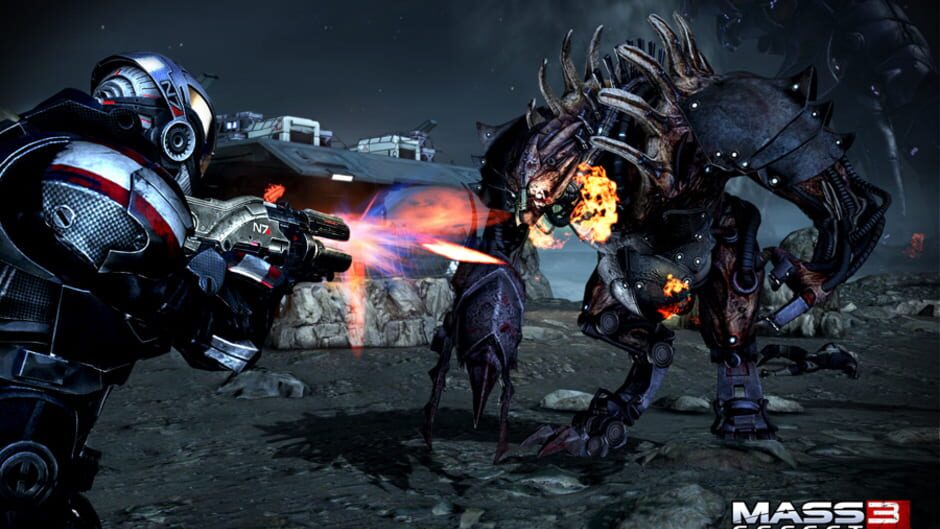
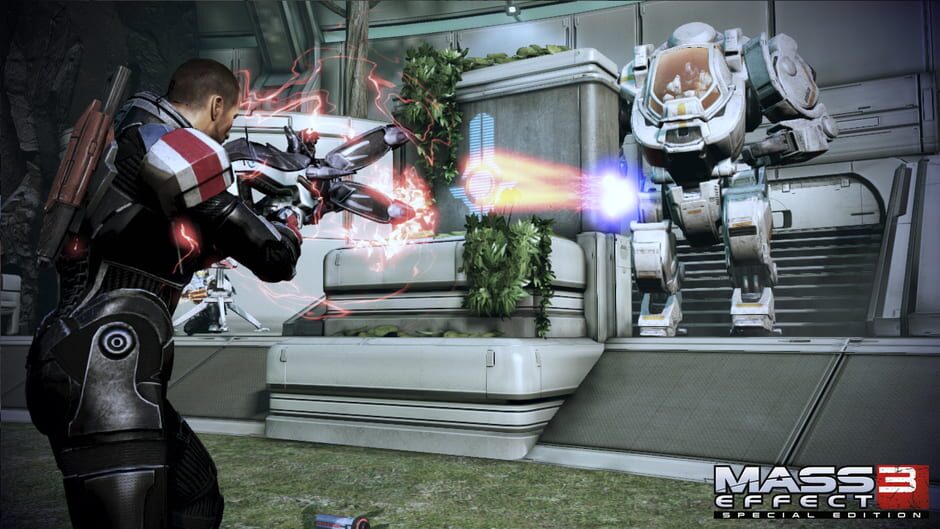
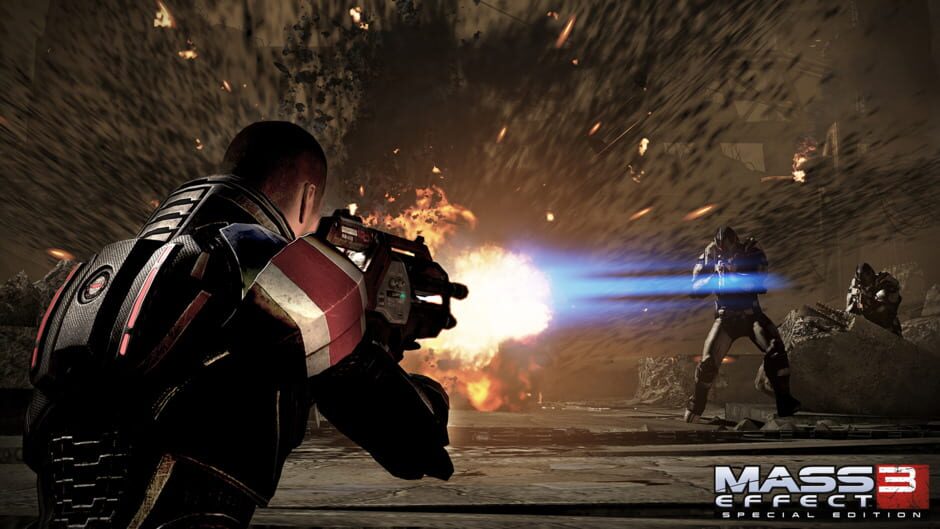
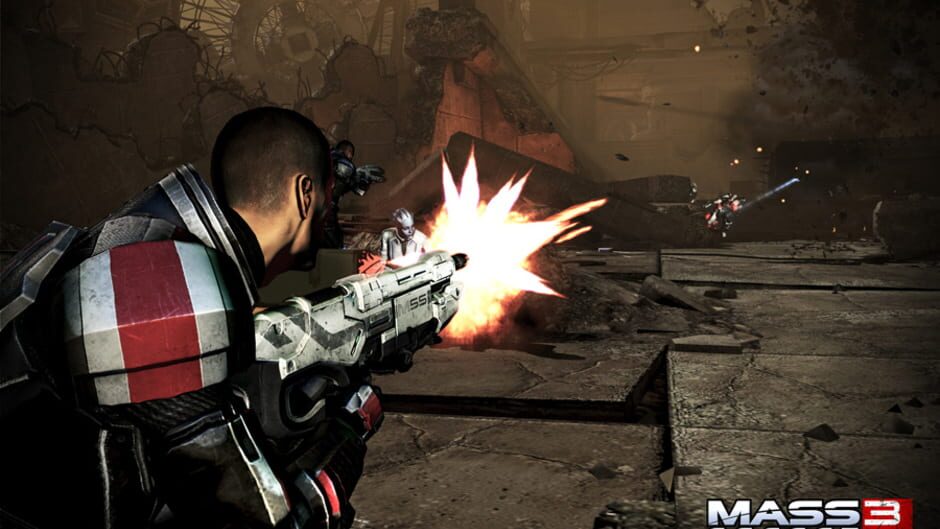
Le combat poursuit l’évolution vers l’action commencée dans le deuxième épisode. Shepard peut se déplacer plus rapidement entre les couvertures, effectuer des roulades, franchir certains obstacles et utiliser des attaques lourdes au corps-à-corps. L’Omni-lame devient notamment une extension immédiate du combat rapproché pour plusieurs classes.
Les armes sont plus nombreuses que dans Mass Effect 2 et leur poids influence le temps de recharge des pouvoirs. Emporter un arsenal lourd donne davantage de solutions balistiques mais ralentit l’utilisation des capacités, tandis qu’un équipement léger favorise les classes reposant sur les biotiques ou la technologie. Le choix de l’arsenal devient ainsi directement lié à la manière dont une classe est jouée.
Les arbres de pouvoirs restent plus lisibles que ceux du premier Mass Effect, mais proposent plusieurs embranchements dans leurs niveaux supérieurs. Portée, puissance, durée ou effets supplémentaires peuvent être privilégiés selon la construction recherchée. Les interactions entre pouvoirs prennent également davantage d’importance grâce aux différentes explosions biotiques, technologiques, cryogéniques ou incendiaires.
Les ennemis sont organisés autour de plusieurs forces identifiables. Les Moissonneurs déploient des créatures transformées à partir des espèces de la galaxie, comme les Cannibales, Maraudeurs ou Brutes, tandis que Cerberus utilise des unités humaines spécialisées. Cette variété demande de combiner gestion des protections, positionnement et priorités de cible plutôt que d’appliquer la même réponse à toutes les rencontres.
Les missions restent plus dirigées que dans le premier épisode et abandonnent définitivement l’exploration planétaire en Mako. La carte galactique sert principalement à rejoindre les systèmes concernés par la guerre, scanner des secteurs, récupérer certaines ressources et lancer les opérations. L’échelle vient moins de vastes surfaces à parcourir que de la multiplication des fronts sur lesquels Shepard doit intervenir.
La Citadelle conserve son rôle de centre civil et politique, mais la guerre modifie progressivement son atmosphère. Réfugiés, militaires, familles séparées et représentants des différentes espèces rappellent les conséquences des décisions prises loin du champ de bataille. De petites conversations entendues dans les zones publiques accompagnent ainsi les transformations provoquées par l’invasion.
La version originale introduit également un mode coopératif en ligne à quatre joueurs dans le cadre du système Galaxy at War. Des équipes de forces spéciales affrontent des vagues ennemies sur différents fronts, et leur progression pouvait améliorer la Préparation galactique de la campagne solo. Cette composante restait optionnelle mais constituait la première expérience multijoueur de la série.
Plusieurs contenus additionnels développent ensuite certaines parties du récit. From Ashes permet de recruter Javik, un Prothéen ayant réellement vécu pendant le cycle précédent. Leviathan approfondit les origines des Moissonneurs, tandis qu’Omega suit Shepard et Aria T’Loak dans une opération contre Cerberus.
Citadel adopte une tonalité différente. Après une intrigue liée à une menace visant directement Shepard, l’extension rassemble une grande partie des compagnons des trois épisodes autour d’un temps de repos sur la Citadelle. Ses conversations, activités et retrouvailles en font moins une nouvelle étape de la guerre qu’un dernier espace consacré à l’équipage avant la fin de la trilogie.
La conclusion originale de Mass Effect 3 a suscité de fortes réactions, notamment parce que de nombreux joueurs estimaient que les conséquences de leur parcours étaient insuffisamment explicitées. BioWare a répondu quelques mois plus tard avec l’Extended Cut, ajoutant des scènes et épilogues destinés à apporter davantage de contexte aux différentes conclusions sans remplacer leurs choix fondamentaux.
Ce qu'il faut retenir
- Les Moissonneurs lancent l’invasion annoncée depuis le premier Mass Effect, obligeant Shepard à rassembler les civilisations de la galaxie.
- Le Creuset, découvert à partir de données prothéennes, devient le principal espoir pour mettre fin au cycle d’extermination.
- Les décisions des deux épisodes précédents influencent fortement plusieurs personnages, alliances et résolutions disponibles.
- Les conflits autour du génophage krogan et de la guerre entre Quariens et Geth occupent une place centrale dans la campagne.
- Cerberus et l’Homme Trouble deviennent des adversaires directs en cherchant à contrôler les Moissonneurs plutôt qu’à simplement les détruire.
- Le combat affine la formule de Mass Effect 2 avec davantage de mobilité, un arsenal élargi, le poids des armes et des combinaisons de pouvoirs plus développées.
- Les ressources de guerre représentent les flottes, armées, personnages et technologies rassemblés pour l’offensive finale.
- La version originale comprend un mode coopératif à quatre joueurs relié au système Galaxy at War, absent de Mass Effect Legendary Edition.
Conclusion
Mass Effect 3 donne à la trilogie une structure différente de ses deux premiers épisodes parce qu’une grande partie de son matériau a déjà été préparée. Le génophage, les Geth, les Quariens, Cerberus et les alliances de Shepard ne sont plus seulement des éléments d’univers à approfondir : ils deviennent des problèmes auxquels la guerre impose désormais une réponse.
Les meilleurs moments du jeu viennent de cette continuité. Une décision sur Tuchanka peut dépendre de personnages rencontrés plusieurs dizaines d’heures auparavant, tandis que la situation sur Rannoch rassemble des choix commencés dès la première rencontre avec Tali. La trilogie utilise alors réellement la sauvegarde comme mémoire d’un parcours plutôt que comme simple moyen d’importer quelques références.
Le combat atteint parallèlement la forme la plus souple de la trilogie originale. BioWare conserve l’efficacité acquise dans Mass Effect 2 mais redonne davantage de liberté à l’équipement et aux constructions de classes. Le poids de l’arsenal, les évolutions de pouvoirs et les nombreuses combinaisons permettent de différencier fortement un Shepard utilisant surtout ses armes d’un personnage construit autour des biotiques ou de la technologie.
La guerre change également la relation avec les compagnons. Mass Effect 2 demandait principalement de réunir et préparer une équipe ; ici, beaucoup de ces personnages possèdent déjà une place dans la galaxie et Shepard les retrouve au milieu de responsabilités plus vastes. Les liens personnels restent essentiels, mais ils se déroulent désormais alors que chaque espèce risque de perdre son monde.
La fin reste une partie indissociable de l’histoire du jeu, autant pour ce qu’elle cherche à résoudre que pour les réactions qu’elle a provoquées. L’Extended Cut a apporté davantage de contexte à ses conséquences, sans transformer complètement la conception de la décision finale. Cette controverse n’efface cependant pas le travail réalisé en amont pour faire converger une quantité considérable de personnages et de conflits.
Mass Effect 3 fonctionne ainsi surtout comme l’aboutissement d’un voyage commencé sur Eden Prime. Sa force ne réside pas uniquement dans la bataille contre les Moissonneurs, mais dans le moment où les histoires découvertes pendant deux jeux cessent d’être des problèmes lointains et deviennent les conditions mêmes de la survie galactique.
À savoir
- Mass Effect 3 est développé par BioWare et constitue le troisième et dernier épisode de la trilogie originale consacrée au commandant Shepard.
- Le jeu est sorti le 6 mars 2012 en Amérique du Nord sur Xbox 360, PlayStation 3 et PC, puis le 9 mars en Europe.
- Une Special Edition adaptée à la Wii U par Straight Right est sortie en novembre 2012.
- La version originale introduit pour la première fois dans la série un mode multijoueur coopératif à quatre joueurs intégré au système Galaxy at War.
- Les principaux contenus narratifs additionnels sont From Ashes, Leviathan, Omega et Citadel.
- L’Extended Cut, distribué après la sortie, ajoute plusieurs séquences cinématiques et épilogues afin de développer le contexte et les conséquences des différentes fins.
- Mass Effect Legendary Edition, sortie le 14 mai 2021, inclut la campagne de Mass Effect 3 et ses principaux DLC solo, mais pas le multijoueur original.
- Dans Legendary Edition, le système de ressources de guerre a été rééquilibré afin que la progression de la campagne solo et les décisions prises dans l’ensemble de la trilogie suffisent sans dépendre du système multijoueur de 2012.